




The Policy Under Consideration
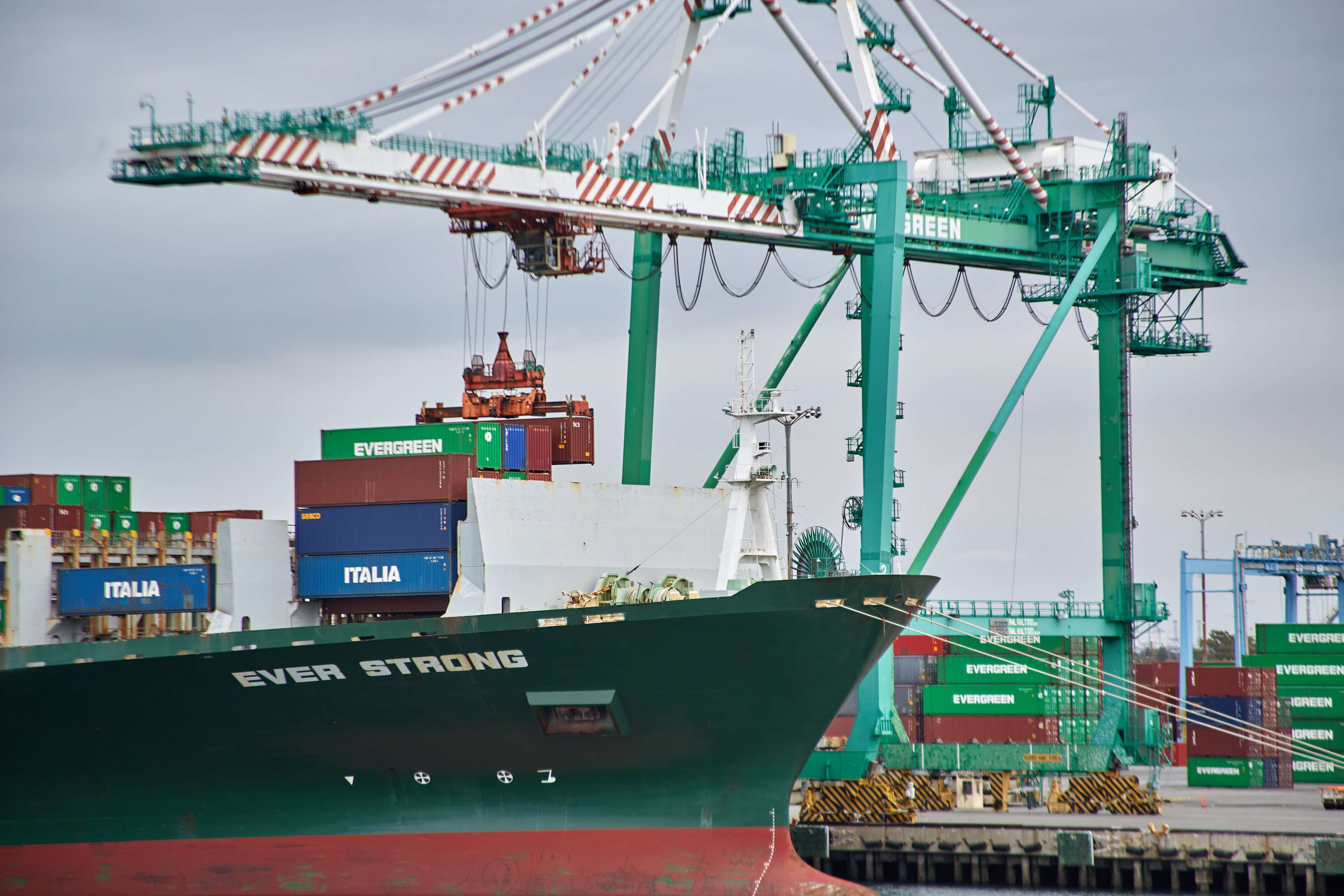
The Trump administration is weighing a temporary waiver of the Jones Act, a 1920 law requiring that cargo shipped between U.S. ports travel only on vessels that are U.S.-built, U.S.-flagged, and crewed primarily by Americans. Officials are considering a 30-day suspension to address fuel prices that have climbed roughly 60 cents per gallon since strikes on Iran began, according to reporting from Bloomberg.
White House press secretary Karoline Leavitt said in a statement: "In the interest of national defense, the White House is considering waiving the Jones Act for a limited period of time to ensure vital energy products and agricultural necessities are flowing freely to U.S. ports." A White House official added that the move would not affect American shipbuilding.
How the Waiver Could Work
Under current law, Trump can authorize Jones Act waivers when qualified U.S.-flagged vessels are unavailable to meet defense needs. Defense Secretary Pete Hegseth can request such a waiver when there is an immediate negative impact on military operations.
Colin Grabow, an associate director at the Cato Institute's Herbert A. Stiefel Center for Trade Policy Studies, explained the practical mechanics: "It will provide relief. But I do think we should set expectations. It will be, probably, modest." He estimates the waiver would offset single-digit cents per gallon at the retail level by allowing petroleum products to move more easily from the Gulf Coast to ports on the East Coast, which has higher fuel costs.
Grabow cautioned that other market forces could overwhelm any benefit from the waiver. "There are a lot of factors that shape the market," he said, meaning retail prices could still rise despite the suspension.
Broader Energy Response
The Jones Act waiver is one piece of a wider effort to stabilize energy markets disrupted by the Iran conflict. The Energy Department announced plans to release 172 million barrels of oil from the U.S. Strategic Petroleum Reserve over roughly 120 days. This is part of a coordinated release of 400 million barrels among member governments of the International Energy Agency.
The Strait of Hormuz, off Iran's coast, remains a critical chokepoint for global oil and petroleum product flows. The Iran war has stifled supplies moving through this waterway, creating pressure on U.S. fuel prices and prompting the administration to explore multiple avenues for relief.
Historical Context and Criticism
The Jones Act was passed after World War I to support U.S. commercial activity and maintain a merchant fleet capable of supporting both commerce and national defense. Critics call it an antiquated law that hinders free trade, makes U.S. industry less competitive, and has raised prices for consumers. Exemptions granted in the interest of national defense are rare, making the current consideration noteworthy.
The law's original purpose reflected a lesson from the war: the country had become dependent on foreign ships and needed to rebuild domestic maritime capacity. That rationale has persisted for over a century, even as economic conditions have shifted.