Trump Gives Iran 10 Days to Accept Nuclear Deal or Face Strikes
Revised after bias review
 Council News
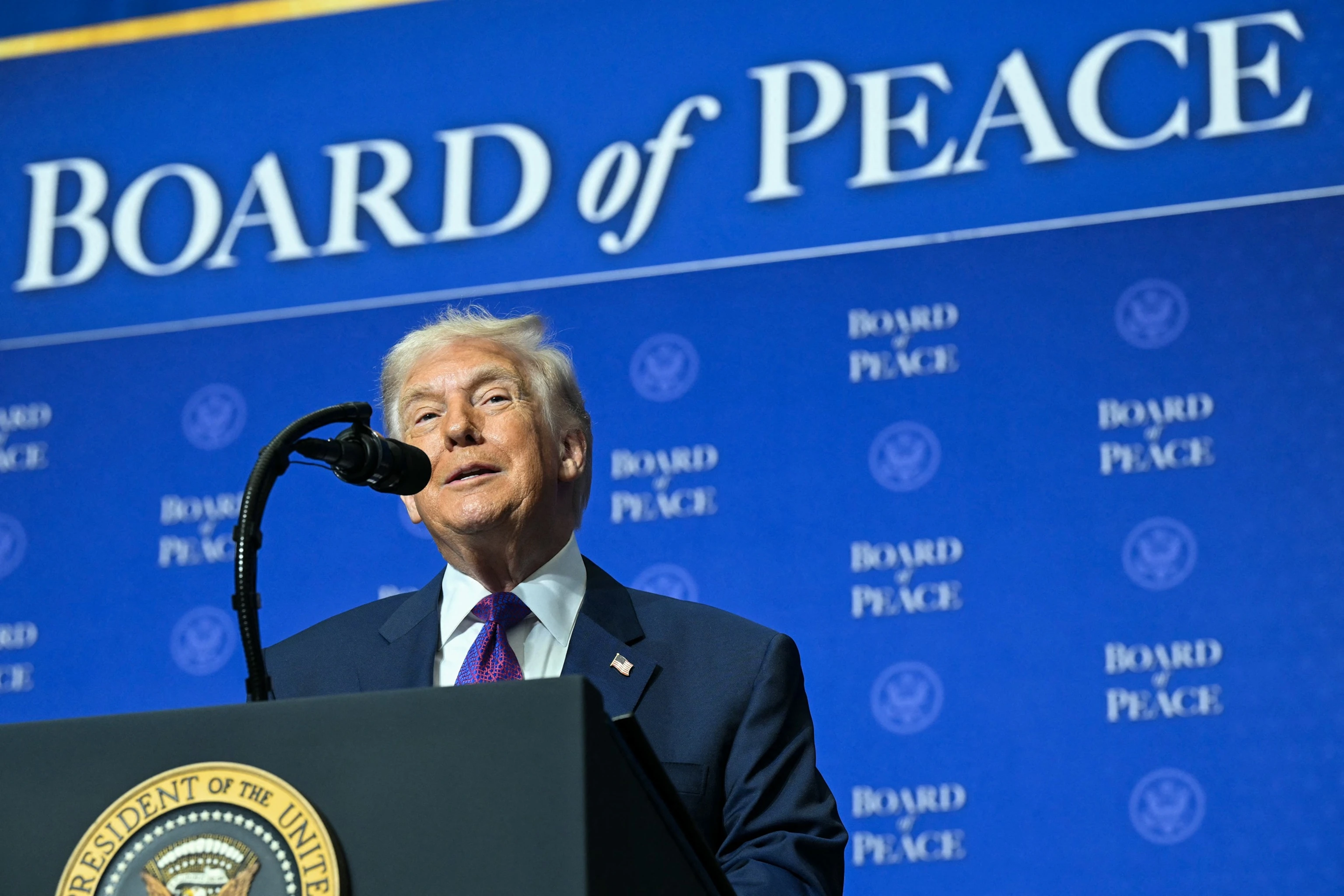





Trump weighing Iran's commitment to a nuclear deal is a critical foreign policy issue with potential implications for US security and the global economy, and people will want to know what he's considering.
Trump's Iran ultimatum is a major breaking story (23 sources) with direct implications for US military involvement and global stability. Americans need to understand the stakes and timeline of potential conflict.
Trump's evaluation of Iran's commitment to a nuclear deal is a significant geopolitical issue that could affect U.S. foreign policy and national security, making it relevant for informed citizens.
Trump's deliberations on Iran's nuclear commitments could lead to U.S. military involvement, affecting national security and potential gas price spikes; the tension and uncertainty will draw readers eager to understand how this might escalate and influence their safety or economy.
23-source Iran deadline story: Trump is weighing strikes within days, which could send gas prices spiking overnight. Every driver has a reason to read.
President Trump told reporters Thursday aboard Air Force One he is "considering" limited military strikes against Iran if the country does not agree to a new nuclear deal within 10 days. The U.S. military has positioned two aircraft carriers, dozens of fighter jets, and refueling planes in the Middle East, giving Trump immediate capability to launch strikes.
"We're either going to get a deal, or it's going to be unfortunate for them," Trump said Thursday.
When asked directly about military action on Friday, Trump confirmed he was considering it, saying, "I guess I can say I am considering that."
Iran's foreign minister Abbas Araghchi said a draft proposal for a nuclear agreement would be ready within days following negotiations in Geneva earlier this week. Trump's window for diplomacy is 10 days.
Two aircraft carriers are now positioned in the Middle East. Dozens of fighter jets and tanker aircraft have been deployed to the region. Aerial tracking websites have documented additional U.S. military aircraft en route to Europe and the Middle East in recent days.
The hardware is in place. The personnel are in place. Whether Trump will order them to strike remains unclear.
House Democrats are forcing a vote on a war powers resolution that would require Trump to seek congressional approval before striking Iran. Passage faces significant obstacles, with limited Republican support.
Rep. Ro Khanna of California is pushing for the resolution. Rep. Thomas Massie of Kentucky is the only House Republican who has publicly stated support for it. Rep. Don Bacon of Nebraska said he plans to vote against it. House Speaker Mike Johnson can afford to lose only two Republicans if he wants to block the resolution, assuming full attendance.
In the Senate, Senators Tim Kaine of Virginia and Rand Paul of Kentucky have introduced a war powers resolution. Little momentum exists to vote on it in the coming days.
Iran's foreign minister Abbas Araghchi said the U.S. military buildup is "unnecessary and unhelpful" but that a deal remains achievable. He said the U.S. has not asked for zero uranium enrichment in the talks, suggesting room for negotiation. Iran is preparing a draft proposal and signaling willingness to move forward.
Trump's public statements about strikes may be intended to increase pressure on Tehran. Trump has said military action would follow if negotiations fail.
Some military analysts warn that limited strikes could backfire and trigger wider conflict. Trump administration officials argue that targeted strikes could degrade Iranian capabilities without escalating to full war.
The stakes are significant for Americans. Some officials argue military action could prevent Iranian nuclear weapons development and regional destabilization. Critics contend that conflict could spike oil prices, require military deployment, and test congressional war-powers authority. The debate centers on whether the strategic benefits justify these costs.
The next 10 days will determine whether negotiations produce an agreement or whether Trump orders military strikes.
Cross-referenced to ensure accuracy