Trump Gives Iran 10 Days to Negotiate or Face Military Strikes
Revised after bias review
 Council News
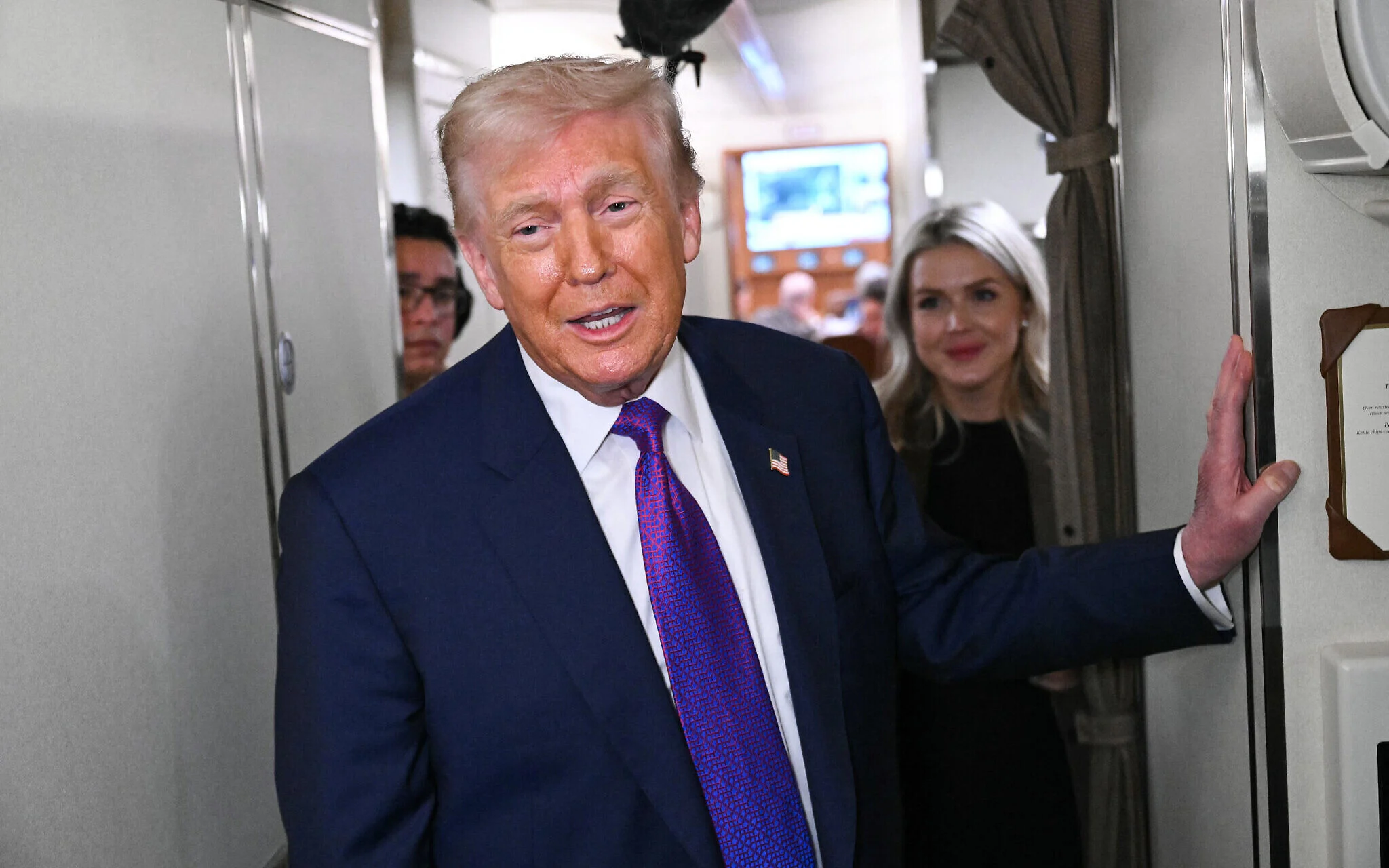





Trump saying Iran better negotiate a fair deal is important because it signals potential shifts in US foreign policy and could lead to conflict or economic changes, and the inherent tension in US-Iran relations will make people want to read more.
Trump's Iran ultimatum with 19 major sources signals imminent military/diplomatic escalation that directly affects US foreign policy, military spending, and potentially gas prices. High source count confirms this is THE breaking story today with concrete consequences.
Trump's ultimatum to Iran amid US military buildup has direct implications for American safety and potential gas price spikes; the tension and surprise of escalating international conflict make it engaging, as it could lead to real-world actions like preparing for higher costs or voting on foreign policy.
Trump's public ultimatum to Iran—'negotiate a fair deal'—comes as U.S. warships mass nearby; markets and gas prices swing on any hint of war, so Americans will click to see if their commute is about to get pricier.
President Trump has given Iran 10 days to reach a nuclear deal with the United States or face military strikes. "We're either going to get a deal, or it's going to be unfortunate for them," Trump told reporters aboard Air Force One on Thursday. When asked by ABC News what would happen if Iran refuses, Trump said: "Really bad things."
On Friday, Trump confirmed he is actively considering a limited military strike to force Iran to the negotiating table. "I guess I can say I am considering that," he said when asked directly about the possibility.
The Trump administration is backing up its demands with military deployment. The U.S. has deployed two aircraft carriers and hundreds of fighter jets to the Middle East, a military presence described by officials as the largest in the region since the 2003 Iraq war. A senior White House official told Axios on background that the administration estimates a 90 percent chance of military action within weeks.
Oil prices have already responded to the threat. Crude held near a six-month high as markets priced in the risk of conflict disrupting global energy supplies.
Iran's foreign minister Abbas Araghchi responded that a draft nuclear deal could be ready within days following negotiations in Geneva earlier this week. He also stated the U.S. buildup is "unnecessary and unhelpful" and that the U.S. has not even asked for zero uranium enrichment in talks, suggesting room for compromise.
House Democrats will try next week to force a non-binding procedural vote urging the president to seek congressional authorization before any strike. Rep. Thomas Massie is the only House Republican who has publicly committed to supporting the resolution. Most Republicans, including Rep. Don Bacon (who backed a similar effort on Venezuela), plan to vote against it.
House Speaker Mike Johnson can afford to lose only two members and still defeat the resolution. In the Senate, Senators Tim Kaine and Rand Paul introduced a war powers resolution in late January, but there is little momentum to vote before military action begins.
Pentagon and energy-market analysts warn that any new strikes could escalate into a prolonged conflict far beyond the limited 2020 Soleimani strike. For Americans, that means potential spikes in gas prices and a broader military commitment in the Middle East with no clear exit strategy. Supporters of military action argue that pressure could prevent Iranian nuclear development and deter regional aggression.
The next 10 days will determine whether diplomacy or military force defines U.S.-Iran relations for years to come.
Cross-referenced to ensure accuracy