Trump Masses Warships in Mediterranean, Weighs Iran Strike Options
Revised after bias review
 Council News





Trump threatening strikes on Iran as more warships enter the Mediterranean raises geopolitical tensions and the potential for military conflict, which is a significant concern for national security and something people will want to follow.
Trump threatening Iran strikes as military buildup accelerates is significant geopolitical news with 7 sources. This affects oil prices, military spending, and potential conflict escalation—issues that impact Americans' wallets and security.
Trump's threats of military action against Iran as U.S. warships enter the Mediterranean could escalate tensions, impacting national security and foreign relations, which is vital for citizens to understand.
Trump's threats of strikes on Iran could escalate into broader conflict, impacting U.S. security and oil prices; the inherent tension and surprise in potential war decisions would draw readers eager for updates on America's role.
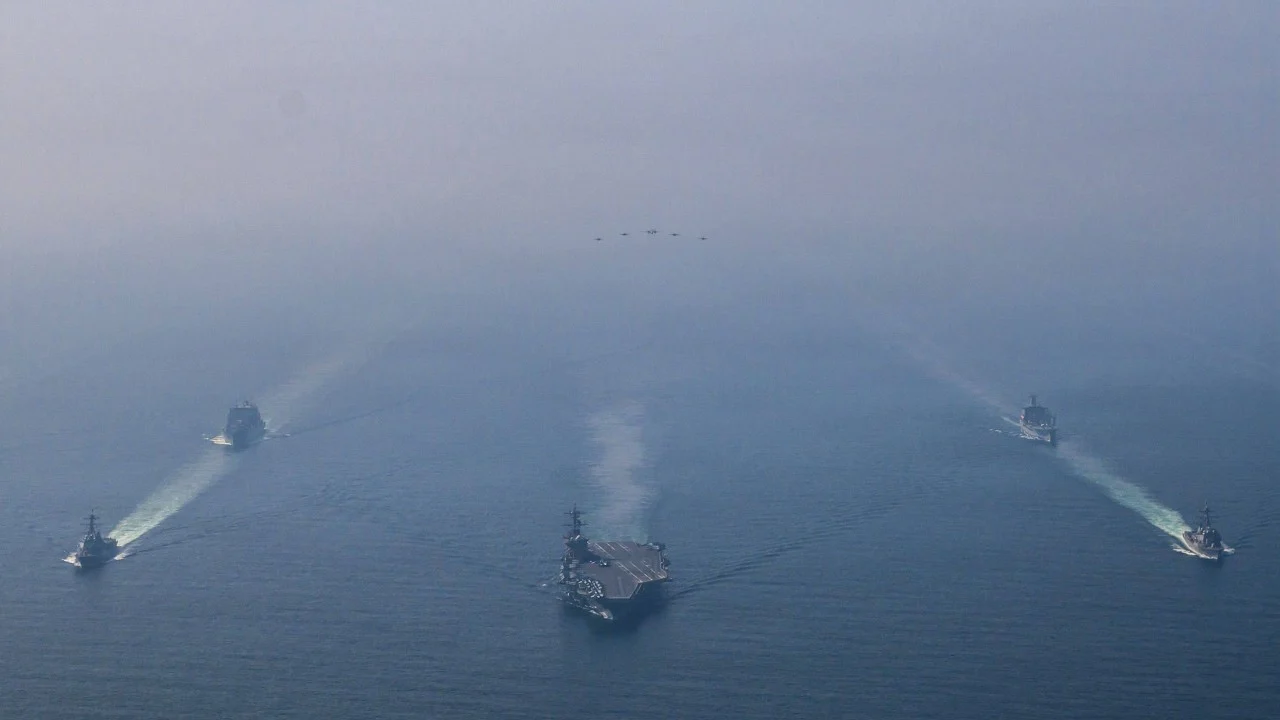
President Trump warned Friday that limited strikes on Iran are possible as he pressures the country to dismantle its nuclear program. The USS Gerald Ford aircraft carrier and three additional warships entered the Mediterranean Sea on Friday, joining a second carrier already positioned in the region. Hundreds of warplanes are now staged across the Middle East, indicating readiness for a major operation.
Trump has been presented with military options that include killing Supreme Leader Ali Khamenei and his son, according to Axios. Yet the president still hasn't made up his mind about how to proceed. Two aircraft carriers, advanced weaponry, and hundreds of jets have been positioned in the region as Trump pressures Iran. The military buildup is intended to pressure Tehran, though Trump has not yet decided whether to use force.
Senator Lindsey Graham told Axios on Saturday that he believes people around Trump are advising him not to bomb Iran. Graham visited the Middle East this week to discuss Iran with leaders of Israel, the UAE, and Saudi Arabia. He is pushing the president to ignore the cautious voices.
"I understand concerns about major military operations in the Middle East given past entanglements," Graham said. "However, the voices who counsel against getting entangled seem to ignore the consequences of letting evil go unchecked."
Some advisers in Trump's inner circle are urging him to hold off on strikes and instead keep leveraging the military threat to extract concessions. Some national-security aides have privately questioned whether regime change in Iran is achievable or advisable. Trump's advisers remain divided on the best course of action.
The U.S. and Iran resumed Oman-mediated talks in Geneva this week aimed at averting military action. In a Fox News interview aired Saturday, U.S. envoy Steve Witkoff said Trump is questioning why Iran has not "capitulated."
A senior Trump official told Axios the U.S. would consider an Iranian proposal that includes some uranium enrichment, described as "token," if it ensures there is no path to a bomb. The U.S. has indicated willingness to consider an Iranian proposal on uranium enrichment as talks continue in Geneva.
A military strike could disrupt global energy markets and draw the U.S. into prolonged conflict, according to analysts. Graham visited the region this week and has publicly urged Trump to ignore cautious advisers and authorize strikes. But the presence of cautious voices inside the administration means the outcome remains uncertain.
Cross-referenced to ensure accuracy