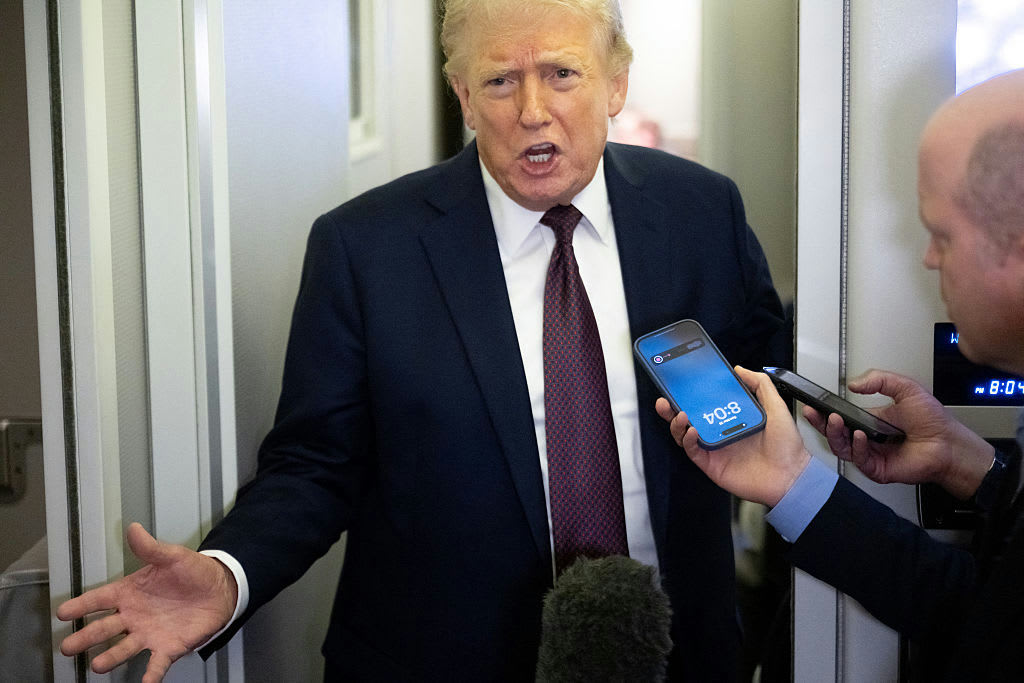
President Trump announced Thursday he will sign an executive order directing Department of Homeland Security Secretary Markwayne Mullin to immediately pay Transportation Security Administration officers, circumventing Congress as a 41-day partial government shutdown continues. Trump posted on Truth Social that he would take the action to "address this Emergency Situation, and to quickly stop the Democrat Chaos at the Airports," adding, "It is not an easy thing to do, but I am going to do it!"
The move comes as Senate Majority Leader John Thune conveyed what he called Republicans' "last and final" offer to Democrats to end the impasse. The announcement effectively removes the primary pressure point that had kept negotiations alive, as TSA staffing shortages have created the most visible disruption to travelers and the economy.
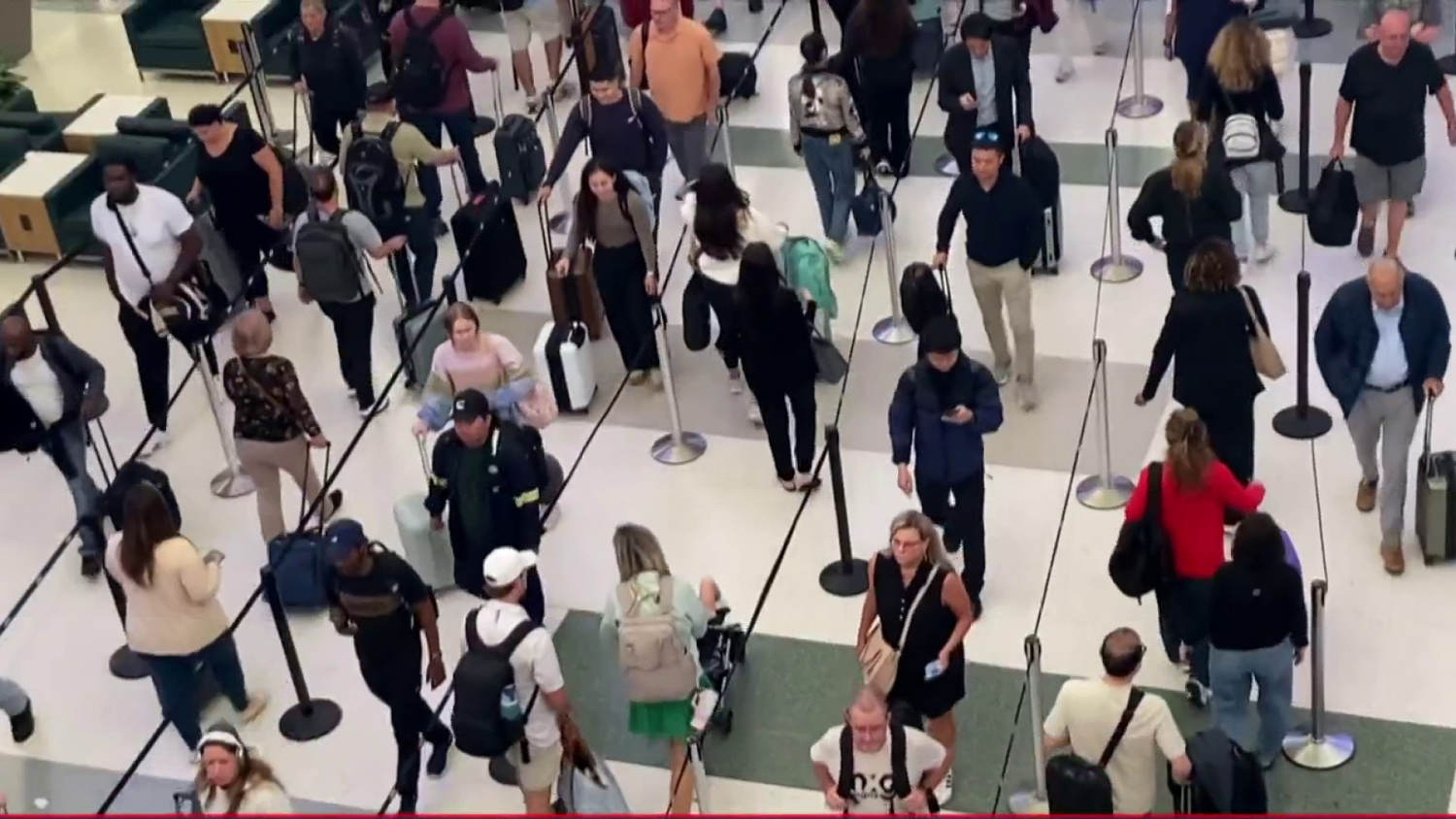
At multiple airports, callout rates have exceeded 40%, forcing hours-long security lines. Nearly 500 of the agency's approximately 50,000 officers have quit during the shutdown.
At George Bush Intercontinental Airport in Houston, passenger Melissa Gates said she would not make her flight to Baton Rouge after waiting more than 2½ hours without reaching the security checkpoint. She said no other flights were available until Friday.
TSA officials have warned that smaller airports might need to close if the shutdown continues. Airlines for America CEO Chris Sununu said the situation is "very, very real for these families and these individuals," noting that even if Congress reaches a deal immediately, backpay would not arrive until late next week or early the following week.
A senior administration official told CBS News the Trump administration plans to use funding from last summer's One Big Beautiful Bill Act to pay TSA officers, though it remains unclear which provision of the law will be used. The law included tens of billions of dollars for various DHS functions, including immigration enforcement, security for the 2026 FIFA World Cup and 2028 Olympics, state grants, and protection for the president's residences.
It is unclear under what legal authority Trump is issuing the order. Congress holds the "power of the purse," meaning lawmakers generally direct how federal funding is used. The Trump administration also rejected a proposal from billionaire Elon Musk to pay TSA workers due to legal concerns stemming from Musk's various government contracts.
Senate Appropriations Committee Chairwoman Susan Collins, a Maine Republican, said there was funding elsewhere that could legally pay TSA and the Coast Guard without declaring a national emergency. Senate Republican Whip John Barrasso said, "The TSA agents are going to be paid."
The Senate has failed seven times to advance DHS funding, most recently in a 53-47 vote Thursday that fell short of the 60 votes needed. Only Democratic Senator John Fetterman of Pennsylvania voted with Republicans to advance the measure.
They are demanding that federal agents wear identification, remove their face masks, and refrain from conducting raids around schools, churches and other sensitive places. Democrats have also pushed for an end to administrative warrants, insisting that judges sign off before agents search people's homes or private spaces.
Independent Senator Angus King of Maine outlined that under the GOP offer, ICE's Enforcement and Removal Operations division would be stripped from broader DHS funding, though Homeland Security Investigations and Customs and Border Protection would continue. King called this "an illusory solution," arguing that ICE could simply redeploy personnel from other divisions to conduct enforcement work.
Democratic Senator Brian Schatz of Hawaii told reporters, "Our legislative director is literally meeting and passing paper back and forth as we speak. It's just not true that we're not in negotiation." Democratic Senator Andy Kim of New Jersey said the Republican offer "is not where we want it to be."
Trump has deployed Immigration and Customs Enforcement agents to major airports to help manage long lines. ICE agents have been authorized to guard entrances and exits, assist with logistics, conduct crowd control, and verify identification using TSA equipment. White House border czar Tom Homan stated on Fox News that the agents would "arrest criminals going through the airport" and "look for human trafficking, sex trafficking, money smuggling."
According to Theresa Brown, a non-resident immigration law and policy fellow at Cornell Law School, ICE agents are authorized to question anyone they have "reasonable suspicion" to believe might be undocumented, detain and prosecute people living in the country illegally, and deport them. As federal law enforcement officers, they can also arrest people under any existing criminal statute when they witness a crime.
Hiroshi Motomura, co-director of UCLA's Center for Immigration Law and Policy, warned that these developments represent a transformation of ICE into "a police force that operates under more aggressive rules that are traditionally lawful and accepted only at the border (not inside the USA) and operates under a separate (very ample) budget." Congress allocated a separate $75 billion to ICE last summer, insulating the agency from the current shutdown.
The House has passed legislation to fund DHS through September three times, most recently Thursday in a 218-206 vote with four Democrats crossing the aisle. House Speaker Mike Johnson did not commit to putting any potential Senate deal that separates ICE funding from broader DHS funding on the floor, saying, "We'll have to see."
Senate Majority Leader Thune told Republican senators Thursday night they need to "work together to ensure that DHS, including ICE and Border Patrol, is funded in a sustainable manner for the rest of the year." He also noted that Republicans could pursue funding through a reconciliation bill requiring only a simple majority in the Senate, though such a bill could include up to $200 billion for the Pentagon tied to Iran and face a perilous path in both chambers.
Thune said Trump's executive order "takes the immediate pressure off" as the Senate continues searching for a path forward, but acknowledged it is a "short-term solution." The Senate is scheduled to begin a two-week recess next week, though Thune has kept the door open to keeping the chamber in town if negotiations continue.
President Trump announced Thursday he will sign an executive order directing Department of Homeland Security Secretary Markwayne Mullin to immediately pay Transportation Security Administration officers, circumventing Congress as a 41-day partial government shutdown continues. Trump posted on Truth Social that he would take the action to "address this Emergency Situation, and to quickly stop the Democrat Chaos at the Airports," adding, "It is not an easy thing to do, but I am going to do it!"
The move comes as Senate Majority Leader John Thune conveyed what he called Republicans' "last and final" offer to Democrats to end the impasse. The announcement effectively removes the primary pressure point that had kept negotiations alive, as TSA staffing shortages have created the most visible disruption to travelers and the economy.
TSA officers were set to miss their second full paycheck Friday after more than 40 days without pay. More than 11% of TSA employees on the schedule missed work on Wednesday, amounting to more than 3,120 callouts nationwide. At multiple airports, callout rates have exceeded 40%, forcing hours-long security lines. Nearly 500 of the agency's approximately 50,000 officers have quit during the shutdown.
At George Bush Intercontinental Airport in Houston, passenger Melissa Gates said she would not make her flight to Baton Rouge after waiting more than 2½ hours without reaching the security checkpoint. She said no other flights were available until Friday.
TSA officials have warned that smaller airports might need to close if the shutdown continues. Airlines for America CEO Chris Sununu said the situation is "very, very real for these families and these individuals," noting that even if Congress reaches a deal immediately, backpay would not arrive until late next week or early the following week.
A senior administration official told CBS News the Trump administration plans to use funding from last summer's One Big Beautiful Bill Act to pay TSA officers, though it remains unclear which provision of the law will be used. The law included tens of billions of dollars for various DHS functions, including immigration enforcement, security for the 2026 FIFA World Cup and 2028 Olympics, state grants, and protection for the president's residences.
It is unclear under what legal authority Trump is issuing the order. Congress holds the "power of the purse," meaning lawmakers generally direct how federal funding is used. During last fall's government shutdown, Trump's administration shifted approximately $8 billion from the Pentagon's research, development and testing budget to pay military service members. The Trump administration also rejected a proposal from billionaire Elon Musk to pay TSA workers due to legal concerns stemming from Musk's various government contracts.
Senate Appropriations Committee Chairwoman Susan Collins, a Maine Republican, said there was funding elsewhere that could legally pay TSA and the Coast Guard without declaring a national emergency. Senate Republican Whip John Barrasso said, "The TSA agents are going to be paid."
The Senate has failed seven times to advance DHS funding, most recently in a 53-47 vote Thursday that fell short of the 60 votes needed. Only Democratic Senator John Fetterman of Pennsylvania voted with Republicans to advance the measure.
Democrats have refused to fund DHS without changes to rein in Trump's immigration enforcement operations. They are demanding that federal agents wear identification, remove their face masks, and refrain from conducting raids around schools, churches and other sensitive places. Democrats have also pushed for an end to administrative warrants, insisting that judges sign off before agents search people's homes or private spaces.
These demands stem partly from deaths of two Americans protesting immigration enforcement actions in Minneapolis. Independent Senator Angus King of Maine outlined that under the GOP offer, ICE's Enforcement and Removal Operations division would be stripped from broader DHS funding, though Homeland Security Investigations and Customs and Border Protection would continue. King called this "an illusory solution," arguing that ICE could simply redeploy personnel from other divisions to conduct enforcement work.
Democratic Senator Brian Schatz of Hawaii told reporters, "Our legislative director is literally meeting and passing paper back and forth as we speak. It's just not true that we're not in negotiation." Democratic Senator Andy Kim of New Jersey said the Republican offer "is not where we want it to be."
Trump has deployed Immigration and Customs Enforcement agents to major airports to help manage long lines. ICE agents have been authorized to guard entrances and exits, assist with logistics, conduct crowd control, and verify identification using TSA equipment. White House border czar Tom Homan stated on Fox News that the agents would "arrest criminals going through the airport" and "look for human trafficking, sex trafficking, money smuggling."
According to Theresa Brown, a non-resident immigration law and policy fellow at Cornell Law School, ICE agents are authorized to question anyone they have "reasonable suspicion" to believe might be undocumented, detain and prosecute people living in the country illegally, and deport them. As federal law enforcement officers, they can also arrest people under any existing criminal statute when they witness a crime.
Hiroshi Motomura, co-director of UCLA's Center for Immigration Law and Policy, warned that these developments represent a transformation of ICE into "a police force that operates under more aggressive rules that are traditionally lawful and accepted only at the border (not inside the USA) and operates under a separate (very ample) budget." Congress allocated a separate $75 billion to ICE last summer, insulating the agency from the current shutdown.
The House has passed legislation to fund DHS through September three times, most recently Thursday in a 218-206 vote with four Democrats crossing the aisle. House Speaker Mike Johnson did not commit to putting any potential Senate deal that separates ICE funding from broader DHS funding on the floor, saying, "We'll have to see."
Senate Majority Leader Thune told Republican senators Thursday night they need to "work together to ensure that DHS, including ICE and Border Patrol, is funded in a sustainable manner for the rest of the year." He also noted that Republicans could pursue funding through a reconciliation bill requiring only a simple majority in the Senate, though such a bill could include up to $200 billion for the Pentagon tied to Iran and face a perilous path in both chambers.
Thune said Trump's executive order "takes the immediate pressure off" as the Senate continues searching for a path forward, but acknowledged it is a "short-term solution." The Senate is scheduled to begin a two-week recess next week, though Thune has kept the door open to keeping the chamber in town if negotiations continue.
Highlighted text was flagged by the council. Tap to see feedback.