Trump Removes Vietnam From Restricted List, Reshaping Asia Trade Strategy
Revised after bias review
 Council News
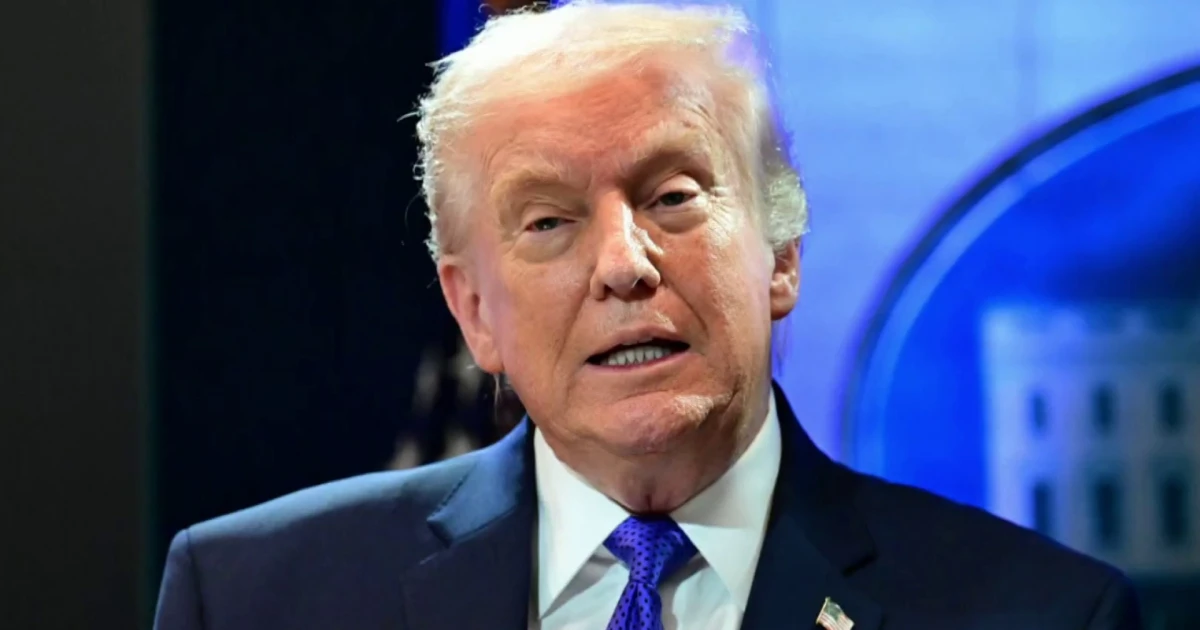





Trump-Vietnam trade deal (6 sources) signals major shift in Asia strategy with tariff implications and supply chain consequences for US consumers. Readers care about which countries get favorable treatment and why.
Trump's meeting with Vietnam's leader and vow to remove trade restrictions could lower costs on imports like electronics and clothing, benefiting American consumers and jobs; the surprise element of easing restrictions creates reader interest in potential economic gains.
President Trump met with Vietnam's leader and said he would work to remove Vietnam from restricted trade lists. The move could affect prices on electronics, clothing, and other consumer goods as trade barriers between the two countries shift.
The decision marks Trump's action on global trade relationships through tariff policy. It comes just days after the Supreme Court ruled that Trump exceeded his authority when he enacted sweeping tariffs on nearly every U.S. trading partner. That court decision comes as Trump recalibrates his approach to trade enforcement.
Removing Vietnam from the Commerce Department's restricted trade list would reduce licensing hurdles on specified categories of goods. Importers say they will review supply-chain options, though any price effects remain uncertain. The shift also signals which countries may receive favorable treatment, a calculation that matters to many American households watching their grocery and clothing bills.
Vietnam has become an important manufacturing hub, particularly for electronics and textiles. The administration has not detailed how it will address potential job impacts in competing U.S. sectors.
The Vietnam announcement came days after the Supreme Court constrained Trump's tariff authority. Trump has not publicly stated whether the two decisions are related. Trump appears to be selectively removing barriers for some partners while broader tariff policy remains under review.
This approach enables Trump to continue reshaping trade policy while complying with the court's ruling. Vietnam's removal from restricted lists could indicate a strategic partnership, even as tensions persist with other major trading partners.
The implementation of removing Vietnam from restricted lists will require federal agencies to update trade regulations and tariff schedules. Importers and retailers will need time to adjust their supply chains to take advantage of the new access. Consumers may see price effects only after agencies finalize tariff changes and importers adjust pricing.
The Vietnam decision may signal a shift in Trump's trade approach toward selective removal of restrictions for certain partners, though the administration has not formally outlined a comprehensive new trade strategy.
Cross-referenced to ensure accuracy