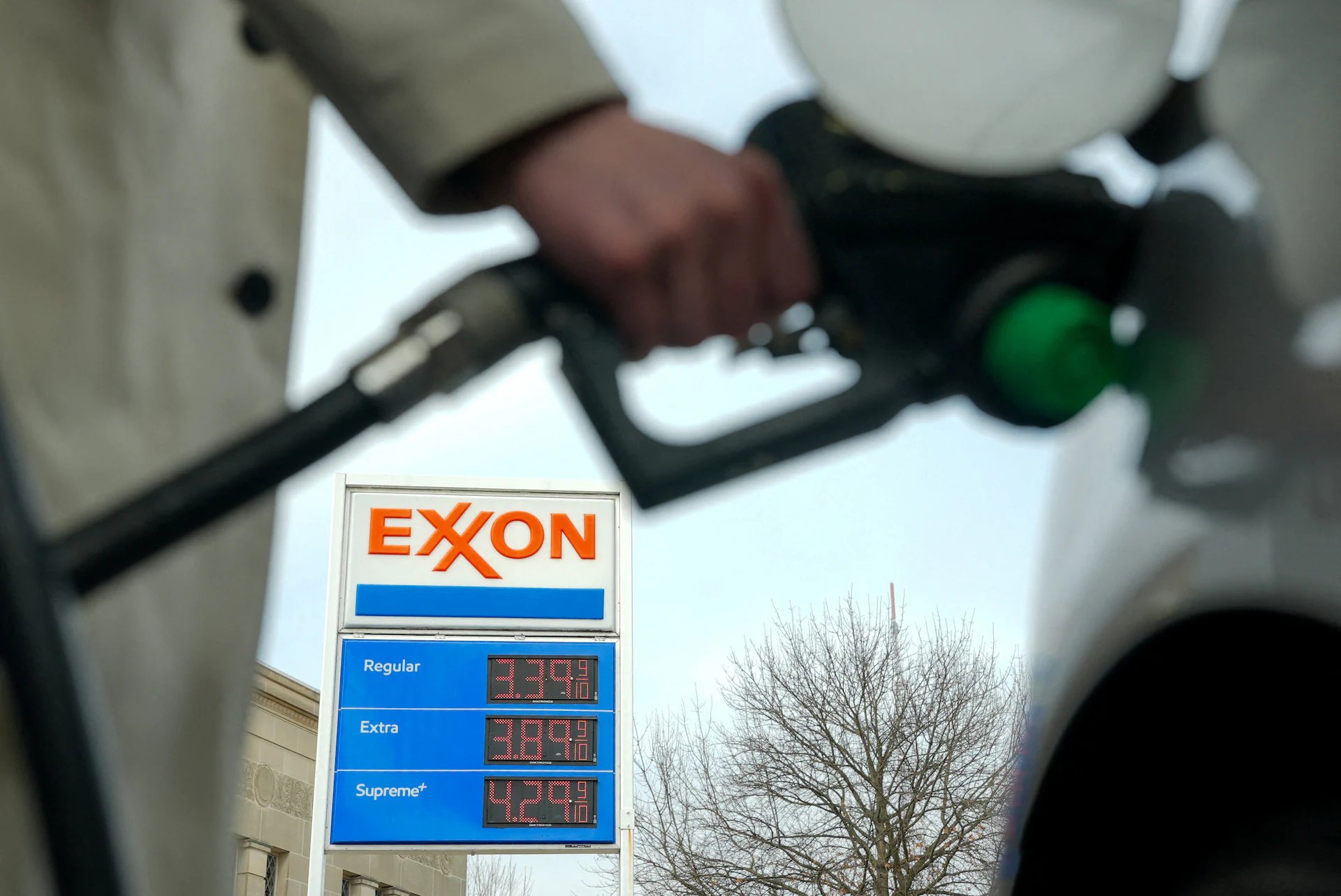
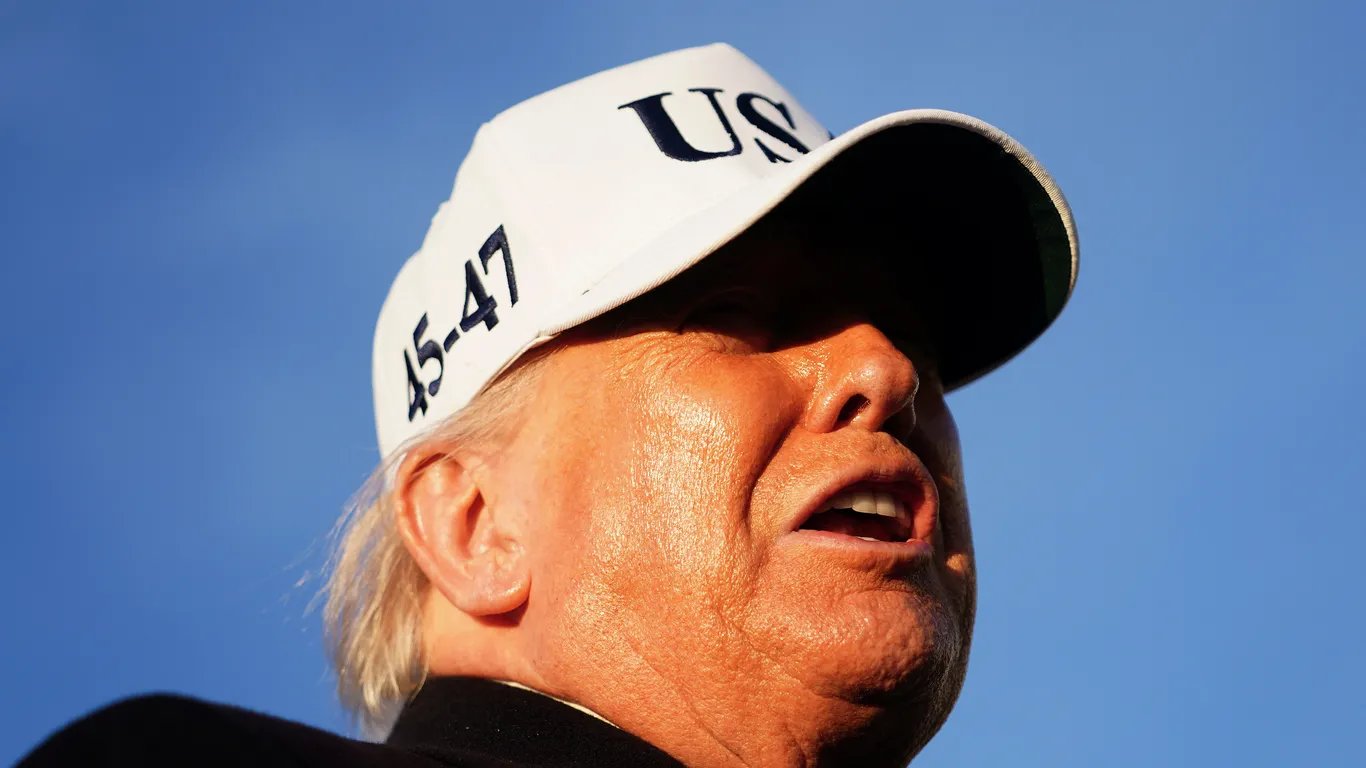
The U.S. Treasury authorized buyers to purchase Iranian oil already at sea, exempting them from sanctions that have curtailed Iran's oil industry. This move allows oil loaded by 12:01 a.m. ET on Friday to be sold, with the authorization running until April 19.
Treasury Secretary Scott Bessent stated the decision would free up around 140 million barrels of oil that otherwise would have been "hoarded by China on the cheap." In his statement, Bessent described it as a way to "expand the amount of worldwide energy and help relieve the temporary pressures on supply caused by Iran." The waiver applies only to oil in transit and excludes regions like North Korea and Cuba.
The Trump administration aims to stabilize energy markets amid tensions, including slowed ship traffic through the Strait of Hormuz. Last week, the U.S. also approved the purchase of Russian oil at sea for one month, showing a pattern of short-term adjustments.
The waiver will add approximately 140 million barrels of crude to global markets, according to Treasury Secretary Scott Bessent. This oil, already en route, could reach Asia within days and enter circulation after refining, potentially easing supply shortages. Oil prices, which have climbed above $100 a barrel, directly influence fuel expenses for commuters and businesses.
Bessent argued that Iran will struggle to access revenue from these sales, maintaining pressure on Tehran's finances. The move benefits major buyers like China, the largest importer of Iranian oil, by unlocking existing stockpiles. However, energy analysts such as Brent Erickson from Obsidian Risk Advisors warn that the impact may be limited until the Strait of Hormuz reopens fully.
President Trump has explored other strategies, including releasing 172 million barrels from the Strategic Petroleum Reserve. Foreign ships can now move oil between U.S. ports, adding to efforts against price hikes. Despite these steps, prices remain near multiyear highs, affecting industries from transportation to manufacturing.
Treasury Secretary Scott Bessent insisted the waiver is a "narrowly tailored, short-term authorization" that prevents new Iranian oil production. He said in a statement that "we will be using the Iranian barrels against Tehran to keep the price down as we continue Operation Epic Fury." This approach ensures Iran gains little from the sales while addressing global supply issues.
Bessent emphasized that the U.S. will block Iran's access to international funds from these transactions. The administration views this as part of ongoing efforts to counter Iranian influence, including strikes on targets like Kharg Island. Trump mentioned on Truth Social that other nations should assist with Hormuz security, reducing U.S. involvement.
Critics worry the policy might inadvertently fund Iran's war effort, but Bessent countered that the authorization is strictly limited to oil already in transit and does not allow new purchases or production. The 30-day limit keeps the measure temporary, avoiding long-term shifts in sanctions. This balance could prevent broader economic fallout for American consumers facing higher energy bills.
Senate Minority Leader Chuck Schumer and other Democrats criticized the administration for potentially aiding adversaries like Iran and Russia. In a joint statement, they argued that loosening sanctions could provide a financial boost to leaders such as Vladimir Putin amid conflicts. The Democrats' concerns highlight risks of the policy extending beyond oil markets.
The Trump administration's decision follows similar easing for Russian oil, drawing fire for undermining pressure campaigns. Schumer specifically noted that higher global energy prices might prolong wars, including in Ukraine. These objections underscore partisan divides on foreign policy tools.
Despite the backlash, the administration defends the moves as necessary for domestic stability. Trump has ordered military actions, such as strikes on Kharg Island, to maintain leverage. This tension between economic needs and security could shape future policy decisions affecting international trade.
The surge in oil prices has disrupted daily life, with commuters facing steeper gas costs and businesses dealing with elevated shipping fees. Iran has allowed its own oil exports to make their way through the Strait of Hormuz. These changes might force families to cut back on expenses, linking foreign policy to everyday finances.
President Trump threatened further strikes on oil targets if Iran continues interference, potentially escalating conflicts. Japan, which relies on the strait for 90% of its oil, has begun talks with Iran to secure passages for its vessels. Such developments could lead to broader alliances reshaping energy security.
The U.S. Treasury authorized buyers to purchase Iranian oil already at sea, exempting them from sanctions that have curtailed Iran's oil industry. This move allows oil loaded by 12:01 a.m. ET on Friday to be sold, with the authorization running until April 19. Higher oil prices from the U.S. war with Iran could raise gas costs for drivers, affecting household budgets across the country.
Treasury Secretary Scott Bessent stated the decision would free up around 140 million barrels of oil that China had hoarded. In his statement, Bessent described it as a way to "expand the amount of worldwide energy and help relieve the temporary pressures on supply caused by Iran." The waiver applies only to oil in transit and excludes regions like North Korea and Cuba.
The Trump administration aims to stabilize energy markets amid tensions, including slowed ship traffic through the Strait of Hormuz. Last week, the U.S. also approved the purchase of Russian oil at sea for one month, showing a pattern of short-term adjustments. These actions could lower prices at the pump, giving consumers immediate relief from recent surges.
The waiver will add approximately 140 million barrels of crude to global markets, according to Treasury Secretary Scott Bessent. This oil, already en route, could reach Asia within days and enter circulation after refining, potentially easing supply shortages. Oil prices, which have climbed above $100 a barrel, directly influence fuel expenses for commuters and businesses.
Bessent argued that Iran will struggle to access revenue from these sales, maintaining pressure on Tehran's finances. The move benefits major buyers like China, the largest importer of Iranian oil, by unlocking existing stockpiles. However, energy analysts such as Brent Erickson from Obsidian Risk Advisors warn that the impact may be limited until the Strait of Hormuz reopens fully.
President Trump has explored other strategies, including releasing 172 million barrels from the Strategic Petroleum Reserve. Foreign ships can now move oil between U.S. ports, adding to efforts against price hikes. Despite these steps, prices remain near multiyear highs, affecting industries from transportation to manufacturing.
Treasury Secretary Scott Bessent insisted the waiver is a "narrowly tailored, short-term authorization" that prevents new Iranian oil production. He said in a statement that "we will be using the Iranian barrels against Tehran to keep the price down as we continue Operation Epic Fury." This approach ensures Iran gains little from the sales while addressing global supply issues.
Bessent emphasized that the U.S. will block Iran's access to international funds from these transactions. The administration views this as part of ongoing efforts to counter Iranian influence, including strikes on targets like Kharg Island. Trump mentioned on Truth Social that other nations should assist with Hormuz security, reducing U.S. involvement.
Critics worry the policy might inadvertently fund Iran's activities, but Bessent countered that no new purchases are allowed. The 30-day limit keeps the measure temporary, avoiding long-term shifts in sanctions. This balance could prevent broader economic fallout for American consumers facing higher energy bills.
Senate Minority Leader Chuck Schumer and other Democrats criticized the administration for potentially aiding adversaries like Iran and Russia. In a joint statement, they argued that loosening sanctions could provide a financial boost to leaders such as Vladimir Putin amid conflicts. The Democrats' concerns highlight risks of the policy extending beyond oil markets.
The Trump administration's decision follows similar easing for Russian oil, drawing fire for undermining pressure campaigns. Schumer specifically noted that higher global energy prices might prolong wars, including in Ukraine. These objections underscore partisan divides on foreign policy tools.
Despite the backlash, the administration defends the moves as necessary for domestic stability. Trump has ordered military actions, such as strikes on Kharg Island, to maintain leverage. This tension between economic needs and security could shape future policy decisions affecting international trade.
The surge in oil prices has disrupted daily life, with commuters facing steeper gas costs and businesses dealing with elevated shipping fees. Iran has allowed its own exports through the Strait of Hormuz while blocking others, amplifying global shortages. These changes might force families to cut back on expenses, linking foreign policy to everyday finances.
President Trump threatened further strikes on oil targets if Iran continues interference, potentially escalating conflicts. Japan, which relies on the strait for 90% of its oil, has begun talks with Iran to secure passages for its vessels. Such developments could lead to broader alliances reshaping energy security.
As a result, consumers may see lower prices in the coming weeks if the oil reaches markets, offering a tangible benefit amid uncertainty. This policy's outcome will determine whether short-term gains outweigh the risks of empowering rivals.
Highlighted text was flagged by the council. Tap to see feedback.