




The Imminent Deployment and Its Impact on Travelers
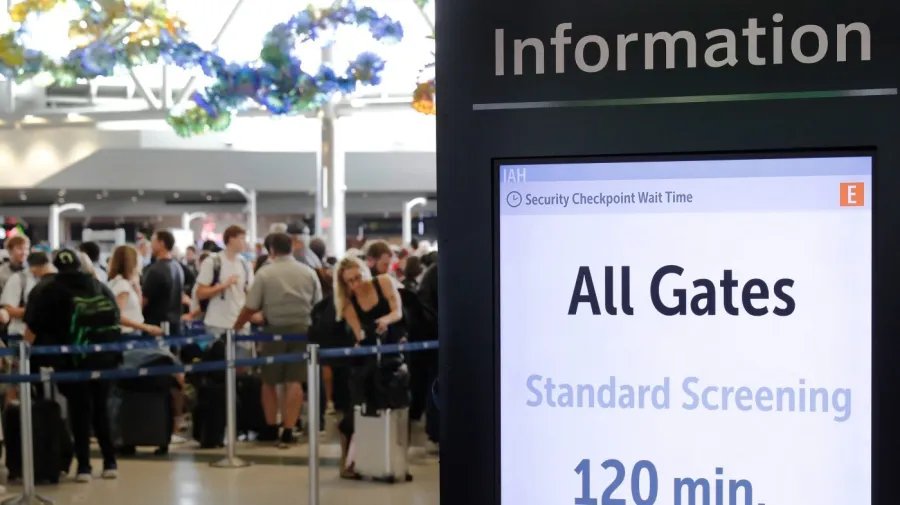
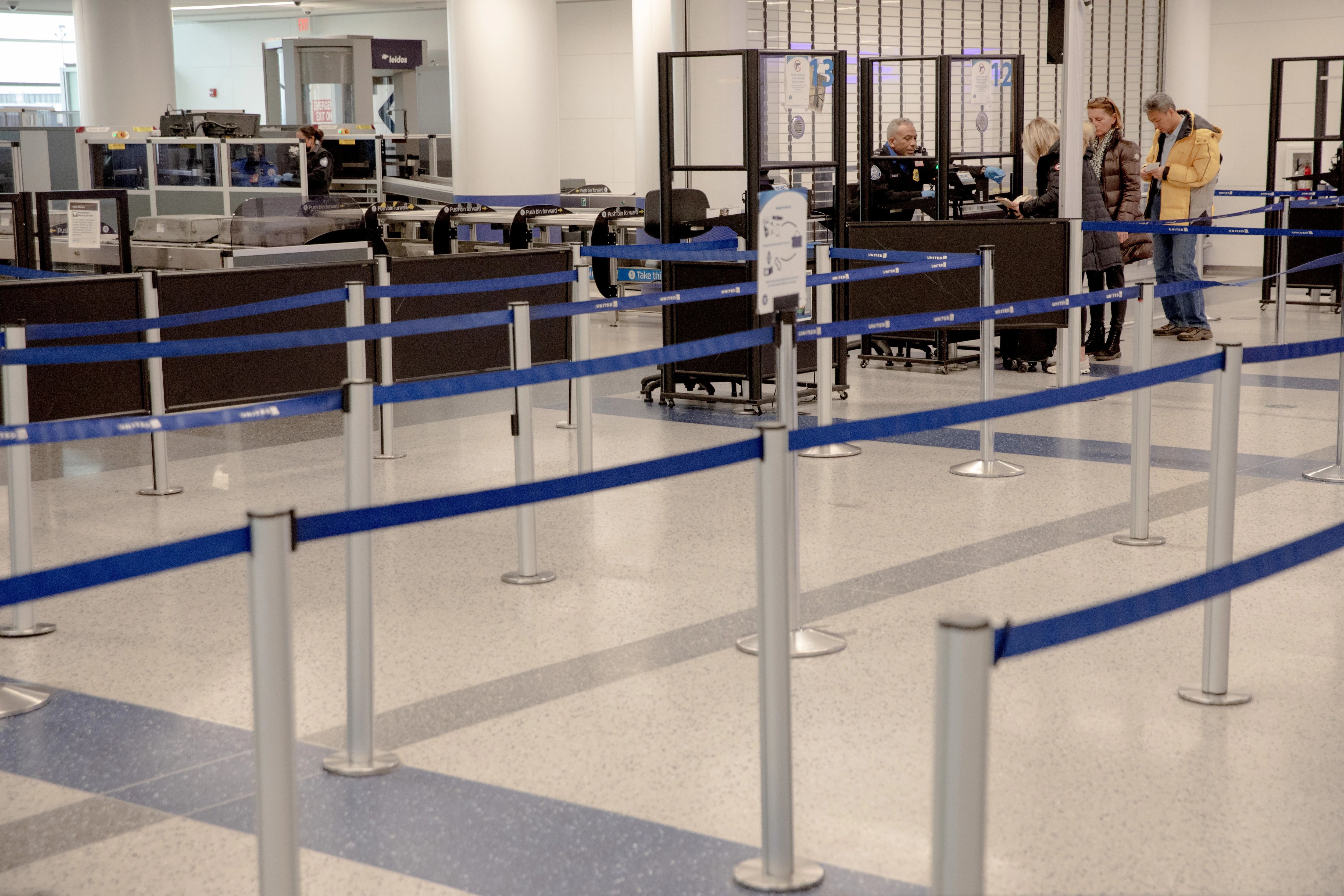
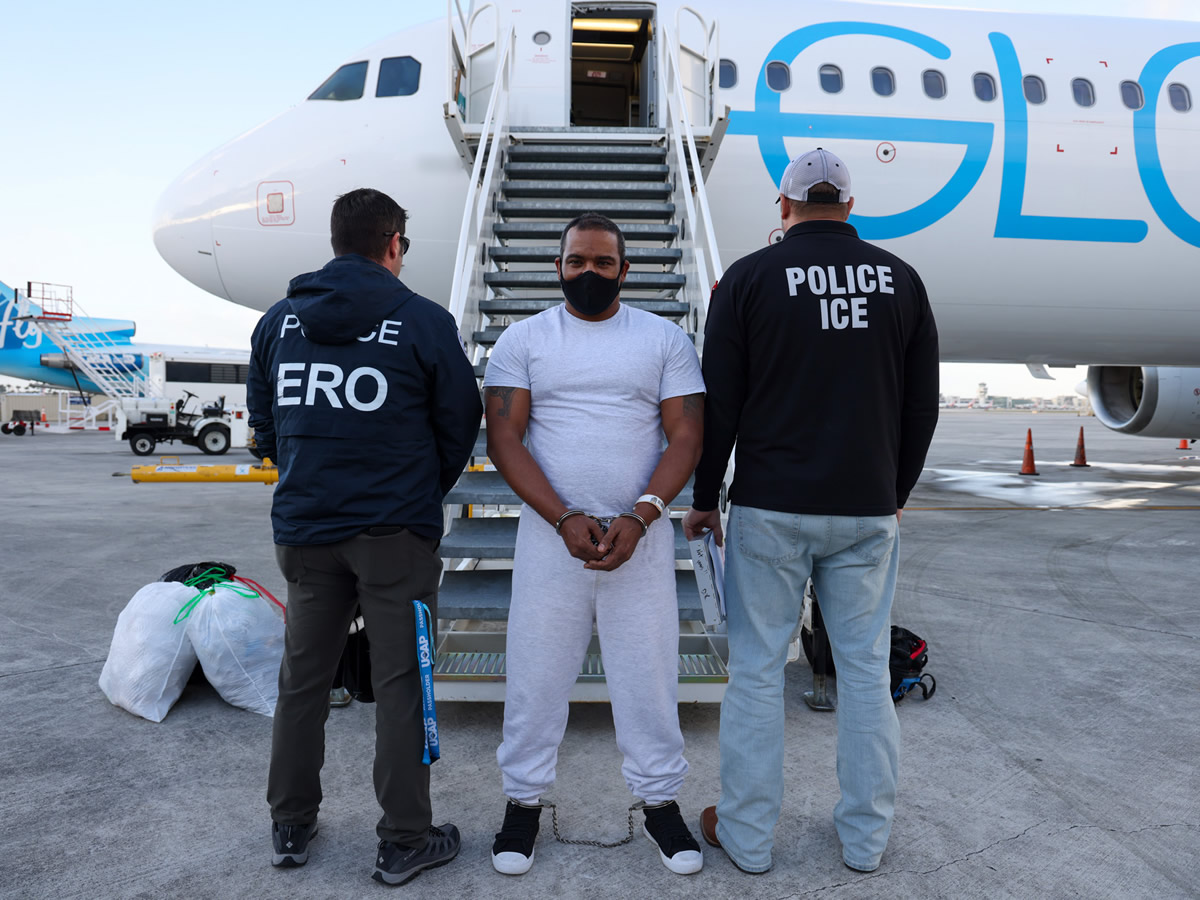
President Donald Trump announced on Saturday that he will deploy Immigration and Customs Enforcement (ICE) agents to U.S. airports on Monday if Democrats do not approve a funding bill for the Department of Homeland Security (DHS). This move could disrupt daily routines for millions of air travelers by shifting security responsibilities from the Transportation Security Administration (TSA) to ICE, which focuses on immigration enforcement.
The DHS Funding Standoff in Congress
Democrats blocked a DHS funding bill for the fifth time since the agency's partial shutdown began in mid-February, prompting Trump's response on Truth Social. Trump accused Democrats of blocking the bill. Democrats demanded reforms in ICE operations following recent clashes in Minneapolis that resulted in deaths, according to The Guardian. TSA workers face missing their second full paycheck next week due to this impasse, potentially causing more staff shortages and operational chaos at airports.
Trump's Specific Plans for ICE Operations
In his Truth Social post, Trump stated that ICE agents "will do Security like no one has ever seen before, including the immediate arrest of all Illegal Immigrants who have come into our country." Trump stated ICE would focus on "those from Somalia, who have totally destroyed, with the approval of a corrupt Governor, Attorney General, and Congresswoman, Ilhan Omar, the once Great State of Minnesota." This deployment represents a direct expansion of ICE's role, which has drawn past scrutiny for its immigration crackdowns under the Trump administration.
Democratic Demands and Potential Legal Hurdles
Democrats are demanding changes in immigration enforcement operations, including ICE, after recent clashes in Minneapolis resulted in the deaths of two protesters, Alex Pretti and Renee Good. Legal disputes exist over whether ICE has statutory authority to arrest non-U.S. citizens at airports without warrants. Under U.S. code 1357, ICE can make arrests near borders, but its reach inside the country remains contested.