




The Problem Trump Wants to Solve
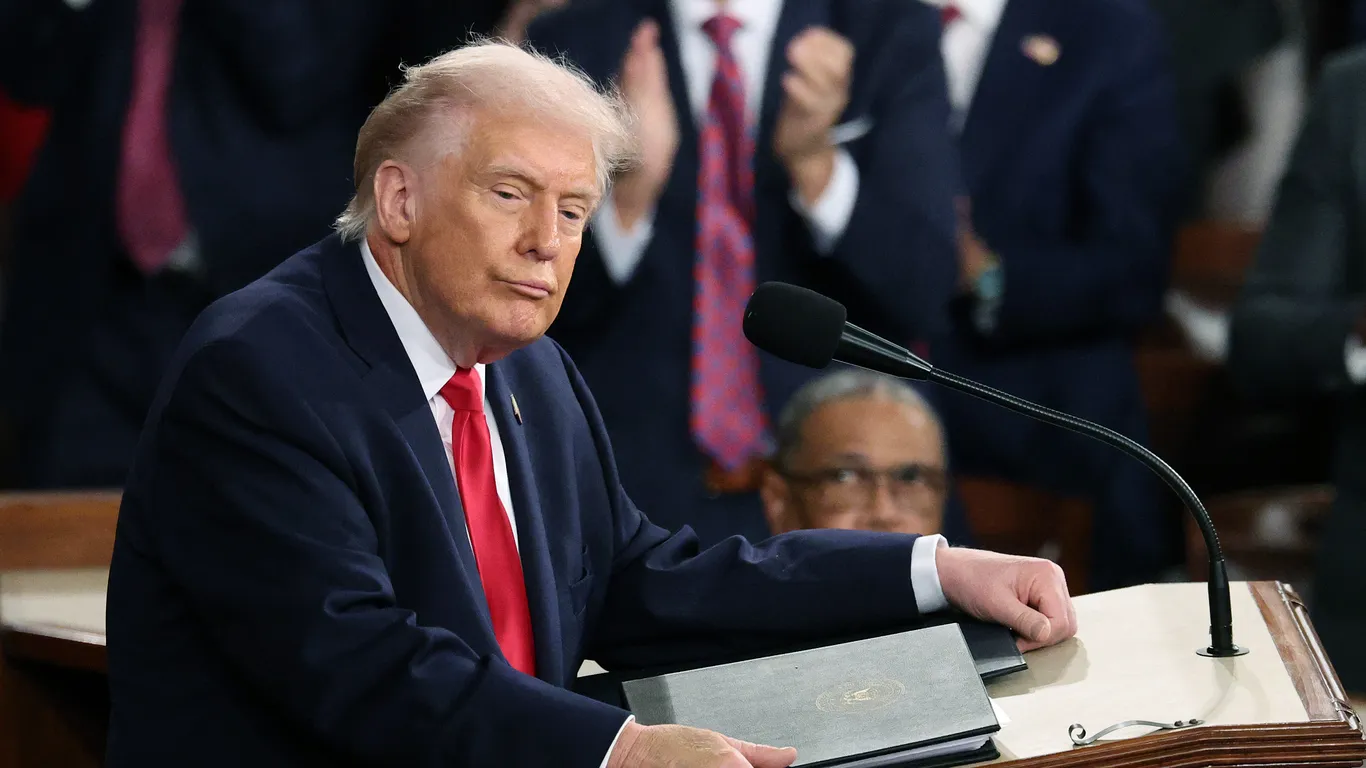
About 50 million American workers lack access to employer-sponsored retirement plans. They cannot contribute to a 401(k) through their job. They cannot get an employer match. They fall behind on retirement savings while their coworkers with company plans build nest eggs with tax breaks and employer matching contributions. Trump called this "the gross disparity" during his State of the Union address, according to Bloomberg, and announced a plan to address it.
What the New Plan Would Do
Trump's administration plans to create a new retirement savings option for workers whose employers don't offer a 401(k) or similar plan. The new accounts would be modeled after the Thrift Savings Plan, the low-fee retirement system available to federal workers. Federal employees have access to this plan, which charges minimal fees and offers a range of investment options. The new accounts would work the same way for private-sector workers who currently have no workplace retirement option at all.
The plan targets a real gap in American retirement security. Half the country has workplace retirement access. The other half does not. Workers without employer plans must open individual retirement accounts on their own, often paying higher fees and missing out on employer matching contributions that can add thousands of dollars to retirement savings over a career.
How It Could Happen
Treasury Secretary Scott Bessent told reporters Tuesday that lawmakers could use the budget reconciliation process to advance the proposal, The Hill reported. Reconciliation allows Congress to pass certain budget-related legislation with a simple majority in the Senate, bypassing the normal 60-vote threshold required to overcome a filibuster. This procedural path makes the plan more likely to pass without needing Democratic support.
What This Means for Your Retirement
If you work for a company without a 401(k), this plan could give you access to tax-advantaged retirement savings for the first time. Your contributions would reduce your taxable income. Your money would grow tax-free until you withdraw it in retirement. You would pay lower fees than many commercial retirement accounts charge.
The sources do not specify whether the plan would allow or exclude employer matching contributions, a key feature of traditional 401(k)s. But it removes the barrier that currently forces millions of workers to save for retirement entirely on their own, without tax advantages or professional management.
For the roughly 50 million workers without workplace retirement access, the next step depends on whether Congress acts. Treasury Secretary Bessent's comments suggest the administration may attempt to pass the plan through reconciliation using the Republican Senate majority.