





U.S.-Iran Ceasefire and Negotiations
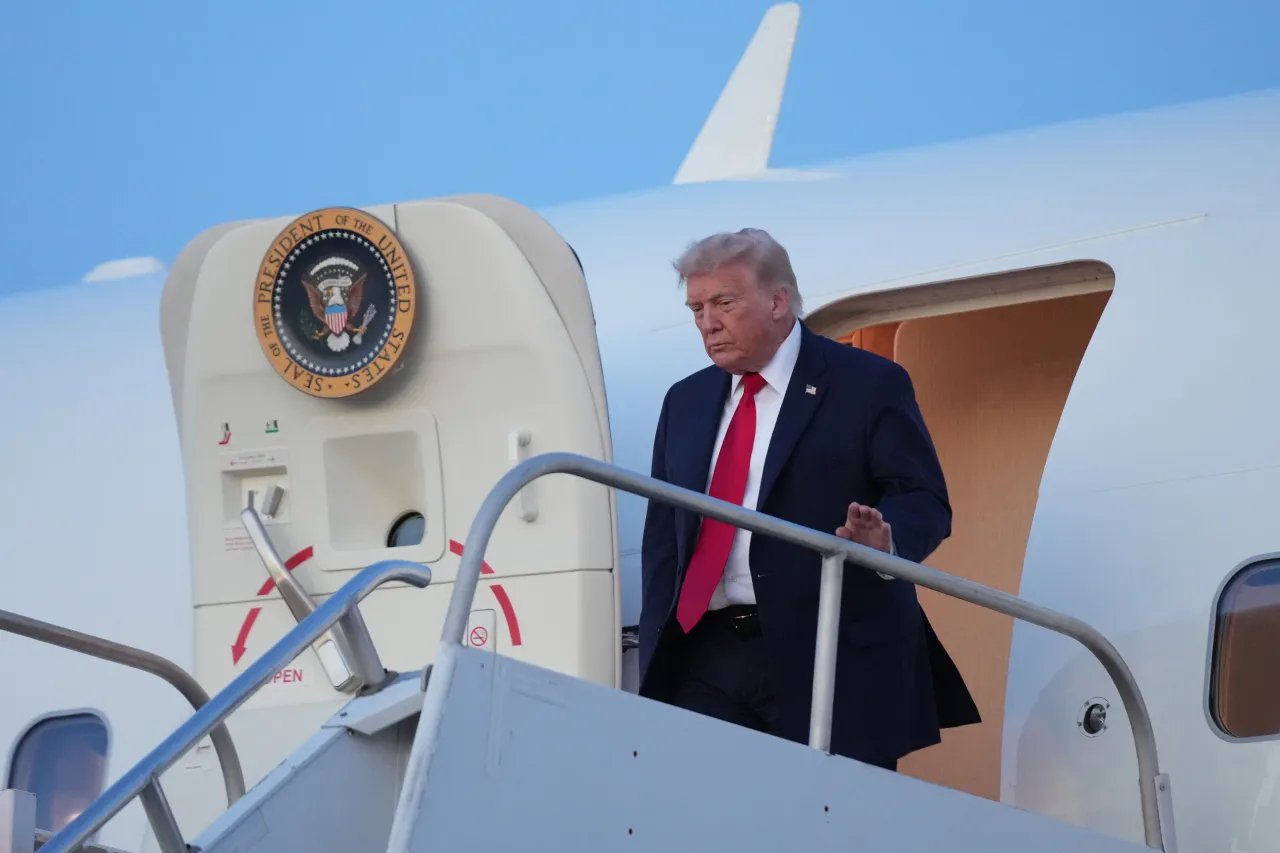
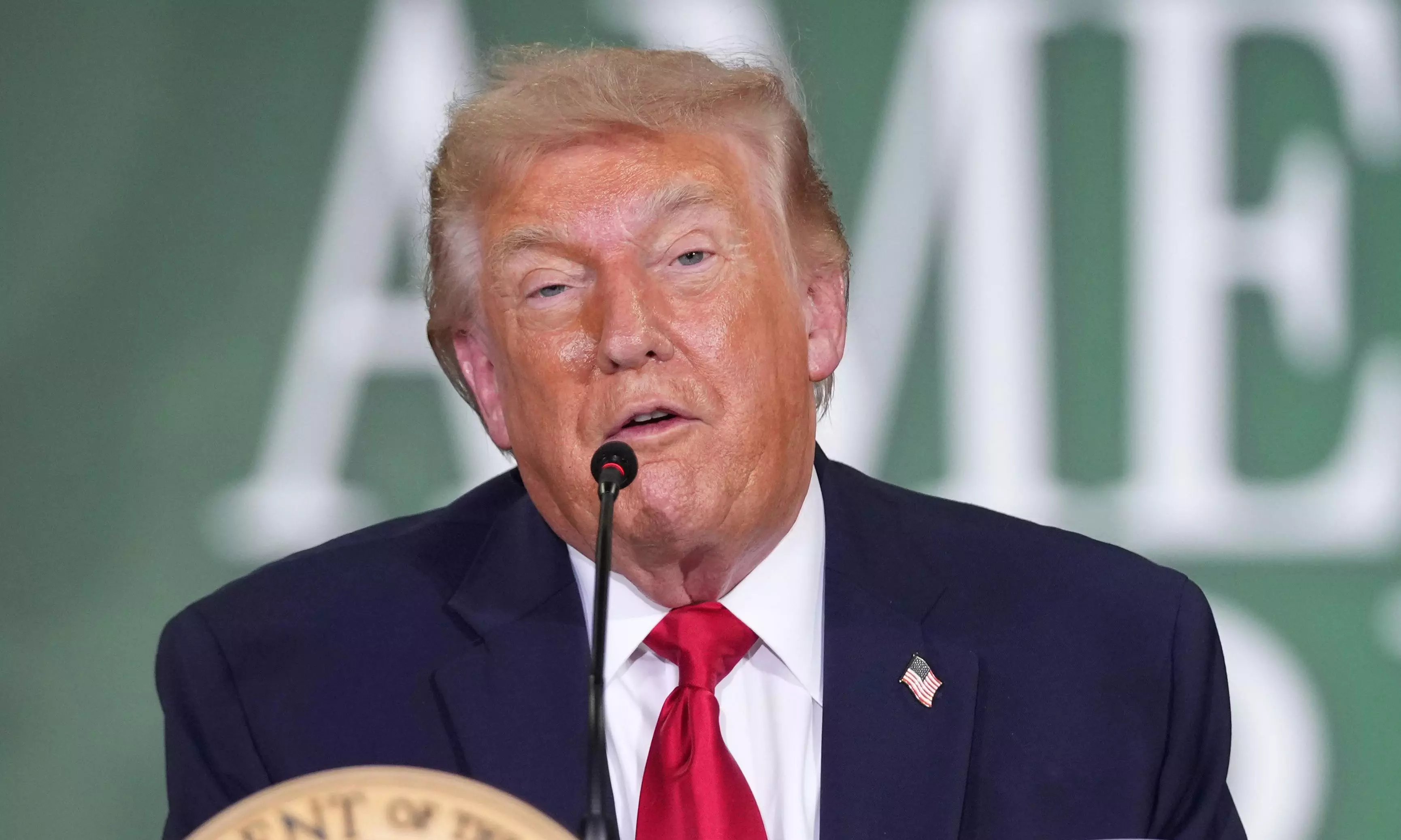
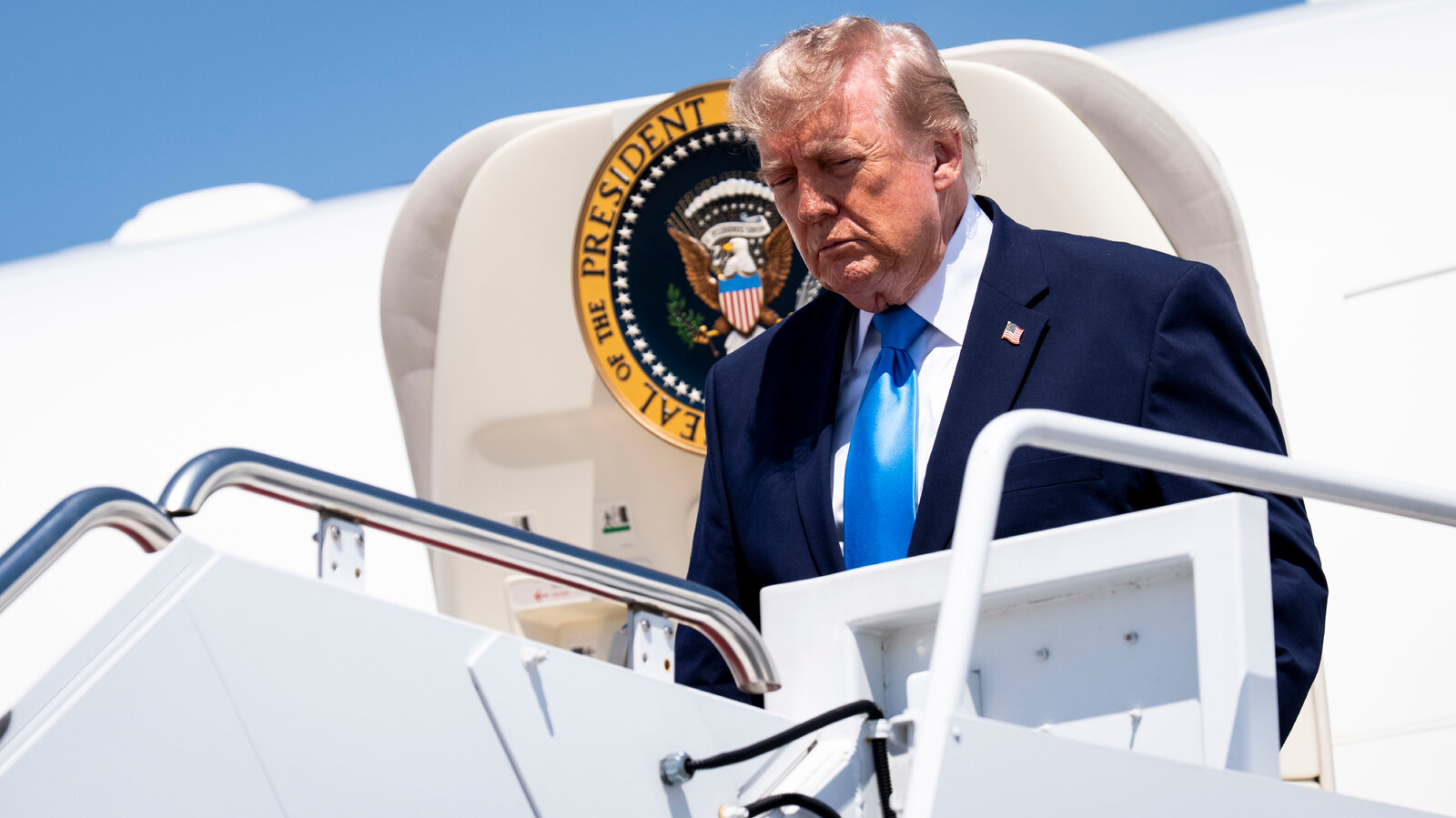
President Trump has found himself in a precarious position as he navigates negotiations with Iran, striving to avoid full-scale combat operations in the Middle East, which he had promised to stay clear of during his presidency. The U.S. and Iran agreed to a ceasefire in April, but recent events have tested its fragility. Trump has insisted that negotiations are ongoing and told ABC News, "we're trying to finish it up." He expressed his belief that the U.S. holds the power in the negotiations, stating, "It's the one with the power wins. We have all the power."
Escalation of Conflict
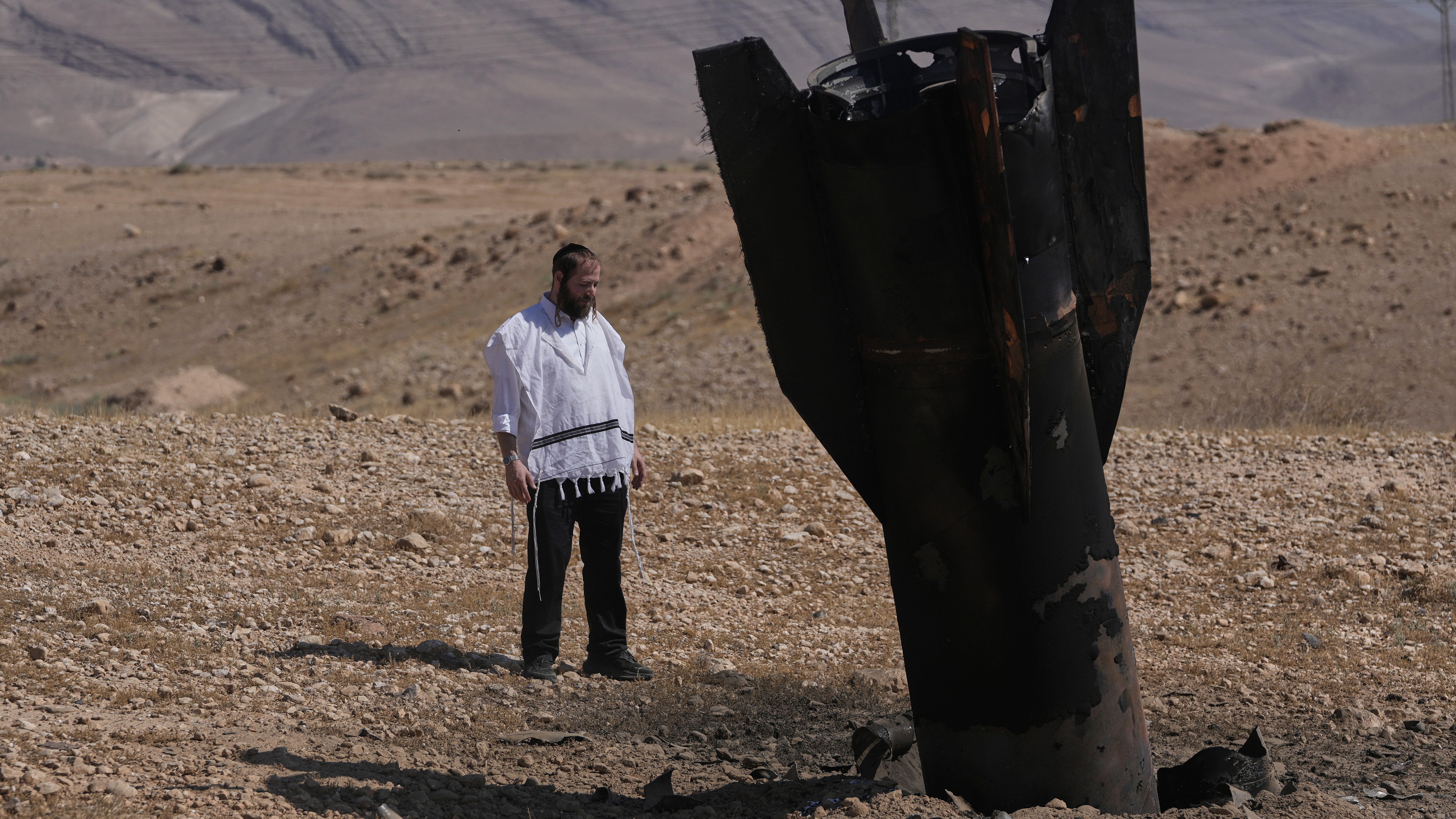
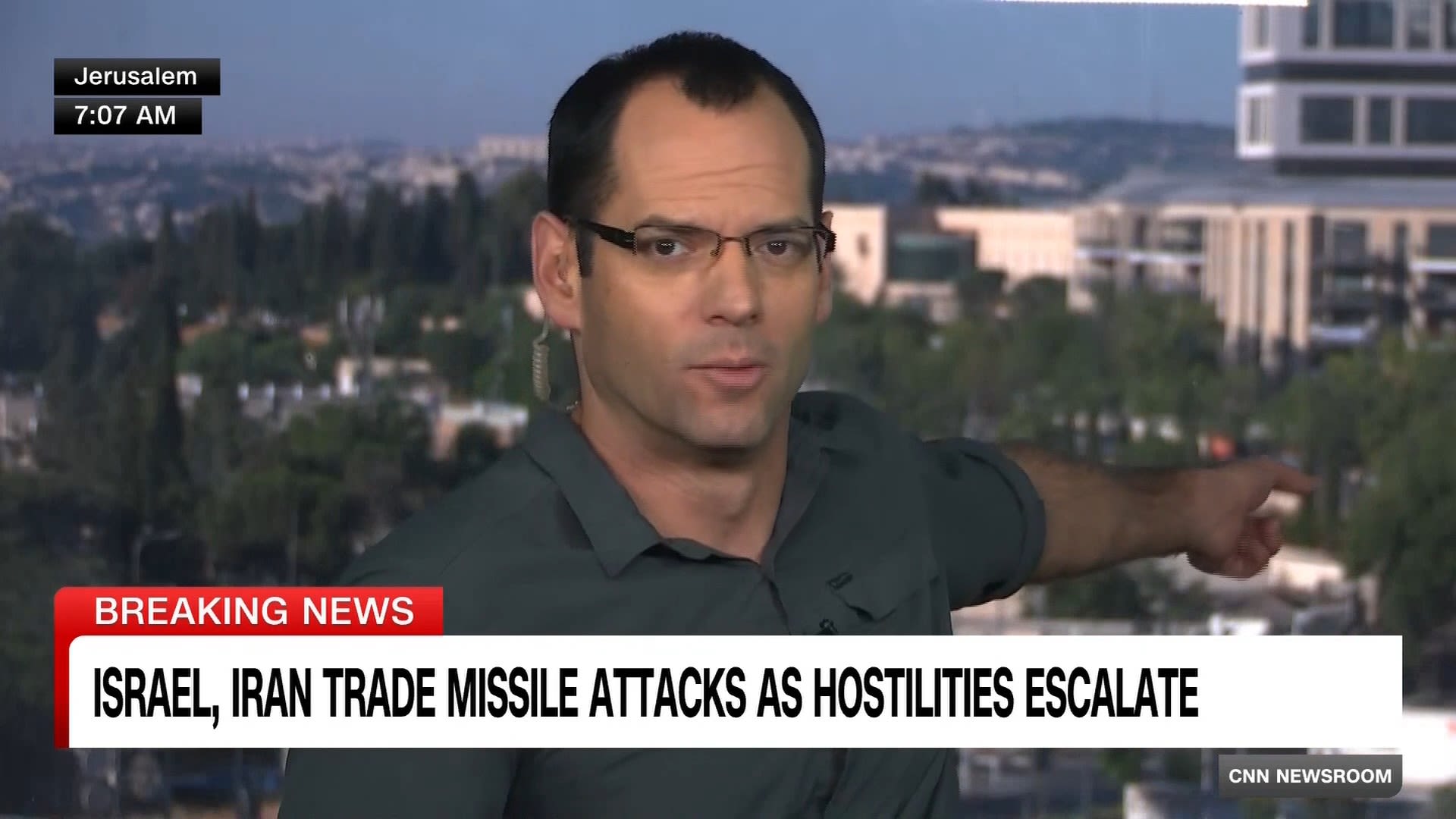
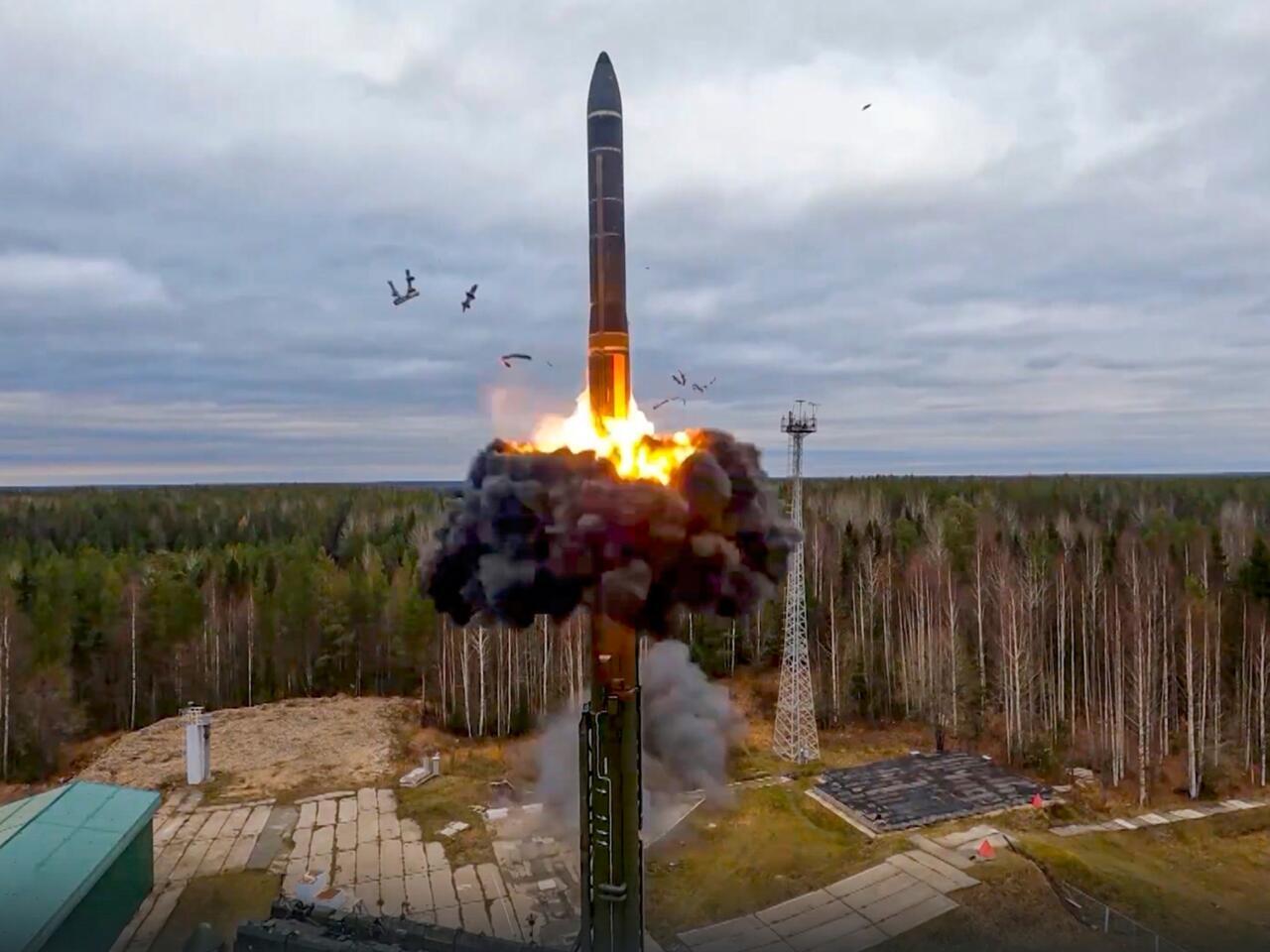
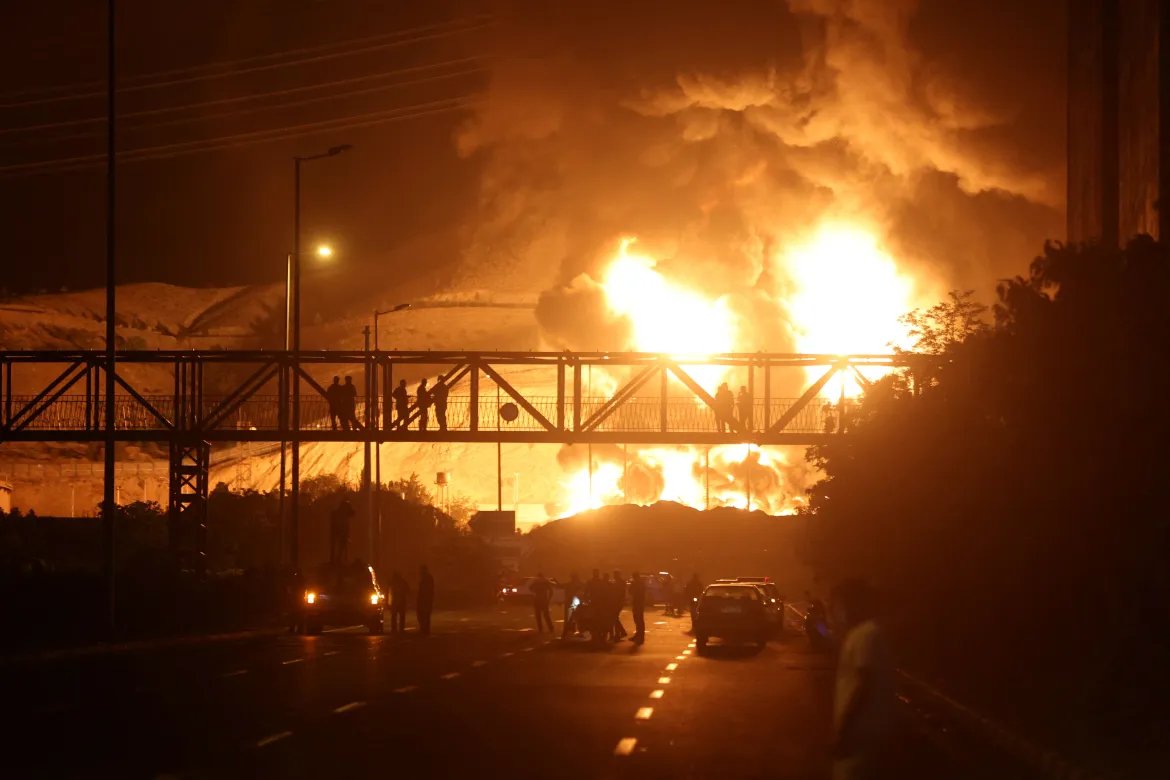
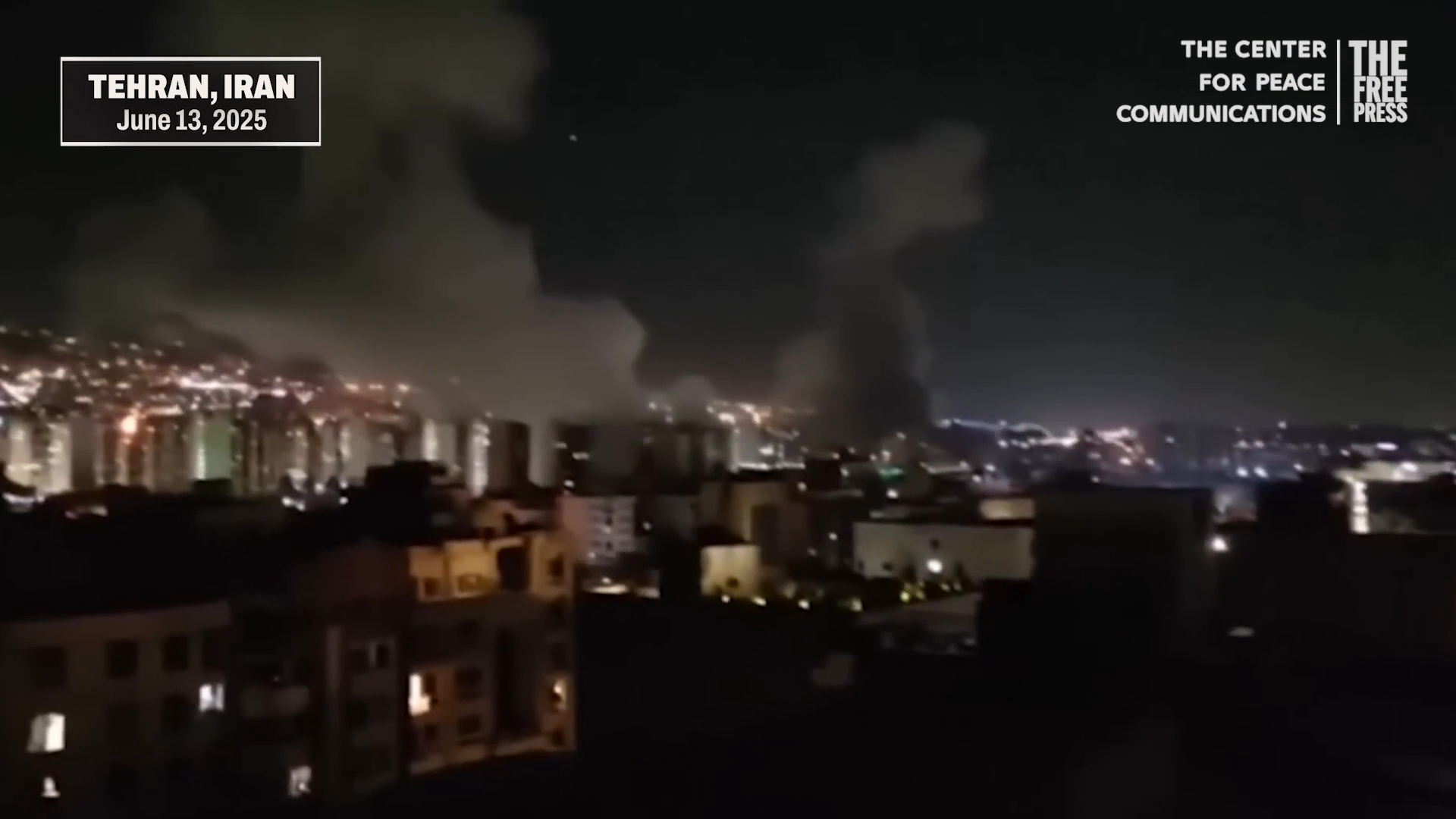
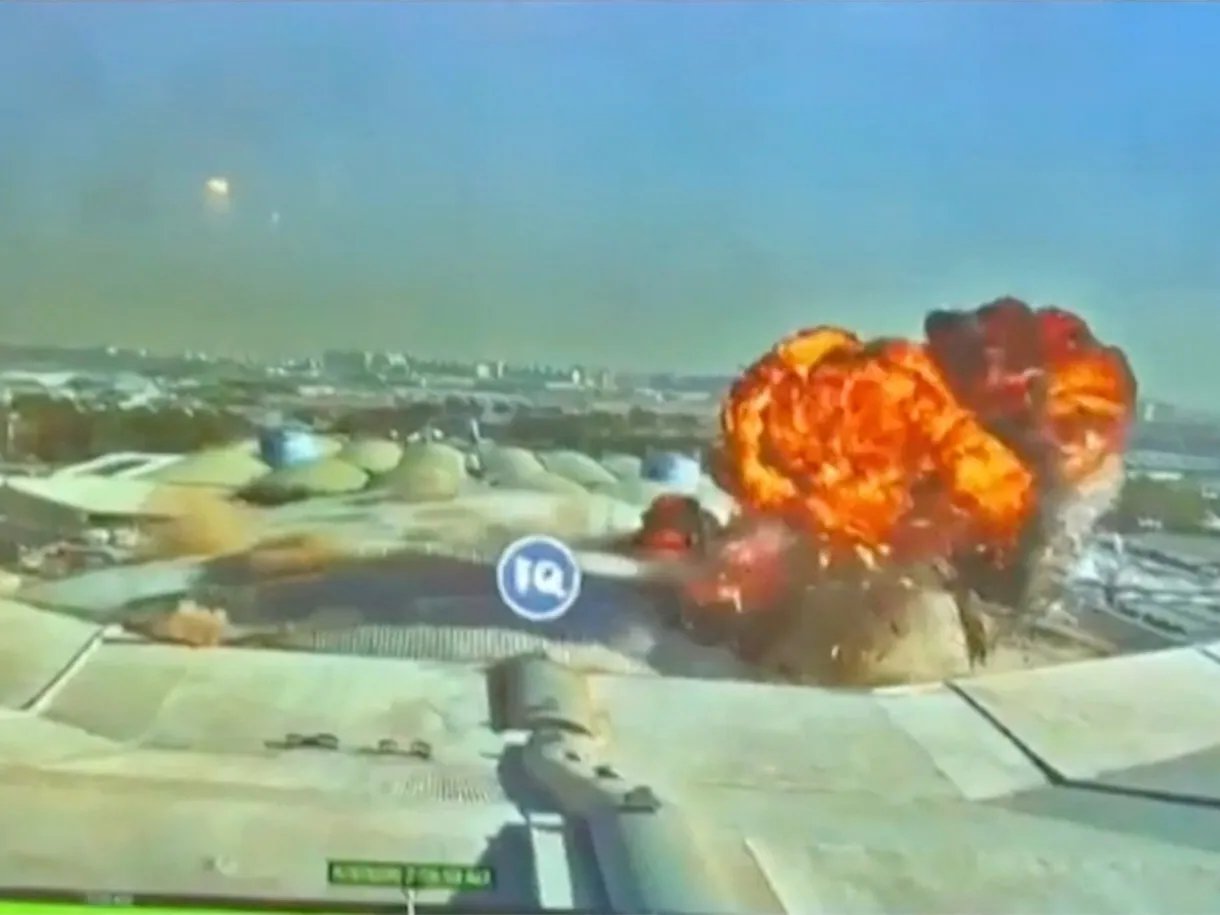
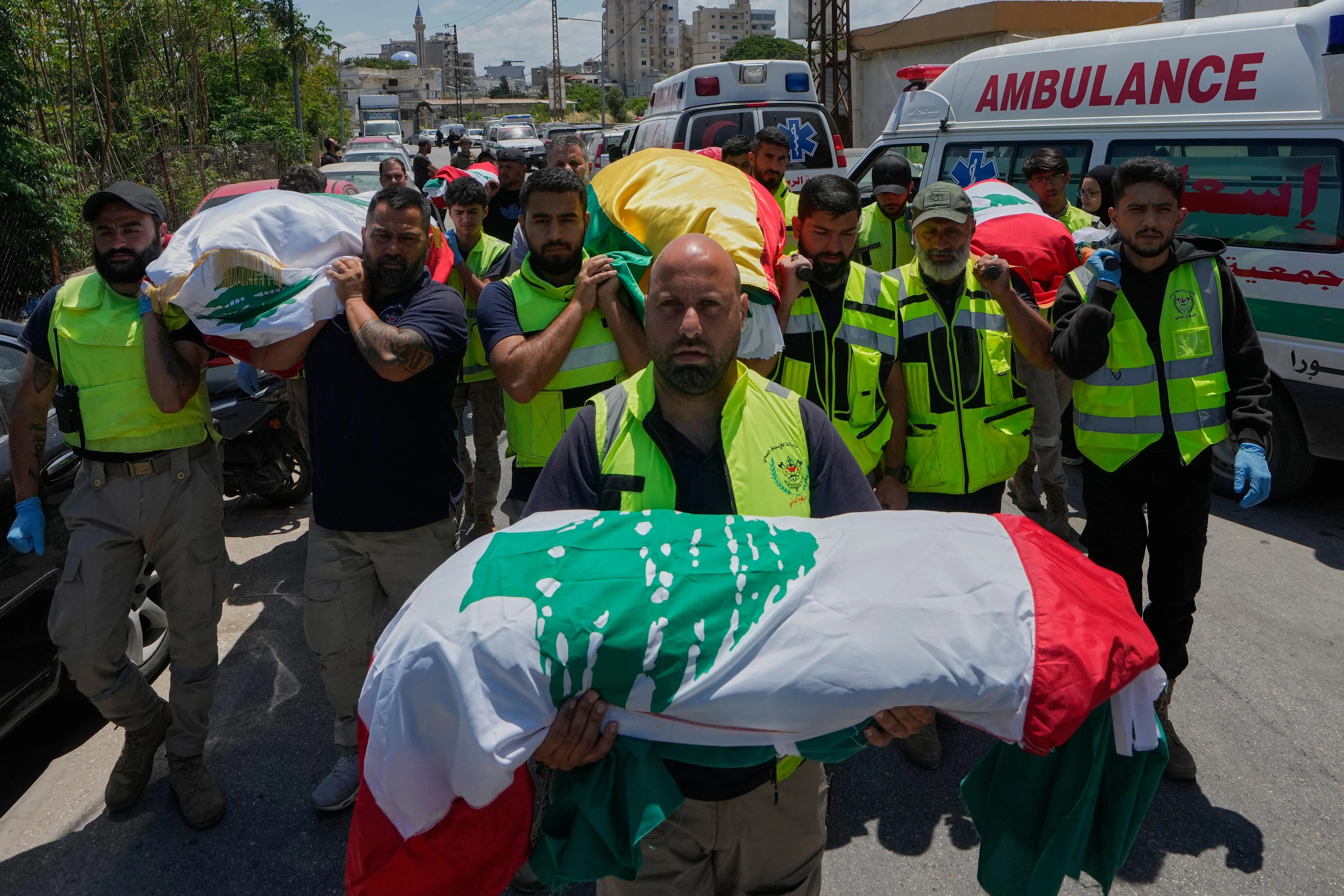
The conflict saw a significant escalation when Israel, in defiance of Trump's request, struck Tehran and other cities after Iran launched missiles toward Israel. This marked the most significant exchange since the April ceasefire and threatened to unravel negotiations and draw the U.S. back into the war. Trump called on both Israel and Iran to "immediately stop shooting" in a post on Truth Social on Monday, emphasizing the urgency of the situation.
Diverging Interests of U.S. and Israel
The situation has highlighted the growing divergence between the strategic interests of the U.S. and Israel. Trump needs the war to end to maintain political support domestically, while Netanyahu requires the conflict to continue for his political survival in Israel. This divergence was underscored by Netanyahu's decision to proceed with strikes despite Trump's warnings, indicating a potential shift in the traditionally aligned positions of the two allies.
Impact on Global Affairs
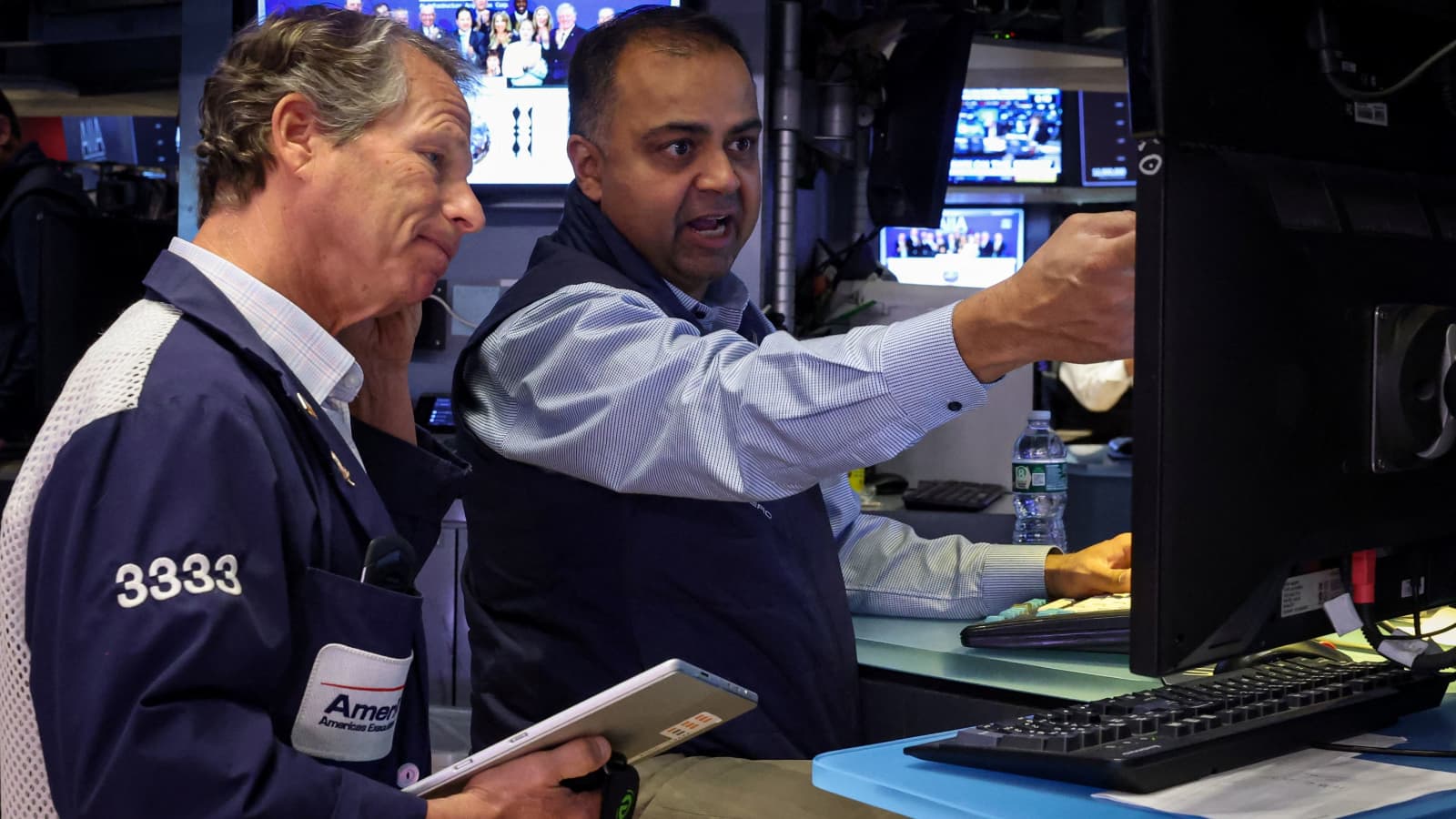
The conflict's impact extends beyond the immediate region, with Trump claiming that he received calls from five different countries in the region asking him to press Netanyahu to stop the strikes. These countries, according to Trump, are concerned about the negotiated deal and prefer a diplomatic resolution. The situation also has economic repercussions, as the war has caused a 78 percent increase in airline fuel costs in the past year, significantly impacting the U.S. airline industry.
Next Steps in U.S. Foreign Policy
As the U.S. continues to engage in negotiations with Iran, the next steps will be critical in determining the future of U.S. foreign policy in the Middle East. Trump's statements indicate a potential shift towards a more assertive diplomatic approach, with the president suggesting that a resumption of wide-scale U.S. military attacks would be costly and counterproductive. The U.S.'s ability to balance its relationship with Israel while pushing for a peace deal with Iran will be a key factor in the success of these negotiations.















The sources also report that Trump claimed his administration received messages from the Iranians stating a willingness to stop shooting if Israel did the same.