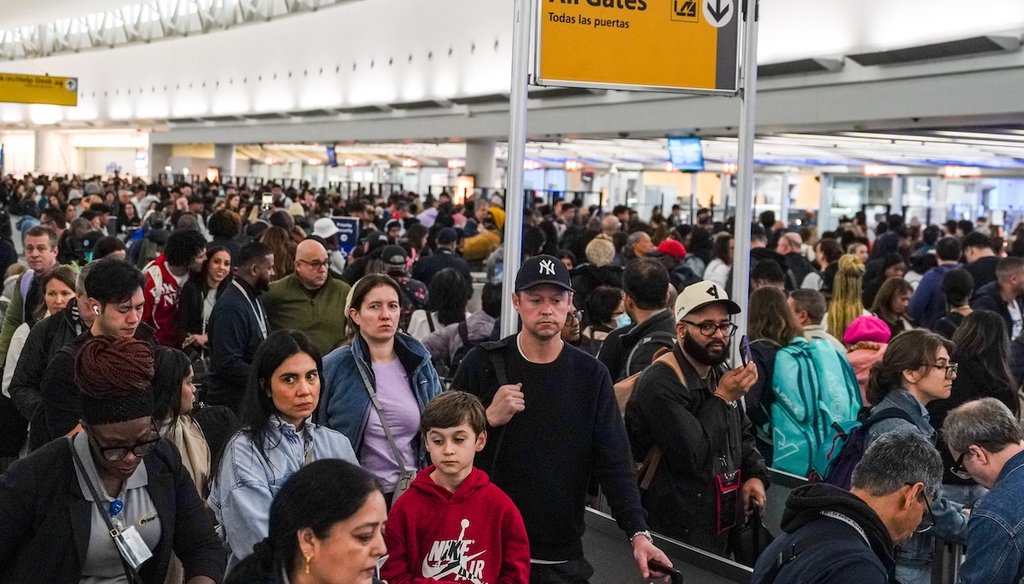
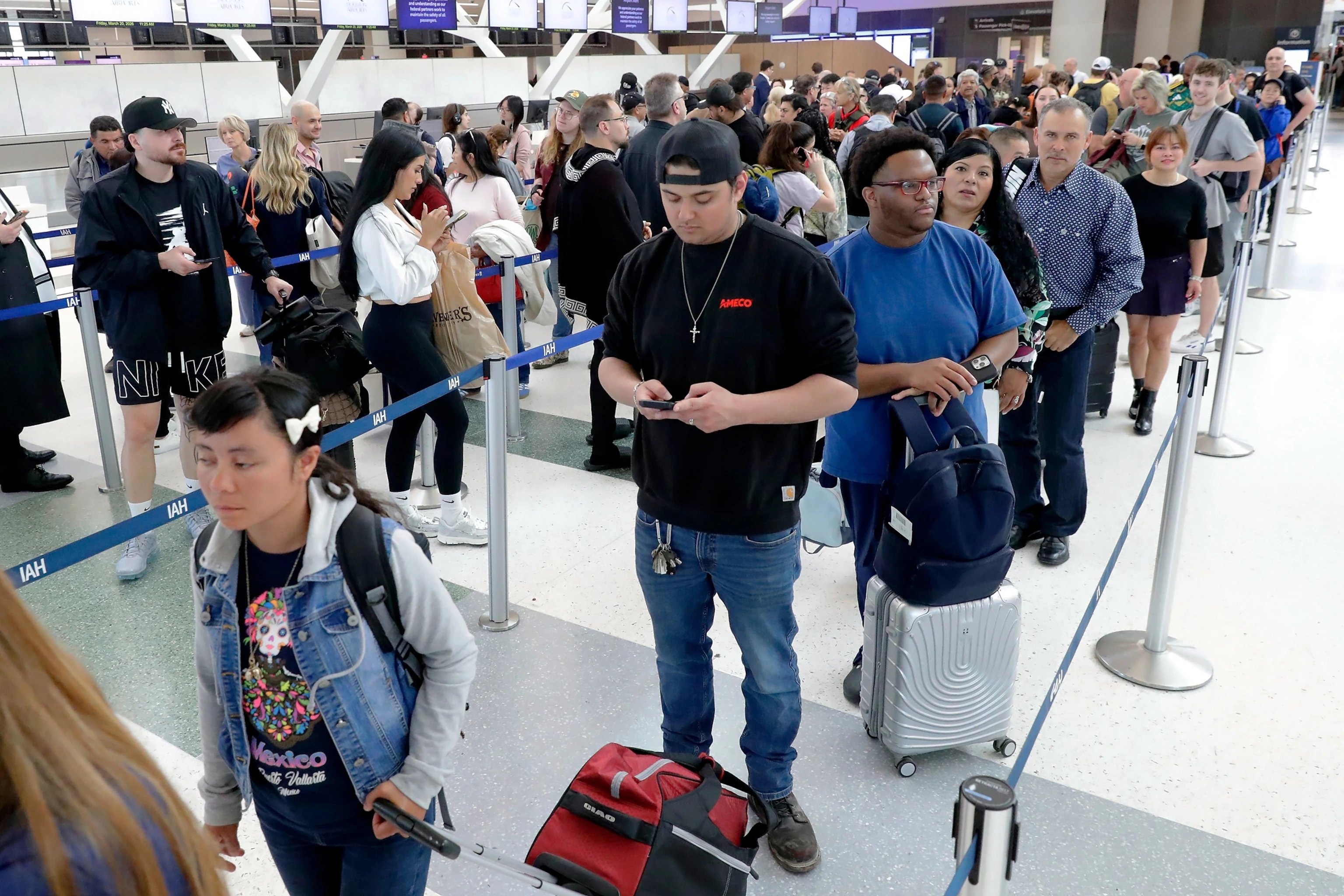
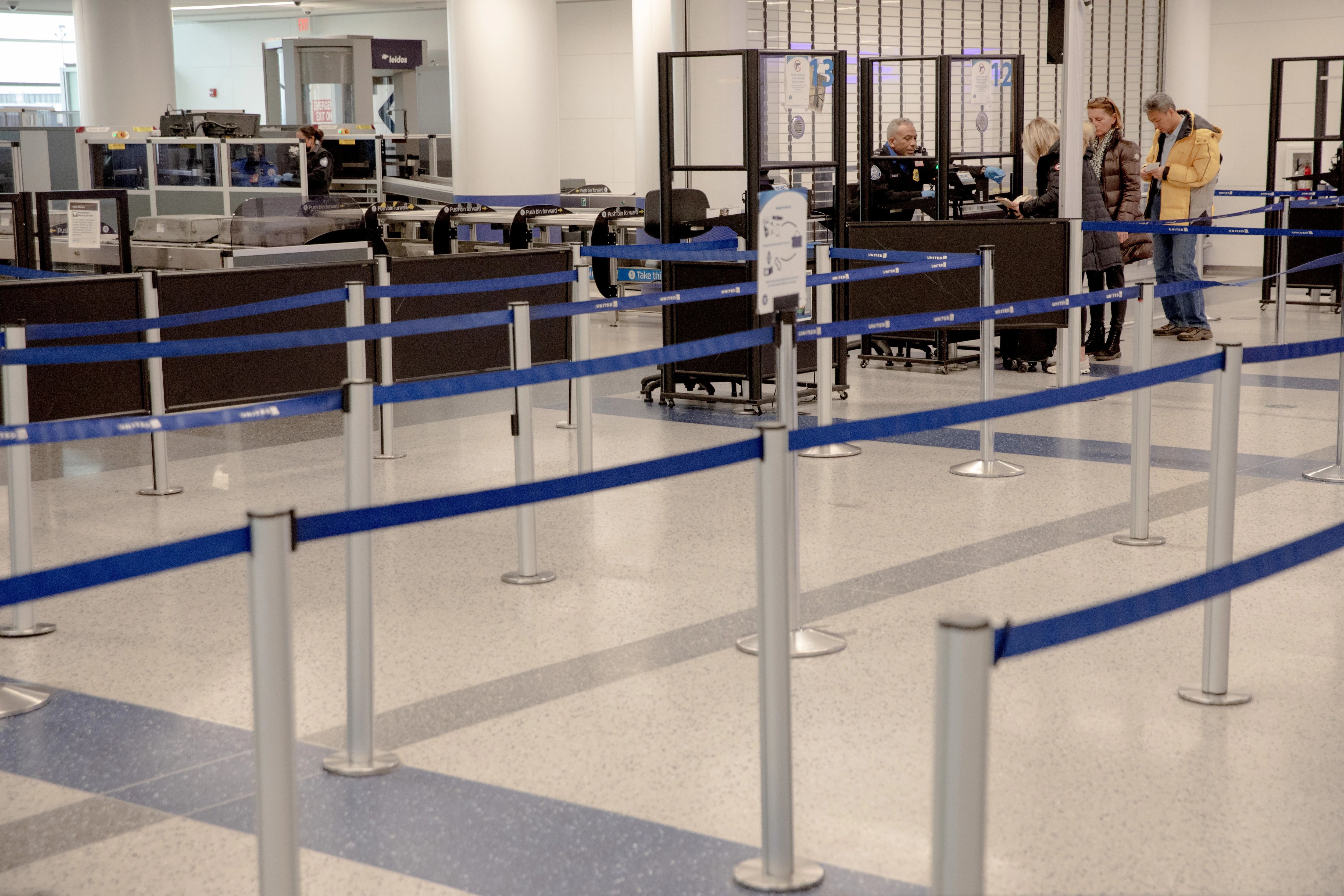
Travelers across the United States are facing unprecedented delays at airport security checkpoints as the partial government shutdown of the Department of Homeland Security (DHS) continues. More than 400 Transportation Security Administration (TSA) officers have quit their jobs since the partial government shutdown began on Feb. 14, significantly affecting staffing levels and leading to longer wait times.
In an effort to alleviate the mounting pressure on TSA operations, President Donald Trump announced he would deploy Immigration and Customs Enforcement (ICE) officers to airports. This decision aims to help manage the increased strain on security lines. However, Trump's move comes amid his insistence that funding for the DHS is contingent on the passage of the Save America Act, which imposes stricter voter ID requirements. Critics, including Senate Minority Leader Chuck Schumer, have condemned this linkage as a political maneuver that disregards the immediate needs of travelers.
The standoff between Democrats and Republicans over DHS funding has intensified as the shutdown stretches into its 38th day. Some Republican senators have begun to express concern that blaming Democrats for the impasse may backfire politically. Schumer criticized Trump's ultimatum, stating, "He doesn't give a damn about the American people," and asserted that the administration is using millions of Americans as hostages in a political game. Meanwhile, some GOP members worry that the public's frustration with airport delays could reflect poorly on their party.
The ongoing staffing crisis at the TSA has led to operational disruptions that impact travelers' experiences. The current situation has led to chaotic scenes at airports, with passengers waiting in lines that stretch for hours. The TSA is grappling with how to maintain security while managing the fallout from the staffing shortages.
The Save America Act, which Trump insists must pass before funding can be restored, faces significant hurdles in the Senate. It has already passed the House largely along party lines but lacks sufficient support to overcome the filibuster. Democrats are advocating for standalone legislation to fund the TSA and other essential components of the DHS that do not involve Trump's immigration policies. This division highlights the broader political challenges surrounding the shutdown and its impact on public services.
As the pressure mounts on lawmakers to resolve the shutdown, the future of TSA operations hangs in the balance. With the ongoing shutdown, the need for a resolution becomes increasingly urgent to restore normalcy at airports and ensure the safety and security of millions of Americans.
Travelers across the United States are facing unprecedented delays at airport security checkpoints as the partial government shutdown of the Department of Homeland Security (DHS) continues. More than 400 Transportation Security Administration (TSA) employees have resigned since the shutdown began, significantly affecting staffing levels and leading to longer wait times. Reports indicate that major airports, including John F. Kennedy International (JFK), have suspended accurate wait time reporting due to the chaos, warning travelers that online estimations are no longer reliable.
In an effort to alleviate the mounting pressure on TSA operations, President Donald Trump announced he would deploy Immigration and Customs Enforcement (ICE) officers to airports. This decision aims to help manage the increased strain on security lines. However, Trump’s move comes amid his insistence that funding for the DHS is contingent on the passage of the Save America Act, which imposes stricter voter ID requirements. Critics, including Senate Minority Leader Chuck Schumer, have condemned this linkage as a political maneuver that disregards the immediate needs of travelers.
The standoff between Democrats and Republicans over DHS funding has intensified as the shutdown stretches into its 38th day. Some Republican senators have begun to express concern that blaming Democrats for the impasse may backfire politically. Schumer criticized Trump’s ultimatum, stating, “He doesn’t give a damn about the American people,” and asserted that the administration is using millions of Americans as hostages in a political game. Meanwhile, some GOP members worry that the public’s frustration with airport delays could reflect poorly on their party.
The ongoing staffing crisis at the TSA has led to operational disruptions that impact travelers' experiences. Acting DHS Assistant Secretary Lauren Bis noted that resignations and absences among TSA officers have surged since funding lapsed. The current situation has led to chaotic scenes at airports, with passengers waiting in lines that stretch for hours. The TSA is grappling with how to maintain security while managing the fallout from the staffing shortages.
The Save America Act, which Trump insists must pass before funding can be restored, faces significant hurdles in the Senate. It has already passed the House largely along party lines but lacks sufficient support to overcome the filibuster. Democrats are advocating for standalone legislation to fund the TSA and other essential components of the DHS that do not involve Trump’s immigration policies. This division highlights the broader political challenges surrounding the shutdown and its impact on public services.
As the pressure mounts on lawmakers to resolve the shutdown, the future of TSA operations hangs in the balance. Travelers are left grappling with the consequences of political negotiations that impact their daily lives. With the ongoing shutdown, the need for a resolution becomes increasingly urgent to restore normalcy at airports and ensure the safety and security of millions of Americans.
Highlighted text was flagged by the council. Tap to see feedback.