TSA PreCheck and Global Entry Suspended Amid Ongoing Government Shutdown
Revised after bias review
 Council News
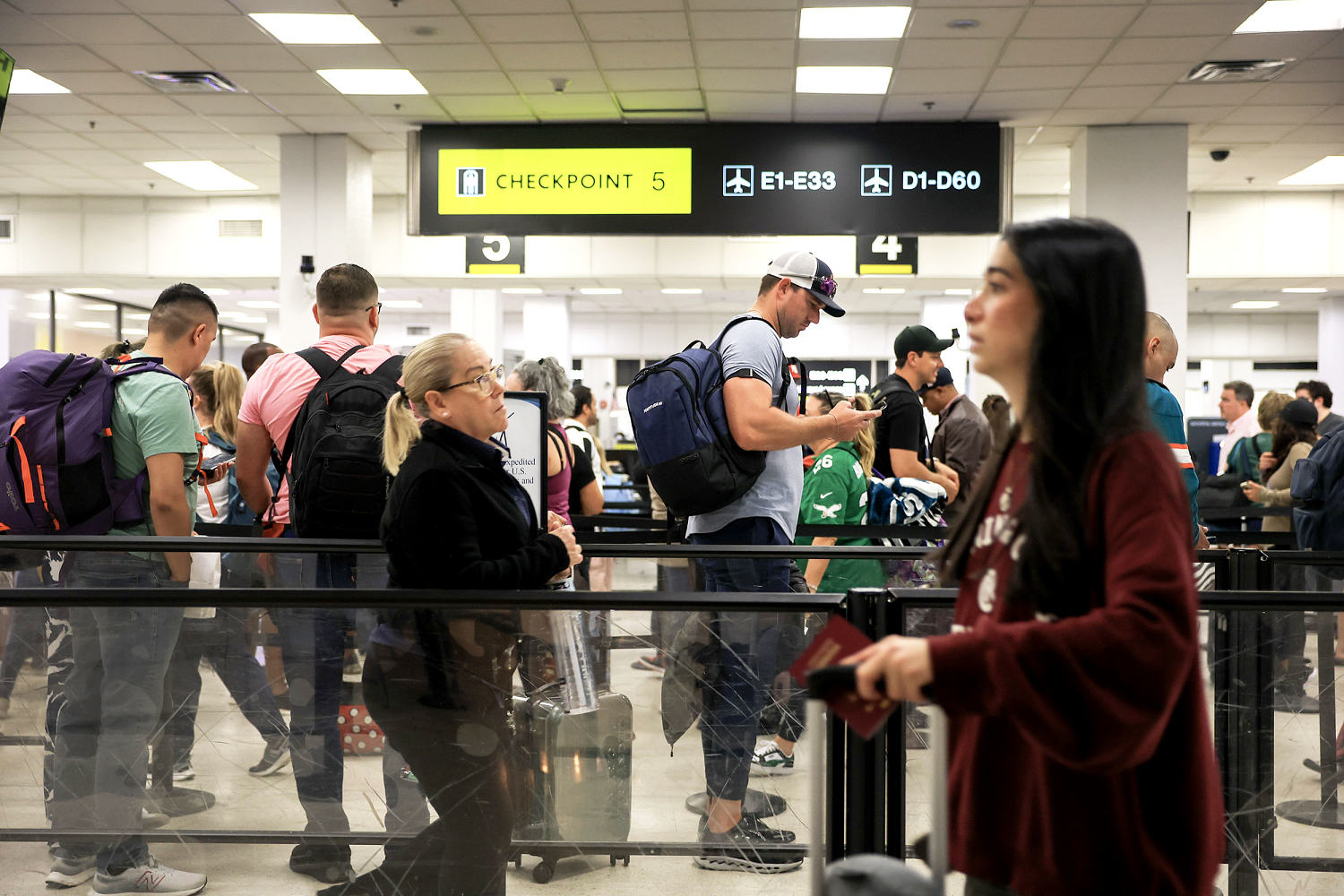





Homeland Security suspending TSA PreCheck and Global Entry will directly impact travelers and airport experiences, making it both important and something people will want to know about before their next trip.
TSA PreCheck and Global Entry suspensions affect millions of frequent travelers' daily lives and travel budgets. This is a concrete policy change with immediate personal impact that people will want to understand and potentially act on.
The suspension of TSA PreCheck and Global Entry programs directly impacts travelers' convenience and security, making it a pressing issue for many Americans who rely on these services.
Suspending TSA PreCheck and Global Entry programs disrupts daily travel for millions of Americans, potentially causing delays and higher inconvenience; readers would engage because it directly impacts their personal plans and safety during trips.
TSA PreCheck and Global Entry suddenly suspended means longer security lines and pricier flights; travelers will stop scrolling to find out if their trip is affected.
If you're planning to fly soon, brace yourself for longer wait times at airport security. The U.S. Department of Homeland Security announced the suspension of the TSA PreCheck and Global Entry programs, effective Sunday. The shutdown has now stretched into a second week, according to The Washington Post.
TSA PreCheck allows registered travelers to pass through security without removing shoes, belts, or light jackets. Global Entry expedites customs processing for international travelers. With these programs halted, travelers may face longer lines at security checkpoints and border crossings.
Homeland Security Secretary Kristi Noem stated that the suspension aims to prioritize the general traveling population during the funding lapse. According to DHS, pausing these programs will allow the agency to focus resources on all travelers during the shutdown. The agency has not indicated when these programs might resume.
Democrats accused DHS of "kneecapping" the programs, according to The Guardian US. They argue the move inconveniences frequent travelers and reflects poorly on the government's ability to manage essential services during a shutdown. Travelers expressed frustration on social media over the suspension.
As the shutdown continues, the future of the TSA PreCheck and Global Entry programs is uncertain. Travelers should prepare for potential delays and consider arriving at airports earlier than usual to accommodate longer lines. The resumption date for expedited screening remains unknown, leaving travelers uncertain about when normal operations will return.
Cross-referenced to ensure accuracy