




The stakes are personal
Gas prices could rise sharply if conflict disrupts Persian Gulf shipping. American service members could be deployed to the Middle East. Your taxes could fund a military campaign. U.S. and Iranian negotiators are so close to either a nuclear agreement or military strikes that the difference between the two outcomes now comes down to days, not months.
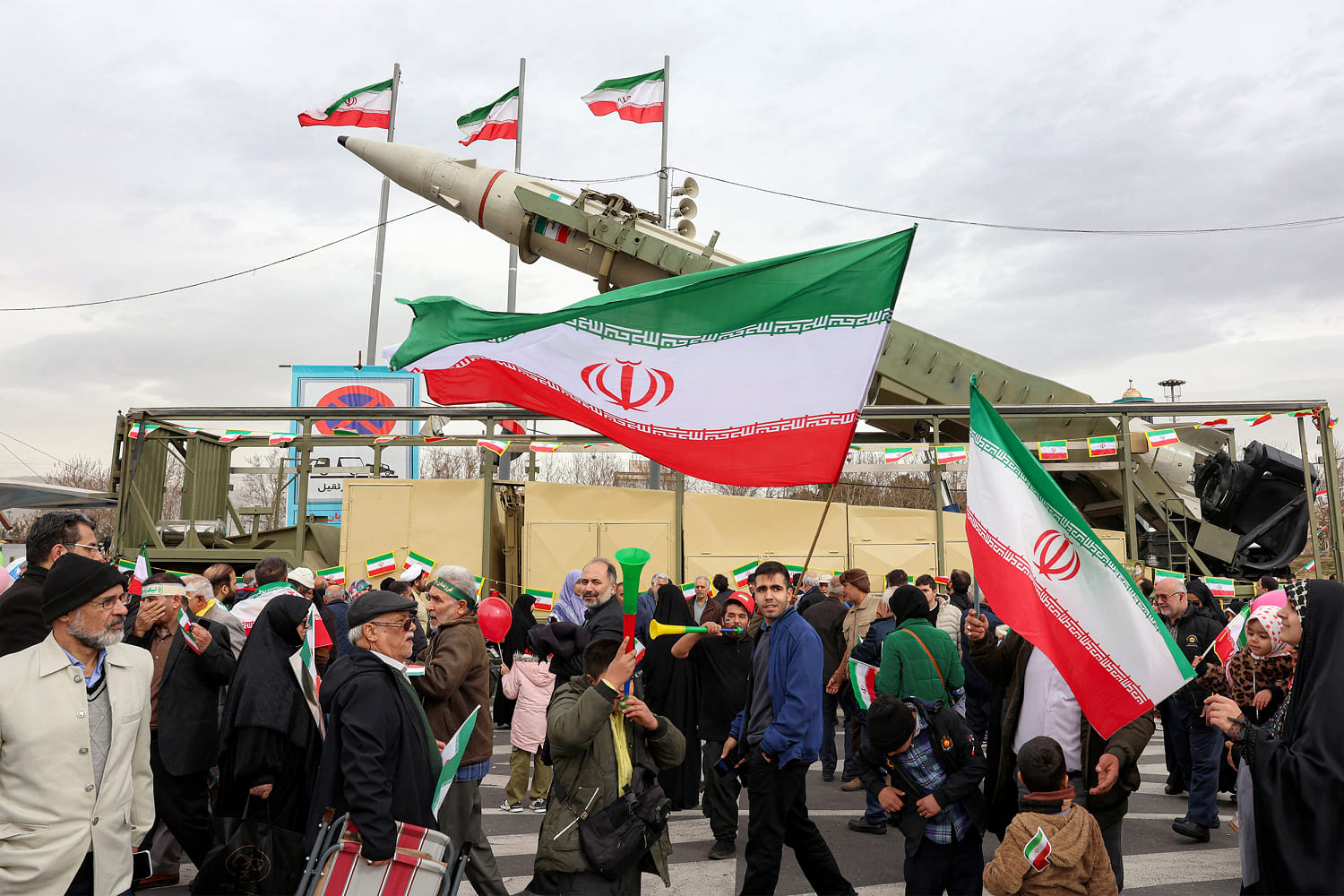
The talks in Geneva just concluded their third round with no deal yet. But both sides say they are moving closer. Technical negotiations with the UN nuclear watchdog begin Monday, suggesting real progress. At the same time, the U.S. has deployed its largest military presence to the Middle East in more than 20 years, a show of force that could trigger the very conflict both nations claim they want to avoid.
What the negotiators are actually fighting over
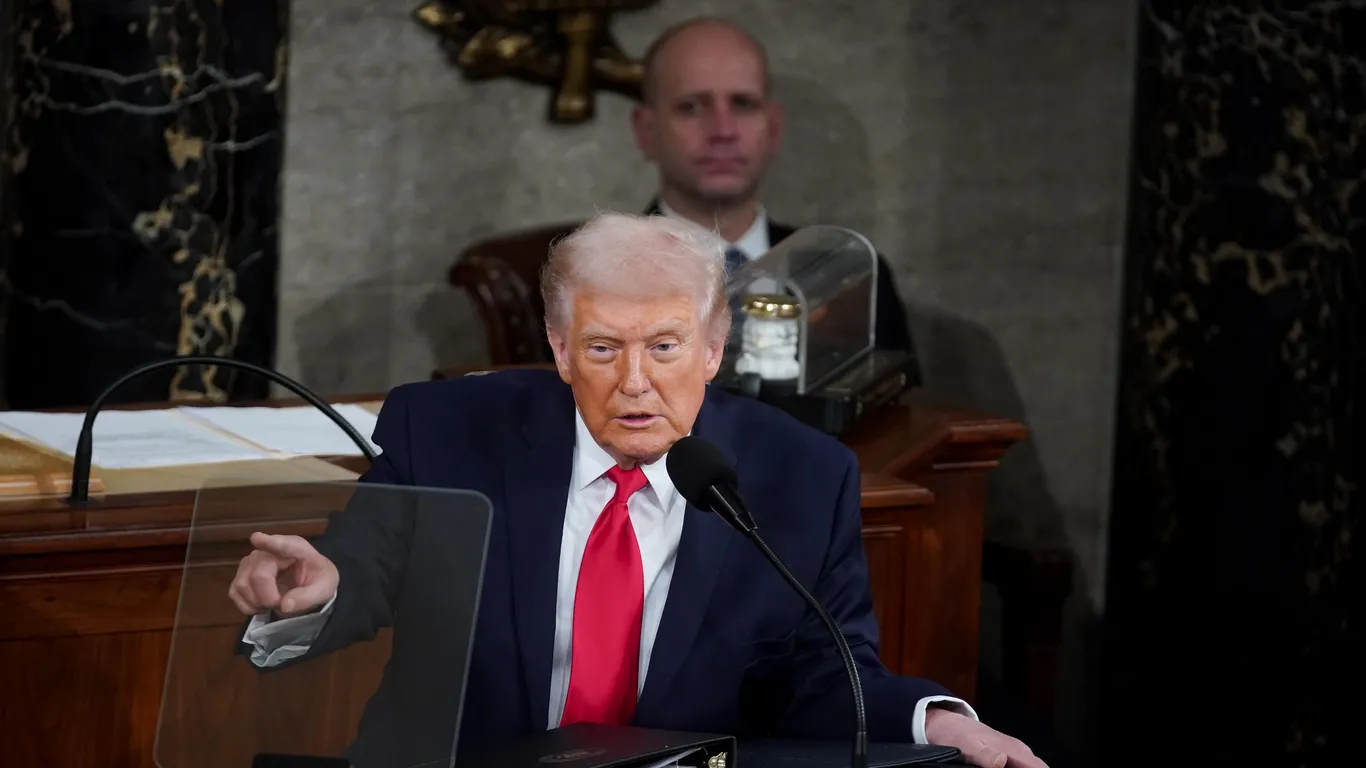
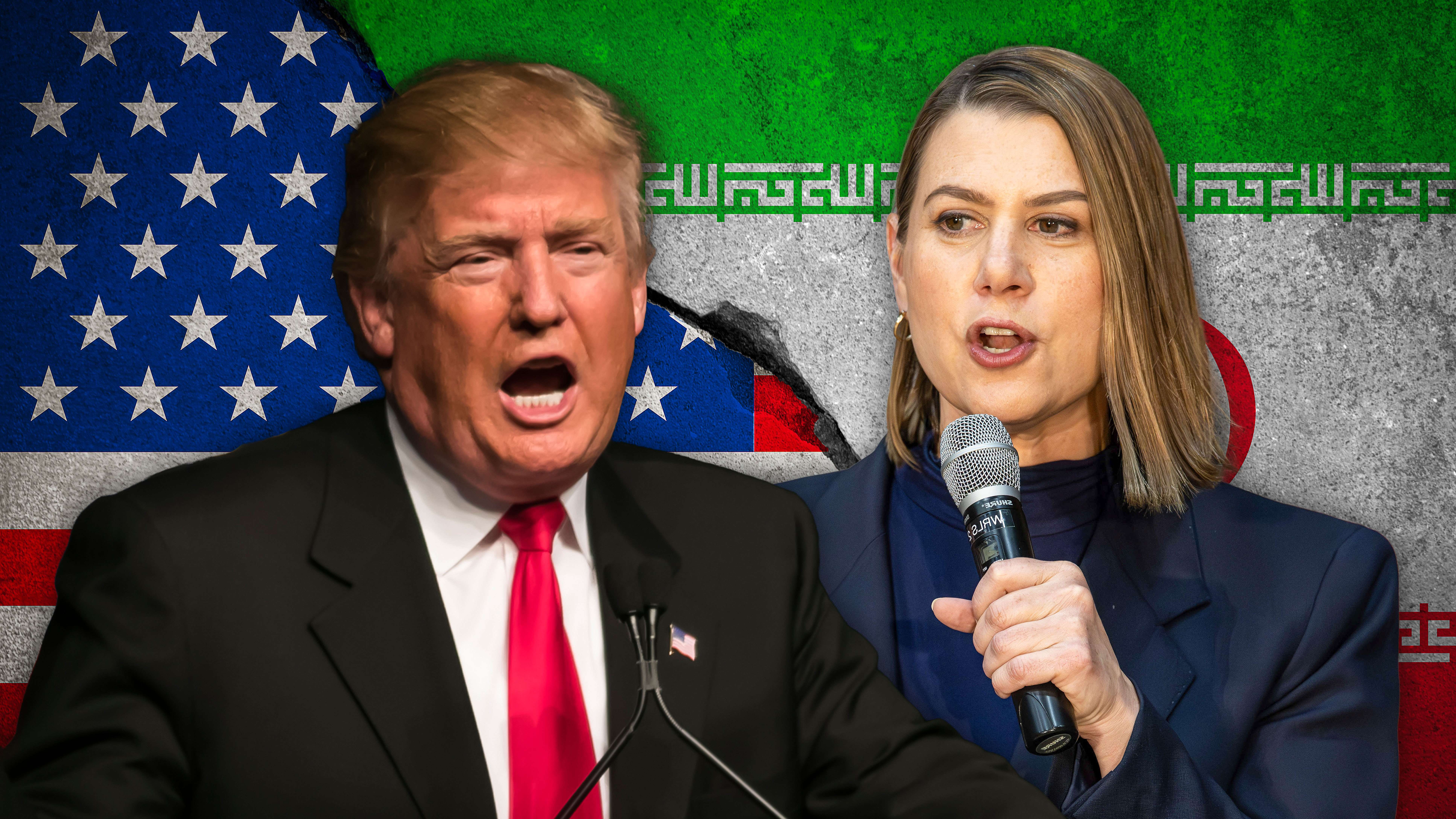
President Trump has said he will not allow Iran to build a nuclear weapon. Iran's government says it has no intention to do so. Yet the gap between these statements and an actual agreement remains wide enough that some analysts quoted by CBS say war appears more likely than a deal.
Iran's top security chief Ali Larijani is shaping Tehran's negotiating position behind the scenes. On the American side, Vice President Vance has signaled that Trump is prepared to launch military strikes if talks fail. Vance told The Washington Post that such strikes would serve as a deterrent and would not lead to a longer war in the Middle East. Several independent analysts have publicly questioned that assessment.
Congress is trying to slow this down—but may be too late
Two House Republicans have now pledged to support a war powers resolution that would limit Trump's ability to launch unilateral military strikes on Iran without congressional approval. Rep. Warren Davidson of Ohio became the second GOP lawmaker to back the measure, saying he requested a classified briefing on the "mission in Iran."
Democrats have been pushing for a vote on the same resolution, but Congress does not reconvene until next week. That timing matters. If military strikes begin before the vote happens, lawmakers would debate war powers after military action has commenced. The Intercept and Reason report that some Democratic leaders have not pressed for an immediate vote, though their motivations remain unclear.
What happens Monday could determine everything
Technical talks begin Monday between U.S. negotiators and the UN nuclear watchdog. If those talks produce a framework, a full deal could follow within days. If they stall, the military option becomes more likely.
Neither side has publicly walked away. Both claim they want a deal. But the window for diplomacy is closing fast. Military analysts warn that conflict could disrupt oil markets and destabilize the region. Diplomacy advocates argue a deal would reduce these risks.