U.S. and Iran Prepare for High-Stakes Nuclear Talks This Thursday
Revised after bias review
 Council News





US and Iran meeting for talks is a major development with potential implications for global stability and oil prices. People will read this to understand the potential impact on international relations and their wallets.
Iran-US nuclear talks resuming this week carry enormous geopolitical weight with direct implications for oil prices, military tensions, and global stability. This is substantive diplomacy that could reshape Middle East policy and affects Americans' security and economic interests.
US-Iran talks could lead to changes in foreign policy that affect American safety and energy costs, and the inherent tension of potential conflict or diplomacy would draw readers eager to understand the real-world implications for global stability.
Iran and the U.S. are about to restart nuclear talks that could decide whether American troops or allies face new threats and whether oil prices spike.
Negotiators from the United States and Iran meet in Geneva this Thursday to discuss a nuclear deal. The outcome could reshape oil prices and military tensions in the Middle East. If talks collapse, analysts at JPMorgan expect Brent crude to jump from $78 to $130 a barrel within days—adding roughly 60 cents to every gallon of gasoline American drivers buy this summer.
U.S. officials expected to receive Iran's detailed proposal by Tuesday. The proposal could include concessions from Iran regarding its uranium enrichment program. This round of talks may be the last diplomatic effort before the Trump administration considers military action against Iran, according to U.S. officials.
Iran's Foreign Minister, Abbas Araghchi, has expressed cautious optimism about the talks. Tehran is willing to cap enrichment and ship out stockpiles only if Washington lifts oil-export sanctions and unfreezes an estimated $50 billion in Iranian reserves, according to two Iranian officials involved in drafting the proposal. Araghchi emphasized the potential for a "fast deal" if both sides can agree on the terms.
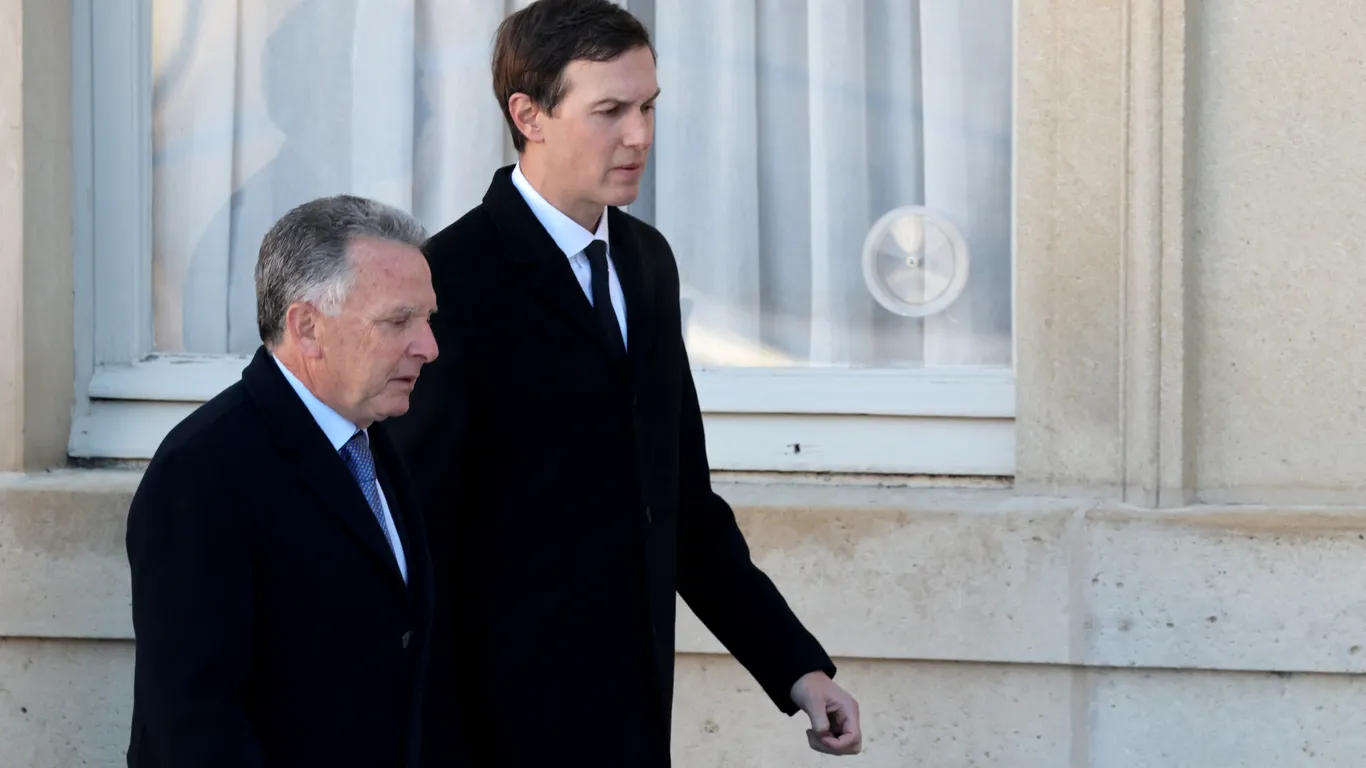
Senior officials including Jared Kushner and Steve Witkoff have told Trump that bombing Iran now would spike global oil prices above $120 a barrel and hurt U.S. consumers, according to a senior U.S. official who spoke to Axios on Sunday. However, Senator Lindsey Graham has publicly urged Trump to disregard such counsel, arguing that "the voices who counsel against getting entangled seem to ignore the consequences of letting evil go unchecked."
U.S. negotiators told Araghchi last week they would accept limited, tightly monitored enrichment if Iran accepts snap inspections of every nuclear site, according to a State Department cable seen by Reuters. Trump officials acknowledge the president could change course and order a strike at any time.
The U.S. has moved additional warships, bombers, and troops into the region. Badr Albusaidi, Oman's foreign minister and a mediator, said on Sunday that talks are expected "with a positive push to go the extra mile towards finalising the deal."
The Guardian reported that protests have reignited in Iran as negotiations continue. If talks collapse and strikes begin, the outcome could affect U.S.-Iran relations, regional military dynamics, and global oil markets. Bloomberg's Alan Eyre, a former senior U.S. diplomat, assessed that "the diplomatic talk window [is] 70% closed," suggesting the likelihood of failure and potential military escalation is significant.
If Iran and the U.S. strike a deal that lifts oil-export sanctions, analysts at Goldman Sachs predict global crude prices could fall 8–10 percent within a month, saving U.S. drivers roughly 25 cents per gallon. Failure could trigger U.S. air strikes, prompt Iran to mine the Strait of Hormuz, and within weeks send gas prices past $5 a gallon while activating thousands of National Guard reservists for deployment to the Gulf, Pentagon planners told Congress. Critics in both parties warn that striking any deal that leaves Iran with centrifuges could set off a nuclear-arms race in the region, while supporters argue that even an imperfect agreement is safer than another Middle East war.
Cross-referenced to ensure accuracy