U.S. Envoy's Controversial Comments on Israel Spark Outrage Across Arab Nations
Revised after bias review
 Council News
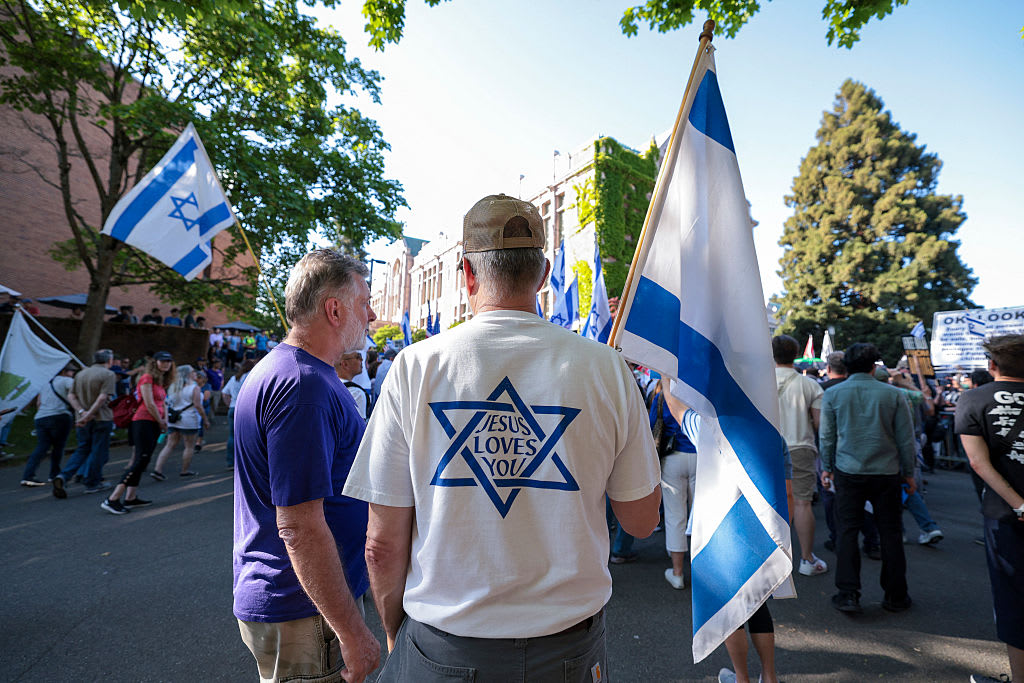





US envoy's remarks on Israel are drawing condemnation, which could impact US foreign policy and relationships in the Middle East, a topic of high interest and concern for many Americans.
US envoy's Israel/Middle East remarks draw regional condemnation with 9 sources—this is a significant diplomatic incident affecting US credibility and regional stability, with clear reader interest in the controversy.
US envoy remarks on Israel and the Middle East could escalate tensions affecting US foreign policy and alliances, potentially leading to economic or security repercussions for Americans; the controversy and regional condemnation create inherent tension that would draw readers in, as it challenges assumptions about US diplomacy.
U.S. Ambassador to Israel Mike Huckabee's remarks about Israel's territorial claims have drawn swift condemnation from Arab and Islamic governments. During an interview with Tucker Carlson, Huckabee stated it would be "fine" for Israel to claim significant territory in the Middle East, citing biblical justification for such claims. More than a dozen Arab and Islamic governments, including members of the Arab League, the Organisation of Islamic Cooperation (OIC), and the Gulf Cooperation Council (GCC), condemned the remarks.
Huckabee stated it would be "fine" for Israel to claim significant territory in the Middle East, citing biblical justification for such claims. The Arab League, OIC, and GCC members issued a joint statement condemning Huckabee's comments as "dangerous and inflammatory." The statement emphasized that such remarks undermine peace efforts in the region.
More than a dozen Arab and Islamic governments have issued statements condemning Huckabee's remarks. According to Al Jazeera, a rights advocate warned that failing to dismiss Huckabee "will be read by the world as an endorsement of his views" by Trump.
The U.S. embassy stated that Huckabee's remarks were taken out of context, according to CBS News. The embassy did not elaborate on what context was missing from the ambassador's statements.
Rights advocates have called on the U.S. administration to distance itself from Huckabee's comments. The condemnation reflects tensions between U.S. policy and Arab and Islamic governments' positions on Middle East territorial issues.
Cross-referenced to ensure accuracy