U.S.-Iran Nuclear Talks on Thursday Could Spike Your Gas Prices
Revised after bias review
 Council News





US-Iran nuclear talks expected Thursday with 4 sources is timely and directly affects potential military conflict, oil prices, and Middle East stability—all things Americans care about viscerally.
The upcoming U.S.-Iran talks regarding nuclear proposals could have significant geopolitical implications, making it essential for readers to understand the potential risks and outcomes that could affect national security.
US-Iran nuclear talks could prevent escalation and impact energy prices or military involvement, making it crucial for Americans' security and economy; the high-stakes negotiation and potential for surprises would draw readers, as it offers actionable context for understanding global risks that could lead to gas price spikes or conflicts.
U.S.-Iran nuclear talks set for Thursday—any deal (or collapse) could swing gas prices and Middle-East troop deployments, so Americans will want real-time updates.
If talks collapse and military strikes disrupt Middle East shipping lanes, analysts warn global oil prices could spike, potentially raising U.S. gasoline prices. The exact increase would depend on the duration and scope of any conflict. U.S. negotiators are working to review Iran's nuclear proposal before Thursday's meeting in Geneva, aiming to avert a potential strike. Energy-market analysts have cautioned that military action could roil oil markets. That means your daily commute or family road trips might soon feel the pinch from decisions made halfway around the world.
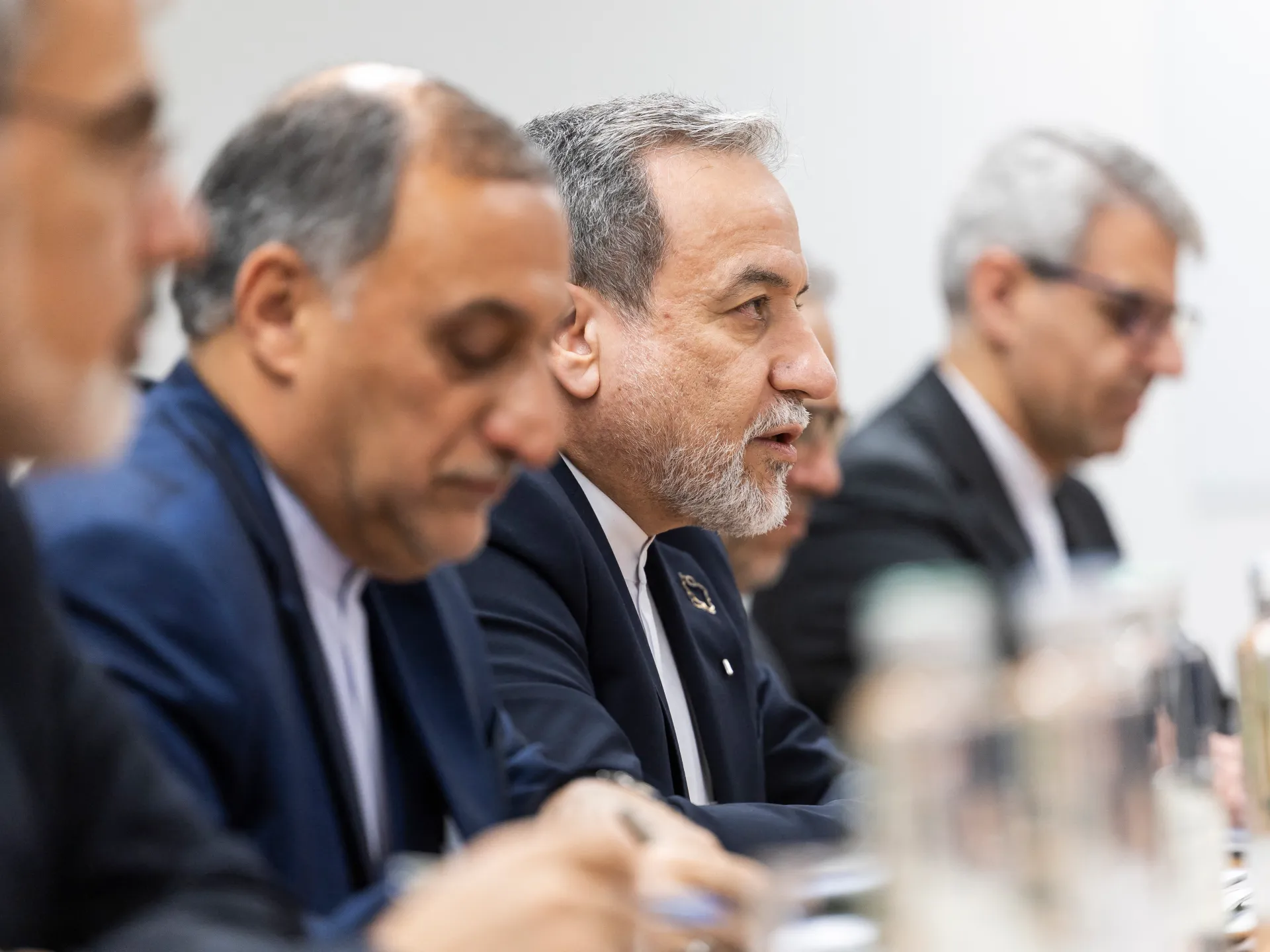
Iranian Foreign Minister Abbas Araghchi says he is still drafting a proposal that may allow tightly monitored, token enrichment. U.S. envoys Steve Witkoff and Jared Kushner asked for the document last week. President Trump has voiced a "zero enrichment" goal. His envoys told Araghchi the U.S. could consider "token enrichment" provided Iran accepts verifiable curbs that close every path to a weapon. Araghchi told CBS that Tehran aims for a "fast deal" focused solely on nuclear issues, with possible interim steps to build trust. Iranian officials stressed that their proposal requires approval from Tehran's political leaders, adding urgency to the talks.
Witkoff and Kushner asked Araghchi for a detailed proposal within days. Both have advised Trump to pursue diplomacy before considering military action. Omani mediators, including Foreign Minister Badr Albusaidi, confirmed the Thursday gathering and expressed optimism for progress amid heightened U.S. military presence in the region.
Senator Lindsey Graham is urging Trump to ignore advisers who oppose military action and says the president should keep the strike option open if diplomacy falters. Graham criticized advisers who counsel restraint, saying they "ignore the consequences of letting evil go unchecked." Graham's stance highlights divisions within the Trump administration. Advisers like Steve Witkoff and Jared Kushner caution against military entanglement based on past conflicts. Others see military action as essential to curb Iranian threats. The disagreement among Trump's advisers reflects uncertainty about whether Thursday's talks will succeed or lead to military action.
Negotiators plan to draft a potential agreement text in Geneva, with the U.S. ready to discuss an interim deal if Iran's proposal meets basic safeguards. Analysts say a deal could help keep oil prices relatively steady, whereas a breakdown raises the risk of price volatility. The outcome of Thursday's talks will determine whether negotiations continue or the Trump administration pursues military action.
Cross-referenced to ensure accuracy