U.S. Military Strategy in Iran War Relies Heavily on AI Technology
Revised after bias review
 Council News





New information was revealed about U.S. use of AI in the Iran conflict, providing specific details on military applications that alter public understanding of current warfare tactics.
Madison's argument that the story provides specific details on military applications of AI in the Iran conflict, altering public understanding of warfare tactics, is compelling. If the story delivers on this promise, it moves beyond speculation and reveals new information (Tier 3) with potential implications for how we perceive and discuss modern warfare. While the impact on real people (Tier 2) isn't immediately clear, the shift in understanding warrants a YES vote.
According to Lauren Kahn from Georgetown University's Center for Security and Emerging Technology, AI is being utilized for surveillance and reconnaissance in the conflict.
The conflict has escalated, resulting in significant casualties. Six American service members died when their military refueling aircraft crashed over Western Iraq on March 12, bringing the total U.S. military death toll to 13 since the war began. Israel has launched extensive airstrikes targeting Iranian military infrastructure, with the Israeli Defense Forces confirming strikes on Hezbollah targets in Lebanon. The Lebanese Health Ministry reported 850 deaths and over 2,000 injuries in Lebanon since the onset of the conflict.
As the war continues, gas prices in the U.S. have surged, rising 76 cents per gallon on average since hostilities began. Energy Secretary Chris Wright stated on Sunday that the conflict could conclude in the next few weeks, although he cautioned that "there are no guarantees in wars." The ongoing military actions and Iran's control over the Strait of Hormuz, a critical passage for nearly 20% of the world's oil supply, have driven crude oil prices up to over $103 a barrel.
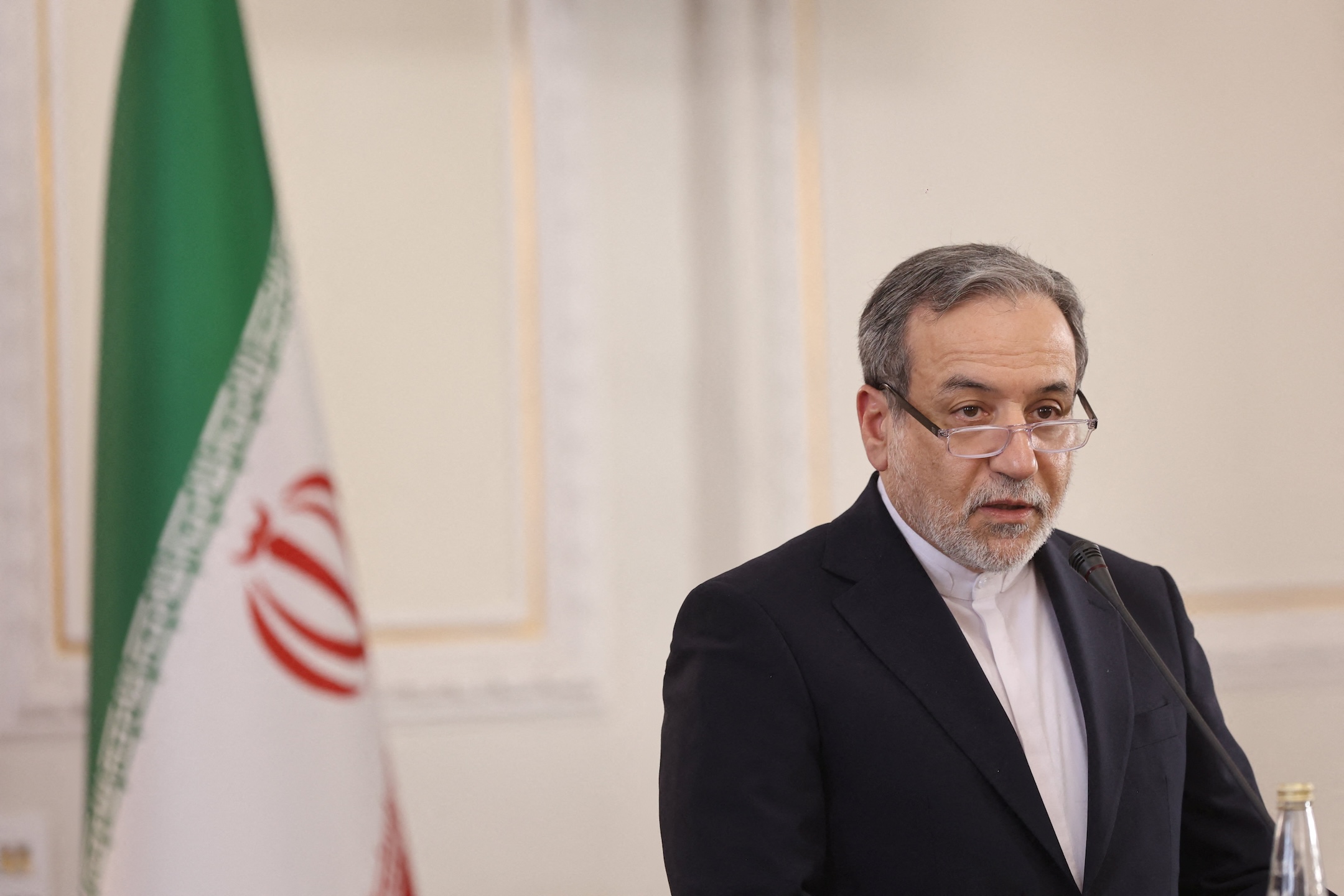
Pope Leo XIV has made a strong appeal for a ceasefire, urging leaders involved in the Iran war to reopen dialogue. He emphasized that "violence can never lead to the justice, stability, and peace that the people are waiting for." However, Iranian Foreign Minister Abbas Araghchi refuted claims that Iran is seeking negotiations, stating, "We are ready to defend ourselves as long as it takes." This highlights the stark divide between U.S. and Iranian positions on the conflict.
The Federal Communications Commission (FCC) Chair Brendan Carr has threatened to revoke the licenses of broadcasters accused of spreading "fake news" about the Iran war. This warning has drawn criticism from various quarters, with advocates for press freedom asserting that such threats undermine journalistic integrity. Carr's comments came amid accusations that several news outlets are misrepresenting the realities of the war, which the Trump administration has framed as a necessary action against Iranian aggression.
Internationally, the response to the U.S.-Israeli military actions has been mixed. While President Trump has called for allied nations, including China and the UK, to send warships to the Strait of Hormuz, no countries have confirmed plans to do so. The Pentagon has indicated that military actions will continue as long as Iran poses a threat to shipping routes. Meanwhile, Ukraine has offered its expertise in intercepting Iranian-designed drones, further complicating the geopolitical landscape.
The ongoing conflict with Iran not only affects regional stability but also poses significant risks to global economic conditions. Analysts warn that a prolonged war could lead to heightened energy prices and disrupt supply chains, particularly for countries reliant on oil from the Persian Gulf. As the situation unfolds, Americans are left to consider the broader implications of this conflict on their daily lives, particularly regarding rising gas prices and the potential for increased instability in the Middle East. The urgency for a diplomatic resolution remains critical as both sides continue to escalate military actions.
Cross-referenced to ensure accuracy