




Windfall from Surging Crude
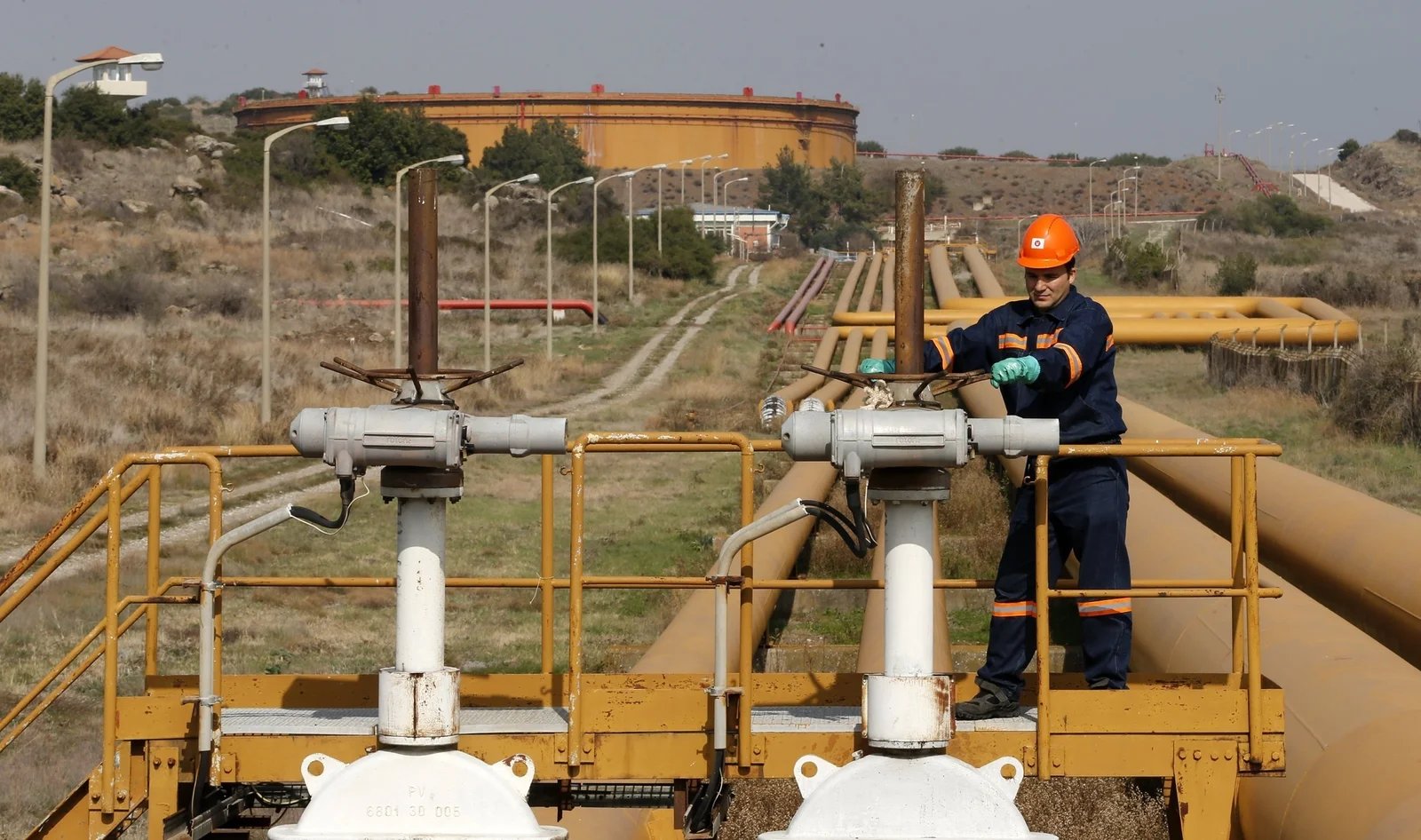
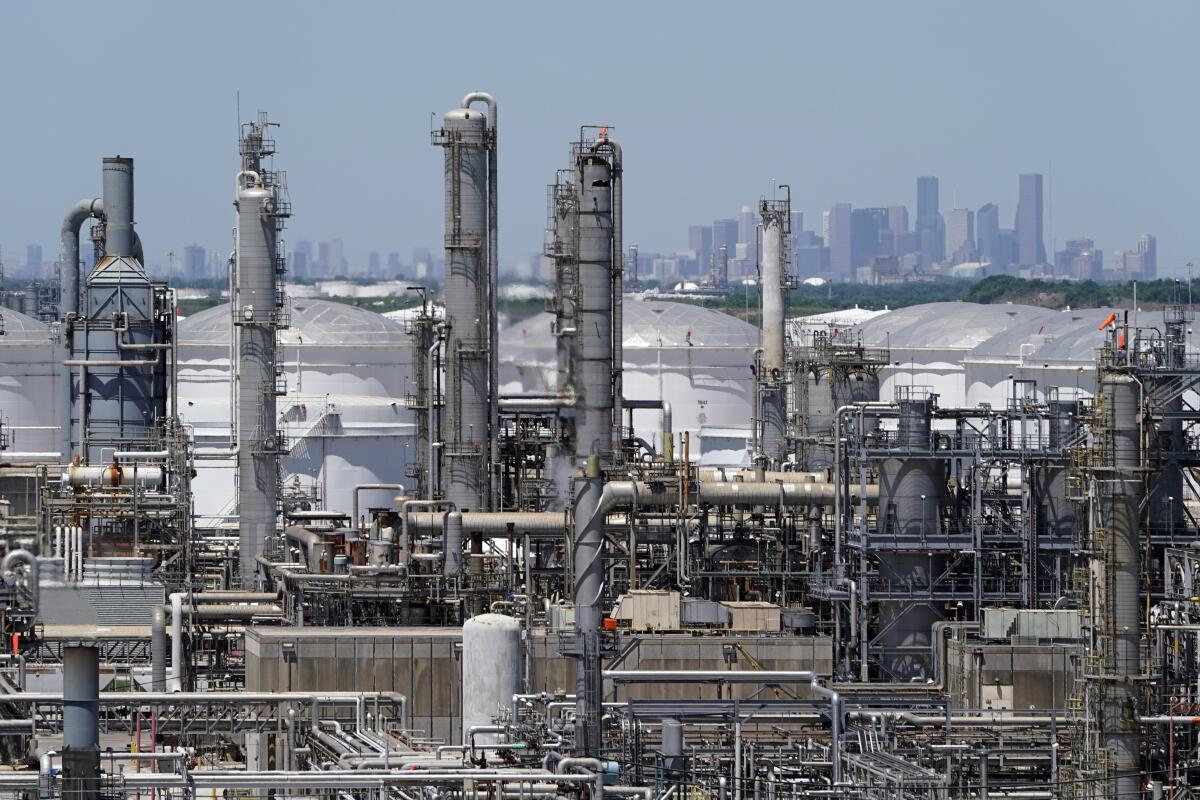
Rystad Energy estimates U.S. shale oil producers will earn an additional $63 billion in sales as crude prices climb past $100 a barrel. Brent crude topped $119 on Thursday before closing at $108.65, benefiting companies such as BP, Chevron, ConocoPhillips, ExxonMobil, and Shell. President Trump touted the benefits of higher oil prices in a social media post on X. The U.S. is the world's largest crude producer, with an output of 13 million barrels per day, according to the Energy Information Administration (EIA). It exports roughly 11 million barrels of oil daily.
Consumer Spending at Risk
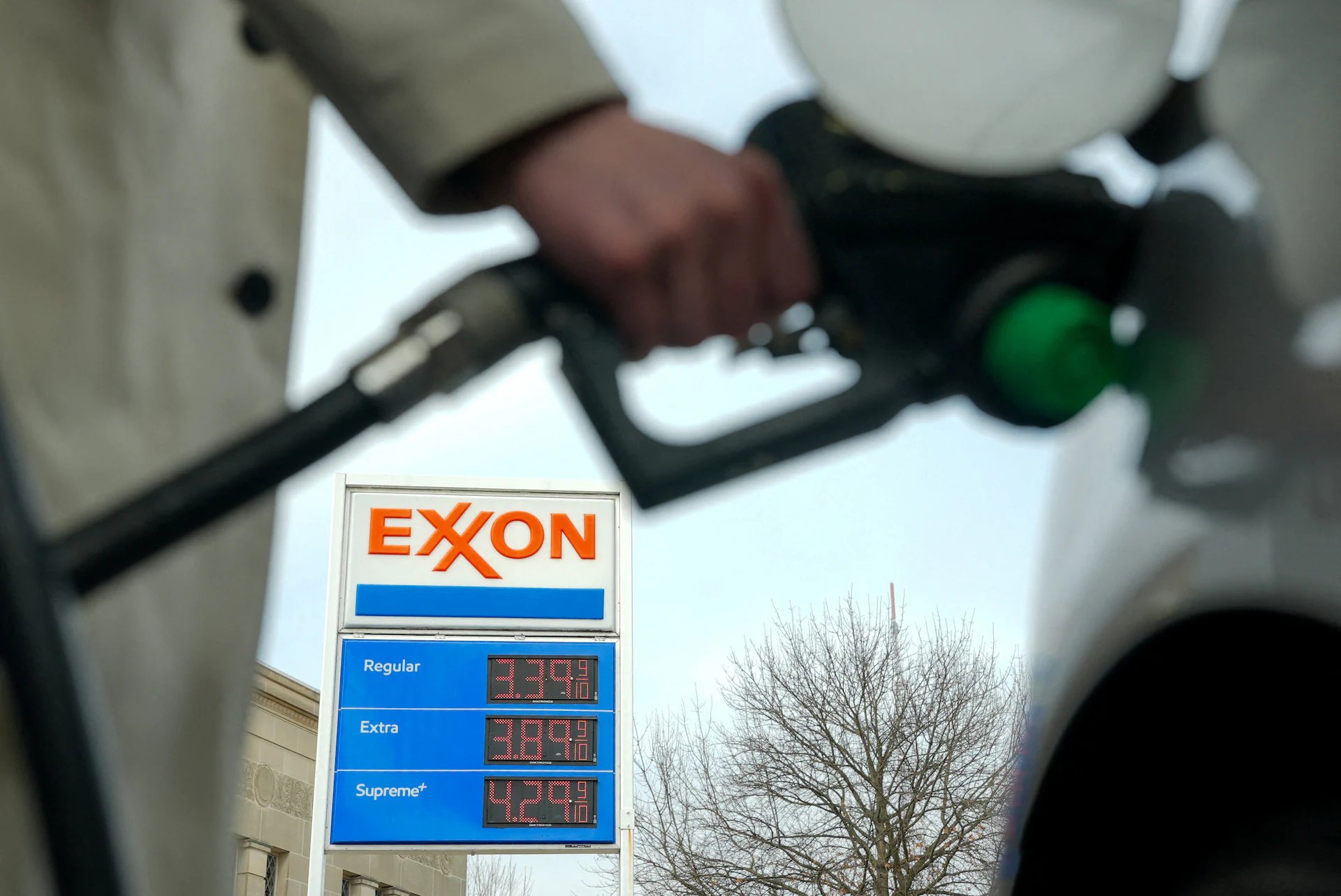
Ryan Sweet, chief global economist at Oxford Economics, stated that every 1-cent increase in gasoline prices reduces consumer spending by $1.5 billion annually. The average tax refund of $748 this year could offset some fuel expenses for typical families.
Hesitation in Production Boost
U.S. shale producers are unlikely to ramp up output despite high prices, according to Rystad Energy analyst Matthew Bernstein. U.S. shale producers are not poised to quickly ramp up production due to strategic caution and a lack of drilled, uncompleted wells to quickly bring online. Oil companies met with White House officials earlier this week to discuss the war's economic effects, showing caution in an unpredictable market.
Global Trade and AI Threats
The World Trade Organization's chief economist Robert Staiger warned that prolonged high oil prices could crimp the AI boom, which is energy-intensive. AI-related goods accounted for about 70% of investment growth in North America during the first three quarters of last year. The WTO report highlights that the Iran war poses the main risk to global goods trade. Despite Trump's protectionist policies, world trade in goods expanded by 4.6% in 2025, the WTO said.
U.S. Policy to Stabilize Prices
U.S. Treasury Secretary Scott Bessent indicated the administration is considering releasing 140 million barrels of Iranian oil within days to ease market tensions. The White House decided not to ban oil exports, as stated by a Trump administration official after Vice President JD Vance met with oil executives. This move aims to address supply disruptions from Iran blocking the Strait of Hormuz, through which 20% of global oil passes.
European Resistance and Economic Shifts
Belgian Prime Minister Bart De Wever expressed worry about the energy crisis, noting that rising oil prices could deepen economic troubles in Europe. European leaders, including Austrian Chancellor Christian Stocker, refused to join U.S. and Israeli military efforts, prioritizing domestic energy security at a Brussels summit. The EU focuses on financial tools to mitigate price spikes, drawing from past experiences like reducing reliance on Russian energy.
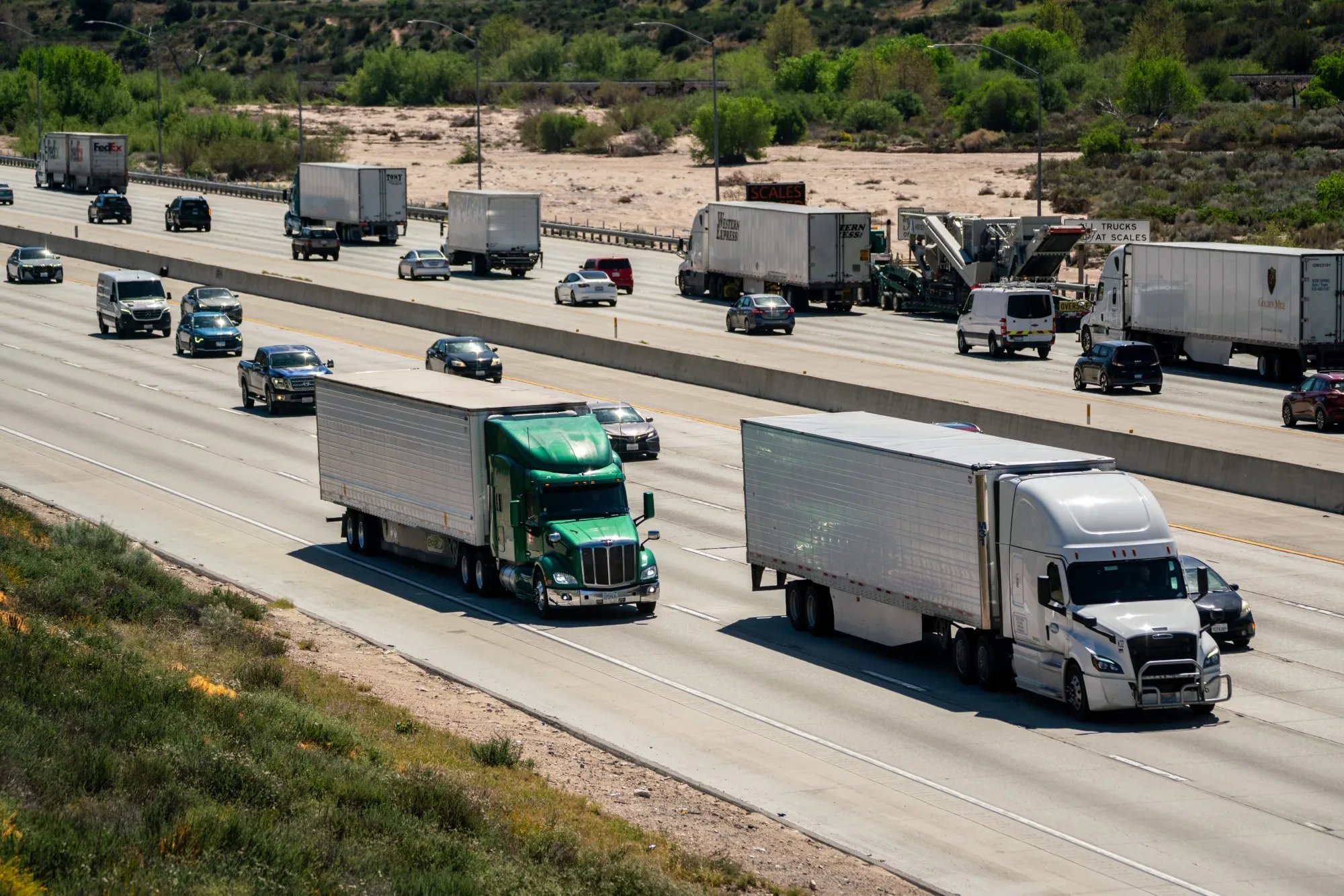
Families might see higher food prices due to diesel costs exceeding $5 a gallon, impacting everyday goods transport and household finances. Rystad Energy analyst Thomas Liles pointed out that sustained high prices could lead to demand destruction, slowing economic activity and prompting consumers to seek ways to conserve energy now.