Russia's Ust-Luga port sustained fresh damage from a Ukrainian drone attack. The port, a critical node in Russia's energy supply chain, has become a recurring target as Ukraine seeks to disrupt Moscow's ability to generate revenue from petroleum sales.
Ukraine's military operations extended beyond the coastal port. The General Staff of the Armed Forces of Ukraine confirmed that Russia's Yaroslavl oil refinery suffered damage after a Ukrainian drone attack overnight. Ukraine targets Russian oil export infrastructure through these operations.
The strikes on Russian energy infrastructure occur as regional conflicts increasingly disrupt worldwide supply chains. The convergence of these attacks highlights mounting pressure on critical commodities and the infrastructure that moves them to international markets.
The damage to Ust-Luga and Yaroslavl underscores how modern warfare extends beyond traditional battlefields into economic infrastructure. As long as Ukraine maintains the capability to strike these targets and Russia continues to operate them, this cycle of attack and repair will persist, with consequences rippling through global energy markets and the economies dependent on stable oil supplies.
Russia's Ust-Luga port sustained fresh damage from a Ukrainian drone attack, marking the latest strike in Kyiv's intensifying campaign against Russian oil export infrastructure. The port, a critical node in Russia's energy supply chain, has become a recurring target as Ukraine seeks to disrupt Moscow's ability to generate revenue from petroleum sales.
Ukraine's military operations extended beyond the coastal port. The General Staff of the Armed Forces of Ukraine confirmed that Russia's Yaroslavl oil refinery suffered damage after a Ukrainian drone attack overnight. These dual strikes demonstrate a coordinated effort to target multiple points in Russia's petroleum production and distribution network.
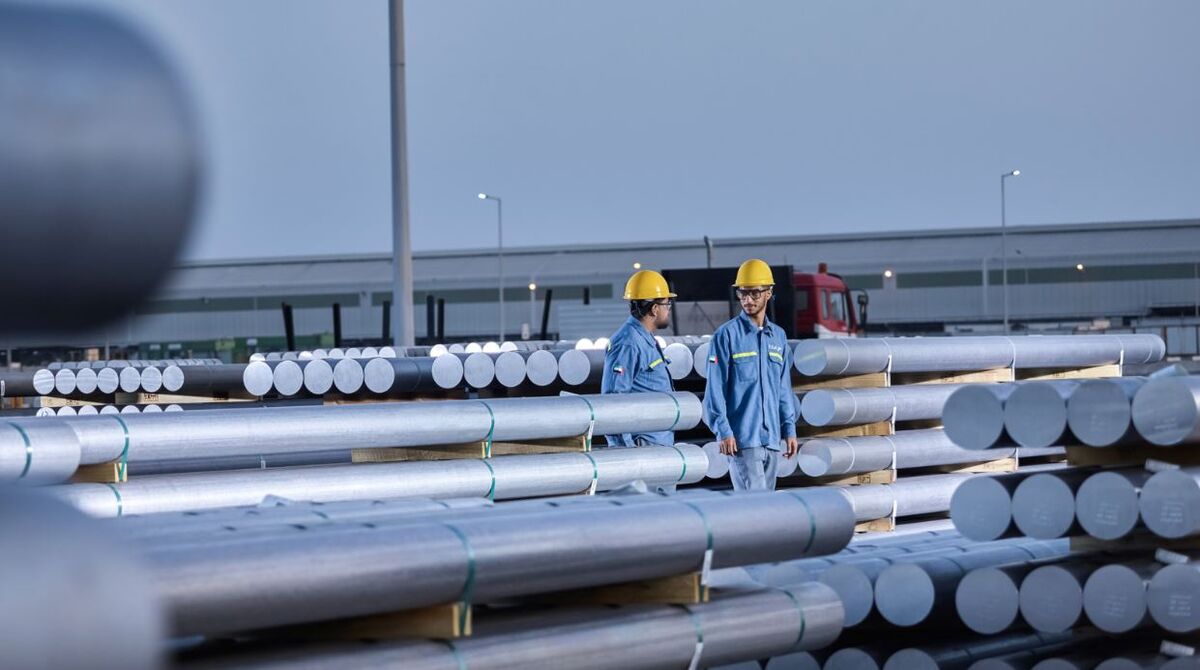
The strikes on Russian energy infrastructure occur as regional conflicts increasingly disrupt worldwide supply chains. Two Middle Eastern aluminum producers were hit by Iranian attacks on Saturday, illustrating how military actions across multiple theaters are affecting vital industries globally. The convergence of these attacks highlights mounting pressure on critical commodities and the infrastructure that moves them to international markets.
Ukraine's focus on oil export facilities reflects a deliberate strategy to constrain Russia's wartime financing. By targeting ports and refineries rather than population centers, Kyiv aims to degrade Moscow's economic capacity while maintaining international support for its defensive operations. Each successful strike reduces the volume of petroleum Russia can sell abroad, directly limiting funds available for military operations.
The damage to Ust-Luga and Yaroslavl underscores how modern warfare extends beyond traditional battlefields into economic infrastructure. As long as Ukraine maintains the capability to strike these targets and Russia continues to operate them, this cycle of attack and repair will persist, with consequences rippling through global energy markets and the economies dependent on stable oil supplies.
Highlighted text was flagged by the council. Tap to see feedback.