Ukraine's Amputees Become Symbol of Defiance Against Russian Invasion
Revised after bias review
 Council News
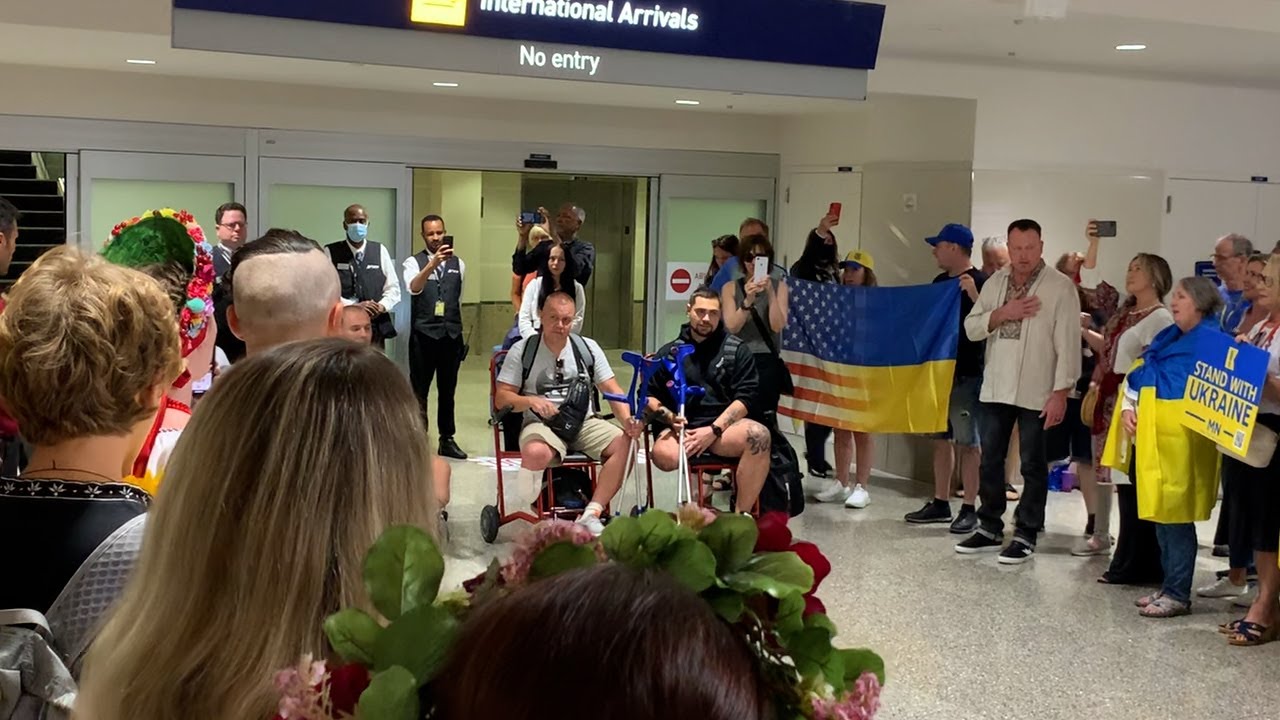





Ukraine's combat amputees clinging to hope as a weapon of war is a powerful and underreported human interest story. While the war in Ukraine is covered, the long-term impact on individuals and their resilience is often missed. This story has the potential to resonate emotionally and generate widespread sharing as it highlights the human cost of conflict. The single source makes it undercovered.
Ukraine's combat amputees cling to hope as a weapon of war - Only 1 source (NPR) covering a deeply human story with massive implications. This is undercovered human interest with geopolitical weight. The angle of disabled soldiers as part of Ukraine's resistance narrative has viral emotional potential and challenges Western assumptions about warfare's human cost.
With just 1 source, this story on Ukraine's combat amputees is overlooked but carries emotional weight and viral potential by showcasing the human cost of war in a personal, hopeful way that challenges desensitized narratives. It affects daily life through its implications for global security and veteran support, and the council can add unique value by providing multi-perspective analysis on rehabilitation efforts with US implications for military aid and policy.
Sole source (NPR) on a humanitarian crisis hiding in plain sight: Ukraine now has more amputees per capita than any nation since WW II, yet Western media fatigue means prosthetics shortages, phantom-limb pain clinics and the psychological toll on an entire generation of 20-something veterans go unreported. The visual of rows of ‘bionic’ soldiers learning to walk again is share-worthy and forces readers to confront the long-tail cost of endless war aid.
Mykhailo Varvarych lost both his legs to a Russian artillery strike. Iryna Botvynska, a medic, lost her leg to the same conflict. They are not anomalies. Ukraine has a growing number of combat amputees, many of them in their twenties and thirties. They are redefining what it means to survive a war that shows no signs of ending.
These soldiers are not disappearing into hospitals or rehabilitation centers. They are walking again, returning to work, and rebuilding their lives while the conflict continues. Varvarych is learning to walk on prosthetics designed to restore mobility. Botvynska returned to work as a medic.
Many Ukrainian soldiers have lost limbs since Russia's full-scale invasion began. They are at the peak of their lives, now learning to move through a world that was not built for their new bodies. The rate of amputations among Ukrainian service members is high by modern standards.
Varvarych and Botvynska represent something larger than their individual stories. They show personal resilience amid the war's challenges. Their prosthetics are not just medical devices. They are tools for rebuilding their lives.
What makes their story significant is the determination woven through it. These amputees are not waiting for the war to end to reclaim their lives. They are learning to walk, to work, to exist as whole people while the conflict continues around them. Phantom limb pain, depression, and the psychological weight of permanent disability are documented effects of amputation. But so is the determination to prove that amputation is not the end of their story.
Botvynska returned to work as a medic. Varvarych is learning to walk on prosthetics designed to restore not just mobility but dignity. They are part of a larger movement of disabled soldiers who refuse to fade from public view.
This story matters beyond Ukraine's borders. Every prosthetic limb, every rehabilitation clinic, every therapist treating phantom pain represents a long-term cost of war. Western military-aid packages rarely specify how much money is earmarked for prosthetics and lifelong rehabilitation. This leaves taxpayers unclear about the full long-term cost of the war.
Congress and European parliaments have appropriated funds that will pay for prosthetics and decades of care for Ukrainian amputees. Multiple questions emerge from this reality. Ukraine must determine how to sustain long-term care for amputees. Policymakers must weigh the long-term costs of military aid. Ethicists ask whether acknowledging these costs should change how we evaluate military support.
For Varvarych and Botvynska, the war is not over. Neither is their fight to rebuild their lives. Varvarych calls hope "a weapon we still get to carry" as he learns to walk on titanium legs.
Cross-referenced to ensure accuracy