The United Nations aviation agency has imposed a limit of two power banks per passenger on commercial flights, a new safety regulation that reshapes what electronic devices travelers can bring aboard aircraft. The restriction stems from concerns about lithium battery risks in the cargo hold and cabin.
Passengers accustomed to carrying multiple backup batteries for long journeys or layovers may face enforcement of the limit at airport security checkpoints. Passengers carrying more than two power banks may face enforcement of the limit at airport security checkpoints.
Power banks contain lithium-ion batteries, the same technology that has caused fires in aircraft cargo holds during previous incidents. A single power bank malfunction becomes less likely to trigger a cascade of failures when fewer devices travel in proximity.
The agency weighed passenger convenience against safety data before settling on the two-unit threshold. Allowing zero power banks would have created hardship for business travelers and long-haul passengers. Permitting unlimited quantities would have negated the safety benefit entirely. The two-device compromise represents the agency's judgment about acceptable risk.
Passengers boarding flights must now count their power banks before reaching security. Those carrying three or more devices will be required to surrender the excess or check them in baggage, assuming airlines permit that option. Travel bloggers and frequent fliers who stockpile chargers for international trips face the most disruption.
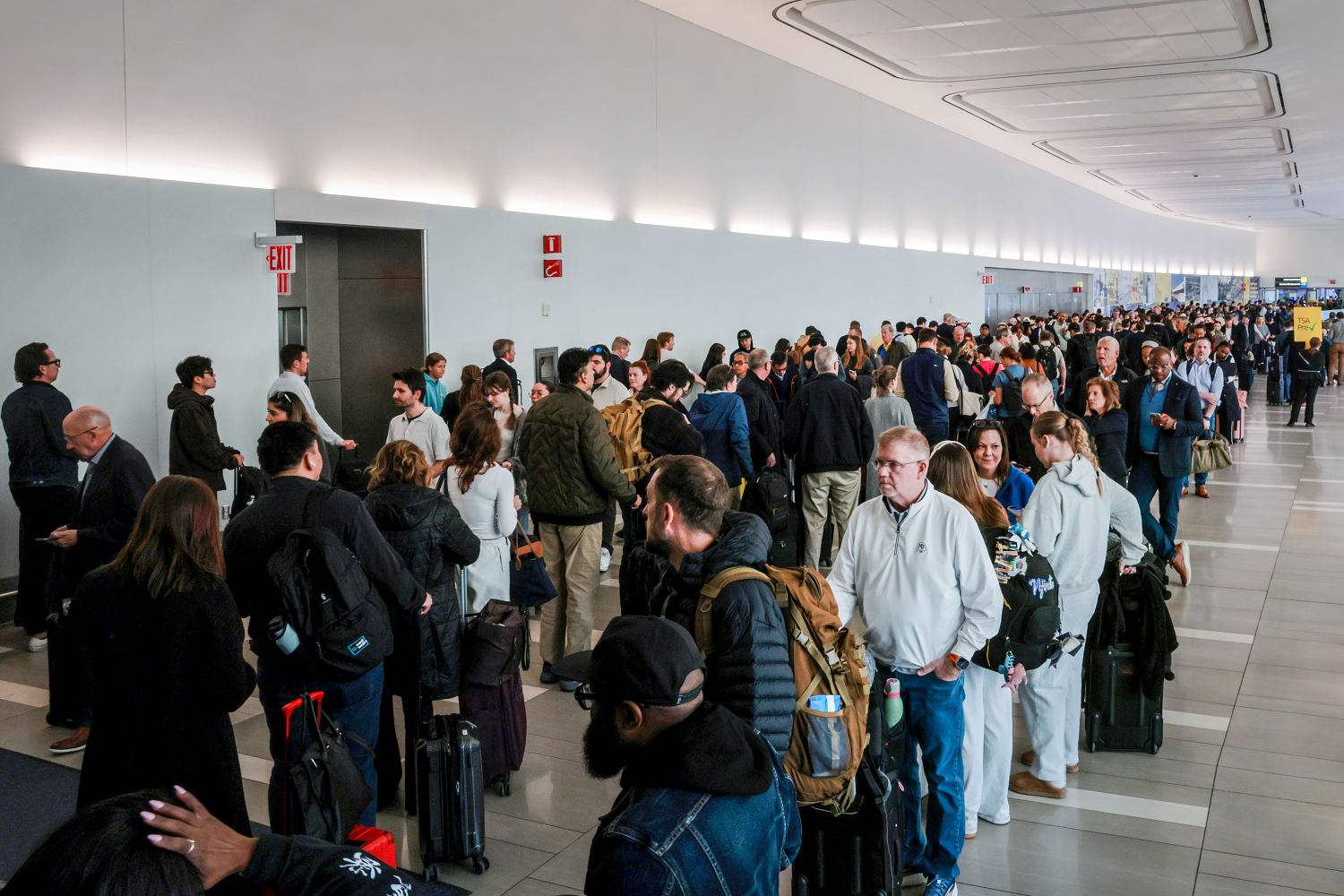
Airlines bear responsibility for communicating the rule to passengers and enforcing compliance at gates and during boarding. Ground crews must identify passengers with excess power banks and document confiscations. The administrative burden falls heaviest on carriers operating from busy hubs where passenger volume makes enforcement time-intensive.
The United Nations aviation agency has imposed a limit of two power banks per passenger on commercial flights, a new safety regulation that reshapes what electronic devices travelers can bring aboard aircraft. The restriction stems from concerns about lithium battery risks in the cargo hold and cabin, where overheating or fire in a single device could spread rapidly in a pressurized environment.
The rule affects millions of daily fliers who rely on portable chargers to keep phones and laptops powered during travel. Passengers accustomed to carrying multiple backup batteries for long journeys or layovers will now face confiscation of excess devices at airport security checkpoints. Airlines must enforce the limit across all flights under the agency's jurisdiction.
Power banks contain lithium-ion batteries, the same technology that has caused fires in aircraft cargo holds during previous incidents. The UN aviation agency determined that restricting each passenger to two units reduces the cumulative fire risk while still allowing travelers reasonable access to charging capability. A single power bank malfunction becomes less likely to trigger a cascade of failures when fewer devices travel in proximity.
The agency weighed passenger convenience against safety data before settling on the two-unit threshold. Allowing zero power banks would have created hardship for business travelers and long-haul passengers. Permitting unlimited quantities would have negated the safety benefit entirely. The two-device compromise represents the agency's judgment about acceptable risk.
Passengers boarding flights must now count their power banks before reaching security. Those carrying three or more devices will be required to surrender the excess or check them in baggage, assuming airlines permit that option. Travel bloggers and frequent fliers who stockpile chargers for international trips face the most disruption.
Airlines bear responsibility for communicating the rule to passengers and enforcing compliance at gates and during boarding. Ground crews must identify passengers with excess power banks and document confiscations. The administrative burden falls heaviest on carriers operating from busy hubs where passenger volume makes enforcement time-intensive.
Highlighted text was flagged by the council. Tap to see feedback.