The UN General Assembly has officially designated the transatlantic African slave trade as "the gravest crime against humanity," with 123 nations voting in favor of the resolution. Only the United States, Israel, and Argentina opposed the measure, while 52 countries, including the United Kingdom and all 27 EU member states, abstained. Ghana, a leading advocate for the resolution, emphasized the ongoing impact of slavery, citing the need for reparations and healing.
The resolution recognizes that at least 12.5 million Africans were forcibly taken to the Americas during the transatlantic slave trade, with only 10.7 million surviving the horrific journey. Ghana's Foreign Minister, Samuel Okudzeto Ablakwa, stated that the resolution serves as a safeguard against forgetting this dark chapter in history. He argued that acknowledging these historical injustices is essential for addressing current racial disparities.
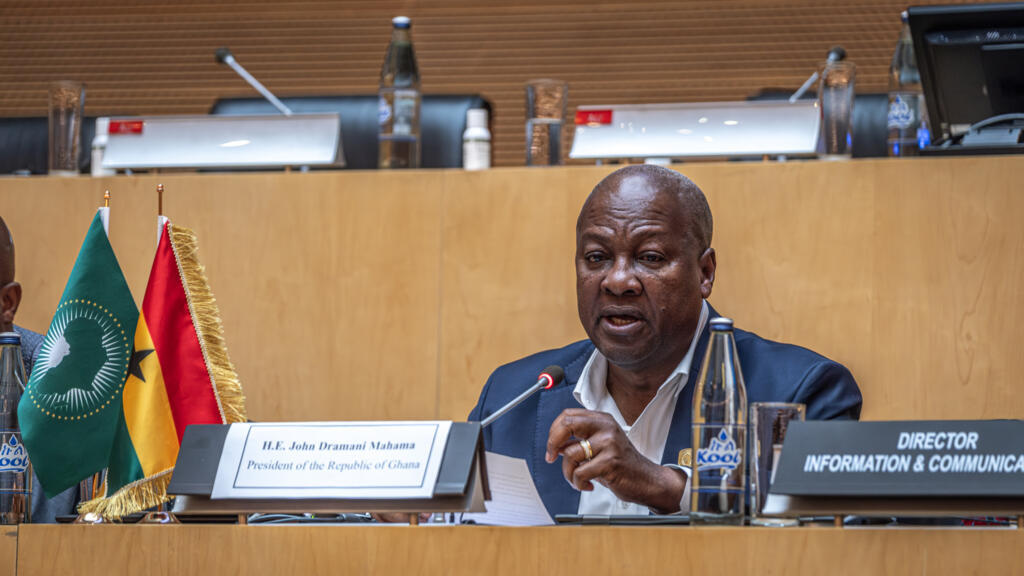
Ghana's President John Dramani Mahama, present at the UN during the vote, articulated a vision for reparative justice. He asserted that the resolution should lead to formal apologies, restitution, and changes in laws to combat systemic discrimination. The resolution specifically calls for UN member nations to engage in discussions on reparatory justice measures, including compensation and rehabilitation for affected communities.
Opposition to the resolution primarily stemmed from the United States, where Deputy Ambassador Dan Negrea expressed that the U.S. does not recognize a legal right to reparations for historical wrongs. He voiced concerns over the resolution's implication of a hierarchy among crimes against humanity, arguing that such a classification could undermine the severity of other atrocities. The EU representative, Gabriella Michaelidou, echoed similar sentiments, highlighting "legal and factual" concerns regarding the resolution's retroactive application of international law.
The resolution's passage marks a significant moment in the global discourse on historical accountability and reparations. Advocates view it as a necessary step toward healing and justice for descendants of enslaved Africans. Ghana's Foreign Minister reiterated that addressing historical injustices is critical to moving forward, stating, "History does not disappear when ignored."
The UN General Assembly has officially designated the transatlantic African slave trade as "the gravest crime against humanity," with 123 nations voting in favor of the resolution. Only the United States, Israel, and Argentina opposed the measure, while 52 countries, including the United Kingdom and all 27 EU member states, abstained. Ghana, a leading advocate for the resolution, emphasized the ongoing impact of slavery, citing the need for reparations and healing.
The resolution recognizes that at least 12.5 million Africans were forcibly taken to the Americas during the transatlantic slave trade, with only 10.7 million surviving the horrific journey. Ghana's Foreign Minister, Samuel Okudzeto Ablakwa, stated that the resolution serves as a safeguard against forgetting this dark chapter in history. He argued that acknowledging these historical injustices is essential for addressing current racial disparities.
Ghana's President John Dramani Mahama, present at the UN during the vote, articulated a vision for reparative justice. He asserted that the resolution should lead to formal apologies, restitution, and changes in laws to combat systemic discrimination. The resolution specifically calls for UN member nations to engage in discussions on reparatory justice measures, including compensation and rehabilitation for affected communities.
Opposition to the resolution primarily stemmed from the United States, where Deputy Ambassador Dan Negrea expressed that the U.S. does not recognize a legal right to reparations for historical wrongs. He voiced concerns over the resolution's implication of a hierarchy among crimes against humanity, arguing that such a classification could undermine the severity of other atrocities. The EU representative, Gabriella Michaelidou, echoed similar sentiments, highlighting "legal and factual" concerns regarding the resolution's retroactive application of international law.
The resolution's passage marks a significant moment in the global discourse on historical accountability and reparations. Advocates view it as a necessary step toward healing and justice for descendants of enslaved Africans. Ghana's Foreign Minister reiterated that addressing historical injustices is critical to moving forward, stating, "History does not disappear when ignored." The resolution may pave the way for further discussions on reparations and the restoration of looted cultural artifacts to African nations.
As nations reflect on this landmark decision, the implications for international relations, reparations, and historical accountability are poised to reshape conversations on race and justice globally.
Highlighted text was flagged by the council. Tap to see feedback.






The sources also report that Ghana's Foreign Minister suggested returning looted artifacts to Africa as one pathway to restorative justice.