




Flight Reductions
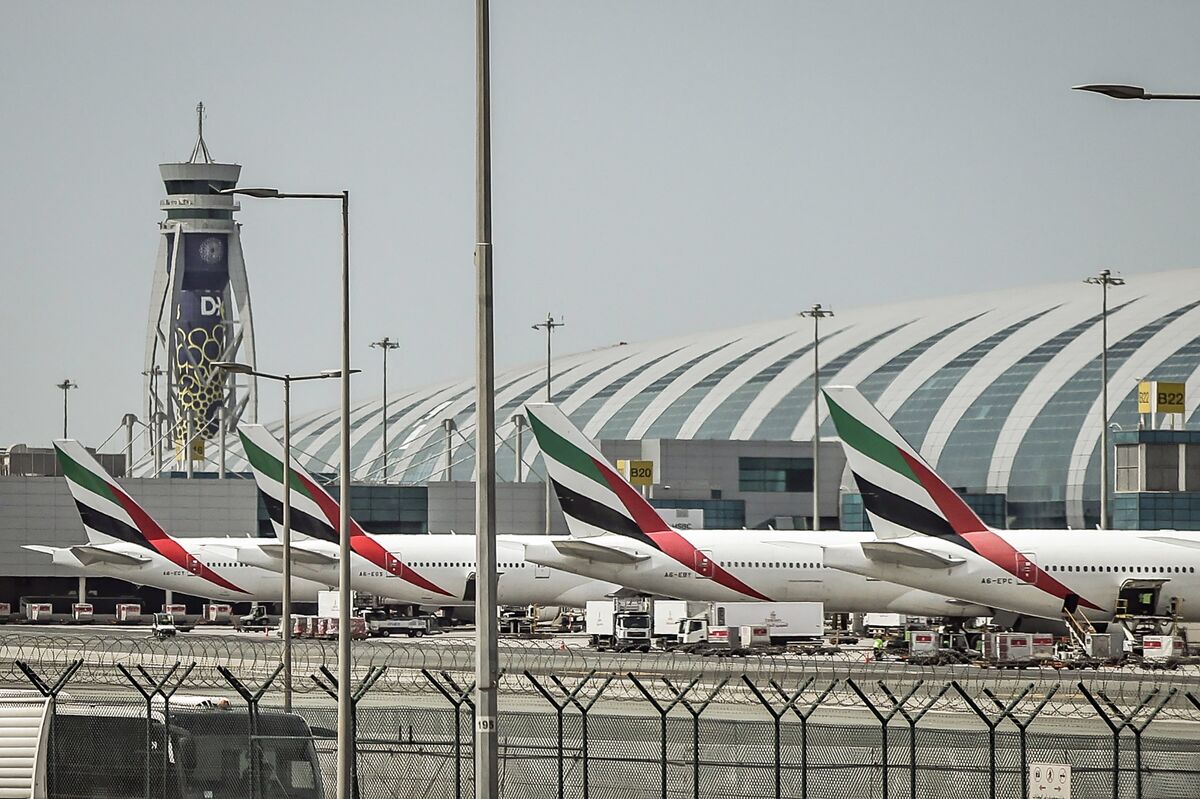
United Airlines is cutting approximately 3% of its flights during off-peak periods, according to a memo shared by United CEO Scott Kirby. The reductions will primarily affect redeye trips. This decision comes as rising fuel costs linked to Middle East conflict tensions put pressure on the airline industry.
Rising Fuel Prices
Scott Kirby warned of a potential surge in oil prices to $175 a barrel. This increase would significantly raise jet fuel expenses for United Airlines Holdings Inc., even amidst record travel demand.
Middle East Tensions
The Iran conflict has entered its fourth week, marked by strikes on nuclear sites and a reported attack on a US-UK base. Ali Vaez, Director of the Iran Project and senior adviser at the International Crisis Group, described the attack on Diego Garcia, a joint US-UK base, as an escalation. Israeli Defence Minister Israel Katz stated the United States and Israel would intensify their strikes on Iran starting Sunday.
Broader Regional Impact
The United States is sending more warships and Marines to the Middle East. Iran threatened to expand its retaliatory attacks to recreational and tourist sites worldwide. Syrian President Ahmed al-Sharaa said he is working to keep his country away from the conflict.
Economic Responses
Spanish Prime Minister Pedro Sanchez announced a five billion euro ($5.8 billion) package to offset the economic impact of the Middle East conflict. The package includes a "drastic reduction" in energy taxes.
India's Energy Outlook
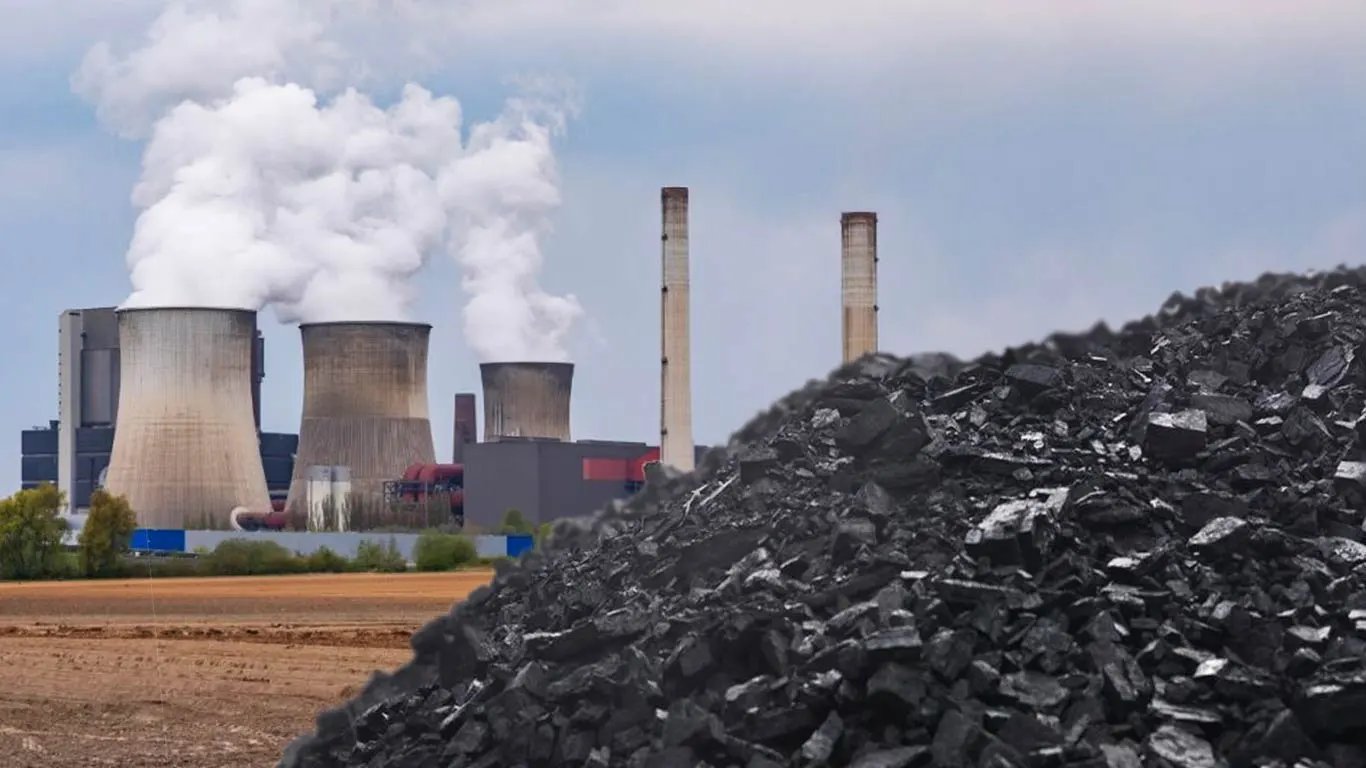
Power Secretary Pankaj Agarwal stated India anticipates meeting peak summer electricity demand despite the Middle East conflict. India is relying on coal, renewables, and battery storage. A 4 GW imported coal plant and fast-tracked wind projects will bolster supply, while solar covers daytime needs and batteries address evening demand.
Lebanon's Ongoing Crisis
Lebanon has been mired in conflicts and crises for decades. The worst was the 15 year civil war that erupted in 1975.