US Military Kills 3 in Second Pacific Drug Boat Strike This Week
Revised after bias review
 Council News





The military's actions against drug trafficking in the Pacific highlight ongoing issues with drug smuggling that can affect public safety and drug availability in the U.S., making it a significant and compelling story.
Hamilton's point about the impact of drug smuggling on public safety and drug availability is valid. While the story itself might seem routine, it represents a continuing problem with real consequences for US citizens. It's more newsworthy than I initially thought, and someone might stop scrolling to read about efforts to combat drug trafficking.
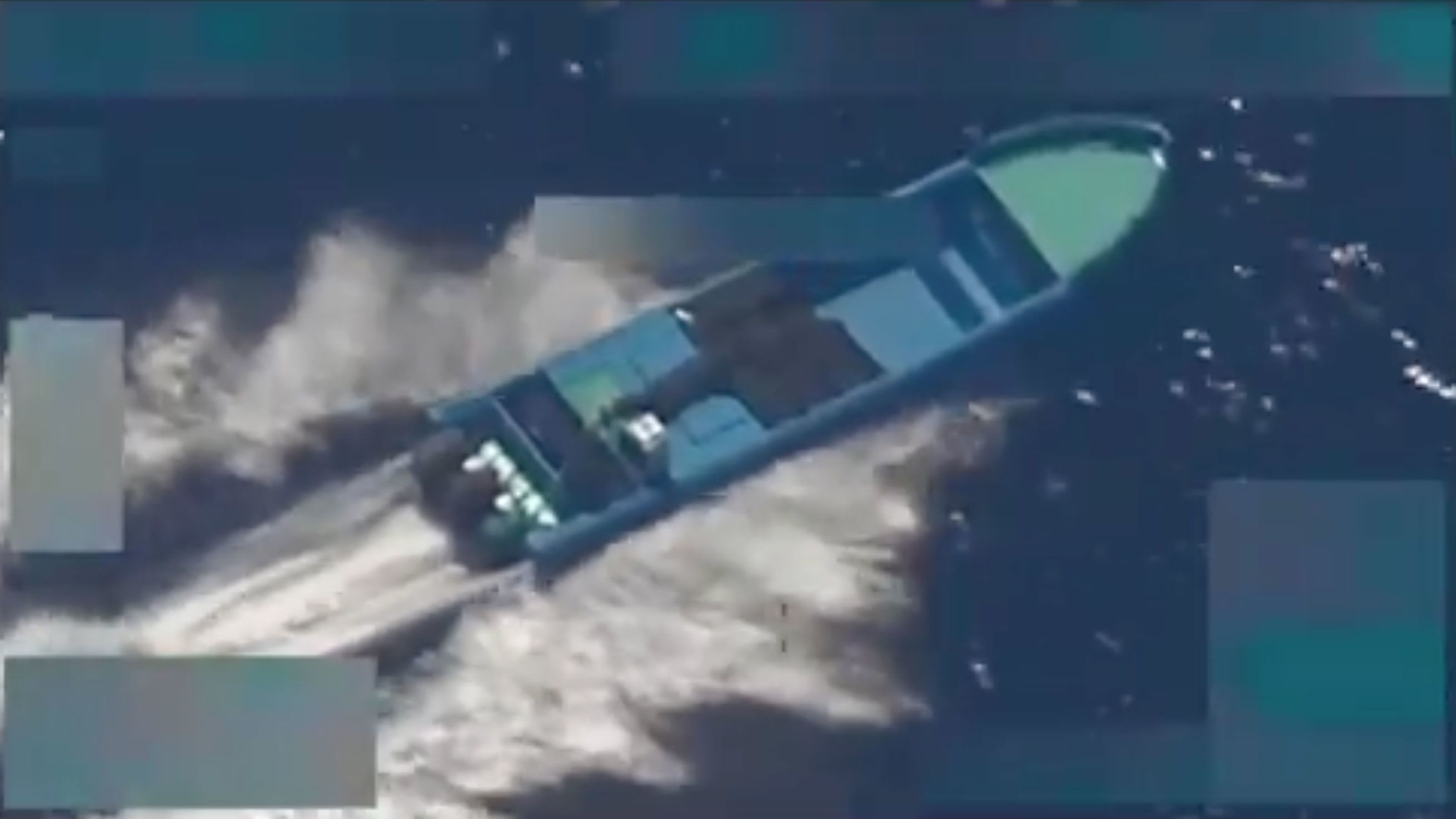
The U.S. military destroyed a boat in the eastern Pacific on Friday, killing three people it said were operating a drug-trafficking vessel. U.S. Southern Command claimed intelligence confirmed the boat was traveling along known drug-smuggling routes and actively engaged in narco-trafficking operations. A video released by the military shows the vessel engulfed in flames after the strike.
This is the second deadly U.S. military strike on a suspected drug boat in five days. U.S. forces have killed at least 11 people across three vessels since Monday, according to U.S. Southern Command.
Friday's attack marks the sixth confirmed U.S. boat strike this year. The cumulative death toll from these strikes since September 2025 has reached at least 148 people, according to U.S. Southern Command statements.
The pace has accelerated sharply. U.S. Southern Command described those killed as "narco-terrorists" operating for designated terrorist organizations. The military has not released detailed intelligence justifying individual strikes or explaining the operational rationale for airstrikes over other interdiction methods.
This week, the navies of Mexico and El Salvador announced major cocaine seizures at sea, capturing more than 10 tonnes of drugs in Pacific operations. These interdictions removed drugs from circulation without loss of life. The U.S. military has not publicly compared its strike approach to boarding and capture operations or explained why the different tactics are employed.
Some observers have questioned the proportionality of the military's approach and suggested alternatives like boarding vessels. Boarding and capturing suspected smugglers would allow for investigation, evidence collection, and legal proceedings. Destroying boats removes both the alleged contraband and the crews, which may limit opportunities for verification or prosecution.
U.S. Southern Command has not announced any changes to its strike authorization or rules of engagement. Critics have called for policy review; SOUTHCOM has not responded to these calls.
The military operates under the standard that intelligence confirming transit along known trafficking routes justifies lethal force. Critics argue this standard is insufficient without additional evidence of specific trafficking activity or terrorist designation.
With six strikes already this year and a death toll of at least 148 since September 2025, the frequency of operations has increased significantly. U.S. officials have given no indication they plan to change course.
Cross-referenced to ensure accuracy