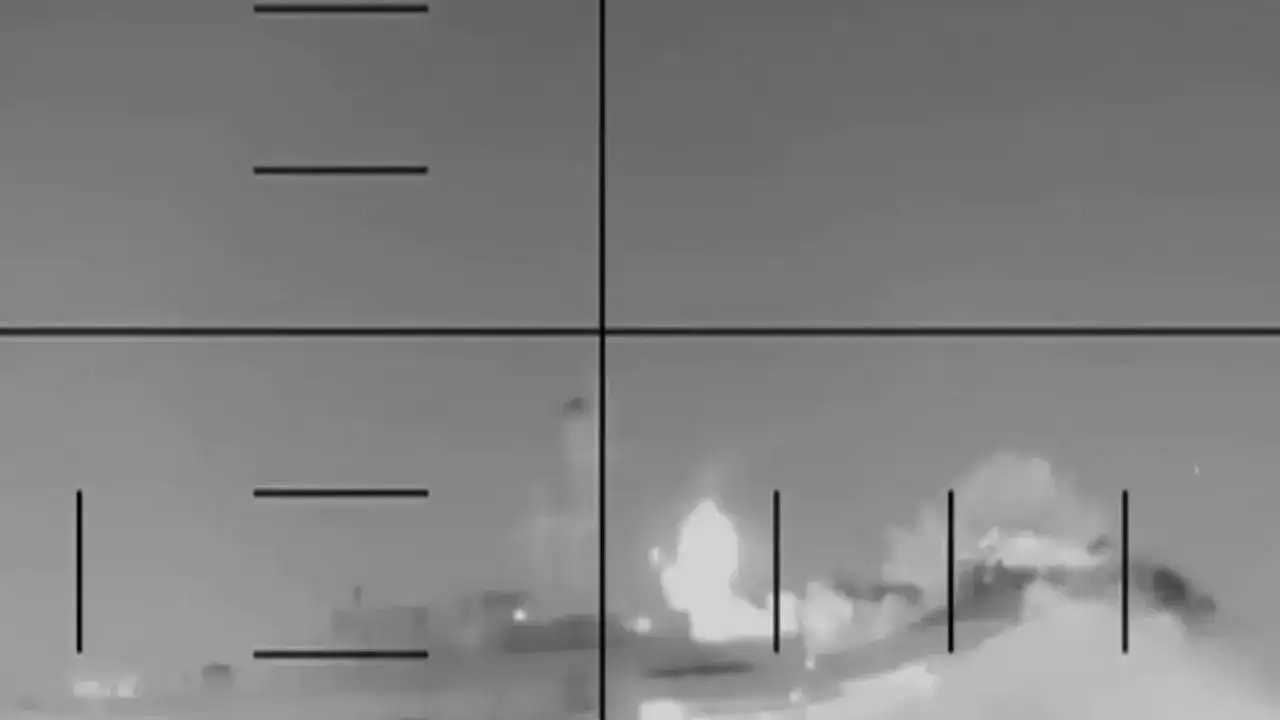
A US submarine sank the Iranian frigate IRIS Dena off Sri Lanka's coast on Wednesday, killing at least 80 Iranian sailors, according to early reports from Sri Lankan rescuers. Defense Secretary Pete Hegseth confirmed the strike, marking the first time US forces have sunk an enemy ship with a torpedo since World War II. The strike has raised concerns about regional stability. Qatar has shut its gas liquefaction operations, and tankers have been stranded in the Gulf for five days, according to Reuters sources.
A US Navy submarine fired a torpedo that sank the Iranian frigate IRIS Dena in international waters near Sri Lanka's southern coast. Pete Hegseth announced the strike during a Pentagon briefing, saying it was the first time US forces have sunk an enemy ship with a torpedo since World War II. Sri Lankan authorities rescued 32 survivors from the water.
Sri Lankan authorities recovered 87 bodies and rescued 32 survivors from the Iranian frigate IRIS Dena. The ship had a crew of 180, leaving 148 unaccounted for, according to reports. At least 87 Iranian sailors were killed in the strike.
This strike follows an Iranian drone attack on Sunday that killed six U.S. soldiers at a civilian port in Kuwait, according to The Associated Press. According to PBS NewsHour, Tehran vowed to completely destroy the Middle East's military and economic infrastructure in response to the strike. Qatar has shut its gas liquefaction operations, which will take weeks to restart, according to Reuters sources. Tankers have been stranded in the Gulf for five days.
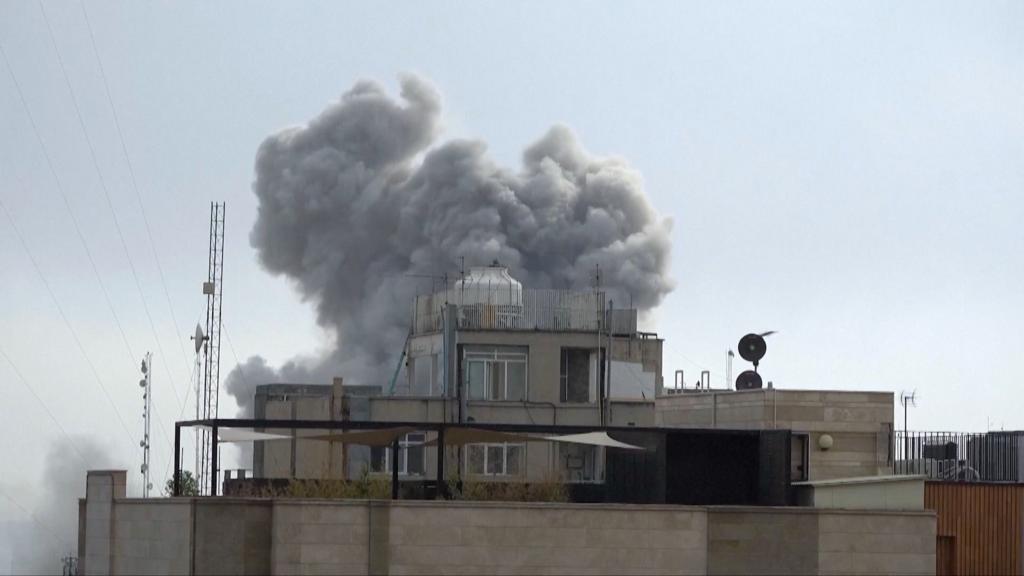
Tankers have been stranded in the Gulf for five days, according to Reuters. Separately, satellite imagery shows an apparent attack on an Iranian nuclear site, according to Reuters reporting. The Pentagon warned that operations in Iran are "far from over," according to France 24. Separately, a US official warned that AI contract restrictions could threaten military missions, according to Reuters.
Your next vacation or business trip could face new risks after a US submarine torpedoed an Iranian warship off Sri Lanka, killing 87 sailors and pushing the Middle East conflict into the Indian Ocean. This bold military move, confirmed by Defense Secretary Pete Hegseth, threatens to disrupt global shipping routes and raise fuel costs for millions of Americans. As tensions escalate, everyday activities like filling up your car or receiving packages from Asia might become more expensive and uncertain.
A US Navy submarine fired a torpedo that sank the Iranian frigate IRIS Dena in international waters near Sri Lanka's southern coast. Pete Hegseth announced the strike during a Pentagon briefing, marking the first time US forces have sunk an enemy ship with a torpedo since World War II. Sri Lankan authorities detected the explosion and quickly mobilized rescue operations, pulling 32 survivors from the water as the vessel went down.
At least 87 Iranian sailors died in the attack, with 148 others reported missing amid rough seas and debris. Rescue teams from Sri Lanka recovered the bodies and treated the injured on nearby vessels, turning a routine naval patrol into a deadly disaster. For the families of those lost, this event underscores the human cost of escalating hostilities, as loved ones who set sail from Iranian ports never returned.
This strike follows a series of US actions against Iranian forces, including drone attacks that killed six American soldiers in Kuwait just days earlier. Iranian officials condemned the sinking as an act of aggression, vowing retaliation that could target US assets in the region. Meanwhile, Qatar has halted its gas liquefaction operations, stranding tankers and potentially delaying energy supplies to Europe and the US, as the conflict ripples beyond the Middle East.
The incident has already snarled shipping in the Gulf, with tankers stuck for five days and satellite images revealing strikes on other Iranian sites, such as a nuclear facility. US officials, including Hegseth, warned that these operations are far from over, potentially involving AI-driven military decisions that could complicate future missions. For consumers, this means higher prices at the pump and possible delays in global trade, affecting everything from electronics to food imports.
The Pentagon will hold another briefing tomorrow to outline the next steps in this widening war.
Highlighted text was flagged by the council. Tap to see feedback.