




Postmaster General Warns Agency Could Run Out of Cash Within a Year
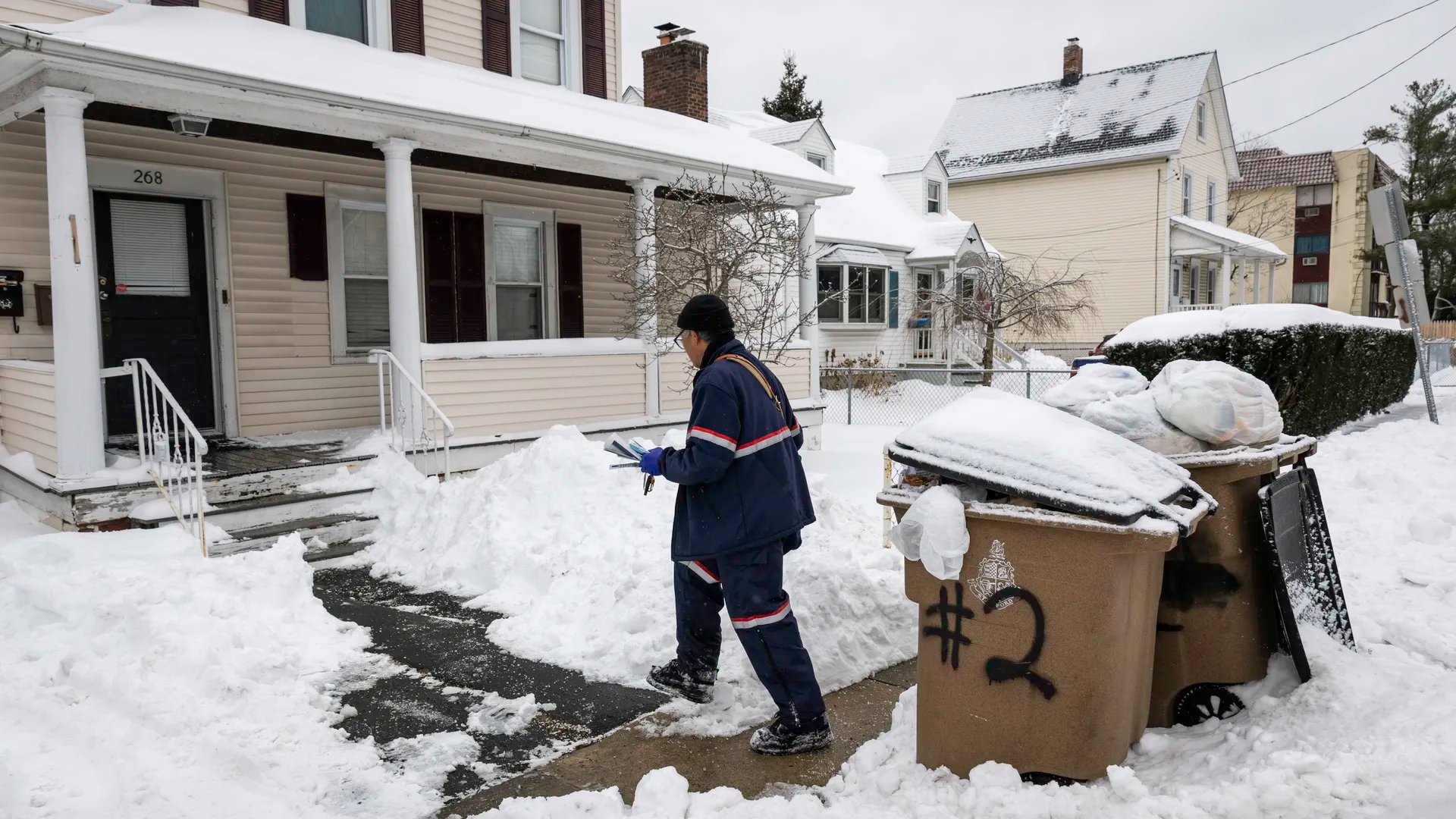
Postmaster General David Steiner told lawmakers that USPS could exhaust its cash reserves in less than 12 months without congressional intervention. "The mail will stop," Steiner warned, specifically mentioning that prescription drug packages would be among the deliveries affected. The agency has posted losses every year since 2007 as traditional mail volumes collapsed, yet must still deliver to roughly 170 million addresses nationwide regardless of cost.
Amazon Plans to Cut USPS Volume by Two-Thirds by September
Amazon said it will reduce the volume it sends through USPS by as much as two-thirds by September, citing USPS's decision to end negotiations. The company stated that USPS "abruptly walked away at the eleventh hour" after more than a year of negotiations for a potential long-term deal. This comes as USPS is pushing to raise stamp prices from the current 78 cents to as high as 90-95 cents.
Rural Americans Face Greatest Risk from Delivery Disruptions
The potential service cuts would hit hardest in areas that depend most on USPS, particularly those who rely on mail-order medications. About 6% of diabetes prescriptions in the U.S. are delivered by mail, according to Brookings research. Roughly 3.7 million Medicare enrollees live in areas where pharmacy access is limited and dependence on mail delivery is high.
Mail Industry Group Warns of Taxpayer Bailout
A coalition of mailers led by Keep US Posted argues that USPS is "raising prices while reducing service" and penalizing its core mail business. The group warns this strategy could push the agency toward requiring a taxpayer bailout. Government watchdogs concur there are "no easy solutions" and that USPS likely cannot fix its finances without congressional action.
Lawmakers Divided on Solutions as Deadline Approaches
Congress is considering several options to address the crisis: raising prices, cutting delivery days or closing post offices, and increasing federal support or borrowing authority. Even USPS leadership acknowledges that cost-cutting alone will not solve the problem. Steiner emphasized that if Americans want to maintain current service levels, "someone has to pay for it," making higher prices, reduced service, or public funding likely unavoidable.