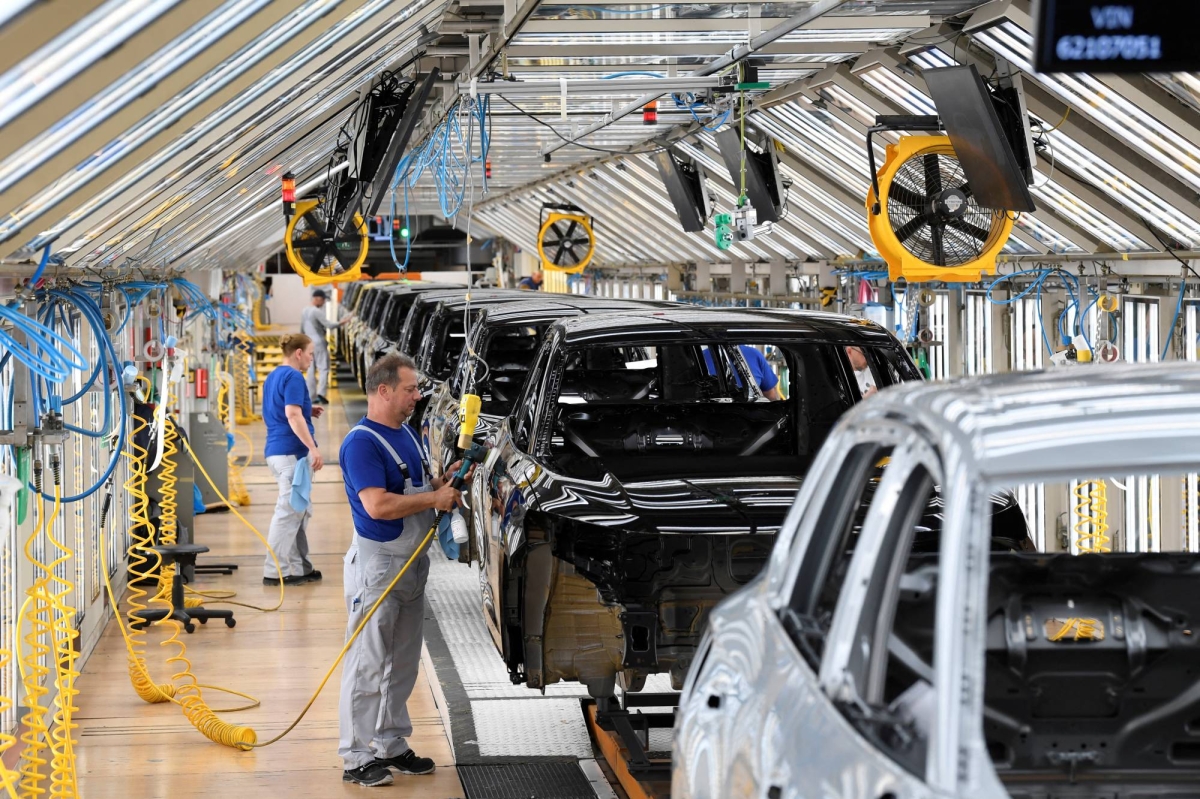
Volkswagen Group plans to eliminate 50,000 jobs in Germany by 2030, affecting workers across its brands including Audi and Porsche. The company previously agreed with unions to reduce more than 35,000 jobs by 2030, aiming to save €15bn through these measures.
Volkswagen's net profit after tax fell to €6.9bn in 2025, down from €12.4bn the year before, marking the lowest level since 2016. Europe's largest carmaker reported a 44% drop in post-tax profits for 2025, driven by US import tariffs, intense competition from China, and high restructuring costs from the shift to electric vehicles.
US tariffs on car imports worsened Volkswagen's financial strain, leading to lost revenues. The company faced declining demand in China, once a key market, as Chinese brands entered Europe and intensified sales rivalry. Blume highlighted in his shareholder letter that the firm is "operating in a fundamentally different environment," with high restructuring costs from the electric vehicle transition adding to the burden.
Porsche, a core part of Volkswagen, saw its net profit drop to €90m in 2025 from €5.3bn in 2024, nearly erasing its earnings. This downturn stemmed from a changed market in China and US tariffs, with Porsche's decision to extend production for combustion engine models costing around €5bn. The works council attributed part of the hit to €3bn in lost US revenues, underscoring how Porsche's struggles ripple through the broader Volkswagen empire.
Audi intends to cut up to 7,500 jobs by 2029, while Porsche aims to reduce about 3,900 positions, all through job-sharing, part-time deals, and voluntary severances rather than forced redundancies. Blume confirmed in his annual report that the group will focus on "rigorously reducing costs" in the coming months to address ongoing challenges.
Volkswagen Group plans to eliminate 50,000 jobs in Germany by 2030, affecting workers across its brands including Audi and Porsche. Chief executive Oliver Blume stated in a letter to shareholders that these cuts will span the entire group and occur in a "socially responsible manner." The company previously agreed with unions to reduce more than 35,000 jobs by 2030, aiming to save €15bn through these measures.
Volkswagen's net profit after tax fell to €6.9bn in 2025, down from €12.4bn the year before, marking the lowest level since 2016. Europe's largest carmaker reported a 44% drop in post-tax profits for 2025, driven by various external pressures. Finance chief Arno Antlitz noted that this profit margin of 4.6% is "not sufficient in the long run," prompting calls for further cost reductions.
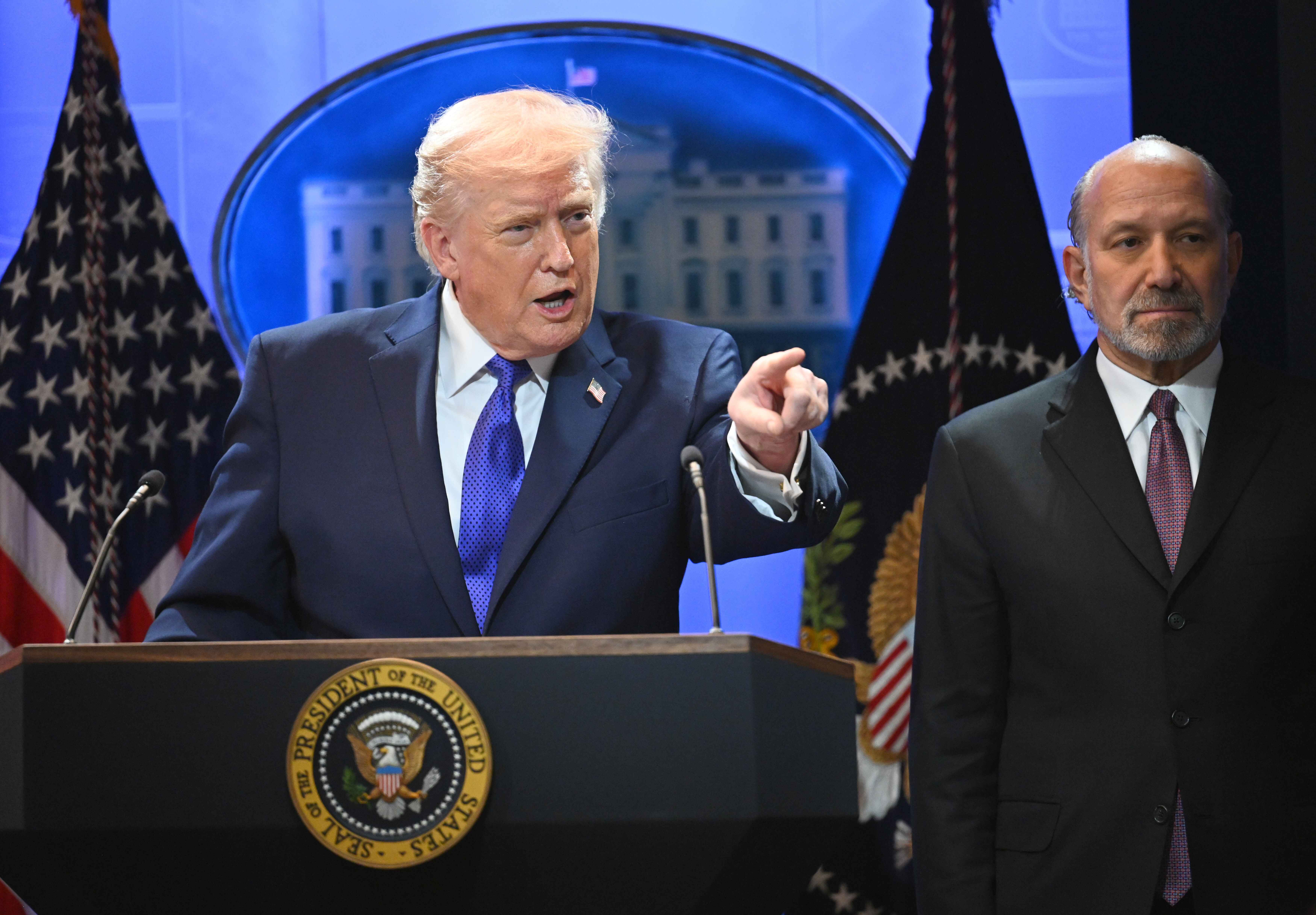
US President Donald Trump's 25% tariffs on car imports worsened Volkswagen's financial strain, leading to lost revenues. The company faced declining demand in China, once a key market, as Chinese brands entered Europe and intensified sales rivalry. Blume highlighted in his shareholder letter that the firm is "operating in a fundamentally different environment," with high restructuring costs from the electric vehicle transition adding to the burden.
Porsche, a core part of Volkswagen, saw its net profit drop to €90m in 2025 from €5.3bn in 2024, nearly erasing its earnings. This downturn stemmed from a changed market in China and US tariffs, with Porsche's decision to extend production for combustion engine models costing around €5bn. The works council attributed part of the hit to €3bn in lost US revenues, underscoring how Porsche's struggles ripple through the broader Volkswagen empire.
Audi intends to cut up to 7,500 jobs by 2029, while Porsche aims to reduce about 3,900 positions, all through job-sharing, part-time deals, and voluntary severances rather than forced redundancies. Blume confirmed in his annual report that the group will focus on "rigorously reducing costs" in the coming months to address ongoing challenges. Workers in supplier towns face direct consequences, as these cuts reshape the German auto sector and threaten local economies.
Highlighted text was flagged by the council. Tap to see feedback.