White House Vows to Honor Trade Deals Despite Supreme Court Tariff Defeat
Revised after bias review
 Council News
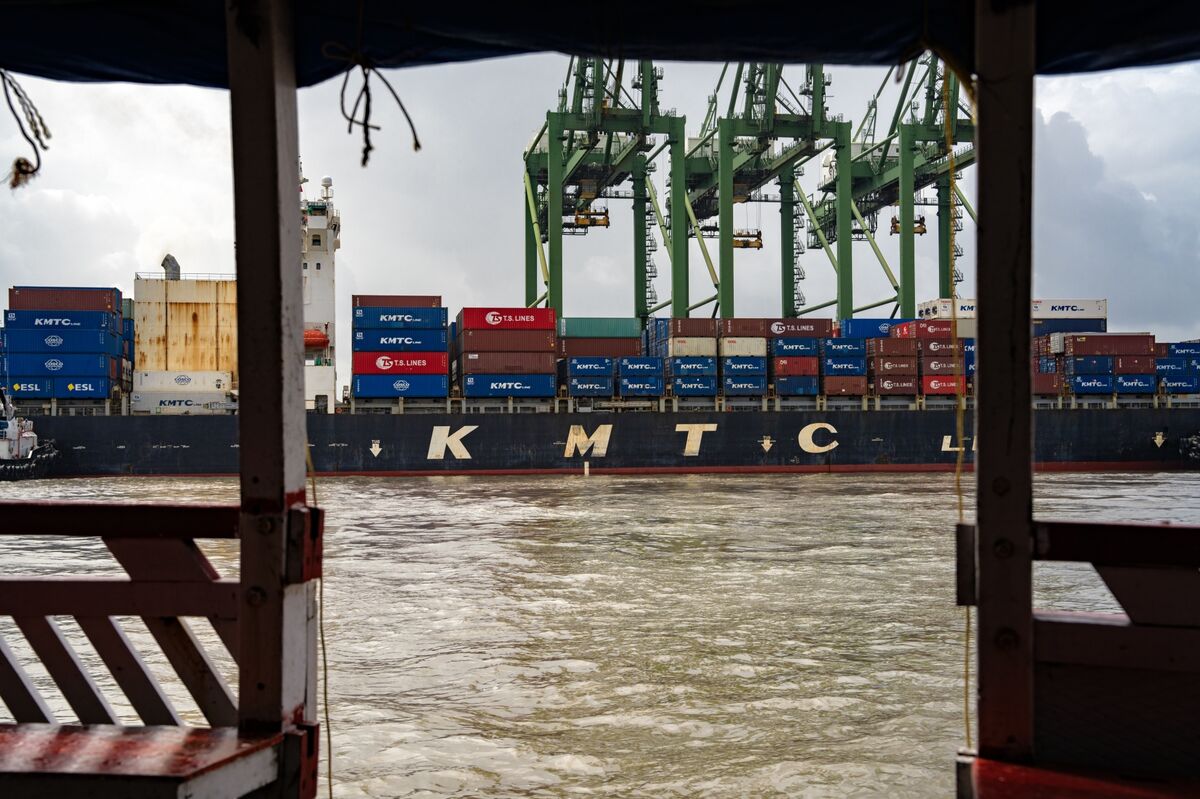





The White House's stance on trade deals after the SCOTUS ruling directly impacts businesses and consumers, as it influences import prices and economic stability, making it a story people will want to understand.
White House stance on trade deals after Supreme Court ruling with 11 sources shows how the administration will respond to the tariff court decision—critical for understanding what prices will actually do.
White House says it will ‘stand by’ trade deals after SCOTUS axed tariffs—this directly affects how much you’ll pay for imports and refunds already owed to U.S. businesses.
U.S. Trade Representative Jamieson Greer said Sunday the White House "expects to stand by" all trade agreements it has already signed, even after the Supreme Court struck down many of President Trump's tariffs as an illegal use of emergency powers. The administration, Greer explained, has "found ways to really reconstruct" its tariff strategy following Friday's court ruling that blocked the legal basis for existing levies.
That expectation matters because it could influence what you pay for imported goods—if the administration exempts existing deal partners from the new 15% global tariff. The Supreme Court decision struck down the emergency statute Trump used for many levies, raising questions about which existing tariffs remain in force.
On Friday, the Supreme Court ruled that Trump exceeded his authority by using an emergency statute to impose certain tariffs. The next day, Trump announced a new 15% global tariff on all imports, shifting from the emergency powers the court had blocked to different legal provisions.
This shift prompted governments that had signed or finalized deals to seek clarity on whether those agreements would still apply. The EU's executive branch insisted "a deal is a deal." Britain, Japan, Switzerland, Vietnam, and India all had finalized or signed trade deals with Washington before the court ruling.
Greer's statement addressed the uncertainty by committing to existing agreements. By stating it expects to honor existing deals, the administration signaled it does not currently plan to use the court's decision as grounds to reopen agreements.
Following the court ruling and the 15% tariff announcement, India postponed a trade-deal trip and the EU floated freezing ratification while awaiting details. India postponed a trip by its trade officials aimed at finalizing an interim trade deal with the U.S., choosing to wait for more details on the administration's new tariff framework. The European Parliament's trade chief will propose freezing ratification of the EU-U.S. trade deal until the administration clarified its full trade policy direction.
The timing led to political questions from India's Congress party. India's Congress party contended New Delhi could have negotiated from a stronger position had it waited for the court verdict. Indian officials have not publicly explained their rationale for proceeding before the court ruling.
While Greer expects to honor existing deals, the administration faces a structural challenge. The Supreme Court eliminated the legal foundation for many current tariffs, requiring the White House to identify alternative legal justifications for any levies it intends to maintain. The 15% global tariff Trump announced applies broadly rather than targeting specific countries or products as the previous tariffs did.
If the 15% global tariff is applied without exemptions, countries like the EU and India with existing deals could still face higher levies, testing Greer's expectation that current agreements will be upheld. The administration has not clarified whether the 15% global tariff will apply to countries with existing deals, creating uncertainty about how Greer's commitment will operate in practice.
The EU proposed freezing ratification of its trade deal until the administration clarified whether signatory countries would be exempt from the 15% global tariff. India postponed trade talks pending the same clarification.
The court's decision opened space for the administration to recalibrate, but it also left trading partners seeking clarity before taking further steps. The outcome will determine the stability of international trade relationships and the cost structure for imports across multiple economies.
Cross-referenced to ensure accuracy