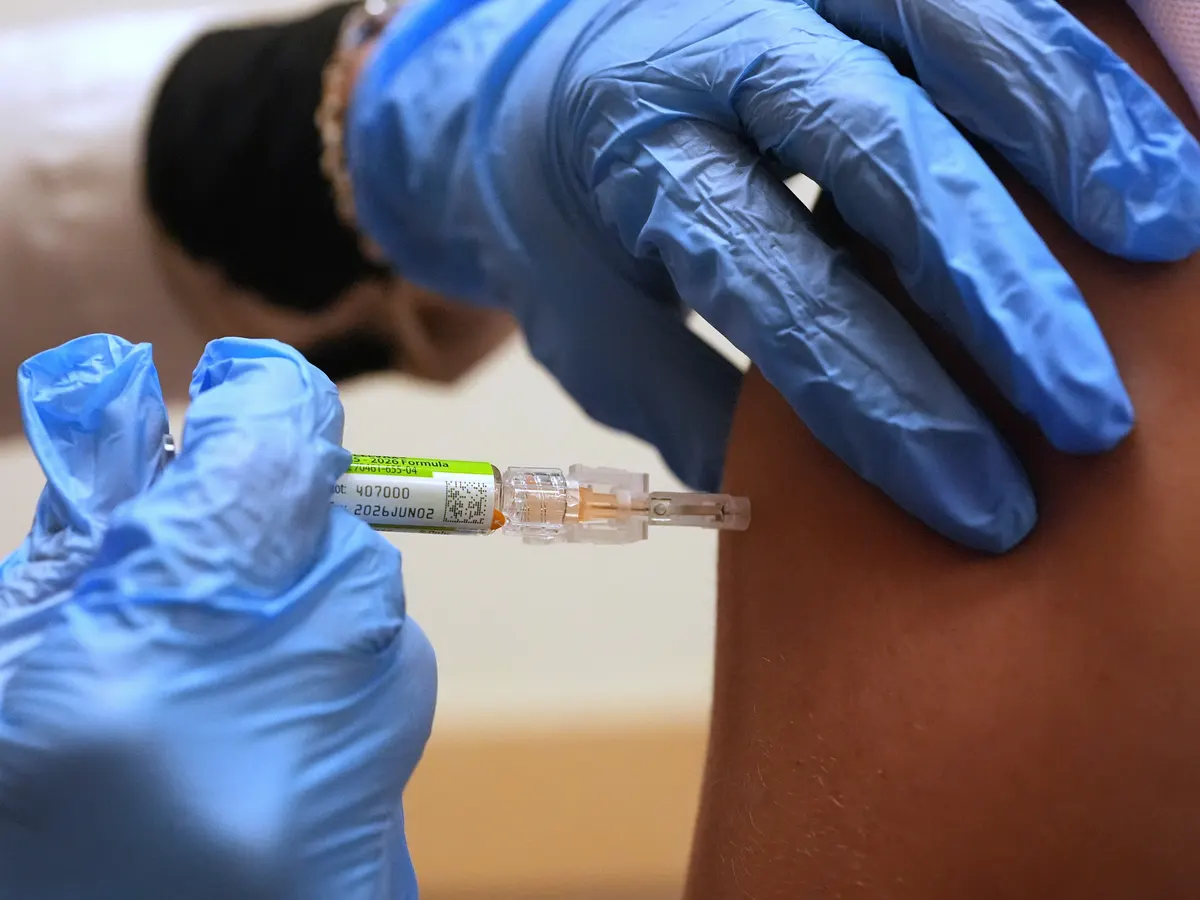
Your Drugs May Contain Cells Stolen from a Black Woman in 1951
Revised after bias review
 Council News





This story touches on bioethics, corporate responsibility, and patient rights, all hot-button issues. The use of 'stolen' cells is inherently shocking and raises questions about informed consent and the exploitation of vulnerable individuals. The fact that it's a settlement suggests a legal precedent is being set, making it nationally relevant.
With only 1 source, this story about a pharmaceutical company's settlement over 'stolen' cells is undercovered yet impactful, revealing hidden ethical issues in medicine that affect daily life through trust in healthcare; its surprising, dystopian angle ('wait, really? Companies are using stolen cells?') could go viral as it raises alarms about personal rights and sparks outrage or personal health stories.
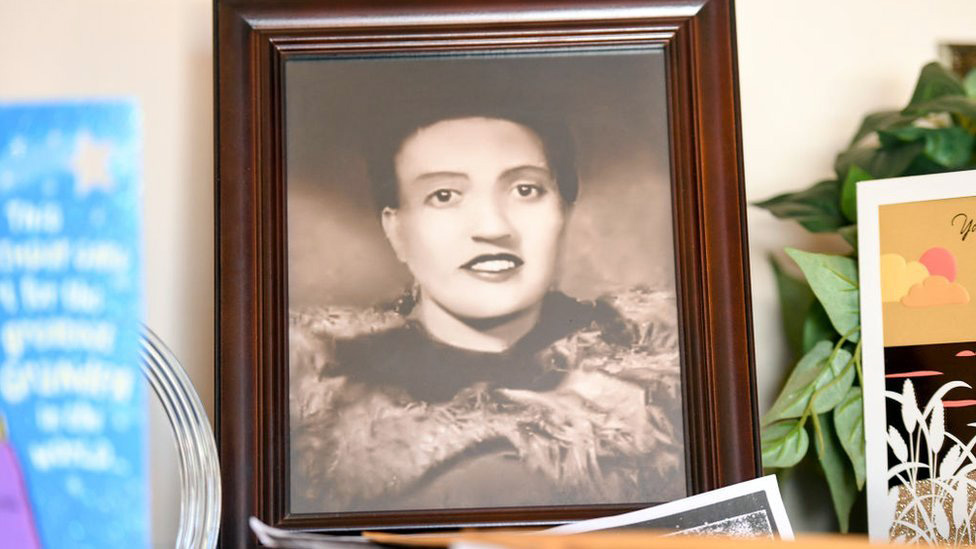
Some medicines, including certain cancer treatments, have roots in cells taken without consent. Novartis, a global pharmaceutical giant, settled a lawsuit from the estate of Henrietta Lacks, whose tumor cells were harvested in 1951 during her treatment for cervical cancer. This deal raises questions about trust in pharmaceutical companies and whether patients should share in profits when their tissue advances science.
Henrietta Lacks died in 1951 at age 31, but her cells, known as HeLa cells, live on in labs worldwide. Doctors at Johns Hopkins Hospital took samples of her tissue without her permission or knowledge. This practice was common at the time, though it would later be recognized as violating patient consent principles. These cells multiplied endlessly in culture, becoming the first human cells to do so. They fueled thousands of experiments that advanced drug development, gene mapping, and the polio vaccine. Companies have used them to develop products that reach the market. Lacks' family received no compensation for decades while companies profited from her cells.
Lacks' estate sued Novartis, alleging the company used HeLa cells without permission or compensation. The suit accused Novartis of unjust enrichment, claiming its drug research used HeLa cells without compensating the Lacks family. Novartis agreed to a settlement. Terms remain confidential; the company confirmed an undisclosed payment but released no further details. This resolution ends one family's fight. It raises questions about whether other firms have similarly profited from unconsented materials.
This case exposes a gap in bioethics that could affect anyone undergoing medical procedures, as it questions who owns our bodies after treatment. Lacks' story illustrates historical inequities in medical research. Advocates argue that similar issues may persist in modern health care. Some groups representing descendants of medical trial participants argue that stronger consent laws could prevent future abuses. They say reforms should ensure that profits from personal cells return to families or fund community health programs. This could mean greater transparency in drug development and protections for your data and tissues.
Advocacy groups are calling for mandatory consent forms in hospitals and updated guidelines on tissue use. Lacks' family plans to continue their advocacy, using the settlement to educate the public on informed consent. Some bioethicists say the settlement could renew calls for transparency about the human tissue used in drug research.
Cross-referenced to ensure accuracy