




What This Means for Parents and Patients
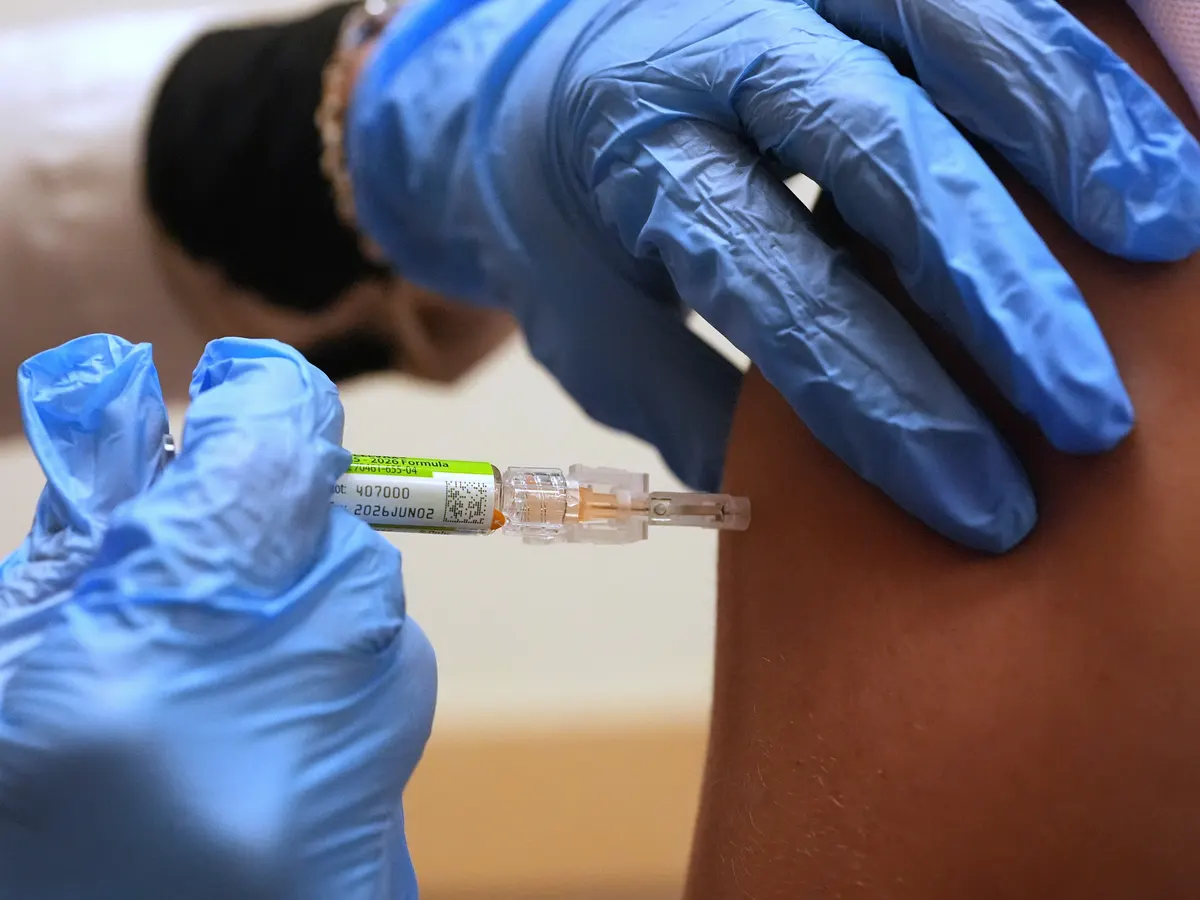
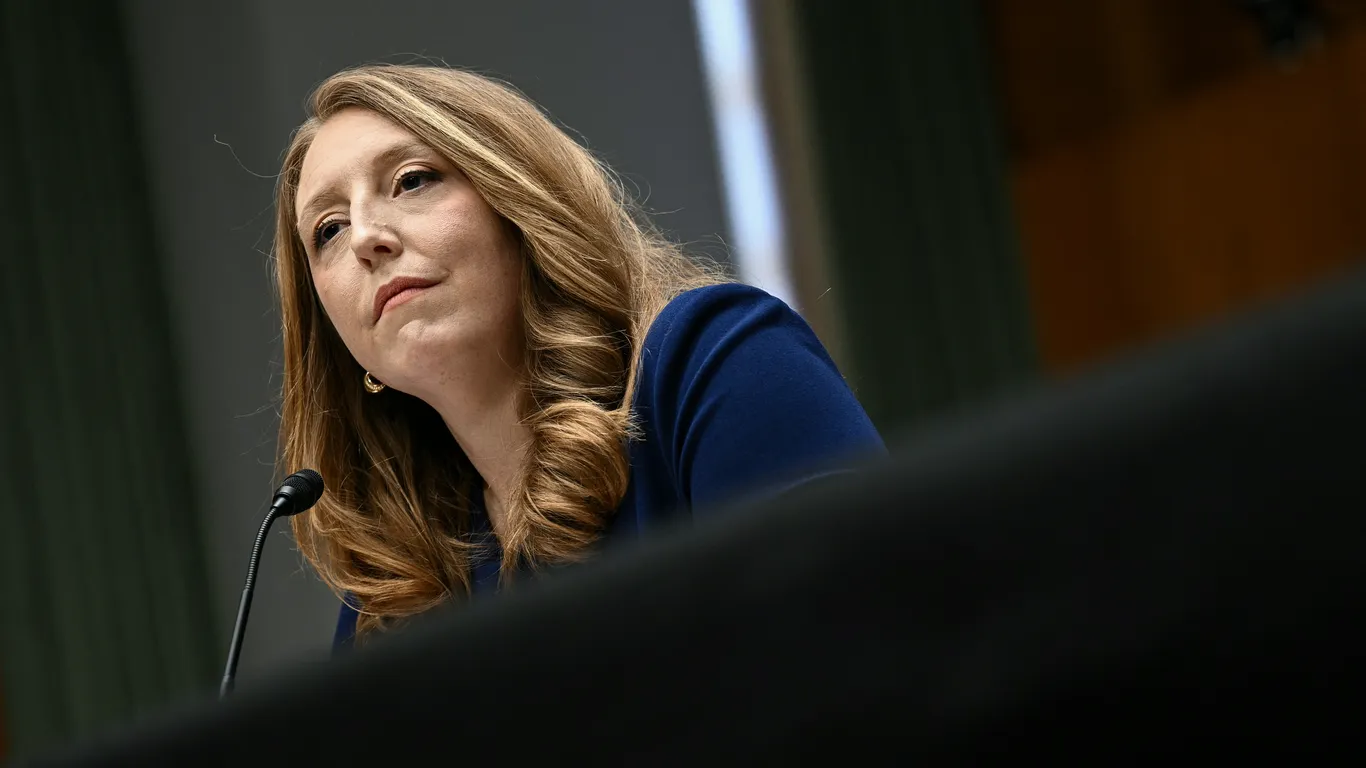
If you're a parent weighing vaccines for your child or managing chronic illnesses, Dr. Casey Means' potential role as surgeon general could influence federal health messaging priorities. Senators questioned her during a confirmation hearing on her vaccine positions, including past statements questioning routine shots like Hepatitis B for newborns, amid recent measles outbreaks in South Carolina with nearly 1,000 cases and deaths reported in Texas. This scrutiny highlights how her views could change the emphasis of federal health messaging.
Senators Probe Means' Vaccine Positions
Democratic Sen. Bernie Sanders asked Means whether she believes vaccines cause autism. Sanders noted studies showing no link between vaccines and autism. He also noted her ties to Health and Human Services Secretary Robert F. Kennedy Jr., whose views on vaccines differ from mainstream medical consensus.
Means responded that "anti-vaccine rhetoric has never been a part of my message." She said she's "supportive of vaccination" and that "vaccines save lives." However, when pressed on measles and whooping cough specifically, she said individuals should consult doctors first rather than receiving broad public health recommendations.
Republican Sen. Lisa Murkowski pressed her on skepticism toward the Hepatitis B vaccine for newborns, a standard protection against the virus. Sen. Bill Cassidy, the Senate health committee chair, pointed to recent measles outbreaks in South Carolina with nearly 1,000 cases and the deaths of two children in Texas. Cassidy repeatedly pressed her on whether she would encourage vaccination against measles amid current outbreaks. This back-and-forth revealed tensions over how the nation's top doctor would communicate during public health crises.
Questions Over Conflicts and Personal History
Means faced questions about potential biases from her past. Sen. Susan Collins zeroed in on Means' book "Good Energy," where she recommended psilocybin, or magic mushrooms, for health benefits, raising concerns about her judgment on substance use. As a former Stanford-educated physician who left her residency to focus on chronic disease roots, Means emphasized fighting heart disease and diabetes.
Senators pointed to her alliance with Kennedy's "Make America Healthy Again" agenda and questioned whether it would shift focus from infectious-disease protocols. Means defended her focus on disease prevention. Her approach differs from predecessors who issued broad public vaccine recommendations. She emphasized individual consultation with doctors rather than universal public health campaigns. These differences underscore how personal beliefs might conflict with the surgeon general's duty to provide unbiased guidance.
The Road Ahead for Public Health Policy
As Means' confirmation hangs in the balance, her testimony reflects different priorities than some predecessors. She emphasized chronic disease prevention while stating support for vaccination. For Americans relying on federal health messaging, her approach would likely emphasize individual doctor consultation over broad public health campaigns.
Means argues her vision addresses overlooked issues, such as the rise in chronic conditions, by promoting root-cause solutions. Senators including Bernie Sanders (D-Vt.), Lisa Murkowski (R-Alaska), Bill Cassidy (R-La.), and Susan Collins (R-Maine) expressed concerns that her emphasis on individual consultation over broad vaccine recommendations could affect public health response during outbreaks. The Senate Health Committee will vote whether to advance her nomination, potentially setting the tone for policies that determine what your community hears about prevention.