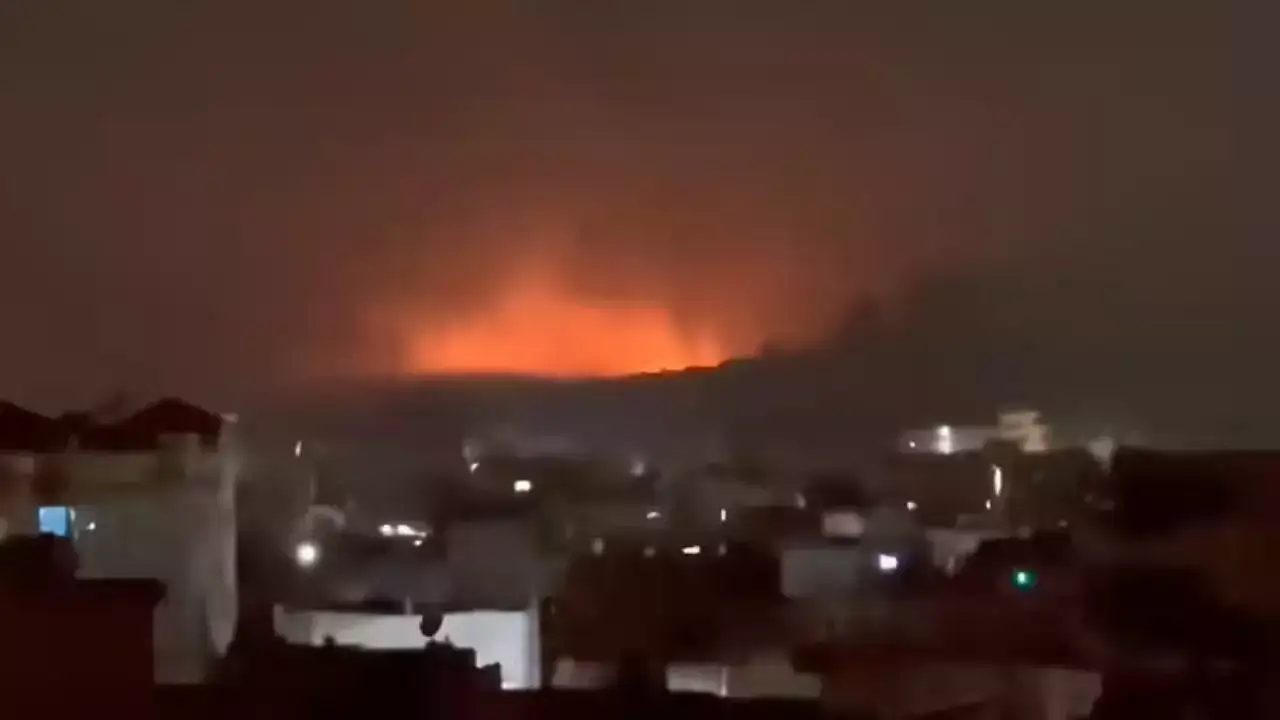
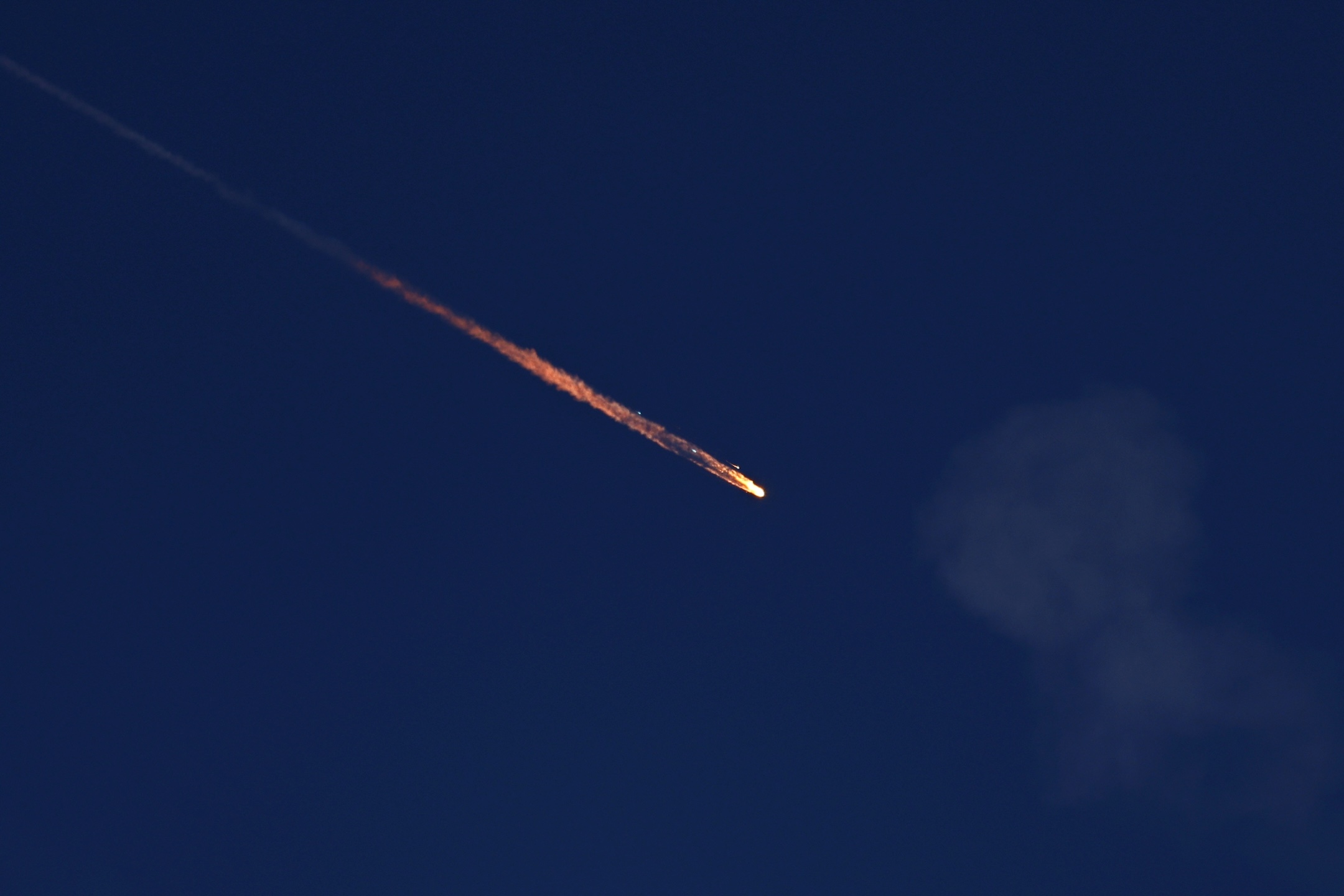
These border skirmishes occur along a frontier that divides nuclear-armed Pakistan from Afghanistan. More than 300 Taliban fighters were killed in Pakistani airstrikes, according to Pakistan officials, though the Taliban has not confirmed this figure.
Afghan forces fired at Pakistani aircraft near Kabul on Sunday, residents reported, as explosions echoed through the city. The Taliban government said its forces were responding to what it called an incursion, following a surge in violence that began with Afghanistan's offensive on Thursday. Pakistan said its retaliatory strikes hit militant hideouts and killed more than 300 fighters, though independent verification is unavailable.
Pakistan officials reported that airstrikes eliminated more than 300 Taliban fighters, targeting positions they say harbor threats. The Taliban claimed to have shot down a Pakistani jet. Explosions in Kabul on Sunday forced residents into shelters.
The fighting stems from Pakistan's demand that Afghanistan curb groups like the Tehreek-i-Taliban Pakistan, which Islamabad accuses of launching attacks from Afghan soil. Pakistan says the Taliban harbors TTP militants; the Taliban has not publicly confirmed or denied operating these groups from Afghan territory. Some analysts say the Taliban's refusal to move against the TTP has intensified a cycle of strikes, a claim the Taliban denies.
The clashes risk evolving into prolonged conflict along the Afghanistan-Pakistan border. Pakistan says it will continue airstrikes until the Taliban dismantles militant groups. The Taliban says it will defend Afghan territory against Pakistani incursions. Aid agencies warn that renewed airstrikes could add to the displacement already affecting civilians in eastern Afghanistan.
If you're tracking world events, these explosive border skirmishes could drive up fuel prices and unsettle alliances that protect trade routes, putting everyday costs and international stability at risk. More than 300 Afghan fighters died in Pakistani airstrikes, officials said, as forces exchanged fire across a frontier that divides two nuclear-armed nations and threatens to pull in broader powers.
Afghan troops opened fire on Pakistani aircraft over Kabul on Sunday, triggering blasts and gunfire that echoed through the city. The Taliban government described the action as a defense against an incursion, following a surge in violence that began with Afghanistan's offensive on Thursday. Pakistan responded with retaliatory strikes, claiming the clashes wiped out militant hideouts and killed the fighters in a single day.
Pakistan's military reported that its airstrikes eliminated more than 300 Taliban fighters, targeting positions they say harbor threats. The Taliban countered by insisting they shot down a Pakistani jet, a claim that underscores the mutual distrust fueling the violence. These exchanges have already left troops dead on both sides, with Kabul residents reporting loud explosions that disrupted daily life and forced families into shelters.
The fighting stems from Pakistan's demand that Afghanistan curb groups like the Tehreek-i-Taliban Pakistan, which Islamabad accuses of launching attacks from Afghan soil. Analysts warn that Afghanistan's refusal to act has turned this into a cycle of revenge, with Pakistani warplanes hitting targets inside Afghanistan to pressure the Taliban. This standoff reflects deeper tensions over border control, where neither side shows signs of backing down despite the rising death toll.
The clashes risk evolving into a drawn-out war along Asia's most unstable frontier, potentially disrupting supply lines for goods that reach global markets. Pakistan has vowed to continue its strikes until militants are neutralized, while the Taliban promises to defend its territory at all costs. For the thousands of civilians near the border, the next wave of attacks could mean more displacement and hardship, as families flee villages caught in the crossfire.
Highlighted text was flagged by the council. Tap to see feedback.