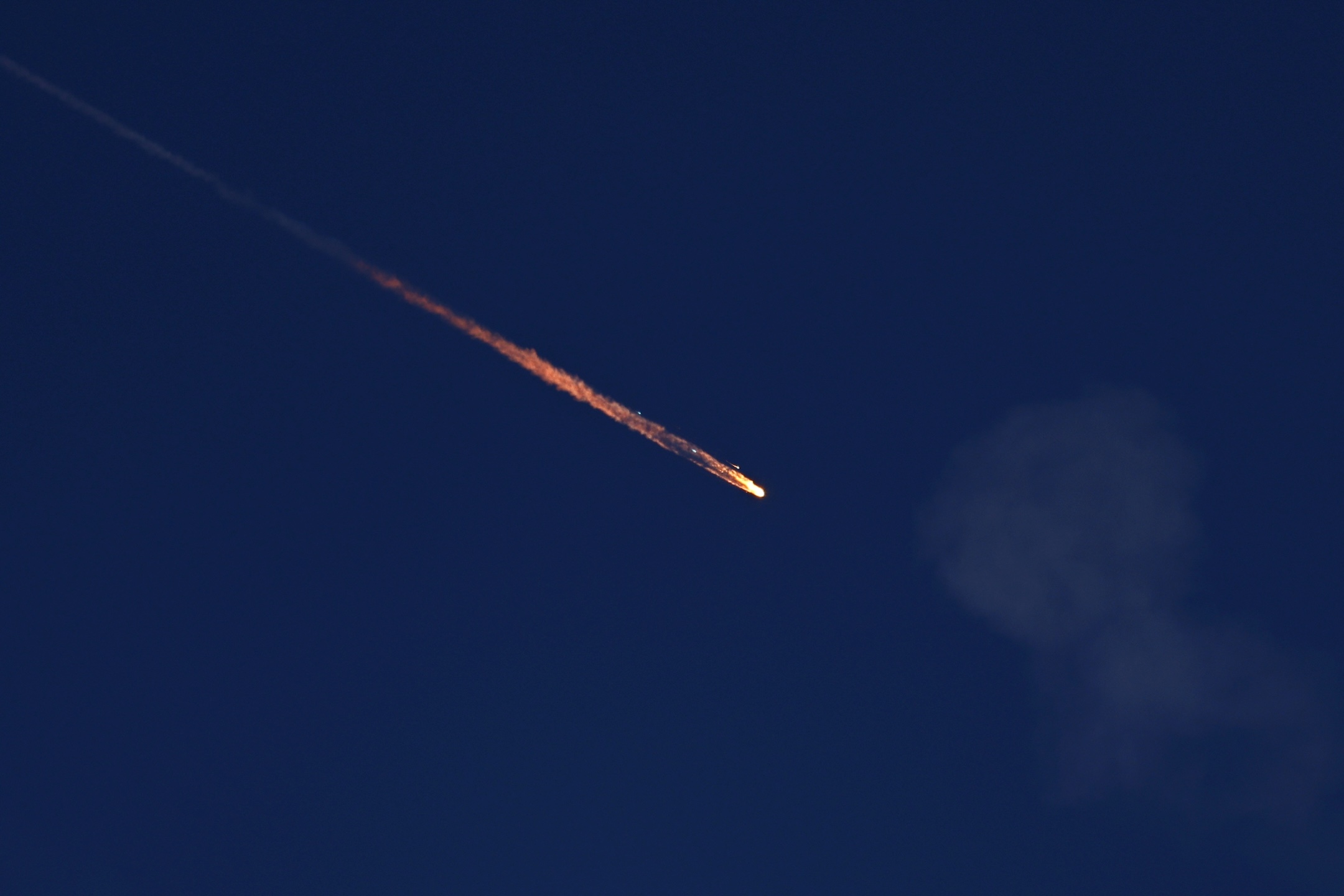
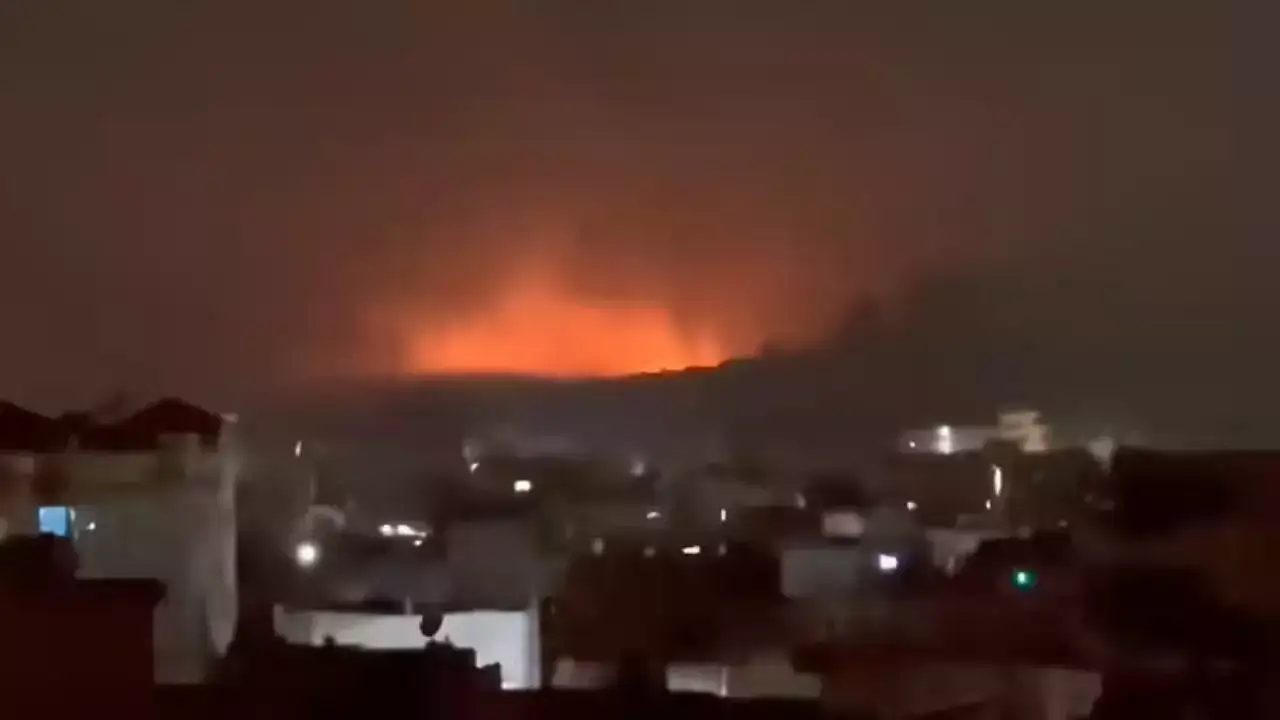
Pakistan's defense minister announced his country is now in "open war" with Afghanistan after Pakistani forces bombed Taliban government positions in major Afghan cities. The strikes came in response to an offensive launched by Afghan forces across the border. With that declaration, a simmering conflict between the two nations has shifted from raids and skirmishes into a formally acknowledged state of war.
The escalation matters far beyond the two countries. Pakistan and Afghanistan sit at the crossroads of Central Asia, a region where China, Russia, and the United States are all competing for economic and strategic advantage. Any sustained conflict here threatens to destabilize supply chains, disrupt emerging trade routes, and pull in regional powers with their own interests.
Kazakhstan and Uzbekistan, Central Asia's two largest economies, have in recent months begun preliminary agreements to build railways through Taliban-controlled Afghanistan and into Pakistan, eventually reaching the Arabian Sea. These routes would give landlocked Central Asian nations direct access to global shipping without depending on Russia to the north or the increasingly unstable Iran to the west.
A full-scale war between Pakistan and Afghanistan puts those economic plans at risk. Conflict zones don't attract infrastructure investment. They attract militias, smugglers, and refugee flows. The railways that were supposed to open new trade corridors could become battlegrounds instead.
Several countries have already offered to mediate between Pakistan and Afghanistan, signaling international alarm at the speed of escalation. Pakistan's defense minister has publicly declared "open war." Afghanistan has committed to military response. This public positioning may complicate diplomatic efforts.
The stakes extend beyond regional security. Major powers are competing for influence in Central Asia. A war between Pakistan and Afghanistan transforms the region from an opportunity into a crisis zone, forcing them to choose between backing one side or managing the fallout from instability.
Pakistan's defense minister announced his country is now in "open war" with Afghanistan after Pakistani forces bombed Taliban government positions in major Afghan cities. The strikes came in response to an offensive launched by Afghan forces across the border. With that declaration, a simmering conflict between the two nations has shifted from raids and skirmishes into something more dangerous: a formally acknowledged state of war.
The escalation matters far beyond the two countries. Pakistan and Afghanistan sit at the crossroads of Central Asia, a region where China, Russia, and the United States are all competing for economic and strategic advantage. Any sustained conflict here threatens to destabilize supply chains, disrupt emerging trade routes, and pull in regional powers with their own interests.
Kazakhstan and Uzbekistan, Central Asia's two largest economies, have recently begun preliminary agreements to build railways through Taliban-controlled Afghanistan and into Pakistan, eventually reaching the Arabian Sea. These routes would give landlocked Central Asian nations direct access to global shipping without depending on Russia to the north or the increasingly unstable Iran to the west.
A full-scale war between Pakistan and Afghanistan puts those economic plans at immediate risk. Conflict zones don't attract infrastructure investment. They attract militias, smugglers, and refugee flows. The railways that were supposed to open new trade corridors could become battlegrounds instead.
Several countries have already offered to mediate between Pakistan and Afghanistan, signaling international alarm at the speed of escalation. The window for diplomacy is narrowing. Each side has now publicly committed to military action, making it harder for either government to back down without appearing weak to domestic audiences.
The stakes extend beyond regional security. The United States and China have both been watching Central Asia closely as a potential economic frontier. A war between Pakistan and Afghanistan transforms the region from an opportunity into a crisis zone, forcing major powers to choose between backing one side or managing the fallout from instability.
For civilians in border regions, the shift from unofficial conflict to declared war means the fighting is no longer deniable by either government. It becomes legitimate. It becomes policy. And it becomes much harder to stop.
Highlighted text was flagged by the council. Tap to see feedback.