




The Quake and Initial Damage
A magnitude 7.4 earthquake struck the Northern Molucca Sea off Indonesia's coast early Thursday, killing at least one person and damaging buildings across multiple cities. The quake struck at a depth of 35 kilometers, roughly 120 kilometers from Ternate in North Maluku province. Strong shaking lasted 10 to 20 seconds in Bitung in North Sulawesi province and in Ternate city, according to Indonesia's Disaster Management Agency.
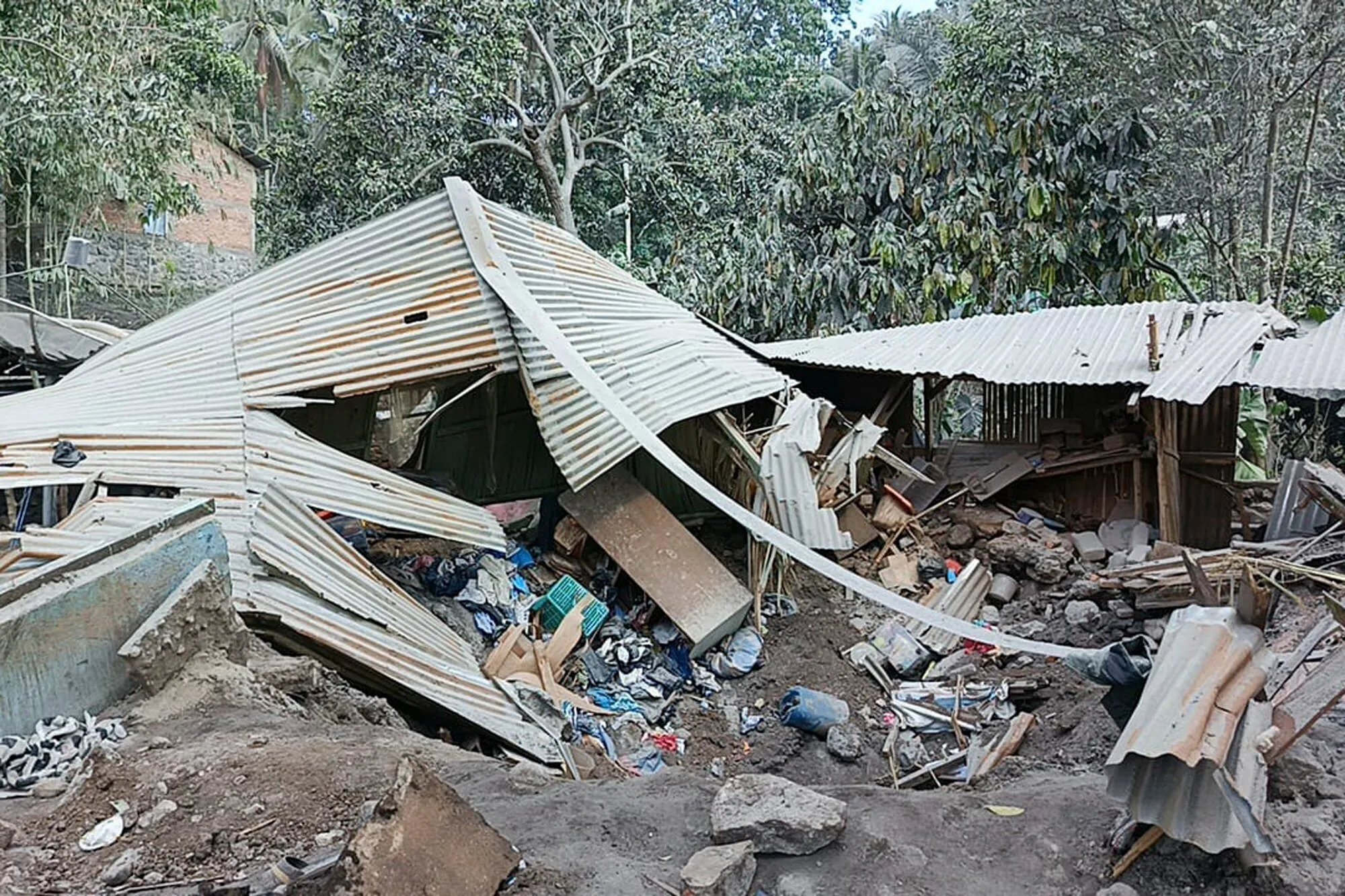
A 70-year-old woman died after being crushed by building debris in Manado city in North Sulawesi, and another resident broke their leg jumping from a building. At least three injured people were hospitalized in Ternate. Initial assessments showed light to severe damage in parts of Ternate, including a church and two houses, while damage assessments in Bitung were still underway.
Journalist Isvara Safitri, who lives in central Manado, described the intensity of the shaking. "It was really strong... My head even felt dizzy," she told BBC Indonesian, adding that the earthquake "feels like the strongest" she has experienced over the past six years. Resident Budi Nurgianto in Ternate said the walls in his house vibrated for what felt like more than a minute before he rushed outside into a scene of panic.
Tsunami Warnings and Evacuation
The Hawaii-based Pacific Tsunami Warning Center initially warned that hazardous tsunami waves were possible within 1,000 kilometers of the epicenter along the coasts of Indonesia, the Philippines, Malaysia, Guam, Japan, Papua New Guinea, and Taiwan. Within half an hour of the quake, waves up to 75 centimeters were recorded in North Minahasa and 20 centimeters in Bitung, both in northern Sulawesi, according to Indonesia's BMKG geological agency. Thirty-centimeter waves were also logged in North Maluku province.
Indonesia's meteorological agency lifted its tsunami warning hours after the quake. The Pacific Tsunami Warning Center lifted its warning just over two hours after the tremor, saying the tsunami threat "has now passed." The Philippine Institute of Volcanology and Seismology said there was no destructive threat to the country, which is north of the quake's epicenter.
Local authorities in Ternate and Tidore urged citizens to prepare for evacuation. Yayuk Oktiani, who lives in Bitung, rushed to her child's school, which is located very close to the sea. "The situation there was chaotic... The teachers immediately told parents to bring their children home, even though they had only just arrived," she told the BBC.
Aftershocks and Regional Context
At least two aftershocks, with magnitudes 5.5 and 5.2, were reported by the U.S. Geological Survey, with authorities warning of more to come.
Indonesia, a vast archipelago of more than 280 million people, sits on major seismic faults and is frequently hit by earthquakes and volcanic eruptions because of its location on the Pacific Ring of Fire, an arc of volcanoes and fault lines in the Pacific Basin. Residents in Bitung and Ternate reported to the BBC that this was one of the strongest earthquakes they have felt in at least the past six years. Yayuk Oktiani said she often experiences tremors in Bitung, "but they're never as strong as this one."