





Court Ruling Impacts Over 900,000 Migrants
A federal judge in Boston has directed the Trump administration to restore the legal status of migrants who were granted entry into the U.S. under a now-defunct Biden administration program. U.S. District Court Judge Allison Burroughs voided the Trump administration's decision to terminate the immigration parole status of these migrants, finding the move violated established procedures. This ruling affects more than 900,000 individuals who were allowed entry through the CBP One app, designed to streamline asylum requests at the southern border.
The Biden administration previously argued that the CBP One program effectively reduced illegal immigration by allowing individuals to enter the U.S. legally. However, the Trump administration contended that the program was unauthorized and violated U.S. immigration law by permitting a large influx of migrants outside the traditional immigration system. The Department of Homeland Security announced in April 2025 that it would terminate the parole status of those processed under this program, urging them to self-deport or risk arrest and deportation.
Responses from the Trump Administration and Advocates
In response to the ruling, the Department of Homeland Security (DHS) expressed its disagreement, stating it had the authority to revoke the parole status. "We disagree with this blatant judicial activism undermining the President's Article II authority," the DHS said. Skye Perryman, President and CEO of Democracy Forward, called the ruling a rejection of a harmful policy, emphasizing that the affected migrants had followed legal procedures to gain their status.
The Justice Department is expected to appeal the ruling, which could potentially prolong the uncertainty for the migrants involved. It is unclear how many will benefit from the ruling since some may have been deported already or gained another lawful status.
Legal Challenges to Mail-in Voting Restrictions
In a separate but related legal development, President Trump signed an executive order aimed at imposing stricter mail-in voting rules across the country. This order directs the Department of Homeland Security to compile a list of confirmed U.S. citizens eligible to vote, which will be used to restrict mail-in ballots. Trump claimed that "the cheating on mail-in voting is legendary," despite a lack of evidence supporting widespread fraud.
This executive order is anticipated to face significant legal challenges from state officials and voting rights advocates. Arizona Secretary of State Adrian Fontes criticized the move as an attempt to weaponize sensitive voter information. According to election law experts cited by CBS News, the president has virtually no legal role in overseeing elections, as the Constitution grants states authority to set election rules.
Legal Block on White House Ballroom Construction
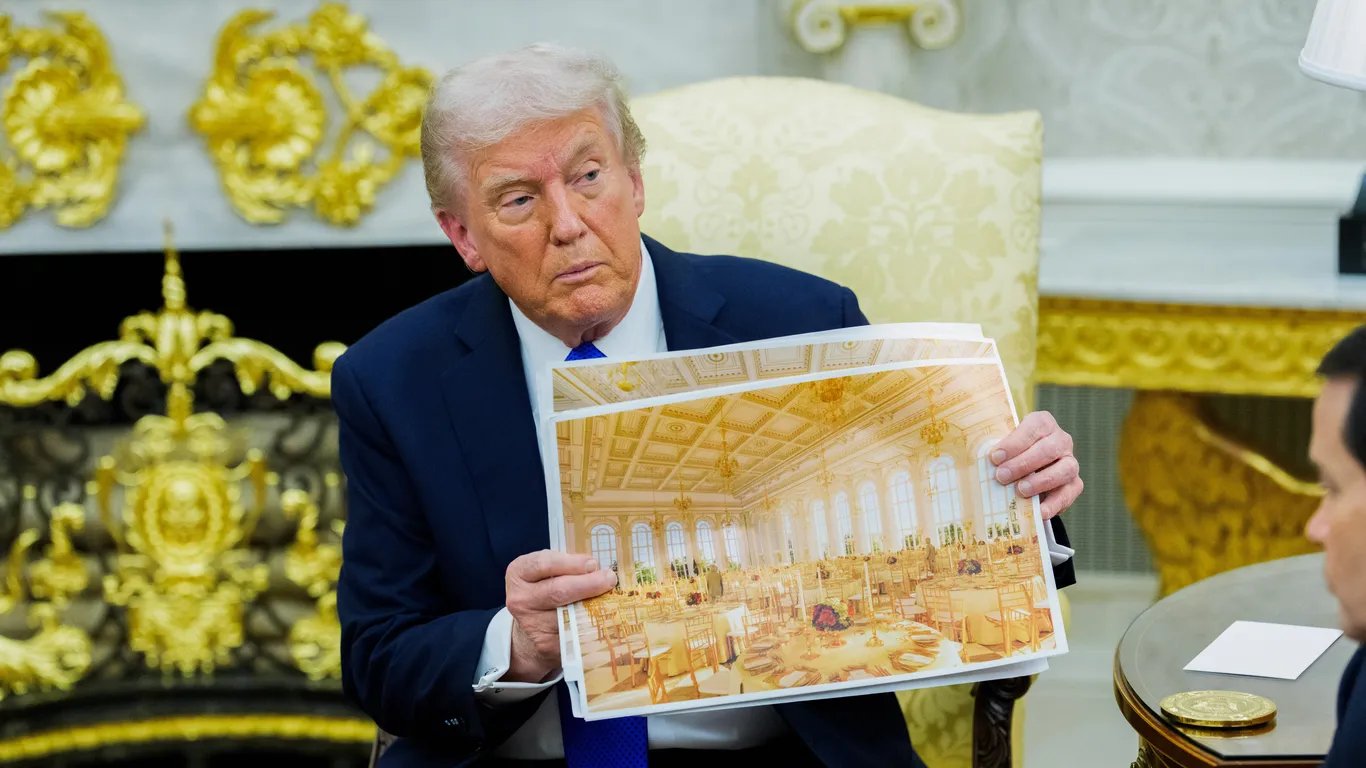
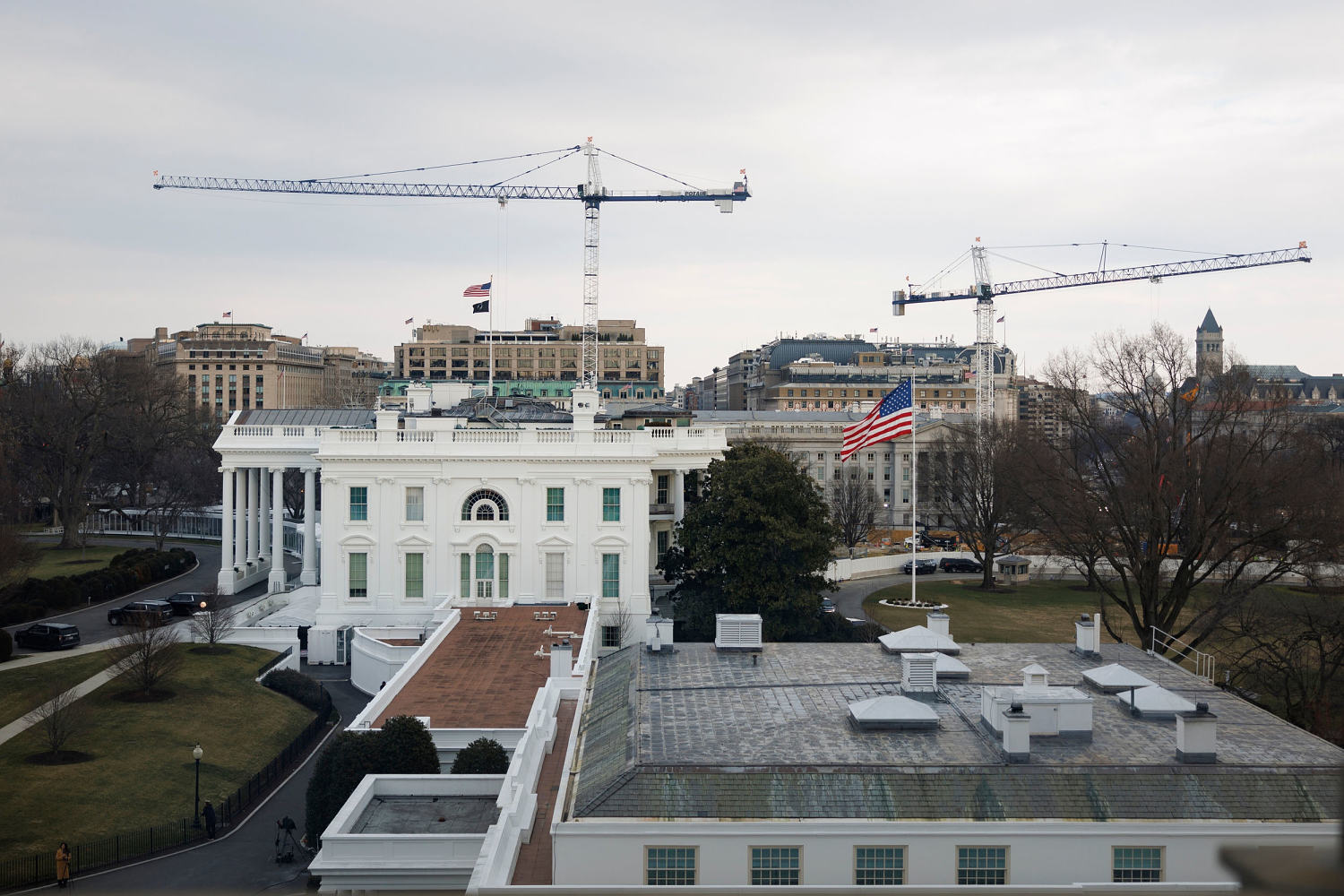
In another ruling affecting the Trump administration, a federal judge temporarily blocked the construction of a proposed $400 million ballroom at the White House. U.S. District Judge Richard Leon determined that the administration likely lacked the legal authority to proceed with the project without congressional approval. The National Trust for Historic Preservation filed a lawsuit against the administration, arguing that the demolition of the historic East Wing to make way for the ballroom violated federal guidelines.
Leon emphasized that the President is the steward of the White House, not its owner, and that any significant alterations require congressional authorization. The ruling blocks the $400 million ballroom project, which has drawn criticism from preservationists and congressional Democrats who argued the Trump administration made major changes without sufficient public input.
Implications for Migrants and Voting Rights
The recent court rulings highlight critical issues affecting both immigration policy and voting rights in the U.S. The decision to restore legal status to migrants underscores the ongoing legal battles surrounding immigration reform. Meanwhile, the legal challenges to Trump's voting restrictions signal a broader struggle over election integrity and access to the ballot.
As these cases unfold, they will have lasting implications for the lives of many individuals. Migrants previously granted parole under the Biden administration may find newfound security.








The sources also report that the Heritage Foundation, a Trump-aligned group, identified roughly 100 verified cases of noncitizens voting since 2000.