



Nomination Seals Path to Power
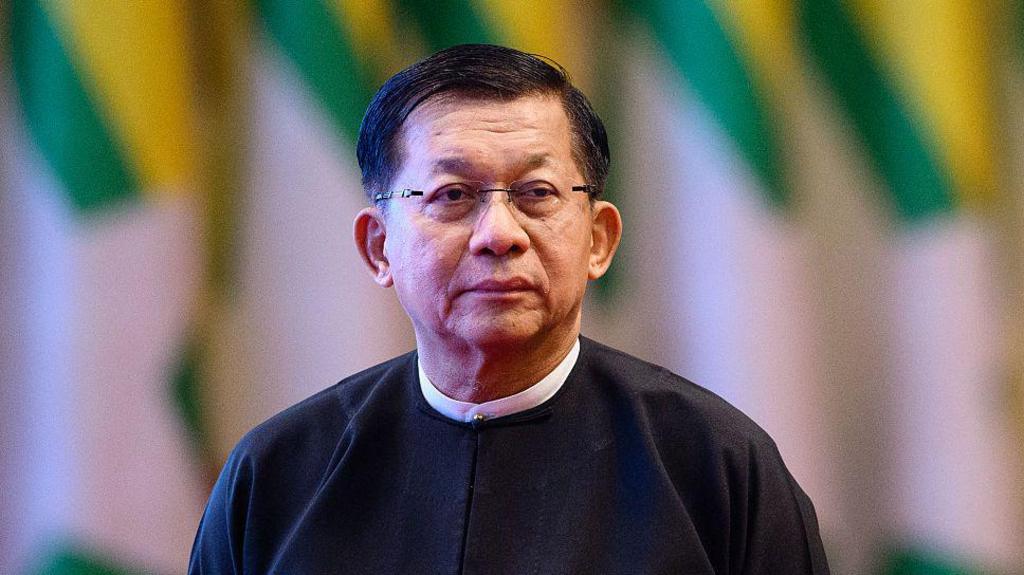
Myanmar's military chief Min Aung Hlaing received a nomination for the presidency from Lower House MP Kyaw Kyaw Htay on Monday, setting up a three-way vote in a parliament dominated by his supporters. He faces two other candidates who are loyalists, making his selection all but certain given the military's control. Min Aung Hlaing has led the junta since the 2021 coup that ousted the elected government.
Parliament's Pro-Military Makeup
Around 90% of Myanmar's new parliament consists of members loyal to Min Aung Hlaing, including serving officers who hold a quarter of the seats by design. Pro-military parties won landslide victories in the January parliamentary election, which excluded major opposition groups. The regime insists the vote was free and fair, despite widespread views that it was a sham because many parties could not participate amid the civil war.
Transition Risks for the Commander
Min Aung Hlaing must relinquish his role as military commander if he becomes president, a requirement under the constitution that could weaken his influence. He has selected General Ye Win Oo, a close ally known for harsh tactics against dissidents, to take over that position.

For example, the sources report that General Ye Win Oo, who will replace Min Aung Hlaing, is known for his brutal treatment of dissidents.
Opposition and Analyst Views
Analyst Naing Min Khant of the Institute for Strategy and Policy Myanmar described the move as an attempt by Min Aung Hlaing to rule with force while seeking a veneer of legitimacy. Western countries have imposed sanctions on Min Aung Hlaing for his role in the 2021 coup, reflecting global criticism of his actions. The civil war under his watch has resulted in thousands of deaths and millions displaced, with armed groups controlling large areas of the country.

The sources also report that in 2011, Myanmar's military leaders released Aung San Suu Kyi from house arrest due to international pressure, allowing her to take a civilian leadership role.
New Council Offers Continued Control
Min Aung Hlaing has established a consultative council that he will lead, potentially allowing him to oversee both military and civilian matters even after becoming president. This setup suggests the new government will function as an extension of the current junta, with no signs of easing the crackdown on opponents. The council could help him maintain authority despite the risks of losing direct military command.



The sources also report that Min Aung Hlaing has created a new consultative council which he will head, potentially allowing him to maintain authority over both military and civilian affairs even after relinquishing command of the armed forces.