Israeli Prime Minister Benjamin Netanyahu confirmed on Sunday that Israel will widen its ground campaign in southern Lebanon. During a news conference, he stated that the expansion aims to reinforce the country's "security belt" and mitigate threats from Hezbollah, the Iranian-backed militant group. Netanyahu emphasized the need to "thwart the threat of invasion" and prevent anti-tank missile fire from reaching Israeli borders.
The ongoing military operations have already resulted in significant casualties and displacement. In Israel, 19 individuals have lost their lives due to the conflict. Humanitarian organizations have raised alarms about the destruction of entire residential areas and the displacement of more than 1 million people, exacerbating the already dire humanitarian situation.
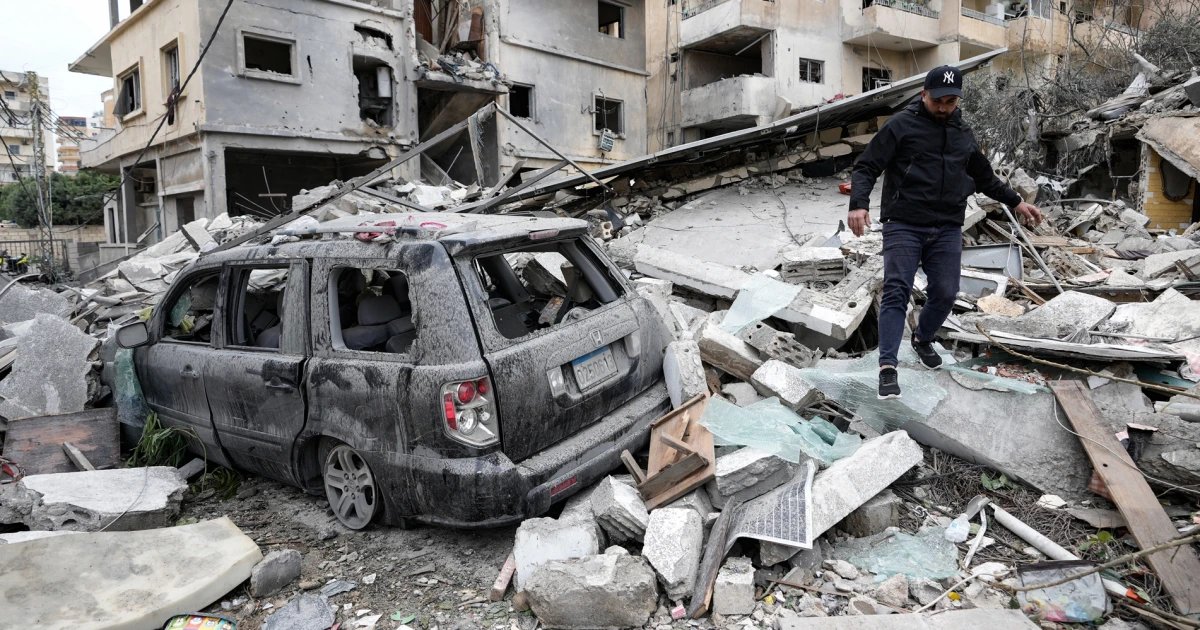
The announcement of an expanded military campaign raises concerns about a potential escalation similar to Israel's long-standing military operations in Gaza. Netanyahu's declaration follows a series of airstrikes that have destroyed key infrastructure, including bridges and homes, in southern Lebanon. Israeli Defense Minister Israel Katz also indicated plans to establish a "security zone" in the region, which may leave hundreds of thousands of people displaced indefinitely.
The conflict has drawn in broader regional dynamics, particularly with Iran. An Iranian missile barrage caused a fire at a chemical plant near Beersheba in southern Israel.
International leaders are expressing concern over the potential for increased violence in the region. United Nations Secretary-General António Guterres warned against replicating the "Gaza model" in Lebanon, calling for both Hezbollah and Israel to halt hostilities. The international community is closely monitoring developments as the situation evolves, highlighting the urgent need for diplomatic solutions to prevent further humanitarian crises.
Israeli Prime Minister Benjamin Netanyahu confirmed on Sunday that Israel will widen its ground campaign in southern Lebanon. During a news conference, he stated that the expansion aims to reinforce the country’s “security belt” and mitigate threats from Hezbollah, the Iranian-backed militant group. Netanyahu emphasized the need to “thwart the threat of invasion” and prevent anti-tank missile fire from reaching Israeli borders.
The ongoing military operations have already resulted in significant casualties and displacement. Since the beginning of the invasion, nearly 1,200 people have been killed and over 3,400 injured in Lebanon. In Israel, 19 individuals have lost their lives due to the conflict. Humanitarian organizations have raised alarms about the destruction of entire residential areas and the displacement of more than 1 million people, exacerbating the already dire humanitarian situation.
The announcement of an expanded military campaign raises concerns about a potential escalation similar to Israel's long-standing military operations in Gaza. Netanyahu's declaration follows a series of airstrikes that have destroyed key infrastructure, including bridges and homes, in southern Lebanon. Israeli Defense Minister Israel Katz also indicated plans to establish a “security zone” in the region, which may leave hundreds of thousands of people displaced indefinitely.
The conflict has drawn in broader regional dynamics, particularly with Iran. In a related incident, Iranian missile strikes targeted a chemical plant near Beersheba in southern Israel, igniting a fire and further escalating tensions. This attack reflects Iran's ongoing support for Hezbollah and its response to Israel's military actions.
International leaders are expressing concern over the potential for increased violence in the region. United Nations Secretary-General António Guterres warned against replicating the “Gaza model” in Lebanon, calling for both Hezbollah and Israel to halt hostilities. The international community is closely monitoring developments as the situation evolves, highlighting the urgent need for diplomatic solutions to prevent further humanitarian crises.
The escalation of military operations in southern Lebanon underlines a critical juncture for both regional stability and international relations, with significant implications for civilians caught in the conflict.
Highlighted text was flagged by the council. Tap to see feedback.






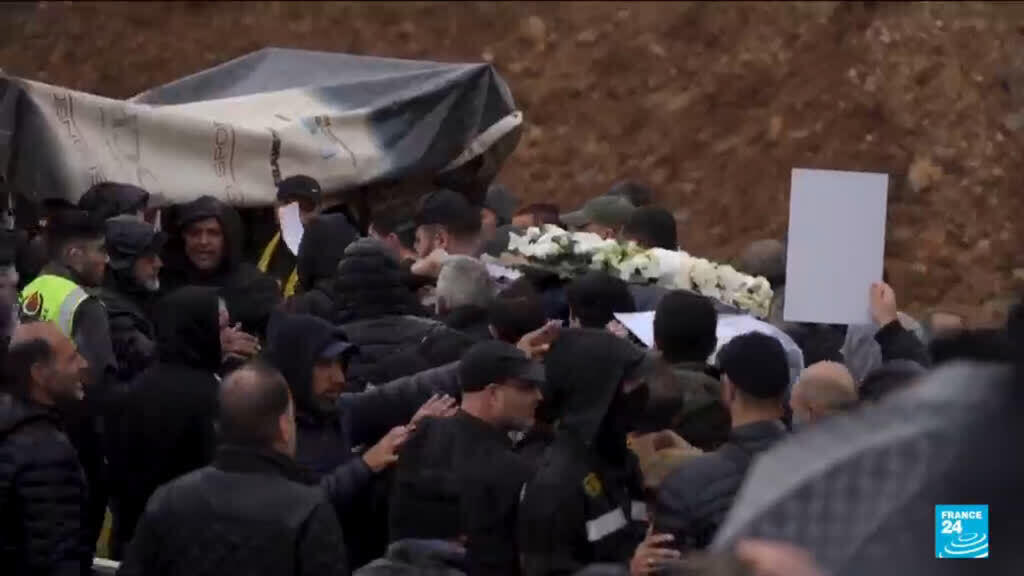
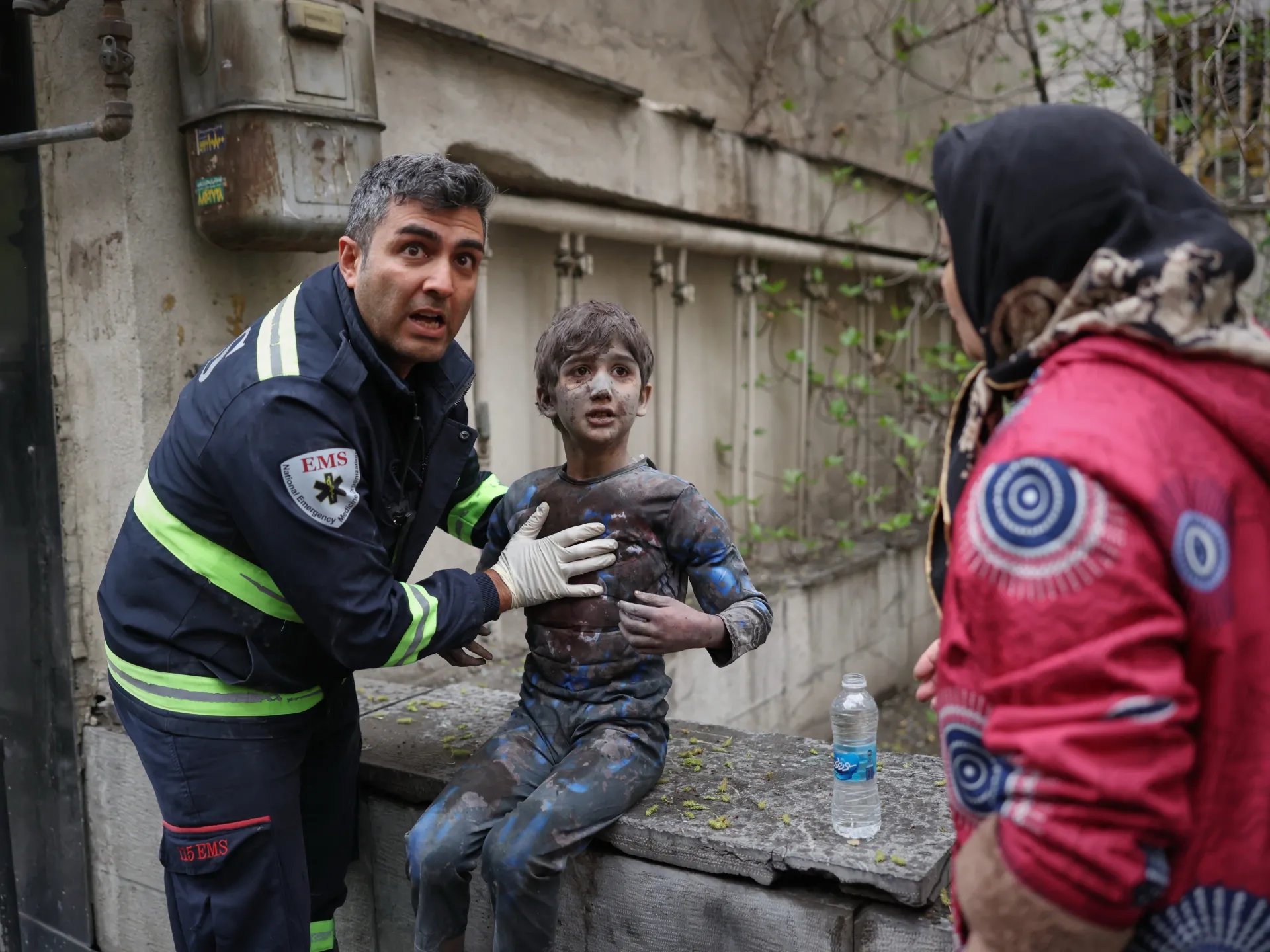









The sources report that since March 2, nearly 1,200 people have been killed and more than 3,400 have been wounded in Lebanon due to the ongoing conflict.