




Supply Fears Deepen
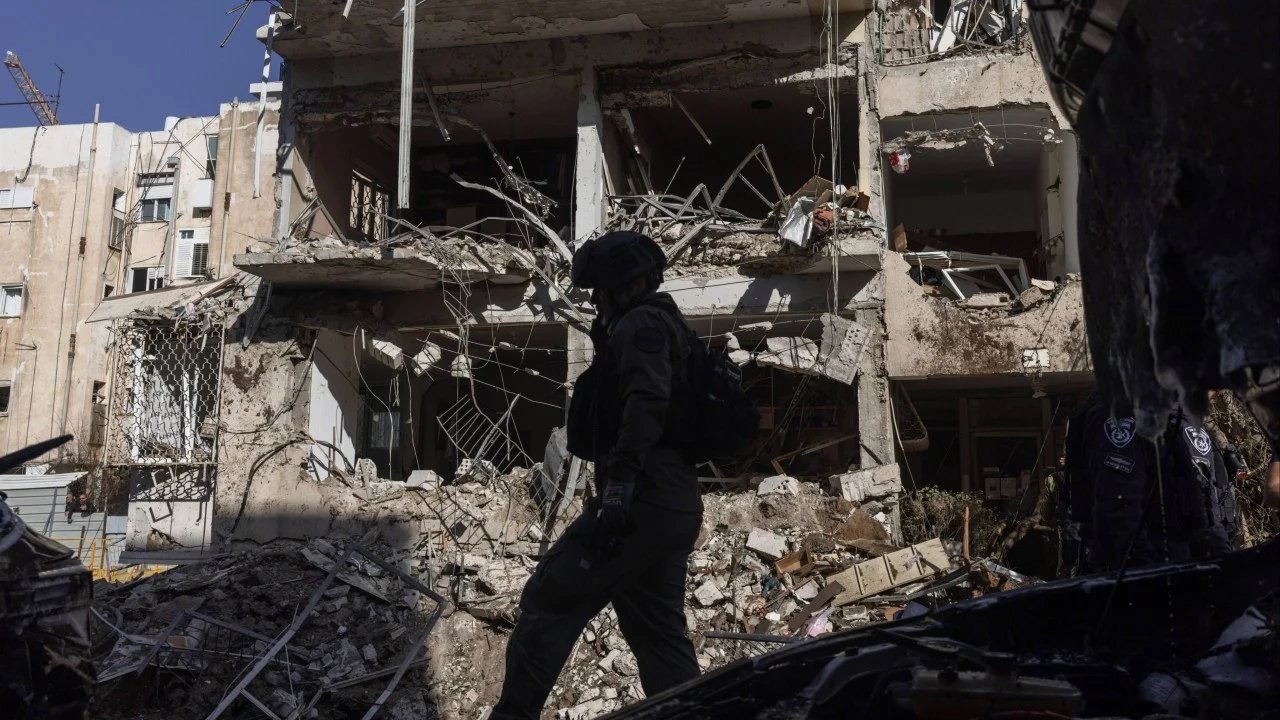
Aluminum prices are nearing a four-year peak following Iranian attacks on aluminum plants in the Persian Gulf, raising concerns about supply disruptions. The attacks over the weekend targeted facilities in Bahrain and the United Arab Emirates. Industries reliant on aluminum, ranging from aerospace to food packaging, could face higher costs.
Gulf Producers Hit
Aluminium Bahrain, operator of one of the world's largest smelters, confirmed Iranian strikes on its facility and is assessing the damage. Two employees at Aluminium Bahrain were injured in Saturday's attack. Emirates Global Aluminium's site also sustained significant damage from missile and drone strikes on the same day.
Market Volatility
The global benchmark Brent crude rose 3.3% to $116.25 per barrel. WTI, the main U.S. reference, was also up about 3% to nearly $103 per barrel. The dollar is also near a 10-month high due to Middle East escalation concerns.
Regional Tensions Rise
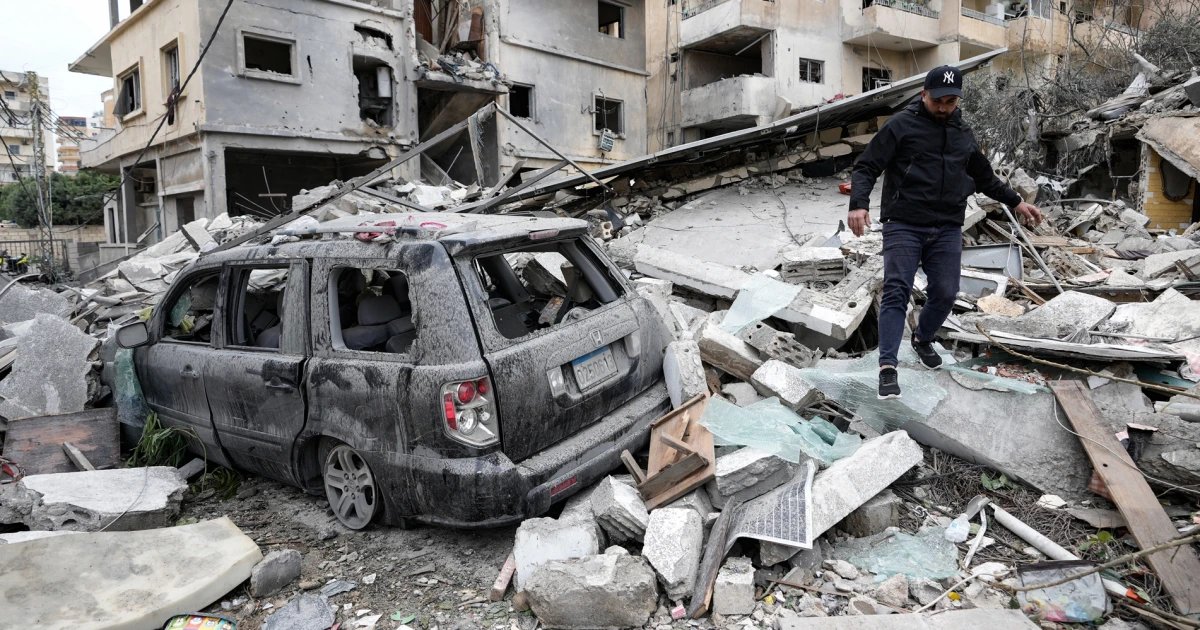
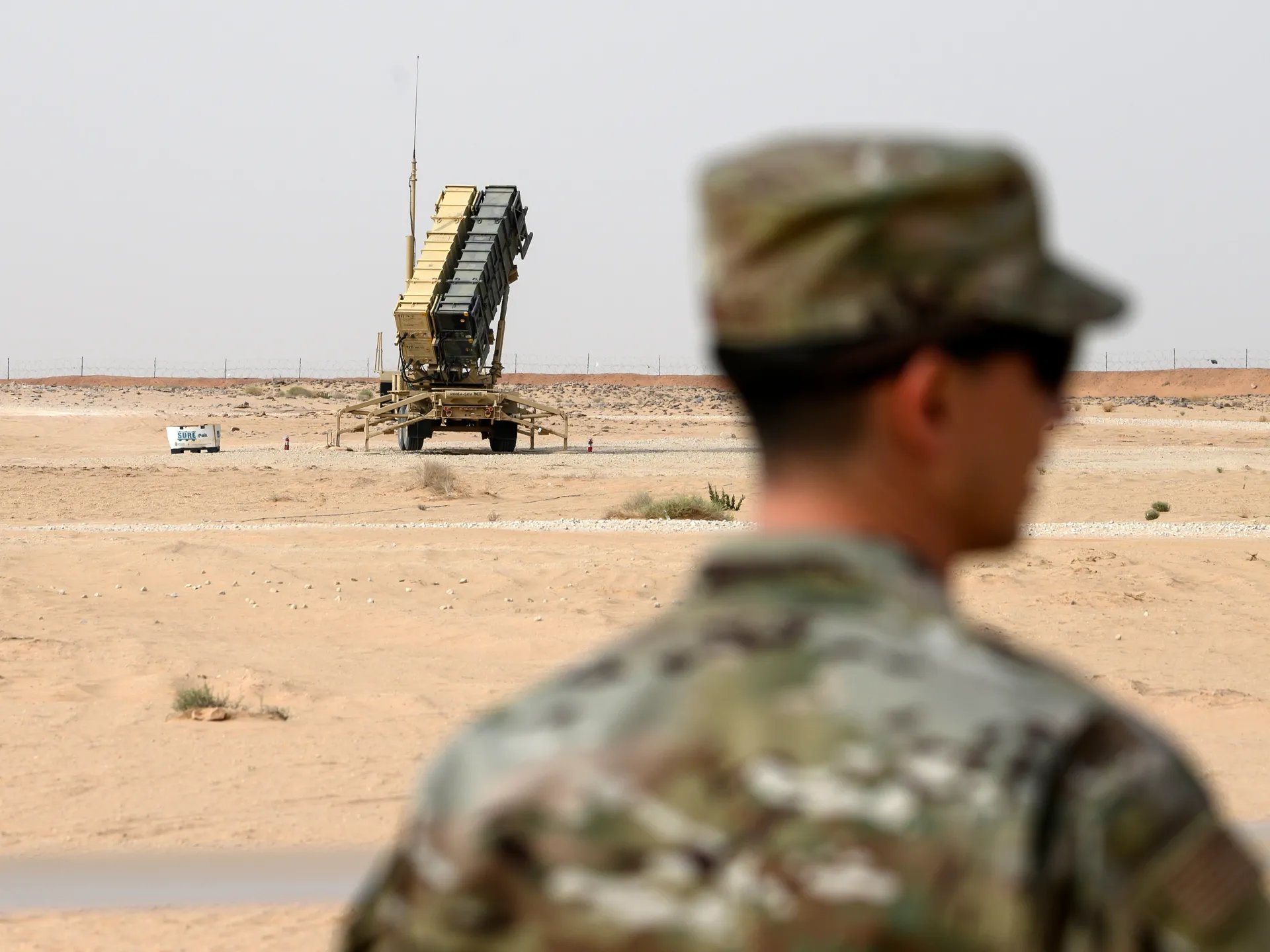
Iran-backed Houthi militants fired missiles and drones at Israel over the weekend and promised to continue attacks [19]. The Houthis claimed responsibility for a missile attack on Israel on Saturday [19]. Israel said it intercepted the missile from Yemen, marking the first such attack since the war began. More than 3,500 U.S. troops, including about 2,500 Marines, arrived in the Middle East, officials said Saturday [19]. Spain closes airspace to US planes involved in Iran war, defence minister says [10].
Economic Impact Spreads
Israel economy to grow 3.3% in 2026 if Iran war continues, finance ministry says [2]. German state inflation is also pointing to a national uptick. Luxury carmakers in the Gulf are seeing profits threatened. Indian worker killed in Iranian attack on Kuwait power, desalination plant [14].
Calls for Clarity
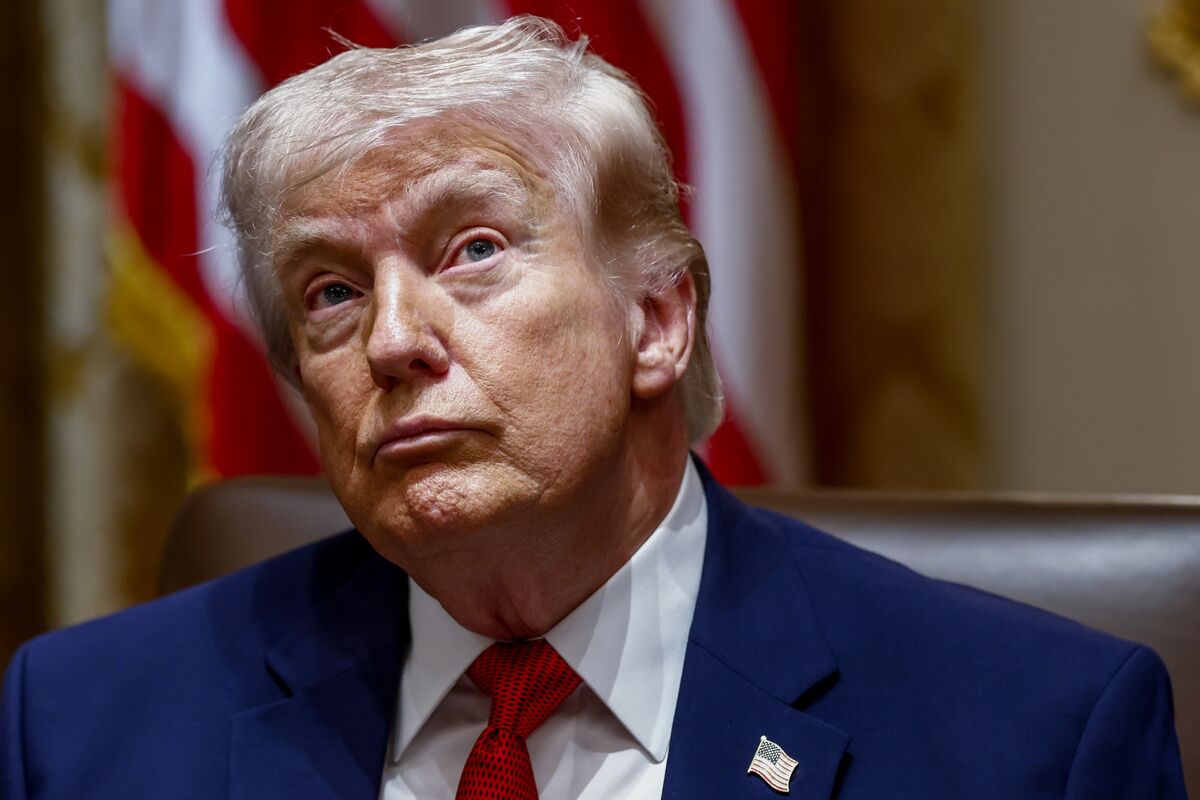
Australian Prime Minister Anthony Albanese called for clarity from President Trump on the objectives of the Iran war. Representative Jim Himes accused Trump of "flat-out lying" about negotiating with Iran.
Red Sea Concerns
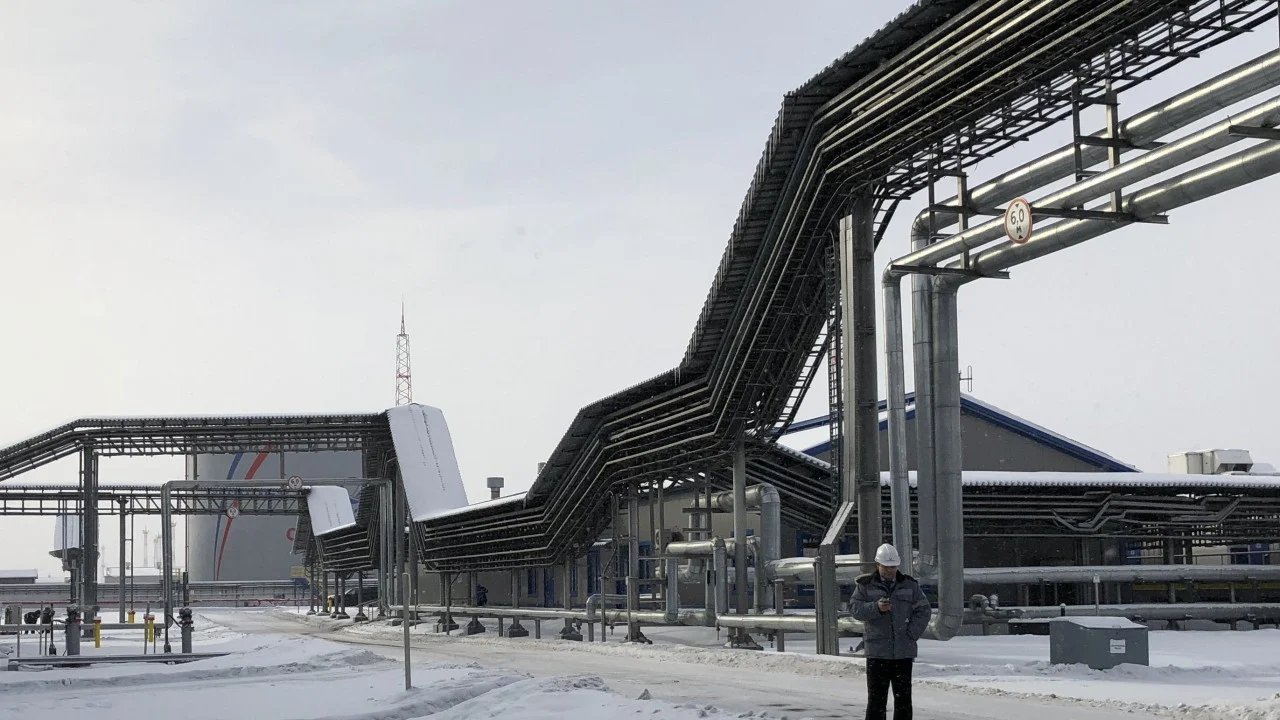
Energy historian Daniel Yergin said he remains concerned that the Houthis will disrupt shipping lanes in the Red Sea. The Iranians have blocked most oil traffic in the Strait of Hormuz, which handles about one-fifth of the world's seaborne oil trade. Gasoline prices edged closer to the $4-a-gallon mark on Sunday, rising from $3.976 to $3.98 a gallon.