
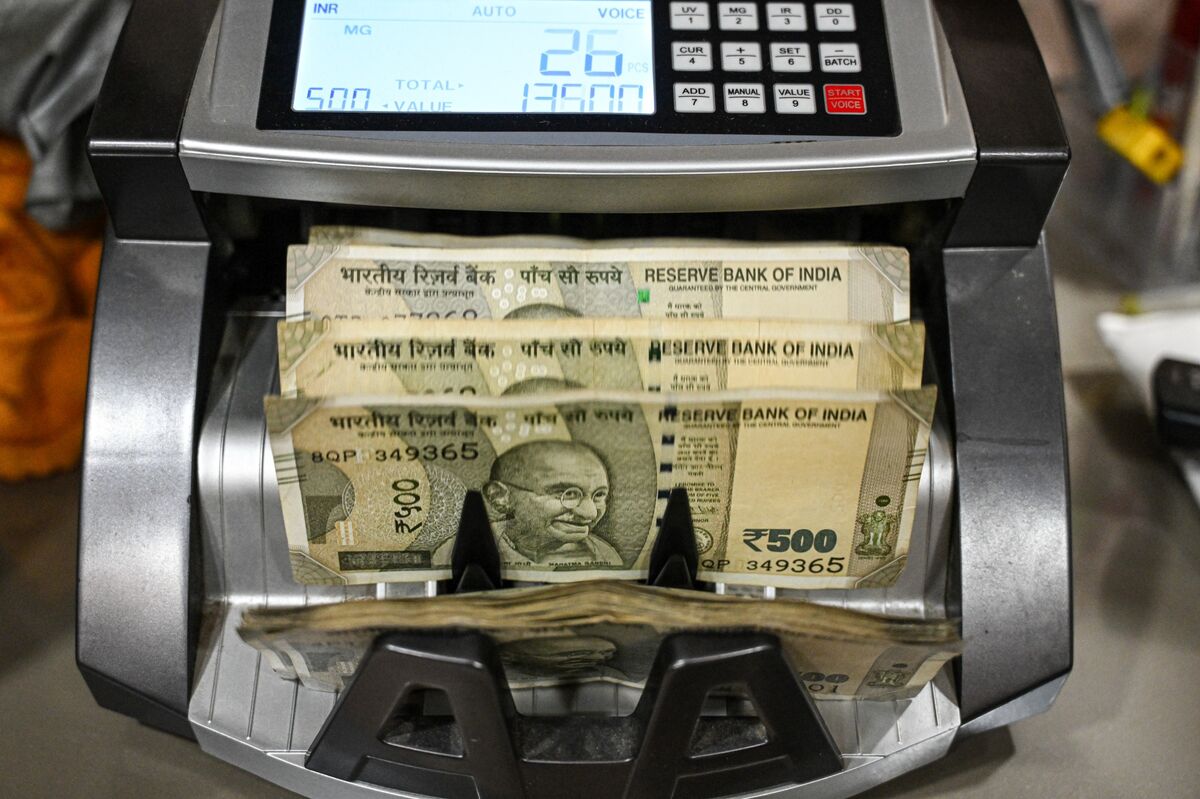



Immediate Impact on the Rupee
India's recent foreign exchange (FX) curbs aimed at stabilizing the rupee had an initial positive effect, with the currency rising as much as 1.4% at the market open. However, this surge was short-lived as the rupee later reversed its gains, ultimately hitting a new low by the end of trading. The Reserve Bank of India has implemented measures to limit daily currency positions for lenders to just $100 million, significantly curtailing their ability to make large speculative bets in the foreign-exchange market.
Consequences for Banking Sector
The FX curbs are not without their drawbacks. Banks are experiencing mounting pressure on profits as they adapt to the new restrictions.
Broader Economic Ramifications
The financial strain on banks could have wider implications for the Indian economy. This scenario could restrict access to credit, which is essential for economic growth.
Middle-Class Struggles Amid Economic Uncertainty
The economic backdrop is particularly challenging for India's middle class. The average annual income growth for middle-class taxpayers has stagnated, with real purchasing power declining. Recent studies indicate that the true cost of living has been doubling approximately every eight years, creating pressures that many families struggle to manage. With nearly half of Indian families taking personal loans to cover essential expenses, the burden of debt is growing, further complicating the economic landscape.

The sources also report that the unemployment rate for Indian graduates reaches 29.1%, nine times higher than for those who never attended school.

The sources also report that the average middle-class income taxpayer's annual income has grown by around 50,000 rupees over the past decade, which is roughly the price of a decent smartphone.
Future Outlook
As the Reserve Bank of India continues to navigate these turbulent waters, the effectiveness of the FX curbs will be scrutinized. The central bank's ability to stabilize the rupee while ensuring bank profitability will be crucial for sustaining economic confidence. Observers are keenly watching how these measures will impact overall consumer spending, particularly as the middle class faces ongoing financial pressures. The interplay between currency stability and banking health will be pivotal in shaping the future of India's economy.





















The sources also report that India's non-housing household debt as a share of income now exceeds that of the United States and China, and nearly 40% of annual income goes to servicing debt for those carrying it.