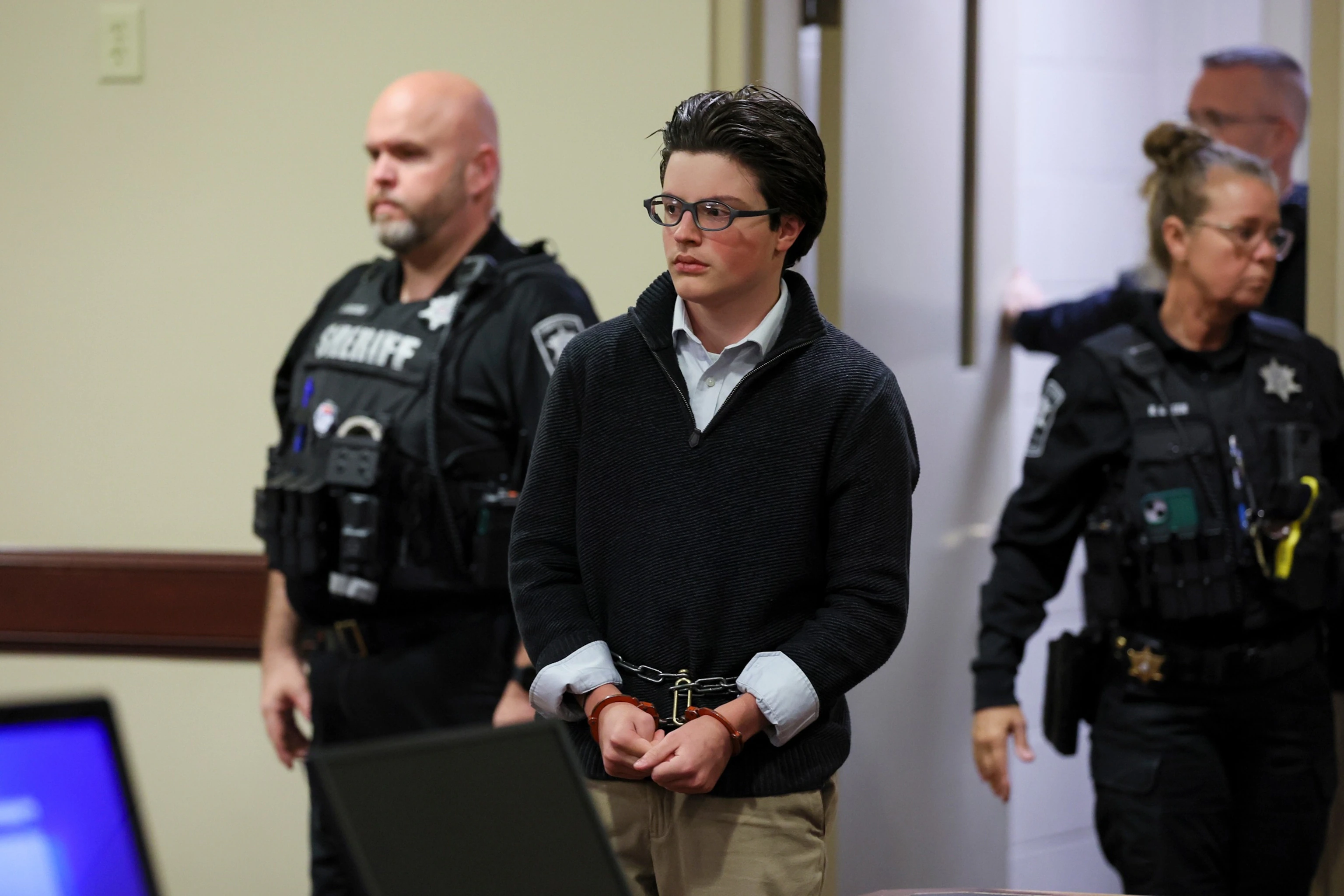
A Georgia jury convicted Colin Gray of second-degree murder after less than two hours of deliberation on Tuesday. Gray, whose son killed four people at Apalachee High School, now faces up to 180 years in prison for giving his teenager access to a gun despite clear warning signs. The case raises questions about parental responsibility when firearms are accessible to minors showing behavioral concerns.
Colin Gray, 55, stood trial for his role in enabling the 2024 attack at Apalachee High School in Winder, Georgia. Prosecutors argued that Gray provided the gun his son used and ignored mental health red flags. The jury found him guilty on all 29 counts, including second-degree murder and involuntary manslaughter, after deliberating for less than two hours on Tuesday. This is the fourth U.S. case in which parents have been convicted after their children carried out a mass shooting, following convictions in Michigan.
Prosecutors built their case around evidence that Gray purchased the gun as a Christmas gift for his son, Colt, and failed to secure it properly. Witnesses testified that school officials and family members had warned Gray about his son's behavioral issues, but he dismissed those concerns. Defense attorney Tucker Moye told jurors Gray had no intent to harm and believed his son was responsible enough, but the jury rejected that argument. The conviction establishes criminal liability for parents who provide firearm access to children despite warning signs of behavioral issues.
The shooting left a community reeling, with families mourning the loss of students and teachers. The victims included teachers Richard Aspinwall and Cristina Irimie. Gray didn't pull the trigger, but the jury convicted him of murder after finding his conduct directly enabled the killings. The verdict was reached on Tuesday after less than two hours of jury deliberation.
This case sets a new standard for parental responsibility, potentially influencing laws on gun access and mental health oversight. Gun owners in states like Georgia, where firearm regulations are less strict, may now face greater scrutiny if they overlook signs of trouble in their households. The Giffords Law Center praised the verdict as affirming responsible gun storage. Gun Owners of America called it an alarming expansion of vicarious liability. Parents who furnish minors with assault-style rifles despite documented threats now face the possibility of murder convictions.
Colin Gray will be sentenced next month. He faces a maximum of 180 years in prison. Legal experts have suggested the case may influence future parental liability prosecutions.
A Georgia jury's swift decision to convict Colin Gray of second-degree murder could change how parents view their role in preventing violence. Gray, whose son allegedly killed four people at Apalachee High School, now faces up to 180 years in prison for giving his teenager access to a gun despite clear warning signs. If you're raising a child in a home with firearms, this case underscores that ignoring risks might not just endanger your family—it could land you behind bars.
Colin Gray, 55, stood trial for his part in the 2024 attack at Apalachee High School in Winder, Georgia. Prosecutors argued that Gray bought the AR-15-style rifle his son used and ignored mental health red flags, leading to the deaths of two students and two teachers. The jury found him guilty on all 29 counts, including second-degree murder and involuntary manslaughter, after deliberating for less than two hours on Tuesday. This outcome marks only the third time in U.S. history that a parent has faced such severe charges in a mass shooting case.
Prosecutors built their case around evidence that Gray purchased the gun as a Christmas gift for his son, Colt, and failed to secure it properly. Witnesses testified that school officials and family members had warned Gray about his son's behavioral issues, but he dismissed those concerns. Gray's defense claimed he had no intent to harm and believed his son was responsible enough, yet the jury rejected that argument. This conviction highlights a growing trend where parents are held criminally liable for enabling violence, as seen in similar cases across the country.
The shooting left a community reeling, with families mourning the loss of 14-year-old students Christian Angulo and Mason Schermerhorn, along with teachers Richard Aspinwall and Cristina Irimie. Gray's actions didn't pull the trigger, but the verdict establishes that his negligence contributed directly to the tragedy. For the victims' relatives, this guilty ruling offers a measure of justice, though it can't undo the fear that now shadows school hallways nationwide. Parents in Georgia and beyond are left wondering if everyday decisions about gun storage could expose them to similar legal risks.
This case sets a new standard for parental responsibility, potentially influencing laws on gun access and mental health oversight. Gun owners in states like Georgia, where firearm regulations are relatively lax, may now face stricter scrutiny if they overlook signs of trouble in their households. Advocacy groups on both sides of gun debates are reacting: Supporters of tougher controls point to this as evidence that prevention starts at home, while opponents argue it overreaches into family matters. Either way, the decision could prompt lawmakers to revisit policies, affecting how millions handle firearms in their daily lives.
With sentencing scheduled for next month, Colin Gray's fate will serve as a benchmark for future cases. He could spend the rest of his life in prison, a harsh consequence that might deter other parents from similar oversights. For families across the U.S., this verdict transforms a distant tragedy into a personal wake-up call about safeguarding their homes.
Highlighted text was flagged by the council. Tap to see feedback.