Congo Drone Strike on M23 Rebel Sparks Fears for U.S. Tech Minerals
Revised after bias review
 Council News
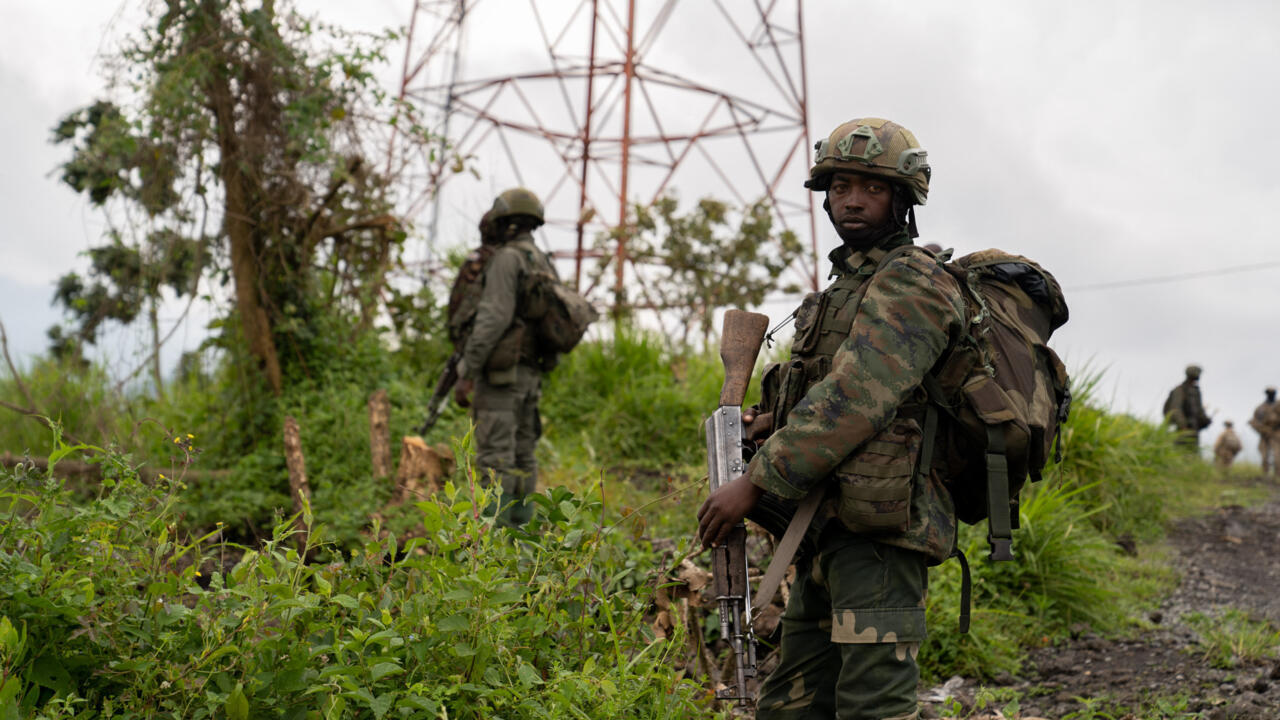





The killing of a M23 rebel spokesperson in a drone strike is a significant event that could escalate tensions in the region. This story is undercovered and has the potential to go viral as it highlights the ongoing conflict in the Congo, which has implications for regional stability and international security.
The killing of an M23 rebel spokesperson in a Congo army drone strike is undercovered (1 source) but has high impact, affecting millions in a volatile region with potential U.S. implications for mineral supply chains and African stability. Its surprising element—the use of drones in regional conflicts—could spark viral sharing as people question the spread of such technology. The council can add unique value by offering multi-perspective analysis on how this ties to U.S. security interests, which hasn't been explored in single-outlet coverage.
Only one source (Reuters) covers the assassination of the M23 rebel spokesperson via a Congo army drone strike. This is a pivotal moment in a mineral-rich region where US tech supply chains are vulnerable, yet it's flying under the radar. Readers will share a story that connects a drone strike in Africa to the phone in their pocket.
Congo's military killed an M23 rebel spokesperson in a drone strike. The incident raises questions about potential impacts on mineral supply chains and regional stability.
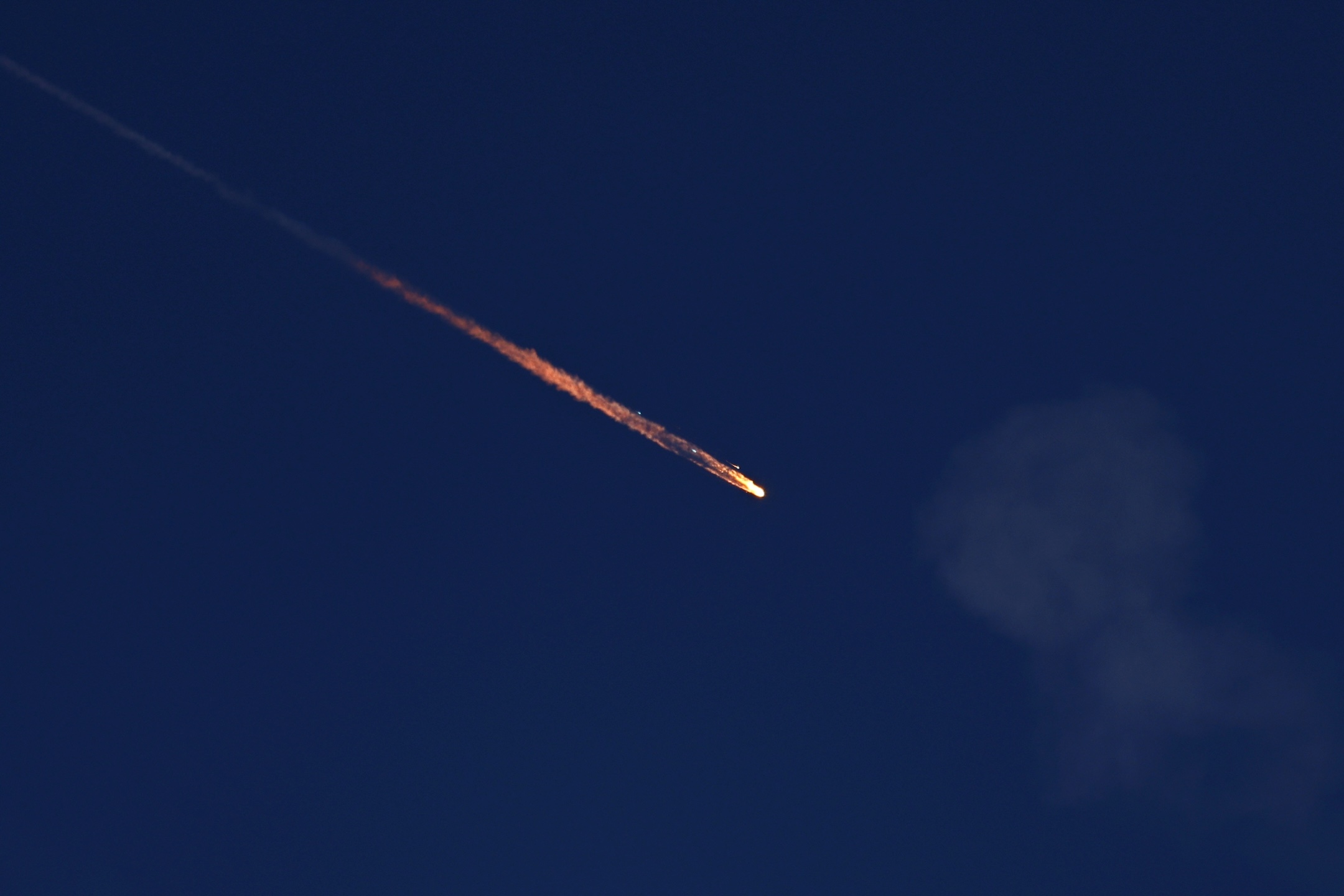
Congo's military targeted and killed the M23 rebel spokesperson in a drone operation. The strike occurred in a volatile eastern region where M23 fighters have clashed with government forces for years. Congo's military reported that the strike killed the M23 spokesperson and injured two other rebels.
This incident could draw in neighboring countries and international players, amplifying unrest in a mineral-rich area. Congo supplies more than 70% of the world's cobalt, which is essential for global technology industries. If the strike provokes M23 retaliation, it might disrupt mines that feed into global supply chains.
The International Crisis Group warns that such attacks may heighten the risk of broader conflict. If violence escalates, it may disrupt the flow of cobalt and other minerals, potentially leading to shortages and higher prices.
Families in the affected villages now face increased fear and disruption from ongoing skirmishes. For the roughly 6 million people displaced by Congo's conflicts, this event underscores the daily risks to safety and livelihoods in a region already strained by poverty and violence.
The strike has created immediate humanitarian needs in the affected area, straining local health services and aid organizations.
The incident raises concerns about disruptions to mineral supplies used in military hardware and consumer electronics. The potential impact on costs for global supply chains remains uncertain and will depend on how the conflict develops.
As Congo's government weighs further military operations, the international community may step in with diplomatic talks. The incident could affect global supply chains, including those for consumer devices.
Cross-referenced to ensure accuracy