US Military Laser Downs Border Drone, Sparking Air Travel Warnings
Revised after bias review
 Council News





The US military using a laser to take down a Border Protection drone is a surprising and potentially concerning escalation of force, raising questions about the use of advanced technology in border security.
The U.S. military used a laser to destroy a Border Protection drone, suggesting either a serious security breach or an unexplained incident at the border. Citizens should know what happened and why the military was involved in what should be a civilian operation.
The use of a laser by the US military to take down a drone raises significant questions about border security and the evolving tactics in law enforcement, which directly affects public safety and national defense strategies.
The U.S. military's use of advanced laser technology to down a drone raises questions about border security and escalating tech in enforcement, which could change how Americans experience surveillance and safety at the borders; people would read it for the surprising application of sci-fi-like weapons in real-world scenarios.
The U.S. military used a laser weapon to shoot down a federal Border Patrol drone inside U.S. airspace—an unprecedented domestic use of directed-energy weapons that blurs the line between training and lethal force on the home front.
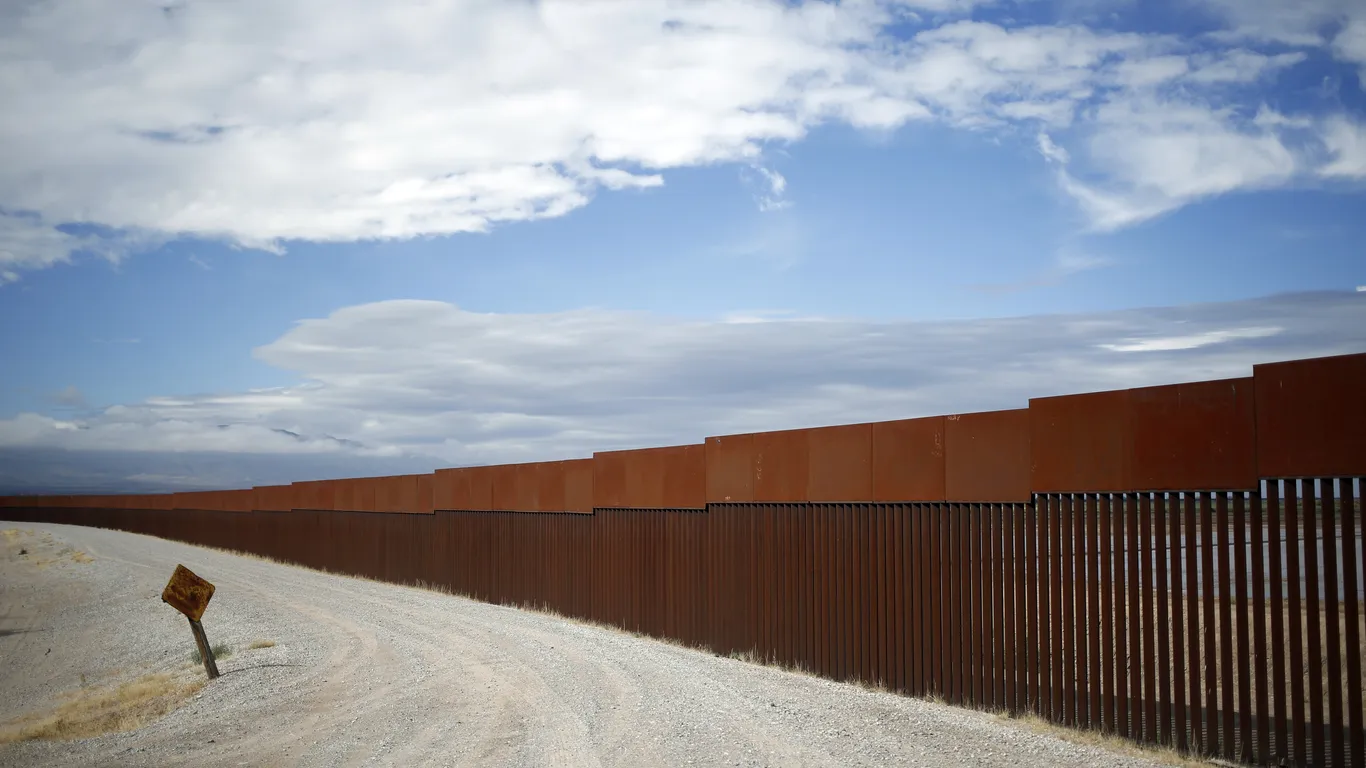
The Federal Aviation Administration has restricted airspace near the Texas-Mexico border following the Pentagon's use of a laser to shoot down a Customs and Border Protection drone. The restriction, in place since Thursday evening and lasting until June 24, does not affect scheduled commercial flights, though it highlights coordination failures between military and civilian aviation authorities.
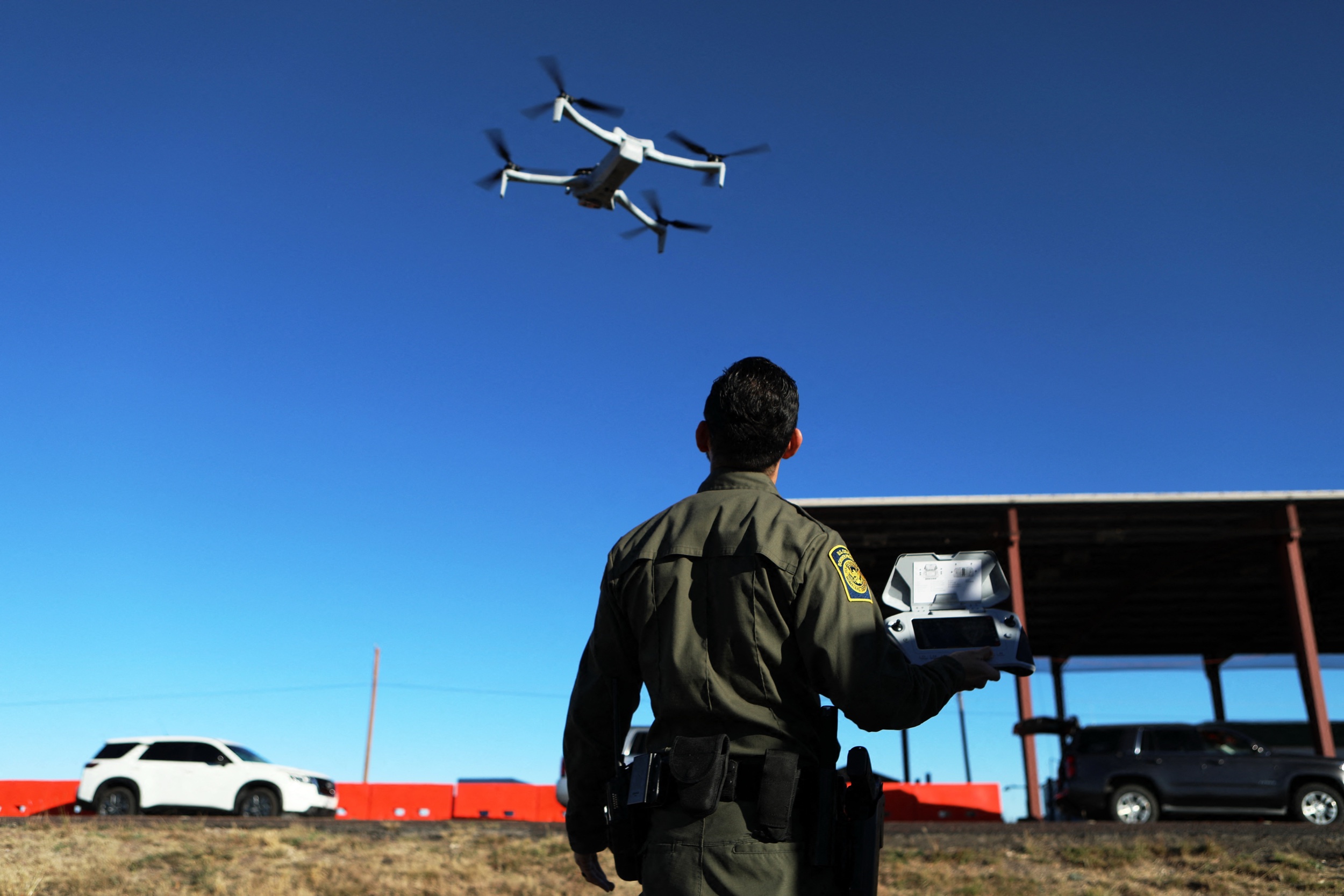
The Defense Department employed a laser-based anti-drone system against a CBP drone on Thursday in response to what Pentagon officials described as a seemingly threatening unmanned aerial system operating within military airspace. This happened southeast of El Paso near Fort Hancock, in an area already under a temporary flight restriction. The drone, operated by CBP to monitor border activities, was struck in a zone far from populated areas, with officials confirming no commercial aircraft were nearby at the time.
Democratic Representatives Rick Larsen of Washington, Bennie Thompson of Mississippi, and André Carson of Indiana criticized the incident as a dangerous lapse in coordination. In their Thursday statement, they accused the Trump administration of failing to synchronize military actions with civilian operations, pointing to a similar airspace closure earlier this month. These lawmakers, who oversee aviation and homeland security committees, argued that the incident highlights coordination gaps in protecting public safety while countering drone threats.
The administration stated that agencies are working together to prevent future occurrences.
This incident involved the Pentagon's use of a laser-based anti-drone system in a region where Mexican cartels have conducted drone incursions. The downing of the drone reveals coordination gaps between agencies. According to an administration official who spoke to Axios, CBP had not coordinated with the Defense Department, and agencies did not immediately update the FAA. For border communities, the restrictions include exemptions for critical operations such as air ambulances and search and rescue flights, though local providers must now seek advance approval.
The FAA's restrictions, in place since Thursday evening, will last until June 24, with exemptions available for air ambulance and search and rescue operations. Senators have already requested a classified briefing to investigate the drone incident and related airspace closures, signaling deeper reviews of military-civilian protocols. Resolving coordination gaps could prevent future shutdowns that disrupt border operations.
Cross-referenced to ensure accuracy