Texas Airspace Shutdown Disrupts Border Flights After Pentagon Drone Mishap
Revised after bias review
 Council News
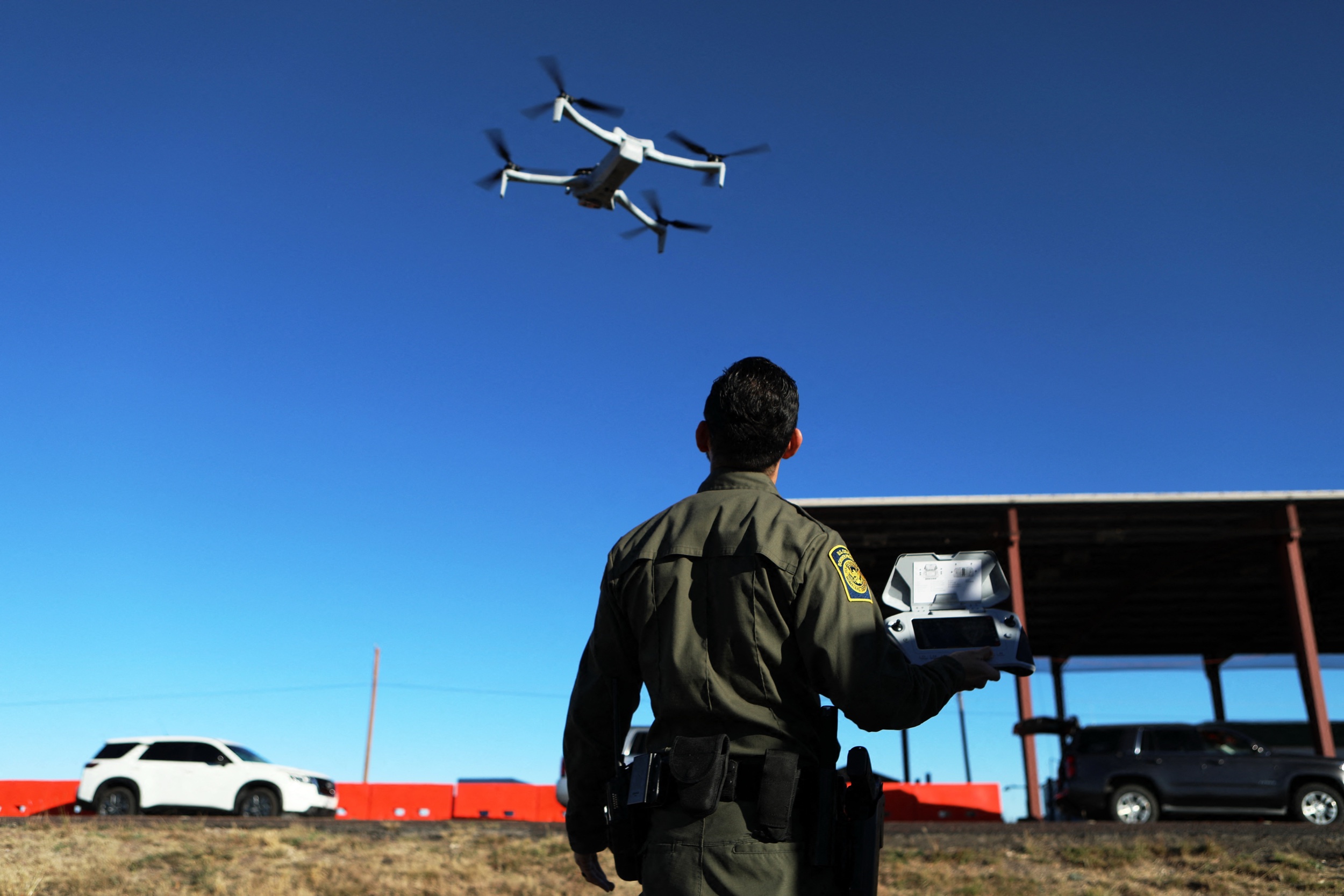





Texas airspace was shut after the Pentagon shot down a border patrol drone, a concrete action with logistical consequences.
Pentagon shot down a border patrol drone and shut Texas airspace, a concrete military action with immediate security implications and potential escalation risks.
Texas airspace was shut after the Pentagon shot down a border patrol drone, escalating security measures and changing aviation operations in the region.
Pentagon shot down a U.S. Customs drone over Texas, temporarily closing airspace and changing border-surveillance hardware in place.
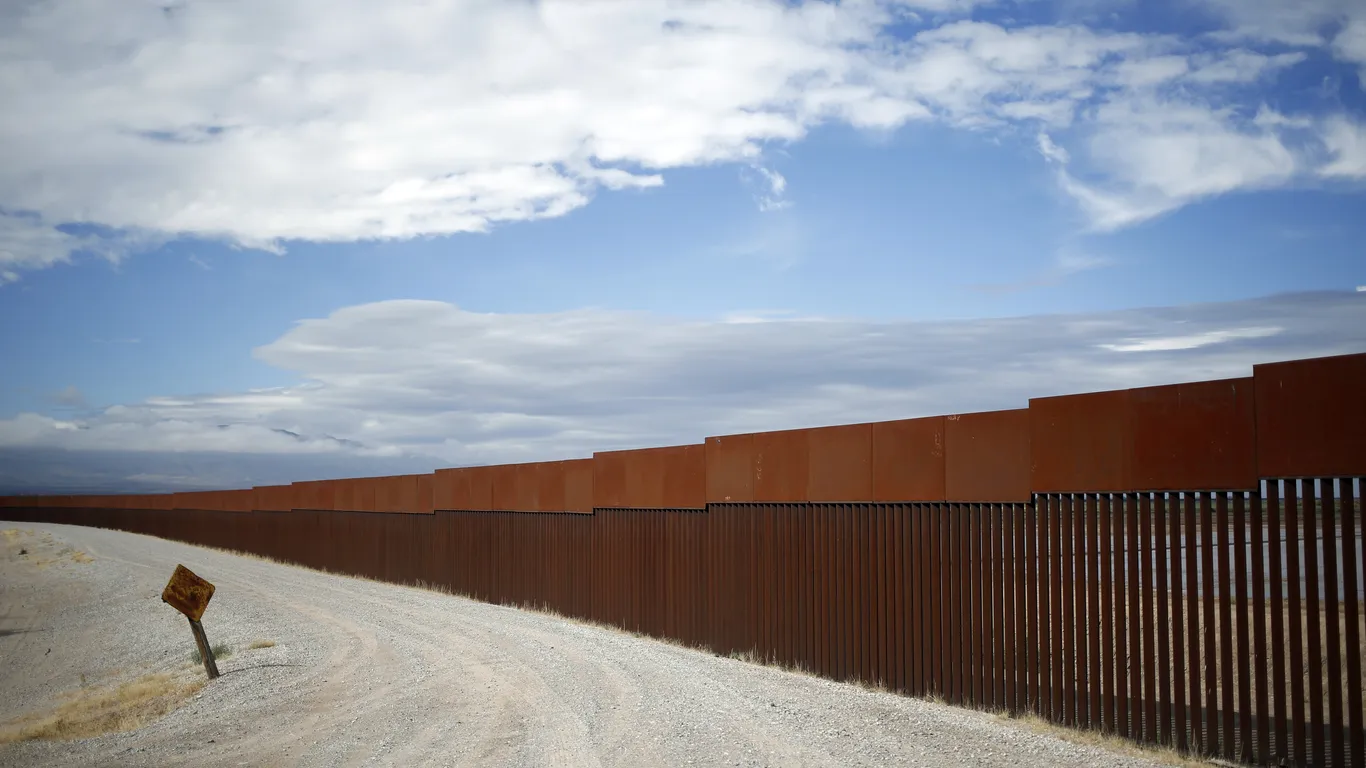
If you're flying near the U.S.-Mexico border, private and low-altitude flights might face restrictions. The Pentagon shot down a U.S. Customs and Border Protection drone on Thursday after misidentifying it as a threat, prompting the Federal Aviation Administration to impose immediate airspace restrictions around Fort Hancock, Texas—just over 50 miles from El Paso. This closure reflects tensions between border security operations and aviation safety, as agencies work to coordinate responses to drone threats from Mexican cartels and foreign organizations.
The Defense Department used a laser-based anti-drone system to target what it deemed a threatening unmanned aerial vehicle in military airspace. The Pentagon later determined the drone belonged to border patrol, not a hostile entity. An administration official attributed the incident to lack of coordination between CBP and the Defense Department, neither of which coordinated with the FAA. The FAA expanded a temporary flight restriction that was already in place, extending it to a larger radius for safety reasons. The expanded restriction applies to a specific radius around Fort Hancock and exempts commercial airlines, air ambulances, and search-and-rescue flights.
This incident underscores the dangers of drone incursions along the border, where Mexican cartels are deploying them for smuggling. The joint statement from the involved agencies revealed they are operating under President Trump's directives to counter these threats, as part of interagency collaboration. The administration states that Mexican cartels and foreign terrorist organizations are deploying drones along the border for smuggling. Democrats have raised concerns that military counter-drone operations near populated areas pose risks to civilian aviation. Local general-aviation operators and border businesses that rely on low-altitude flights could face disruptions.
Democrats on key committees, including Reps. Rick Larsen of Washington, Bennie Thompson of Mississippi, and André Carson of Indiana, issued a joint statement denouncing the Trump administration for the incident, citing concerns about public safety and coordination failures. The Defense Department, CBP, and FAA issued a joint statement defending the action, stating the engagement took place far away from populated areas with no commercial aircraft in the vicinity and that the agencies are working together in an unprecedented fashion at President Trump's direction to counter drone threats from Mexican cartels and foreign terrorist organizations.
This incident highlights tension between rapid military responses to border-drone threats and the need for tighter inter-agency coordination. Local general-aviation operators and border businesses that rely on low-altitude flights could face disruptions. Federal agencies say they are tightening coordination to prevent similar incidents.
The FAA's restrictions, which began around 6:30 p.m. local time on Thursday, are set to continue through June 24, forcing ongoing adjustments for air traffic in the region. Resolving coordination issues between federal agencies could prevent future airspace closures in the region.
Cross-referenced to ensure accuracy