




Island Without Electricity as Infrastructure Crumbles
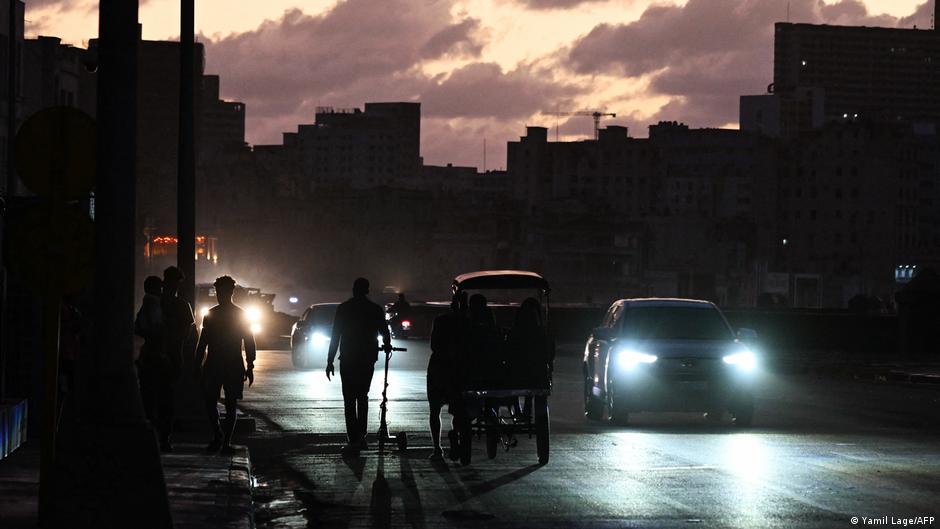
Cuba's power grid collapsed Saturday, leaving the entire nation without electricity for the third time in March. The Cuban Electric Union announced a total blackout across the island after an unexpected failure at the Nuevitas thermoelectric plant in Camagüey province triggered what the Ministry of Energy and Mines called "a cascading effect" through machines that were online. Authorities activated "micro-islands" of generating units to restore power to vital centers, hospitals and water systems, but the outage marked the second nationwide blackout in less than a week.
The blackouts have devastated daily life across the Caribbean nation. Disruptions include reduced work hours, eliminating electricity for cooking, and spoiling food when refrigerators stopped running. In some cases, hospitals canceled surgeries. Rare public dissent sparked by the recent crisis and national power cuts saw locals banging pots and pans in Havana. Protesters in the town of Morón also attacked and set fire to the Communist Party headquarters on Monday.
Fuel Shortage Compounds Aging Infrastructure
Cuba's electrical system has drastically eroded in recent years, but fuel scarcity has become the primary driver of repeated failures. President Miguel Díaz-Canel said the island has not received oil from foreign suppliers for three months. Cuba produces barely 40% of the fuel it needs to power its economy. Fuel shortages have caused daily blackouts of up to 12 hours that destabilize the entire system.
Helen Yaffe, a professor of Latin American political economy at the University of Glasgow, explained the scale of the crisis. "How long can any nation survive without oil?" she asked. She noted that renewable energy now helps meet daytime demand, with solar power covering nearly half of needs, but the country still lacks storage capacity and fuel for transport.
Trump Administration Tightens Pressure
The Cuban government blames the outages on a U.S. energy blockade that has been in place since 1962 but intensified recently. In January, President Trump warned of tariffs on any country that sells or provides oil to Cuba, demanding that the island release political prisoners and move toward political and economic liberalization in return for lifting sanctions. Trump has also raised the possibility of a "friendly takeover of Cuba," later telling reporters he believed he would soon have "the honor of taking Cuba."
Critical oil shipments from Venezuela halted after the U.S. arrested Venezuelan President Nicolás Maduro in early January, removing a steadfast ally to Havana. Cuba had also relied heavily on petroleum from Mexico and Russia, but those supplies have proven insufficient.
Havana Opens Dialogue While Resisting Demands
Cuban Deputy Foreign Minister Carlos Fernandez de Cossio stated that "the political system of Cuba is not up for negotiation, and of course neither the president nor the position of any official in Cuba is subject to negotiation with the United States." President Díaz-Canel confirmed that the American and Cuban governments have held initial phases of bilateral talks aimed at ending the crisis, though it remains unclear how they are progressing.
Humanitarian organizations have begun delivering aid to Cuba by air, including solar panels, food and medicine. A coalition of international socialist groups called the "Nuestra America" convoy was delayed but expected to arrive in Havana with aid donations, while the Cuban president told aid workers the island has a "preparation plan to raise our people's readiness for defence" against any potential U.S. military aggression.