




The Outage on Saturday
Cuba experienced a total blackout on Saturday that left millions without electricity, marking the second island-wide failure in less than a week. Union Electrica reported the collapse at 18:32 local time, attributing it to an unexpected failure at the Nuevitas thermoelectric plant in Camaguey province. This event triggered a cascading effect across the grid, forcing the Energy Ministry to activate micro-islands of generating units for hospitals and water systems.
Underlying Infrastructure Problems
Cuba's power system has struggled with ageing infrastructure, leading to frequent breakdowns that exacerbate fuel shortages. The country produces just 40% of the fuel it needs, with daily blackouts reaching up to 20 hours in some areas. Power outages have become routine over the past two years. Saturday's outage was the third this month.
Effects on Everyday Activities
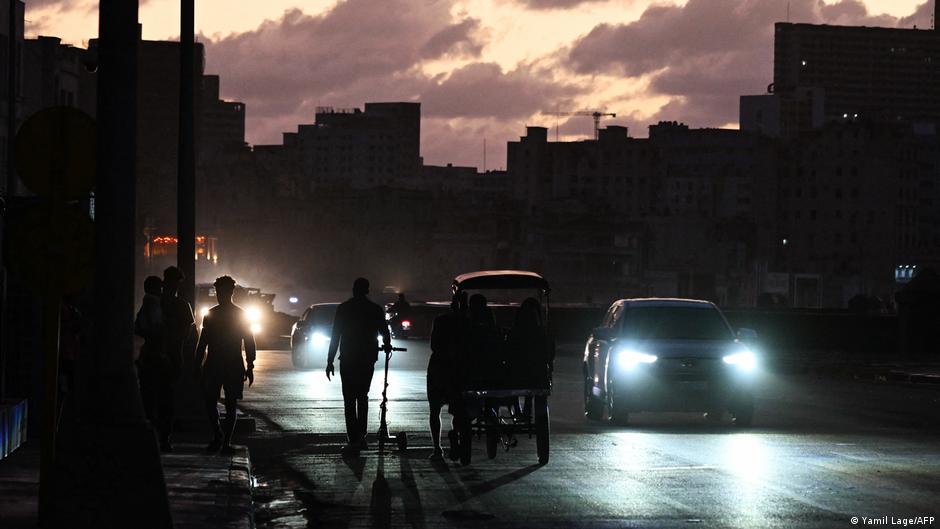
In Havana, streets turned pitch black at nightfall, with residents relying on phone lights or torches to navigate. Nilo Lopez, a 36-year-old taxi driver, described the situation as unbearable, saying, "I wonder if we are going to be like this our whole lives. You can't live like this." The blackouts have extended to up to 15 hours daily in the capital, disrupting water supply and forcing some restaurants to use generators.
Fuel Shortages and Their Sources
No oil has reached Cuba since January 9, hitting the power sector and reducing flights to the tourism industry. The Cuban government points to a US-imposed oil blockade as the main cause. The US maintains a de facto oil blockade since Washington deposed Venezuelan President Nicolas Maduro. Trump has threatened tariffs on countries selling oil to Havana. He has also made no secret of his desire for regime change and has demanded Cuba release political prisoners.
US Perspective on the Crisis
The Trump administration argues that Cuba's economic failures stem from its command economy, not just external pressures. The Trump administration demands Cuba release political prisoners and move toward political and economic liberalization in exchange for a lifting of sanctions. Cuba's President Miguel Diaz-Canel warned that "any external aggressor will encounter an unbreakable resistance".
Restoration and Aid Efforts
Authorities worked to restore power after Saturday's blackout, prioritizing vital centers through the micro-islands system. An international aid convoy arrived in Havana this week, delivering medical supplies, food, water, and solar panels to address the shortages. These steps offer temporary relief, but the repeated failures highlight ongoing challenges for the island's 9.6 million people.