




Blanche Declares Fund Dead in House Testimony
Acting Attorney General Todd Blanche told the House Appropriations Committee on Tuesday that the Justice Department is not moving forward with its $1.8 billion anti-weaponization fund. "We are not moving forward with the fund. Period," Blanche said. He confirmed to Rep. Grace Meng of New York that the commitment holds even after the federal court order expires.
Meng pressed Blanche on whether he would put the decision in writing. Blanche replied that the hearing transcript would serve as the record. He told Meng he saw no need for a separate written rescission since he stated the position directly.
The fund originated from a settlement between the IRS and President Donald Trump, Donald Trump Jr., Eric Trump, and the Trump Organization. Trump agreed to drop a lawsuit against the IRS over his leaked tax returns in exchange for the fund to compensate people claiming unfair government targeting.
Settlement Provisions Shield Trump From Audits
Rep. Rosa DeLauro of Connecticut asked Blanche whether the IRS agreement to refrain from auditing Trump, his family, or his businesses remains in place. Blanche confirmed that portion of the settlement stands while only the fund itself is halted.
Democrats had threatened to force votes on amendments related to the fund during budget reconciliation talks. Senate Minority Leader Chuck Schumer said Democrats would make Republicans vote on the issue as they advanced spending priorities. The fund's creation had drawn criticism from both parties including some of the president's allies.
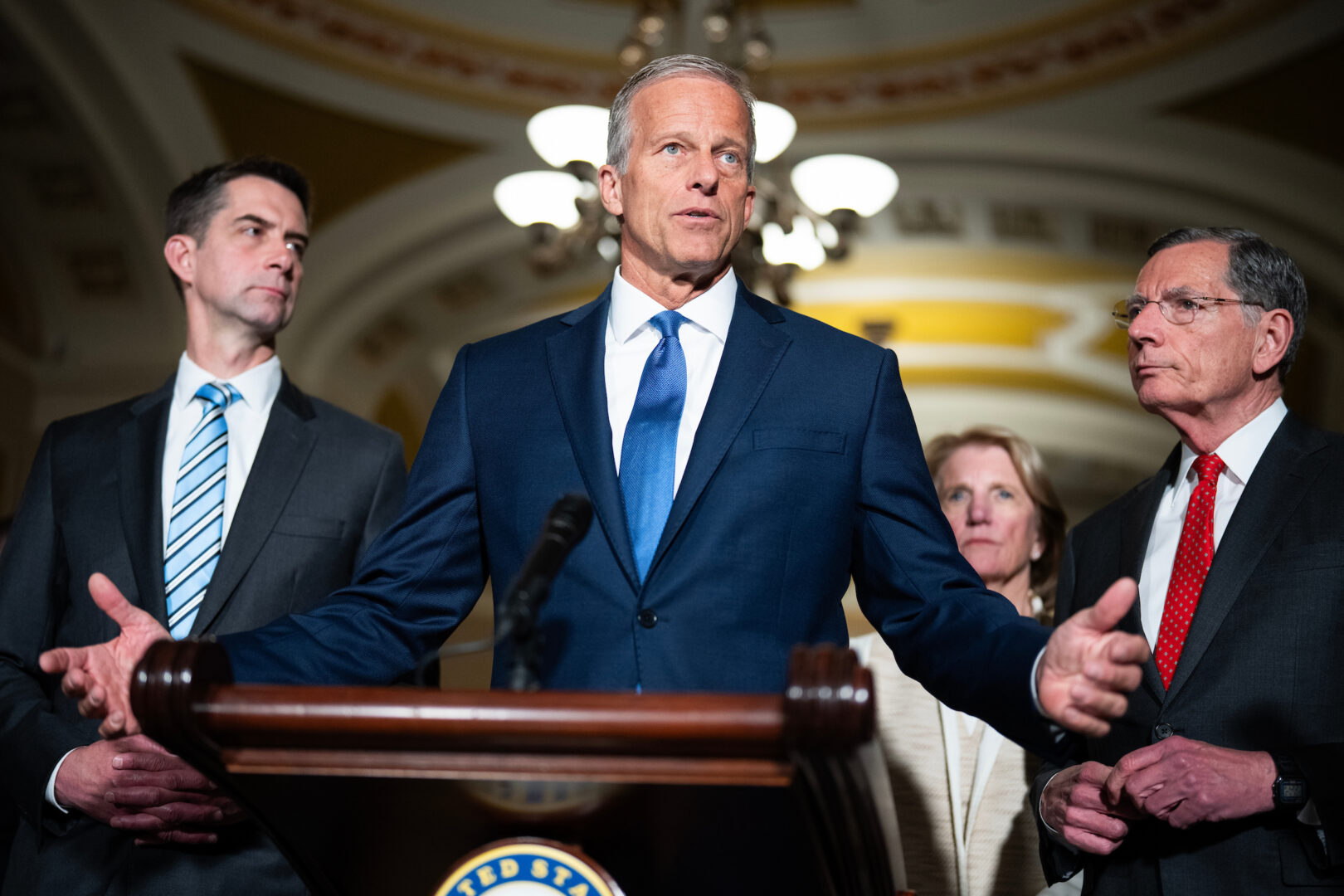
Senate Majority Leader John Thune told reporters he expected Blanche's statements to provide certainty for GOP members. Thune noted after a lunch meeting that conversations would continue on securing 50 votes for reconciliation legislation to fund ICE and Customs and Border Protection. Sen. John Cornyn said he was unsure whether the testimony would satisfy all Republican concerns.
Court Order Forces Immediate Pause
The Justice Department announced Monday it would abide by a district judge's temporary block on the fund. Blanche testified that the department will comply with the ruling and not revive the program afterward. House Republican Brian Fitzpatrick said Monday he plans to force a House vote on his bill to block the fund.
The fund would have provided taxpayer payouts to individuals alleging government weaponization against them. Former Trump lawyer Michael Cohen indicated he planned to file a claim. Republican opposition in Congress had stalled votes on funding for immigration enforcement agencies.
California Tests Anti-Incumbent Mood in Primaries
California voters head to polls Tuesday in a jungle primary where all candidates run together and the top two advance to November regardless of party. House Democrats are watching races involving incumbents in their 70s and 80s facing younger challengers. Reps. Mike Thompson, Doris Matsui, and Brad Sherman are among those in tough fights.
In California's 4th District, 75-year-old Thompson who joined Congress in 1998 faces 35-year-old venture capitalist Eric Jones. Thompson raised just under $3 million by March 31 while Jones raised over $3.2 million including a $364,000 personal loan. Jones ran ads calling Thompson corrupt and ineffective while Thompson highlighted his anti-Trump record.
In California's 7th District, 81-year-old Matsui who took office in 2005 competes against 41-year-old progressive former Sacramento City Council member Mai Vang. Vang received an endorsement from the Sacramento Bee. Matsui's campaign placed a red box on her website promoting Republican Zachariah Wooden in a move critics called an attempt to influence the runoff.
Sherman Faces Challenge Over Three-Decade Tenure
In California's 32nd District, 71-year-old Brad Sherman who has served since 1997 battles 42-year-old Jake Levine, a former Biden administration official. Levine's campaign centered ads on Sherman's 30-year tenure in office. Sherman focused on portraying himself as an anti-Trump fighter who delivers for his district and largely ignored his challenger.
Other incumbents below retirement age face progressive challengers including Reps. Ami Bera in the 3rd District and Jimmy Gomez in the 34th District. An open primary to replace former House Speaker Nancy Pelosi in the 11th District drew strong interest. In the 22nd District, State Assembly member Jasmeet Bains holds support from House Democrats' campaign arm but must first defeat progressive Randy Villegas.
Los Angeles Mayor Race Centers on Fire Recovery
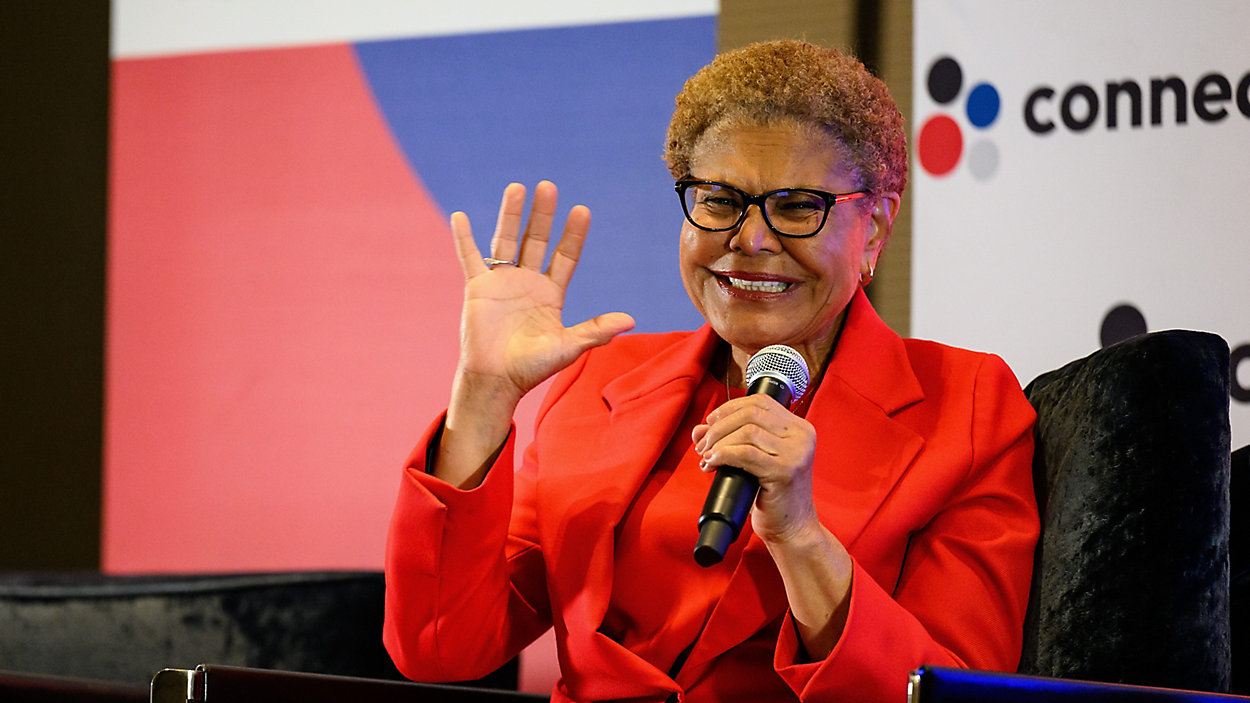
Los Angeles voters choose among 14 candidates in a nonpartisan primary that could produce an outright winner or send the top two to a November runoff. Incumbent Mayor Karen Bass, City Councilwoman Nithya Raman, and reality TV personality Spencer Pratt lead in polls after their only televised debate on May 6. Bass served six terms in Congress before becoming the city's first female and second African American mayor in 2022.
More than 10,000 structures were destroyed and more than 30,000 acres burned in the 2025 Los Angeles wildfires. Pratt criticized the city's response after losing his home in the Palisades fire. Bass defended her actions while saying the city must improve and Raman called the response dysfunctional.
Homelessness emerged as another central issue. Bass pointed to decreases under her administration. Raman emphasized bringing unhoused people indoors while Pratt identified drug addiction as the root cause.
Candidates offered differing approaches to ICE operations that sparked protests last year. Bass opposed ICE's presence and vowed the city would not tolerate fear and intimidation. Raman pledged to appoint a police chief committed to protecting immigrants and bar LAPD coordination with federal immigration enforcement. Pratt said he would make streets safe enough that federal involvement becomes unnecessary under California's sanctuary law.
The primary will determine leadership on Hollywood revival, LAPD funding, and affordable housing as the city recovers from the fires.