





The Executive Order
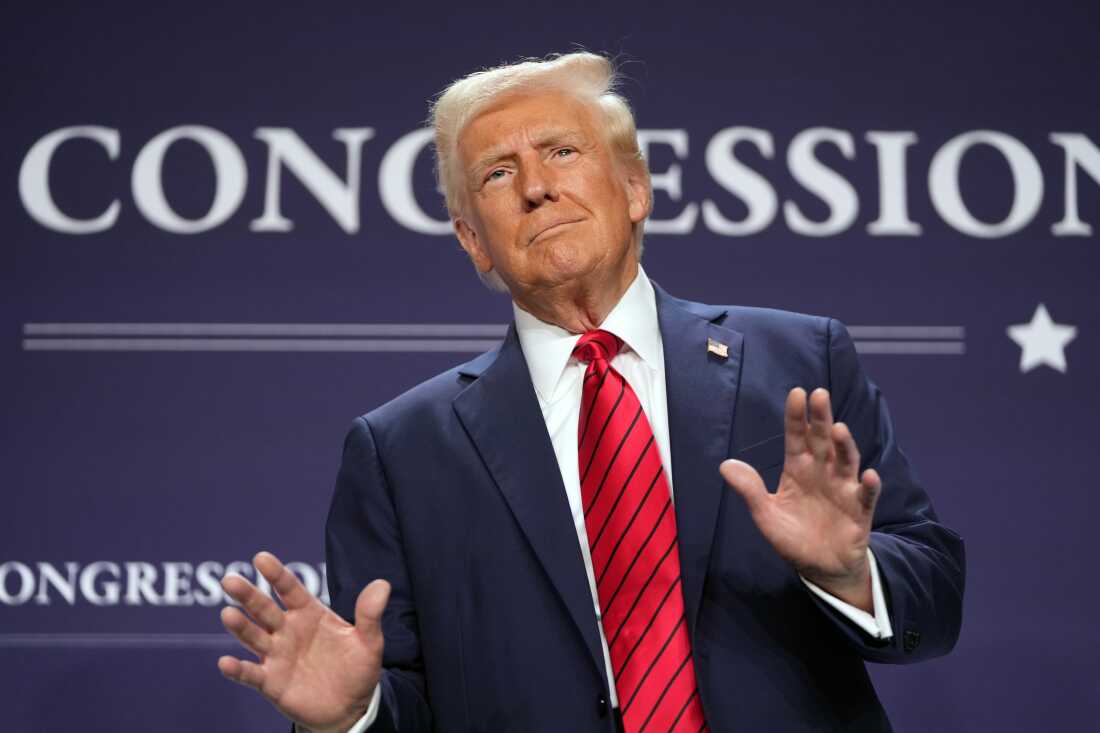
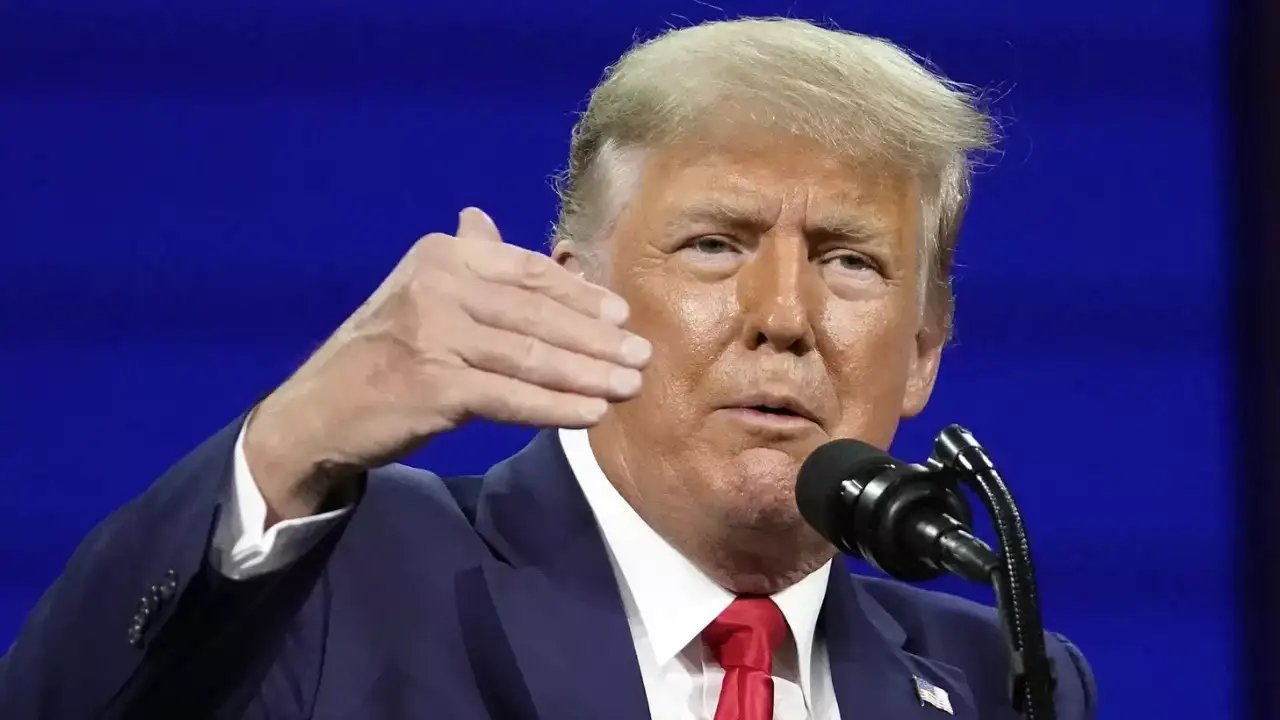
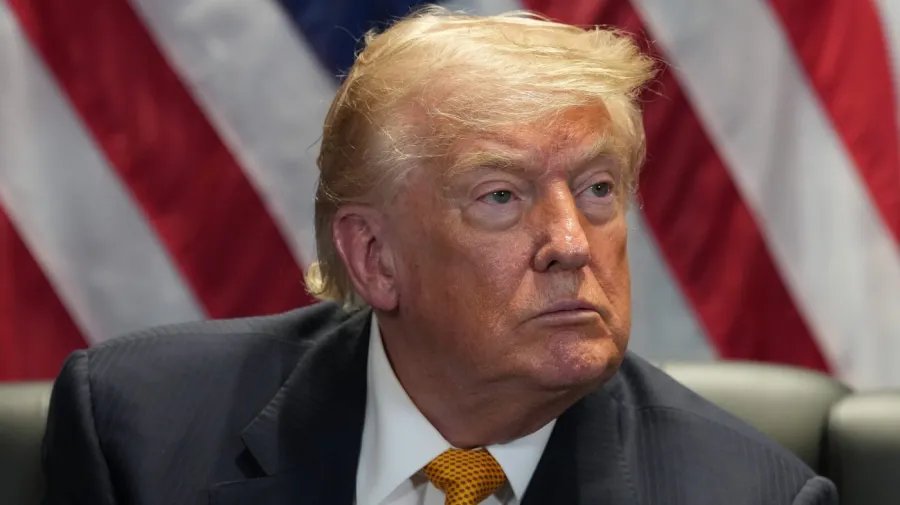
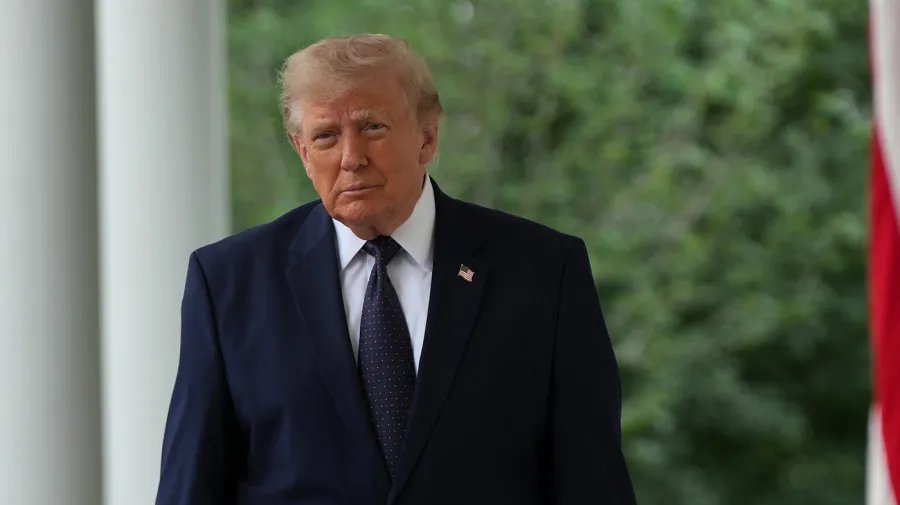
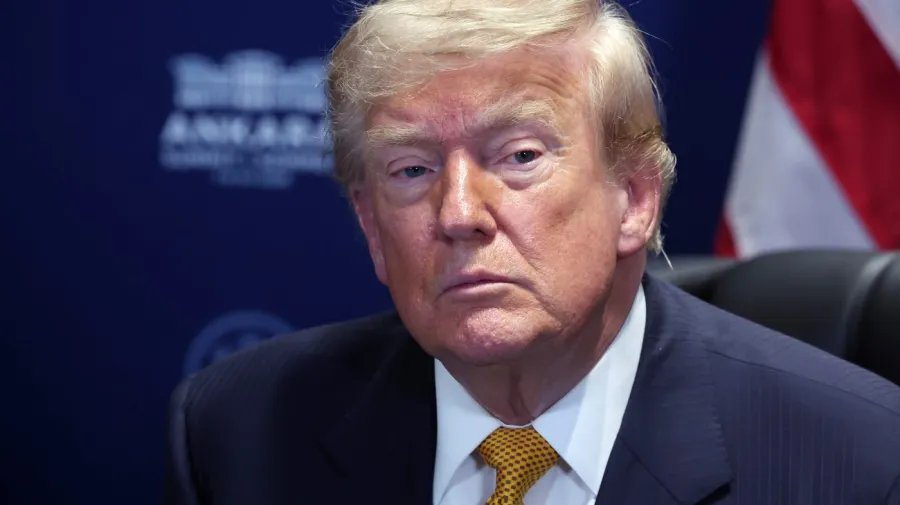
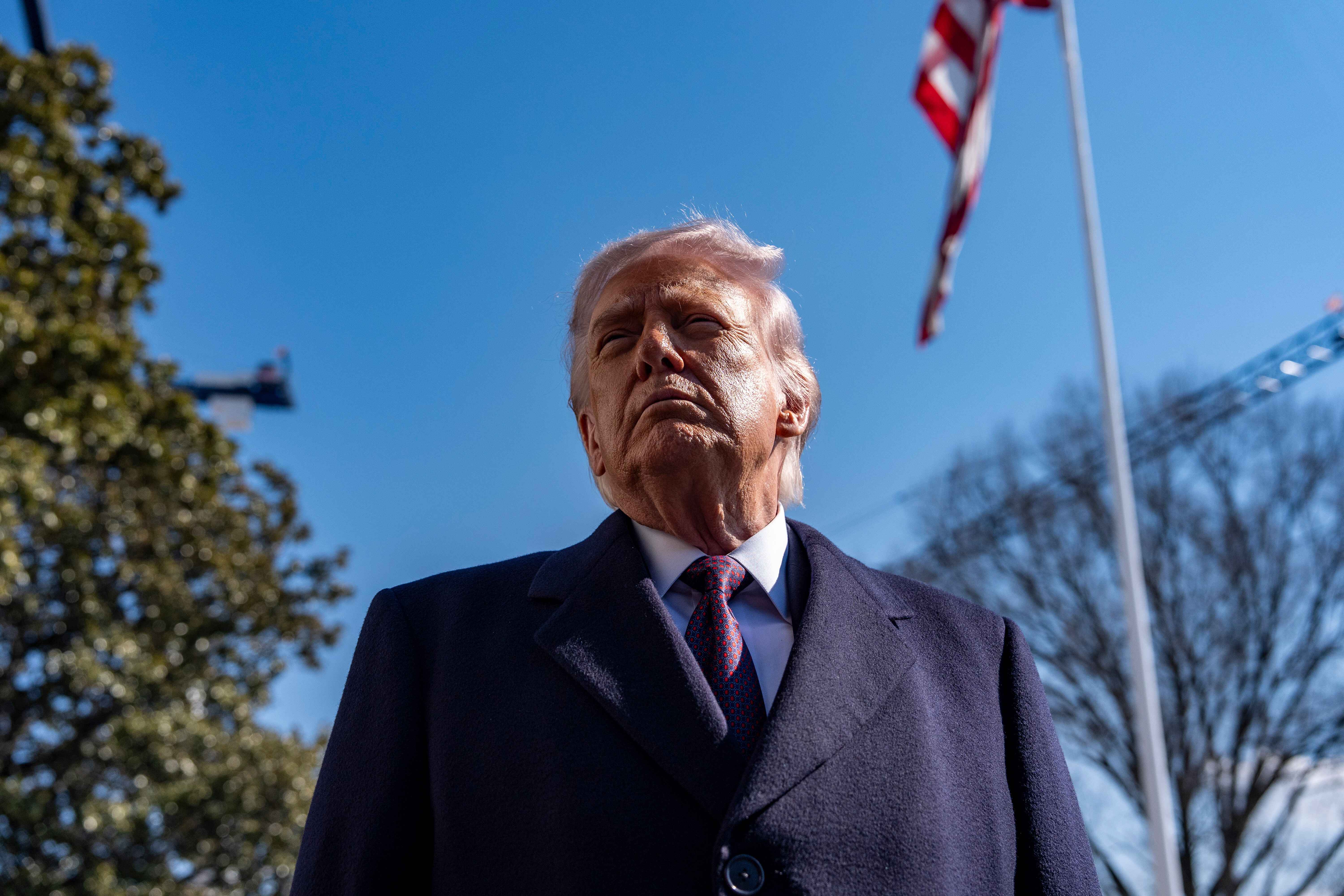
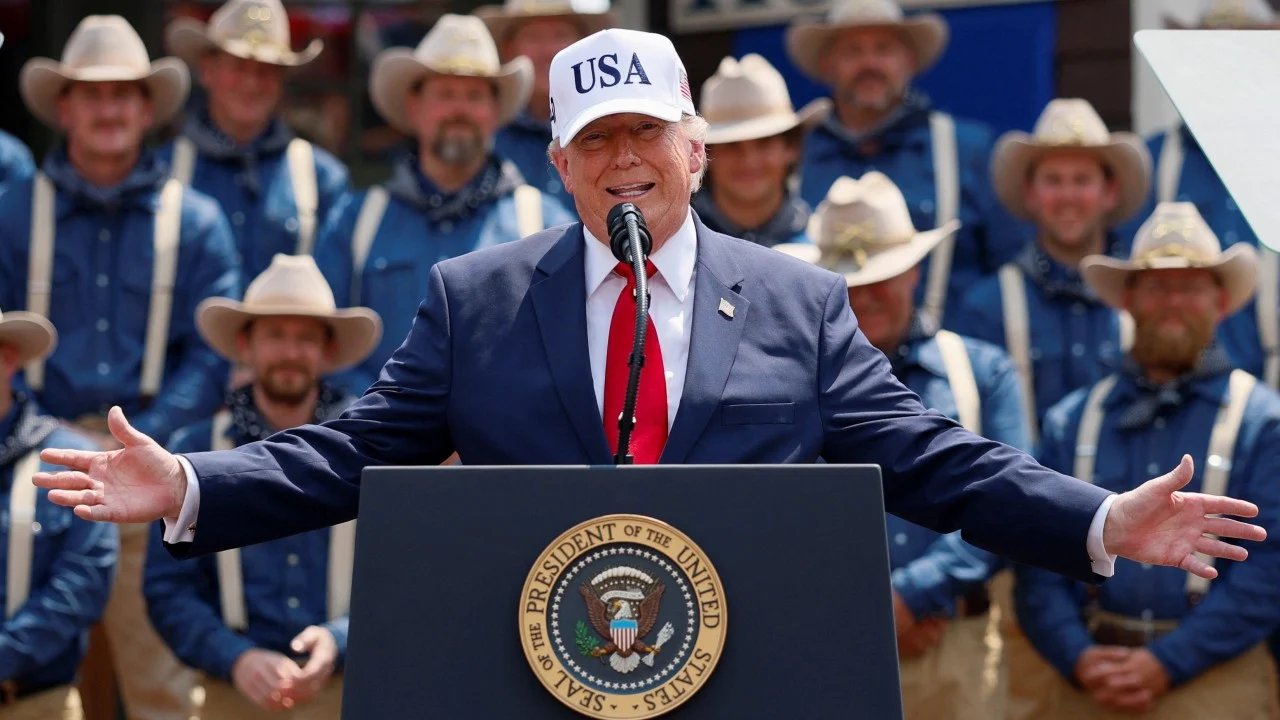
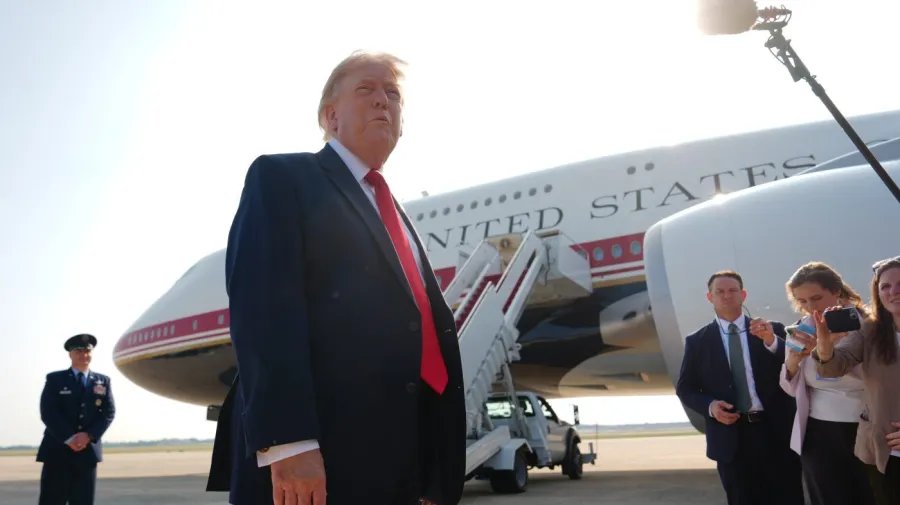
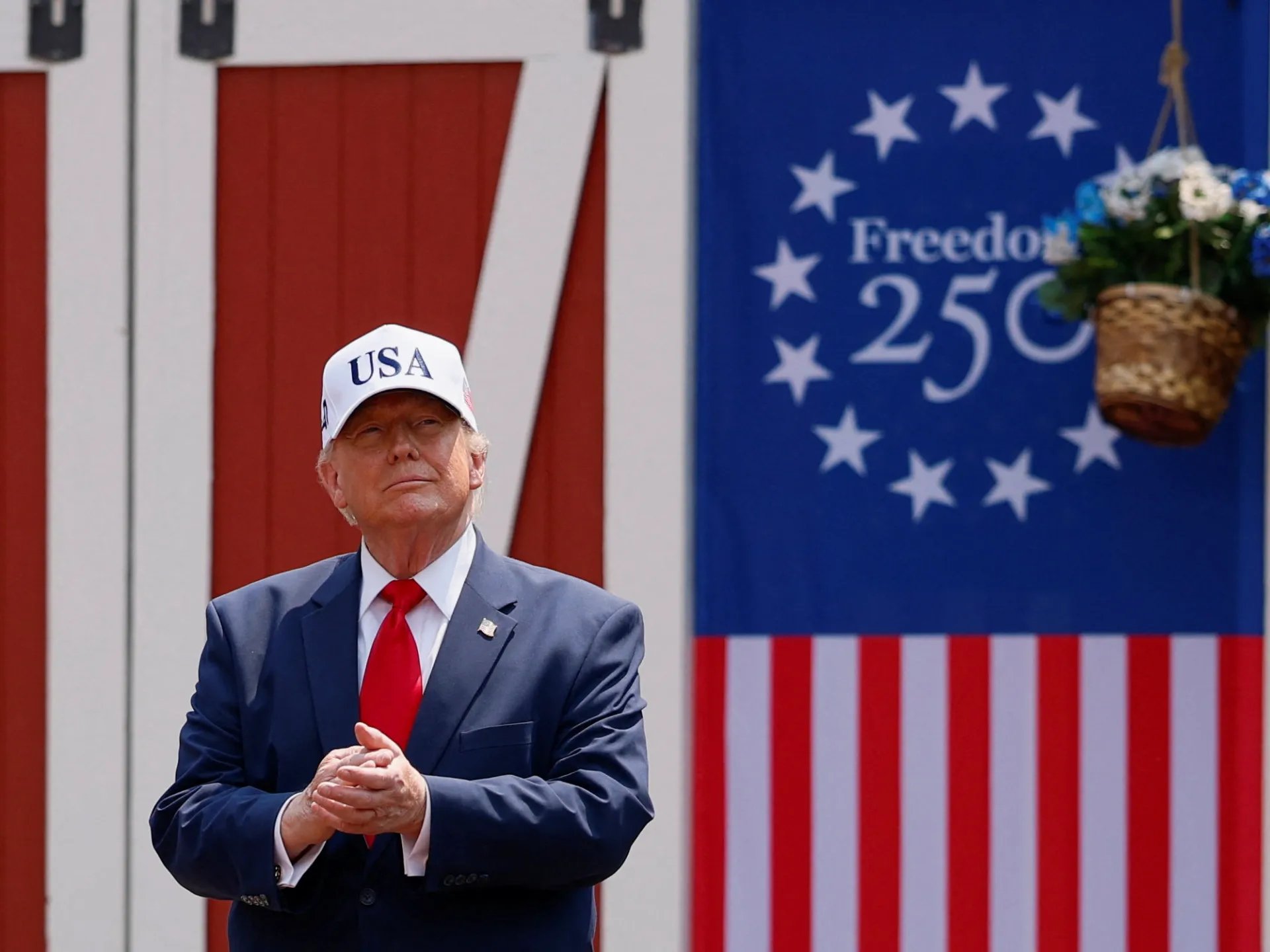
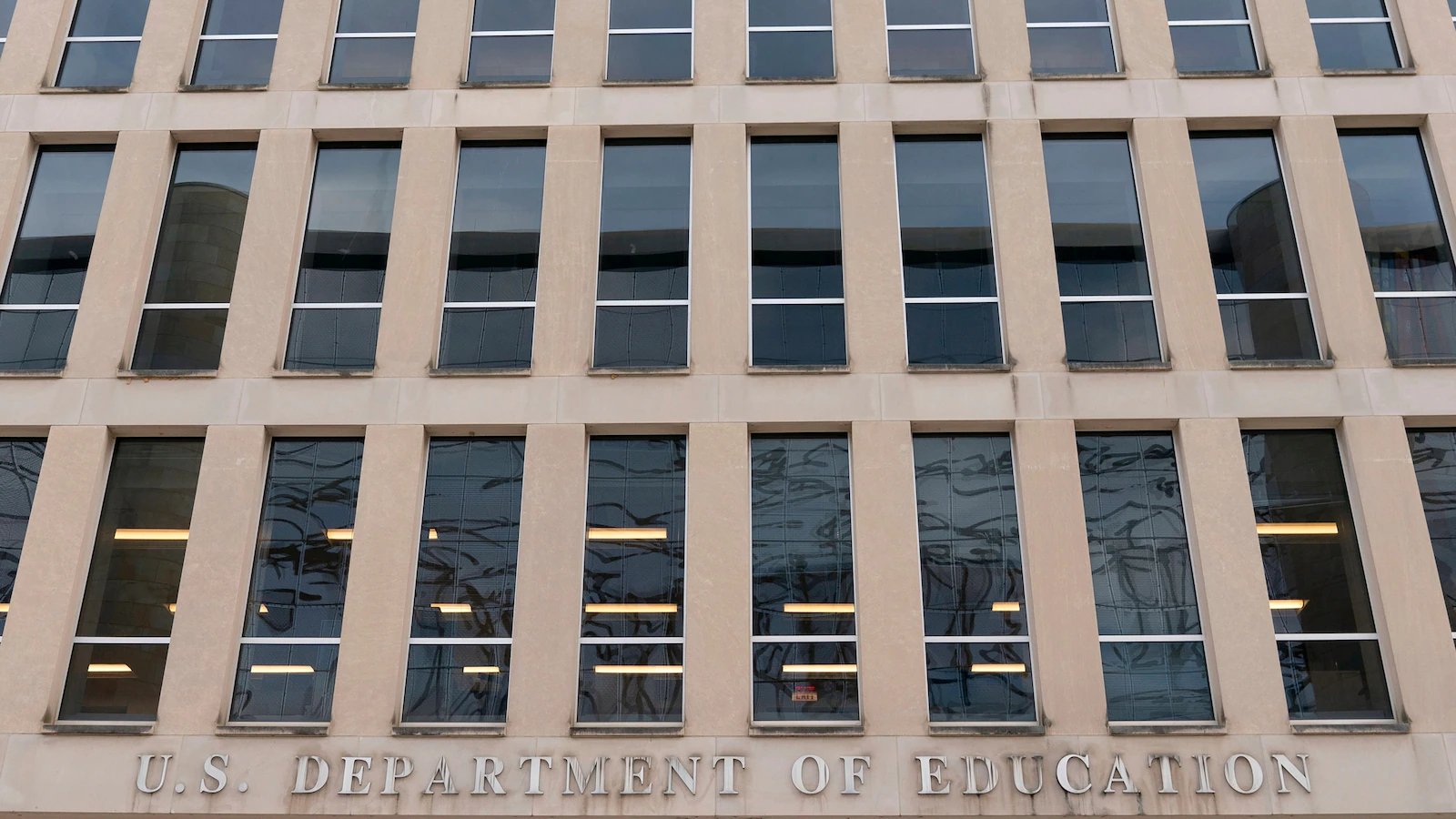
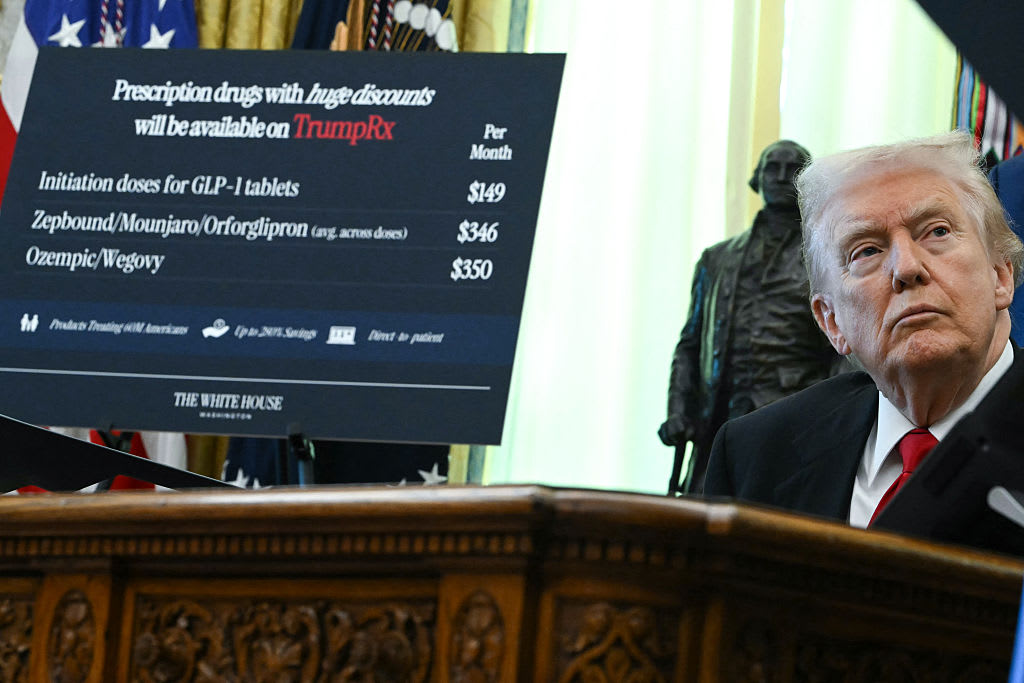
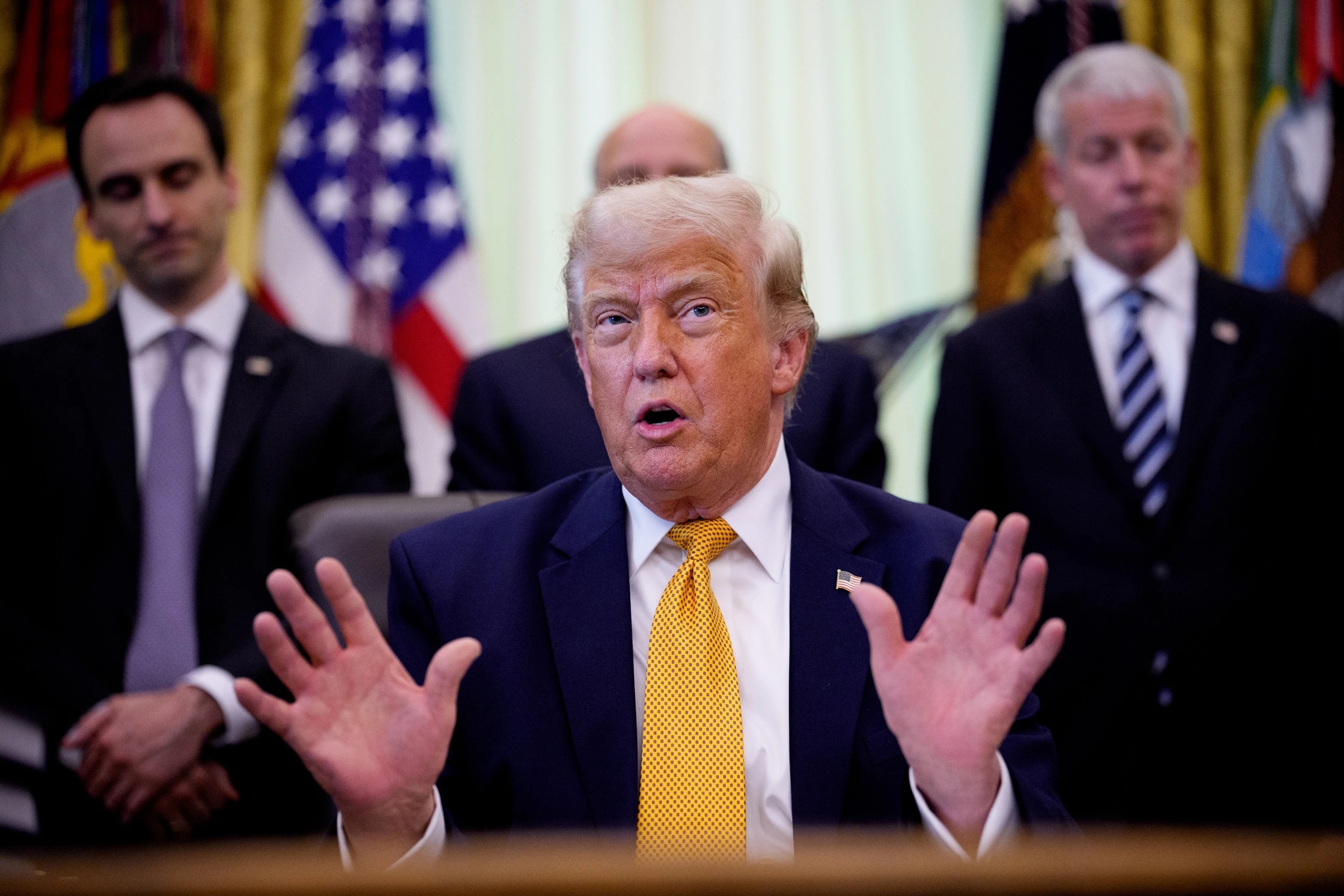
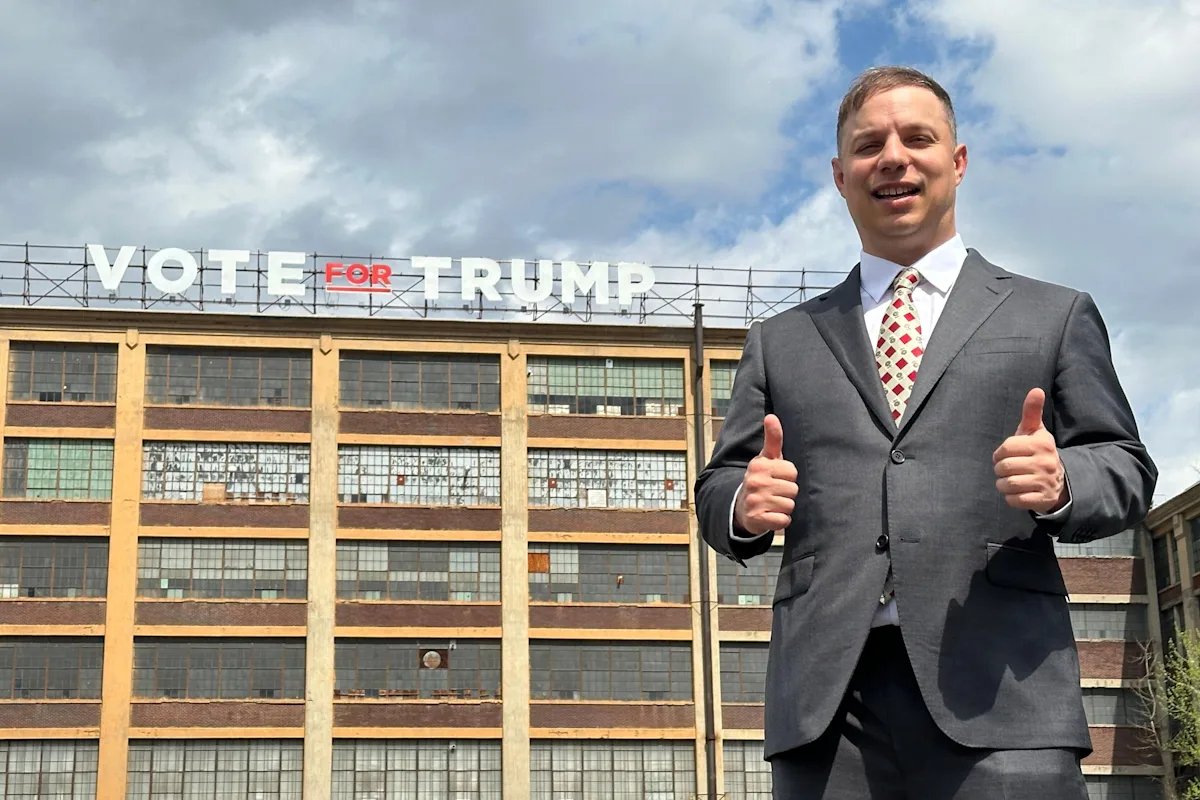
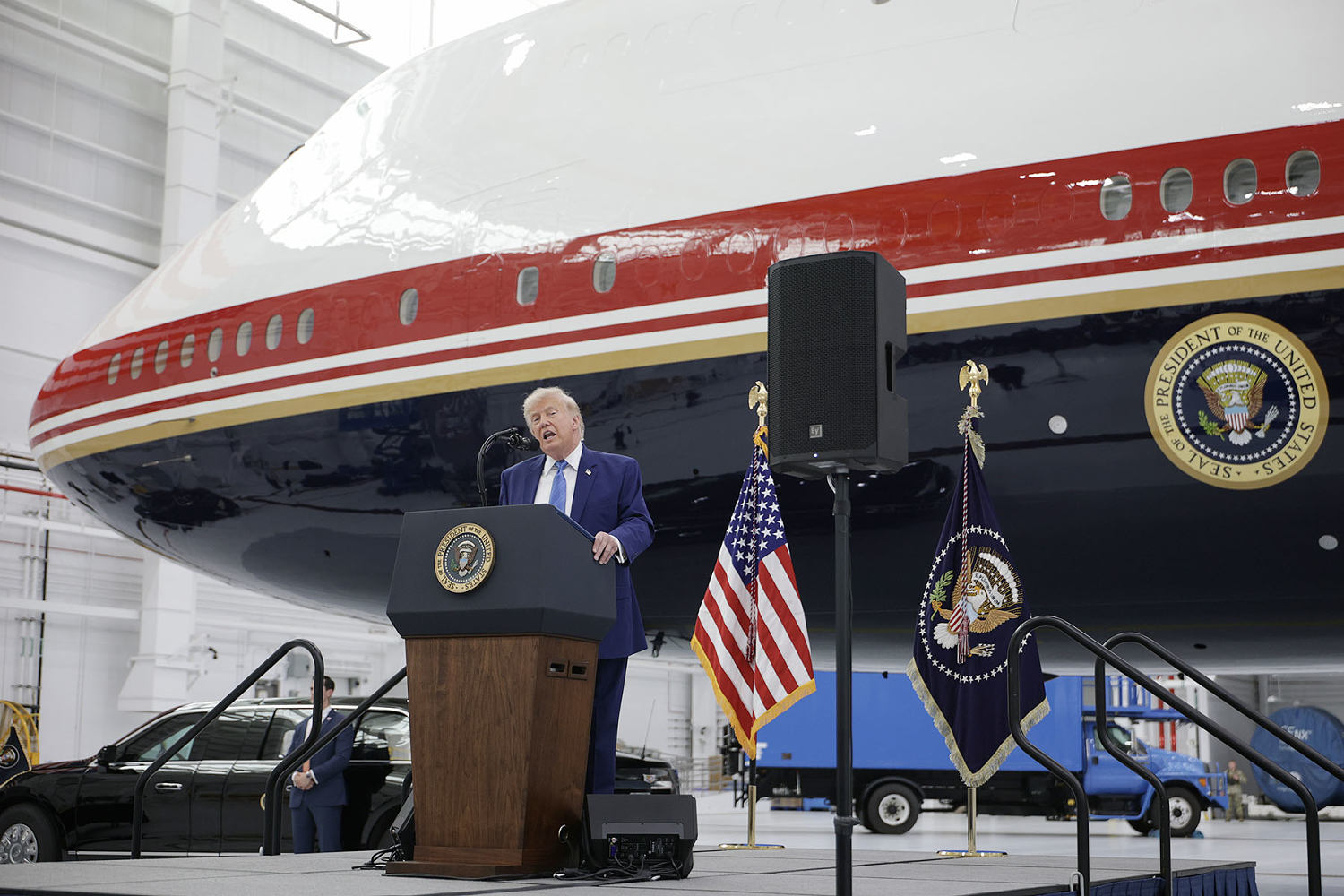
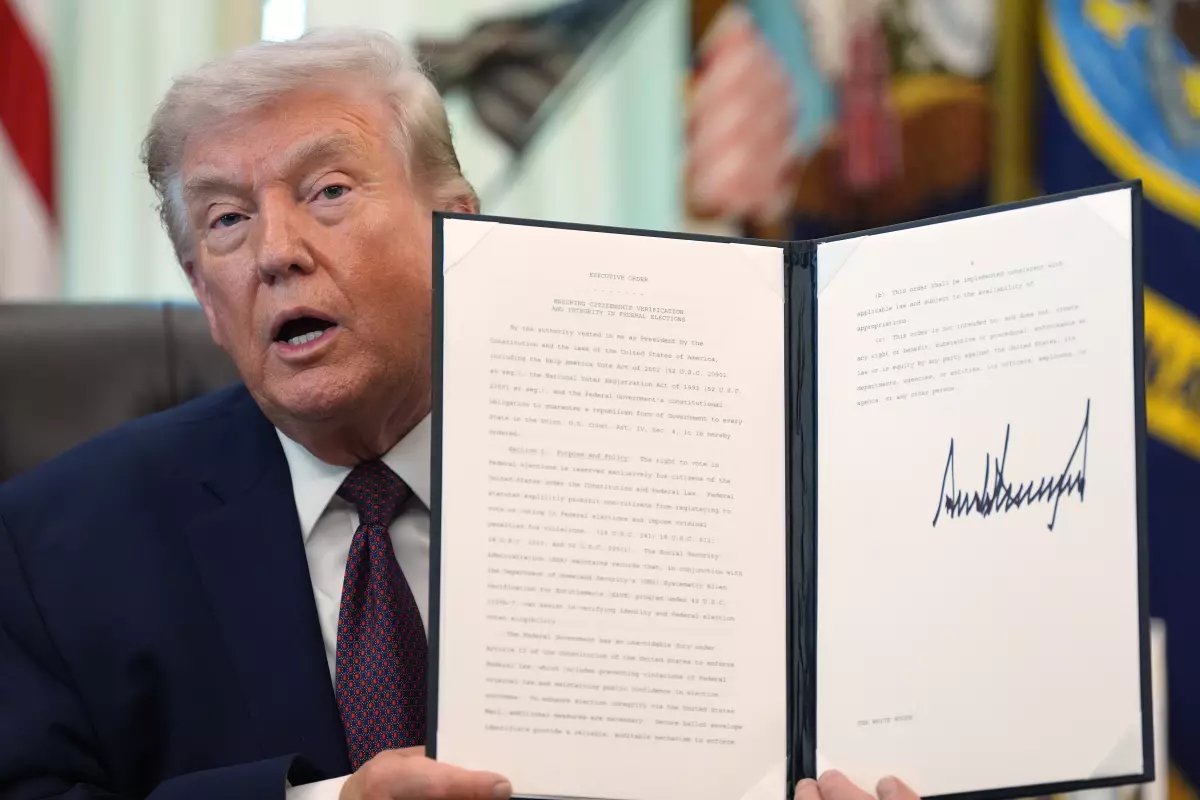
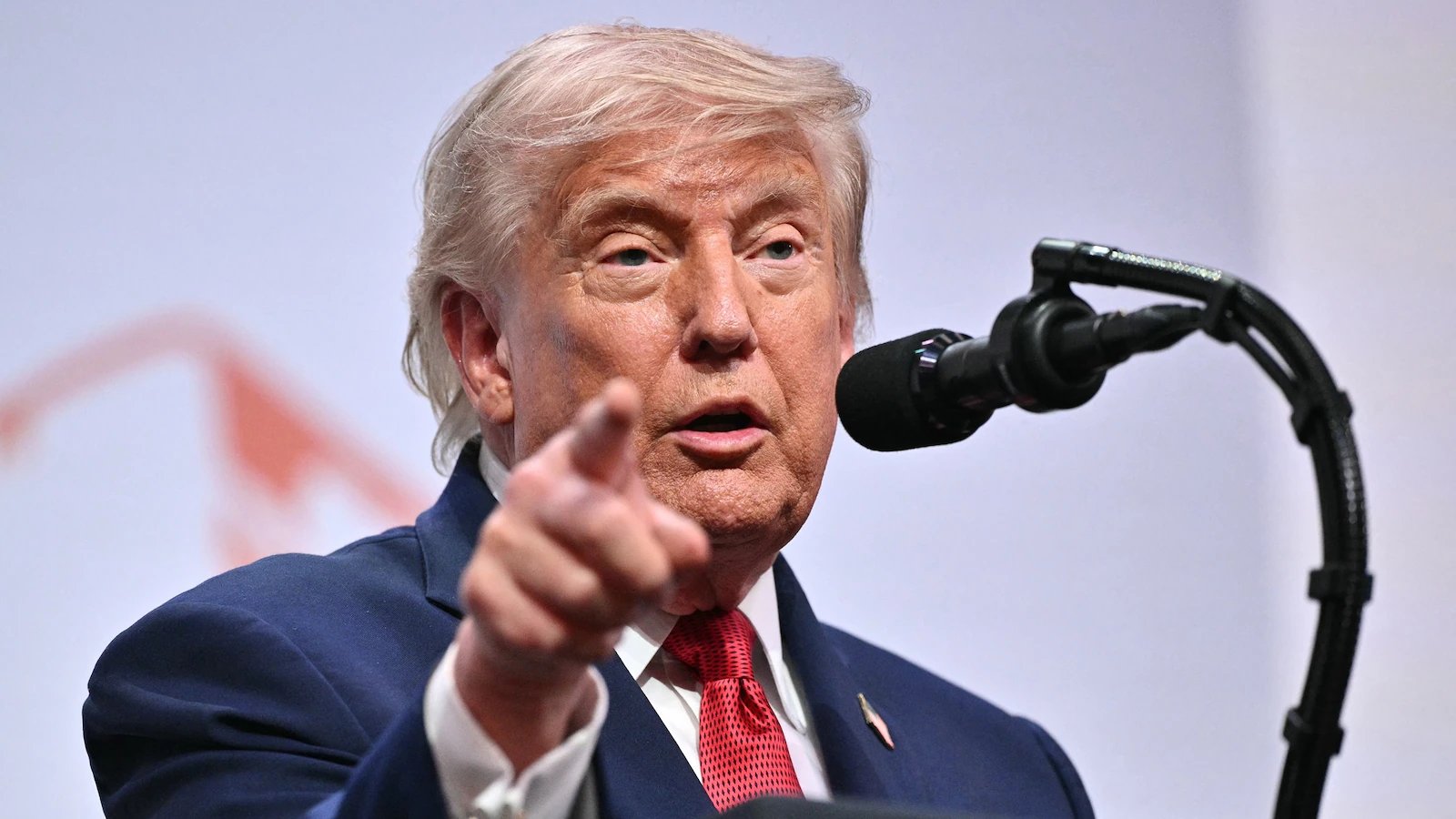
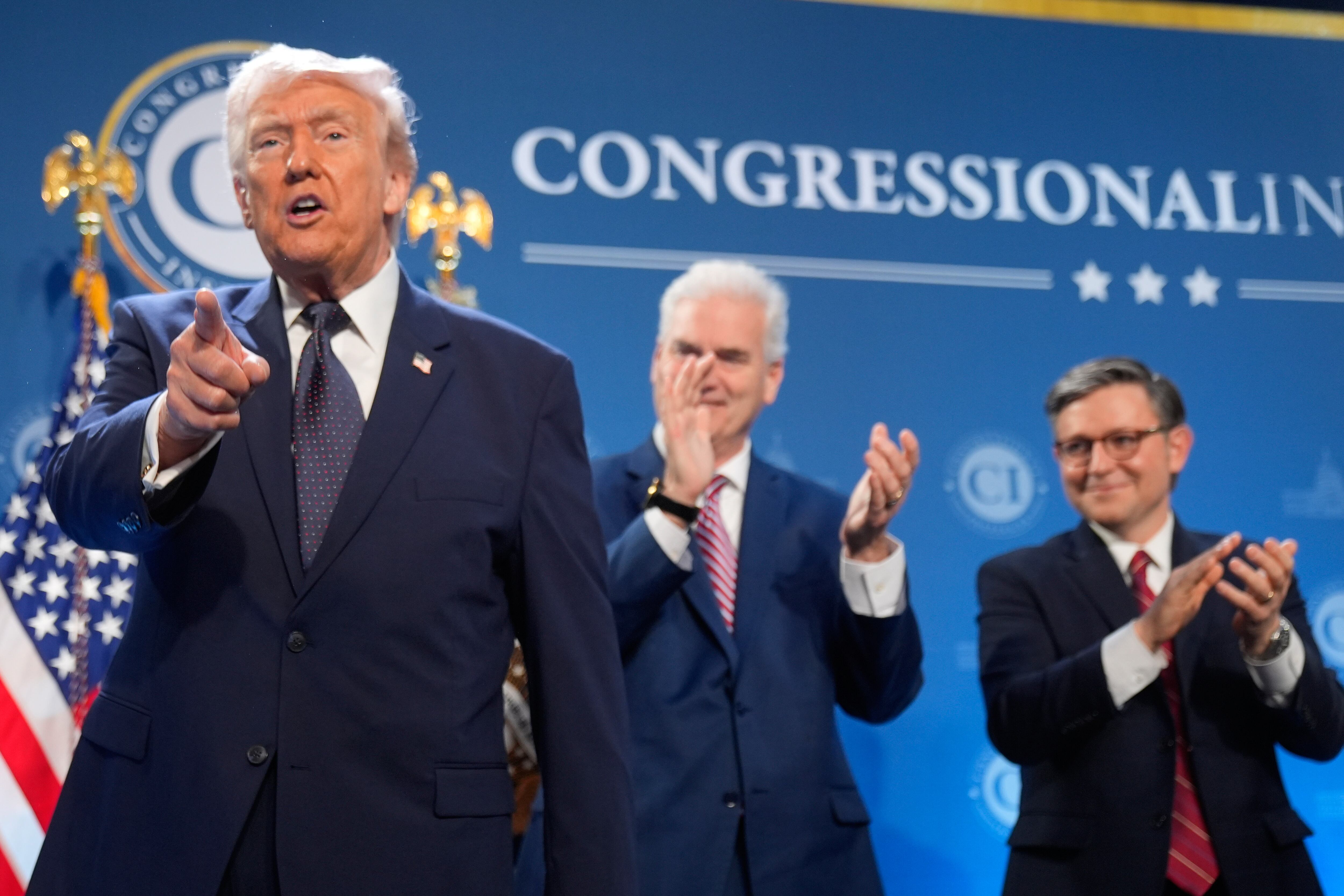
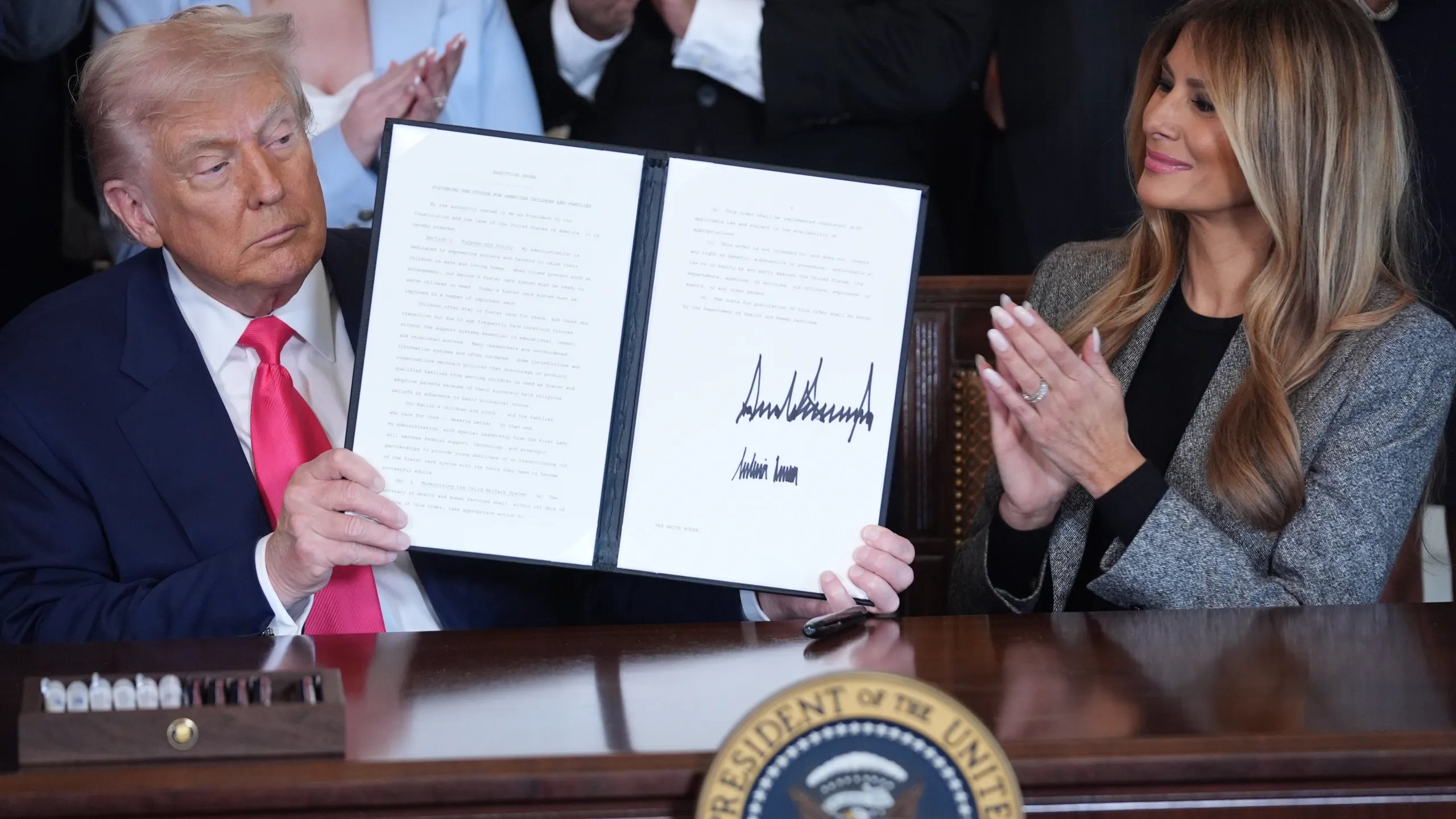
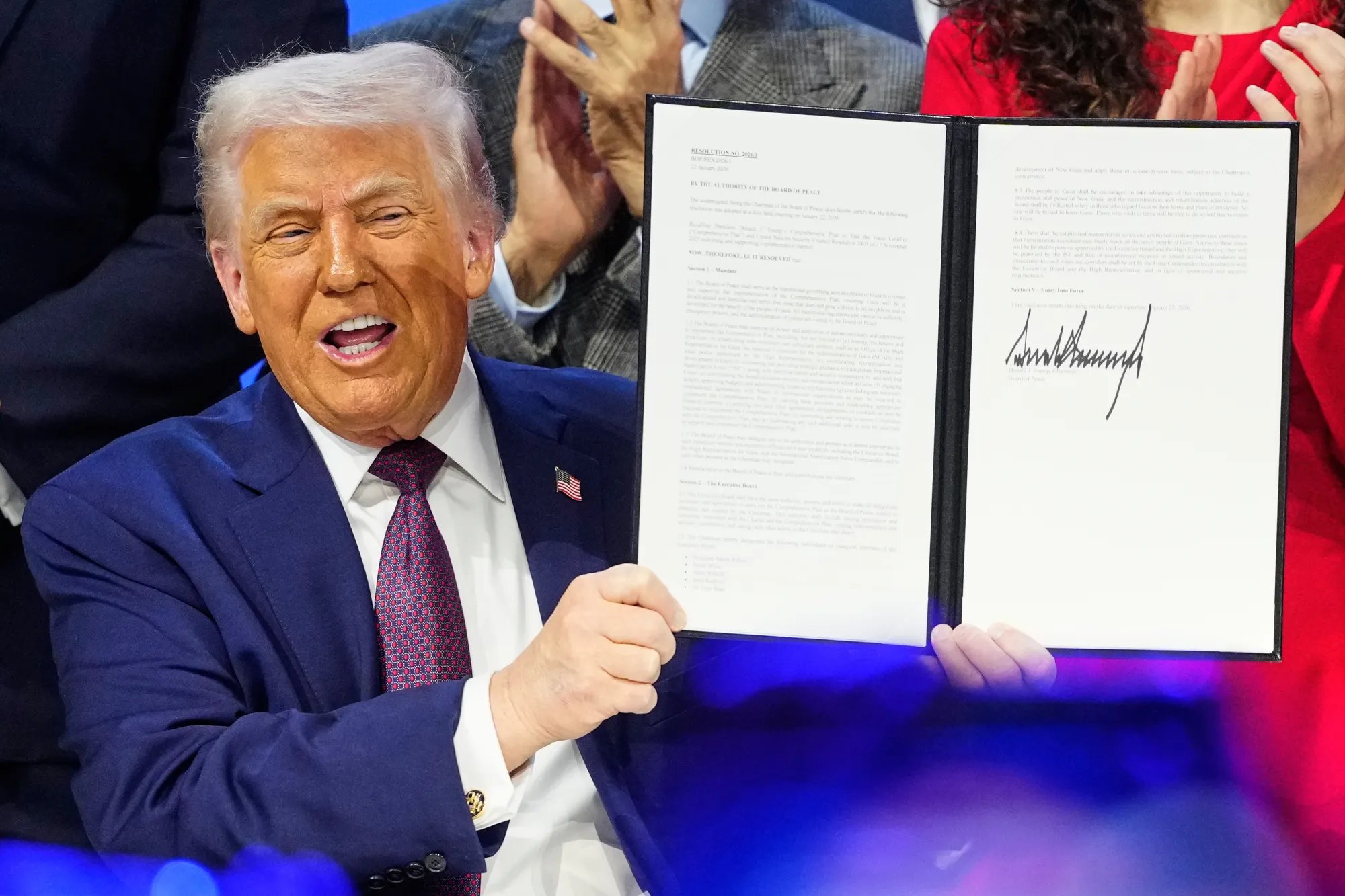
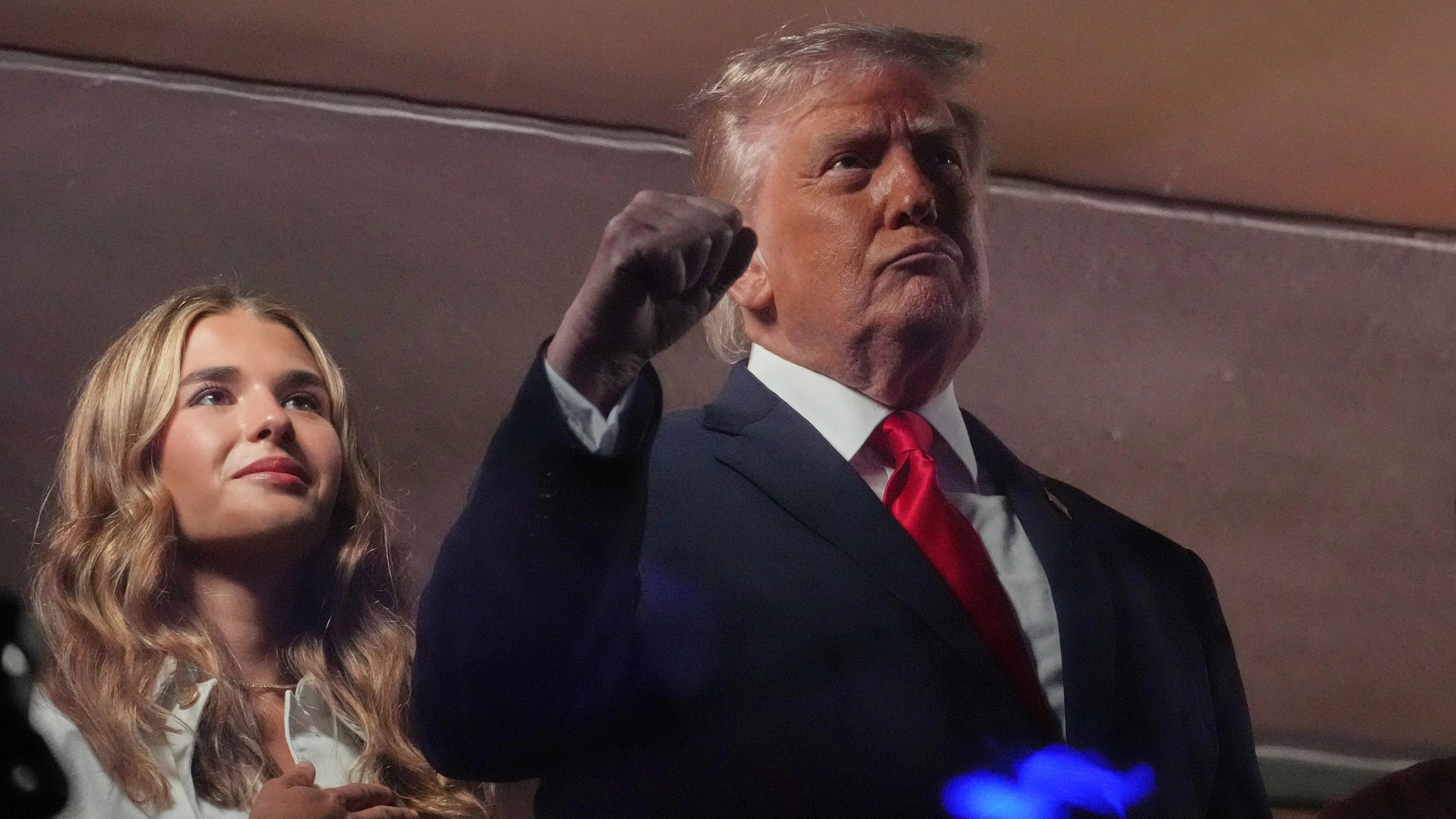
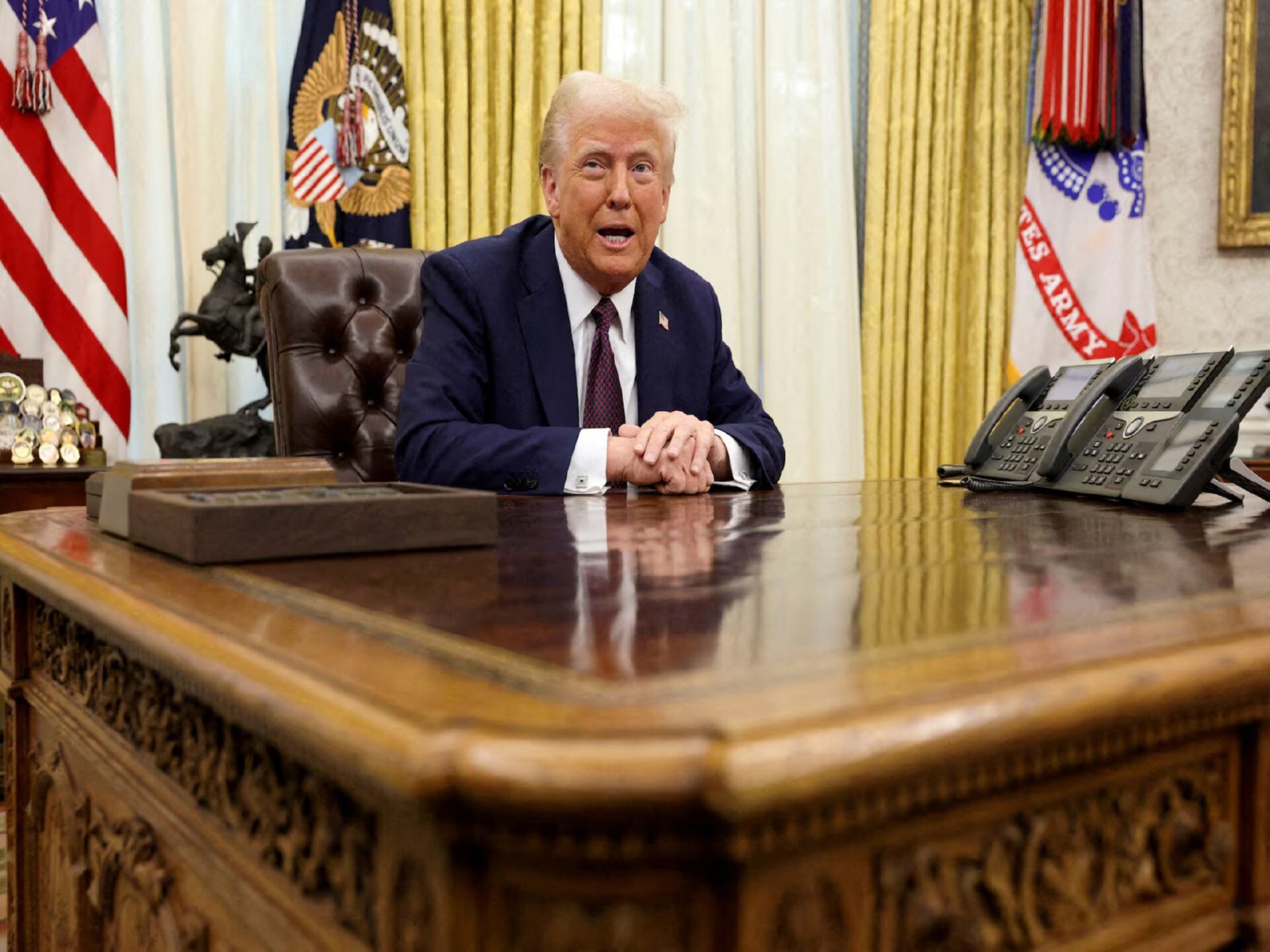
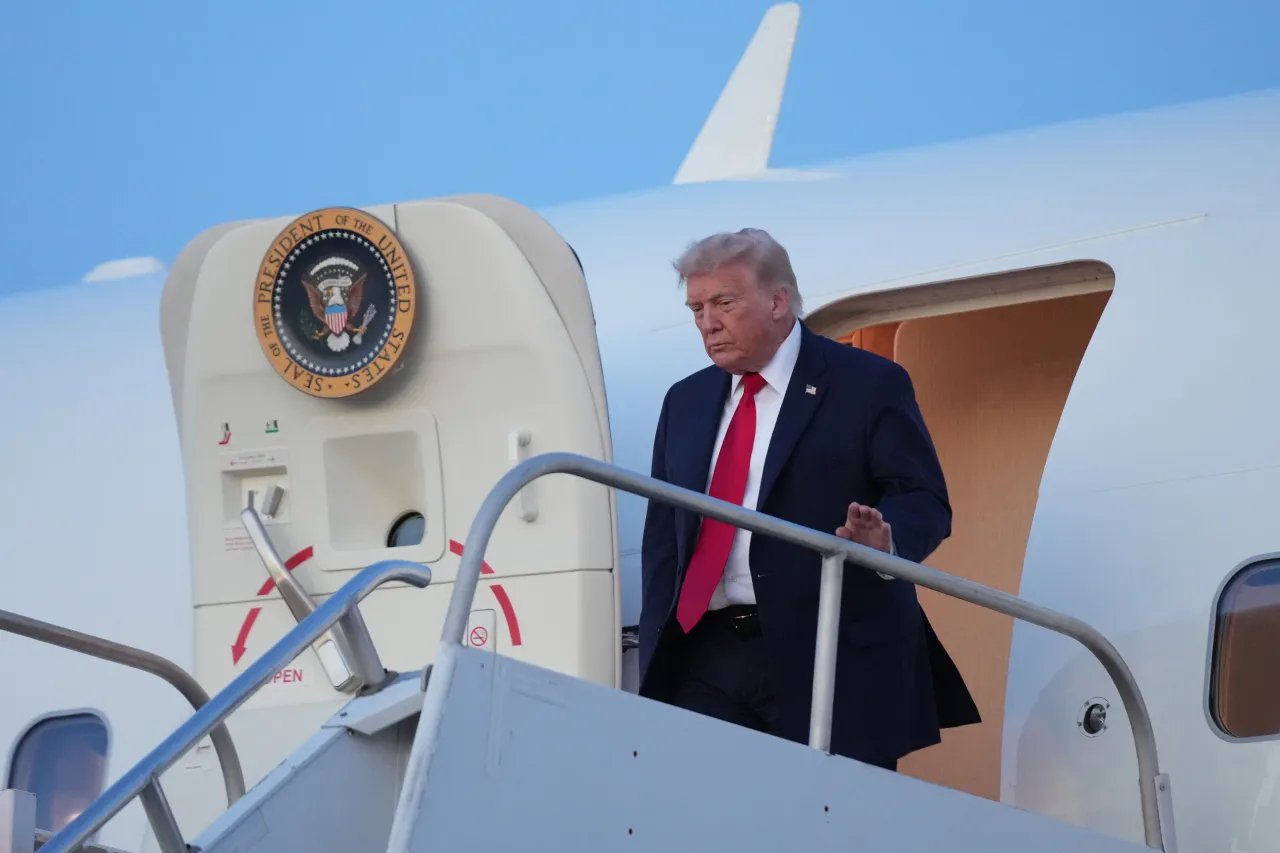
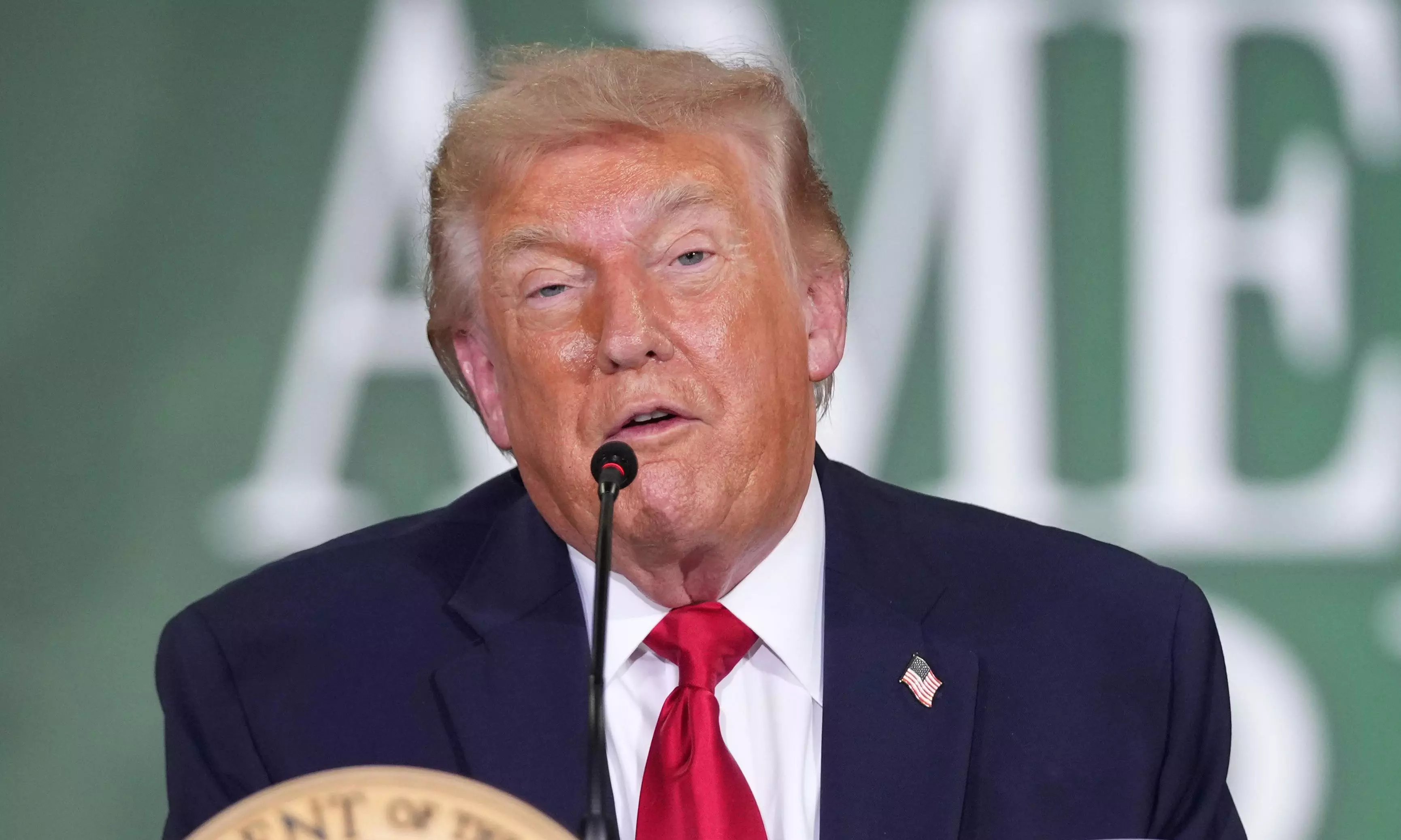
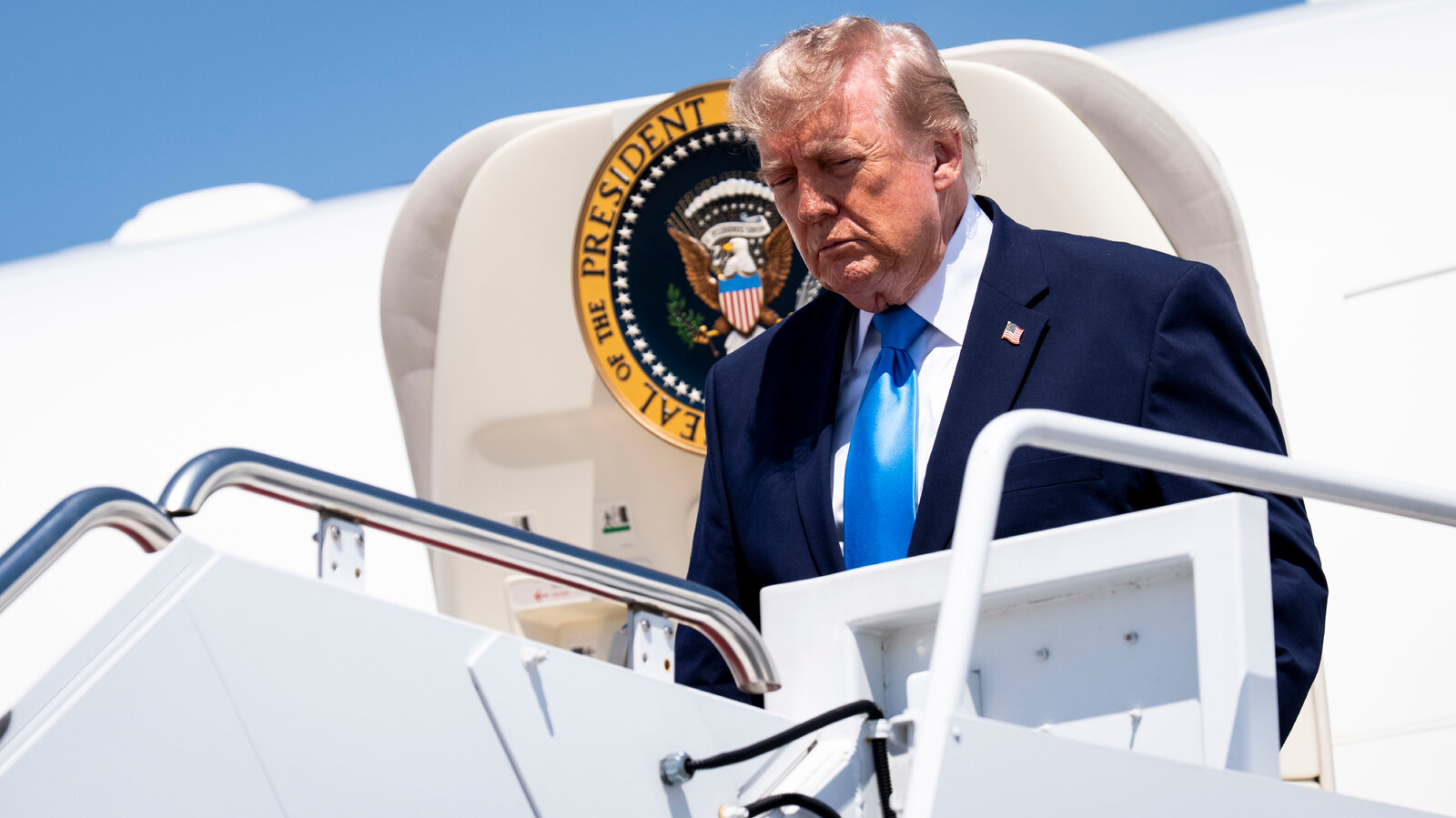
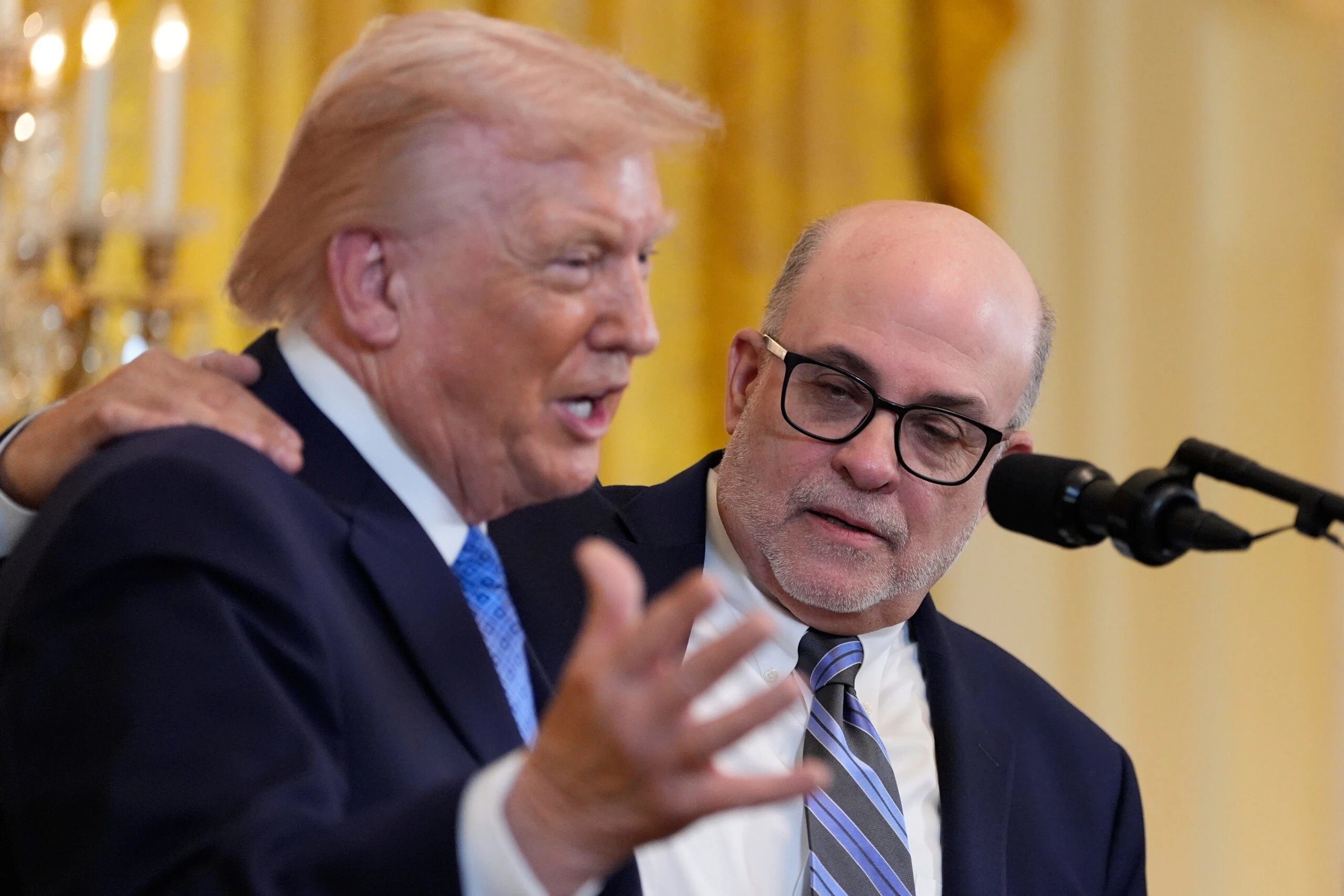
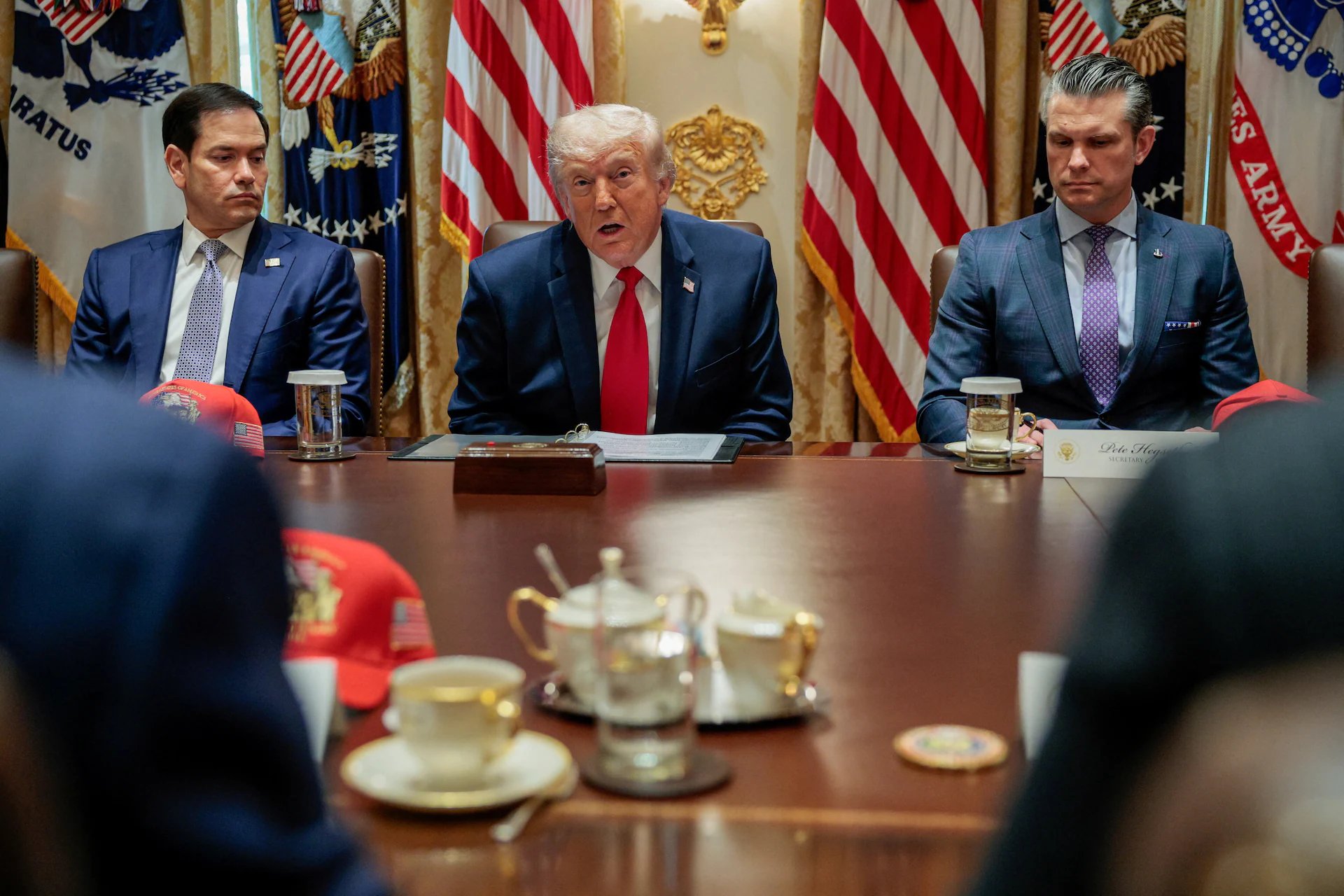
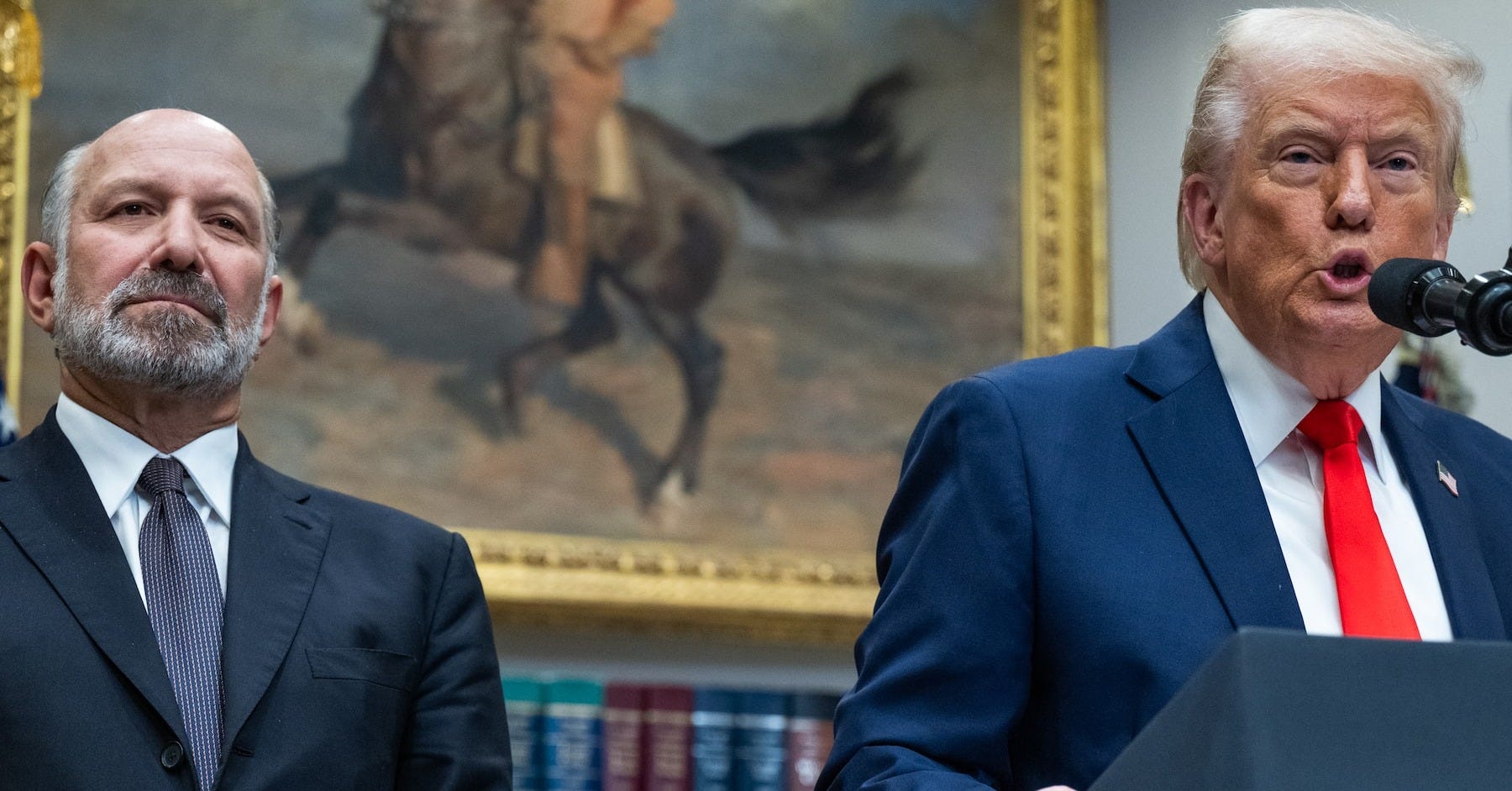
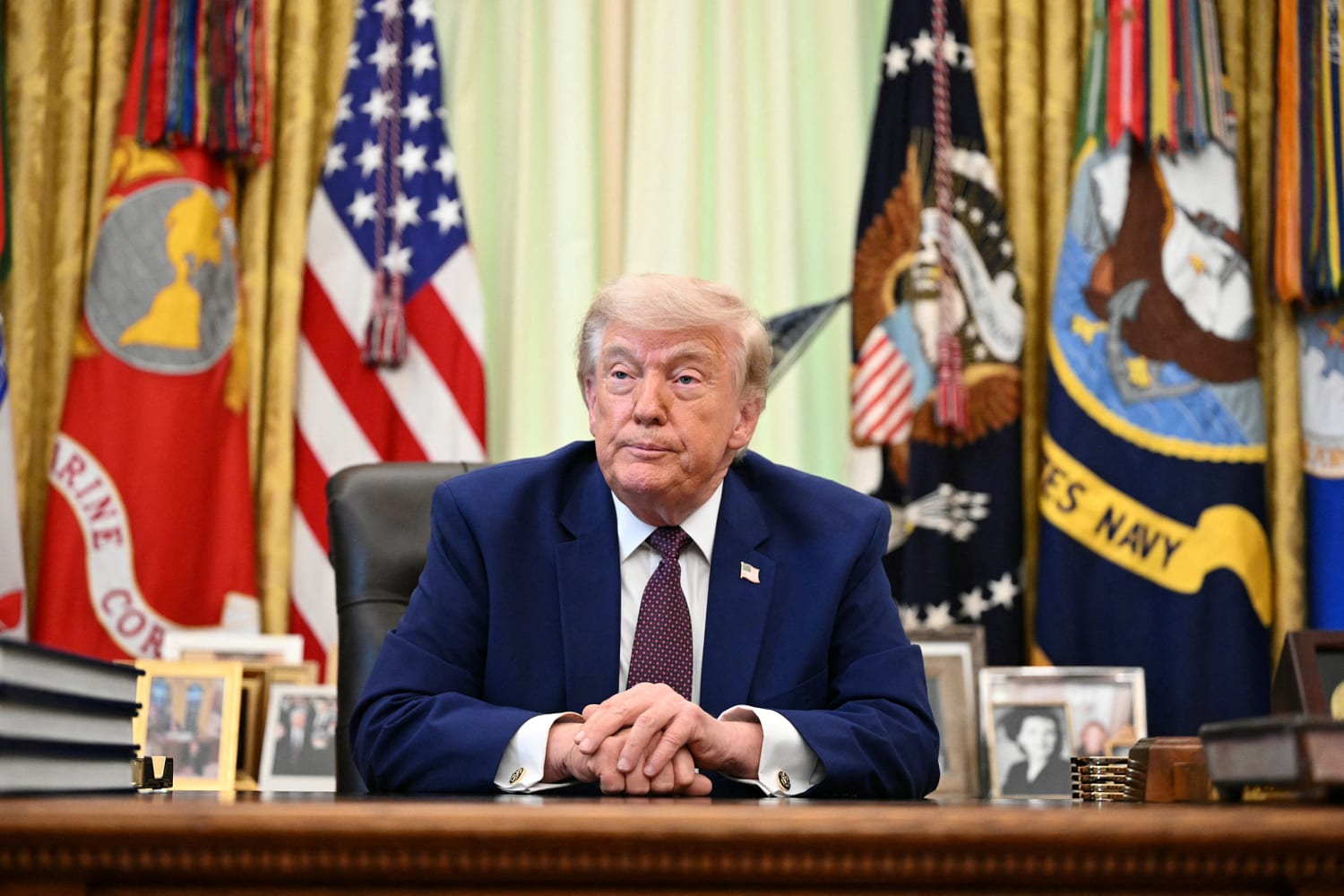
President Trump signed an executive order on Wednesday that strips job protections from approximately 8,000 federal workers earning up to nearly $200,000 annually. The order, released by the White House and the Office of Personnel Management, targets senior employees deemed to be "influencing" government policy. These workers can now be fired without cause, eliminating civil service protections that have governed federal employment for decades.
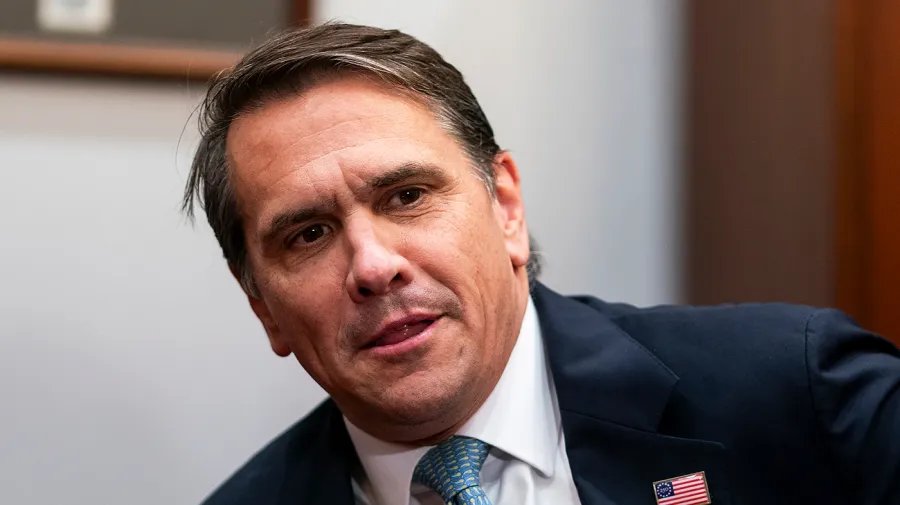
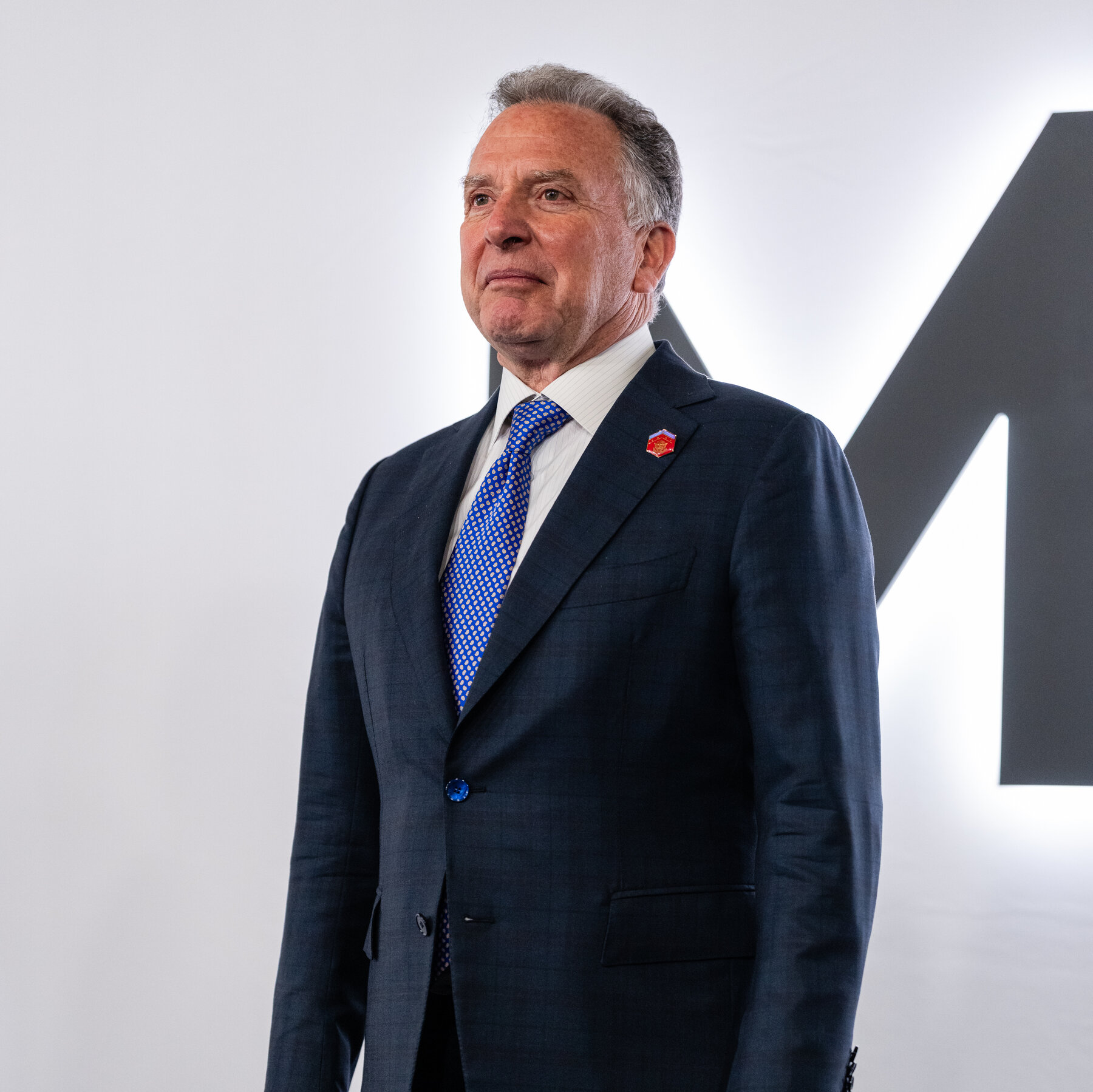
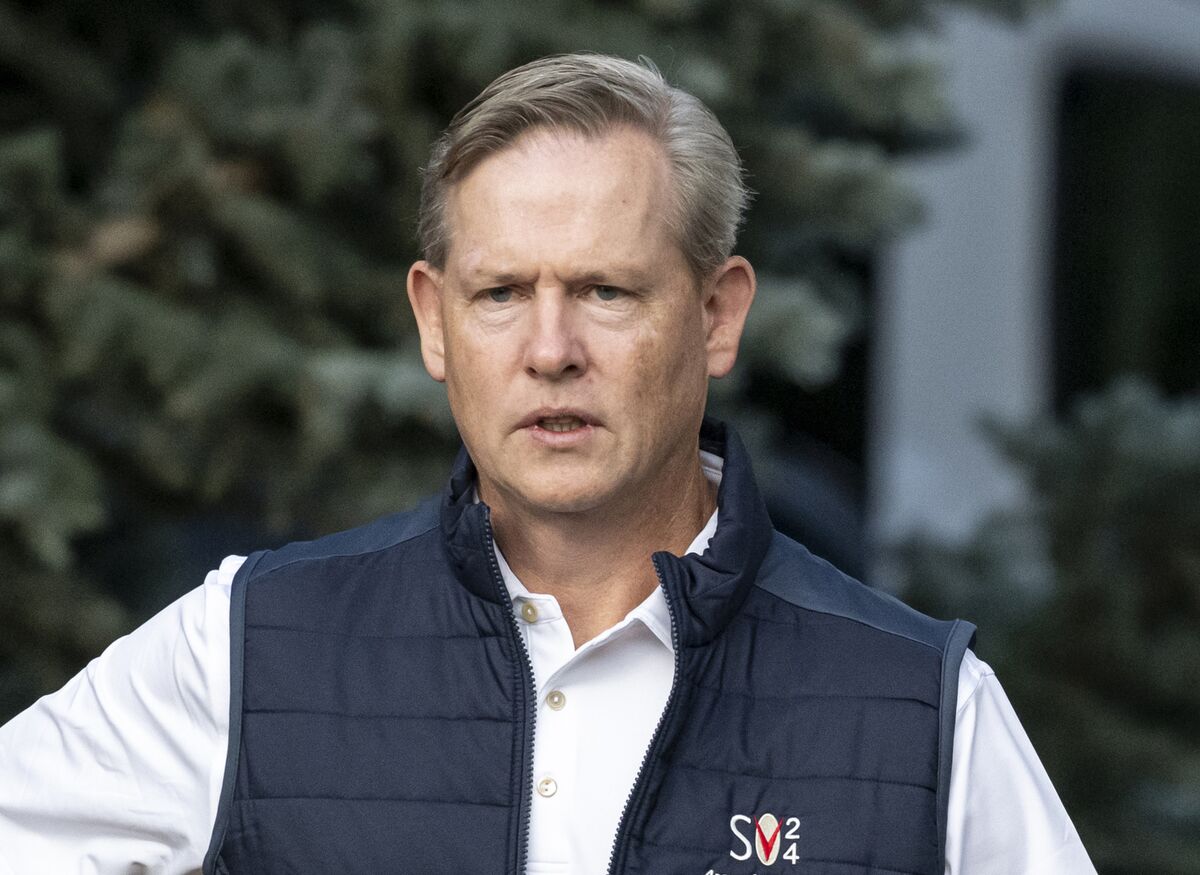
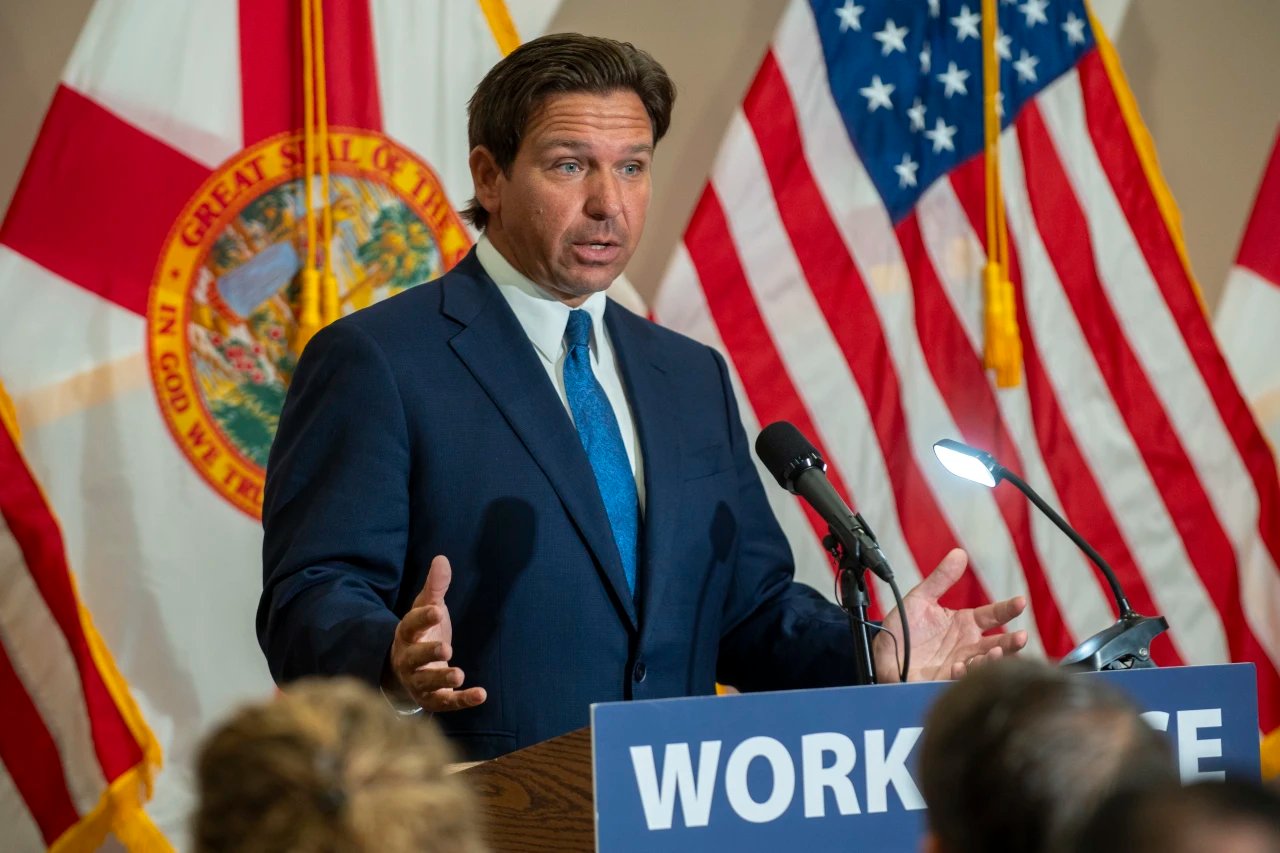
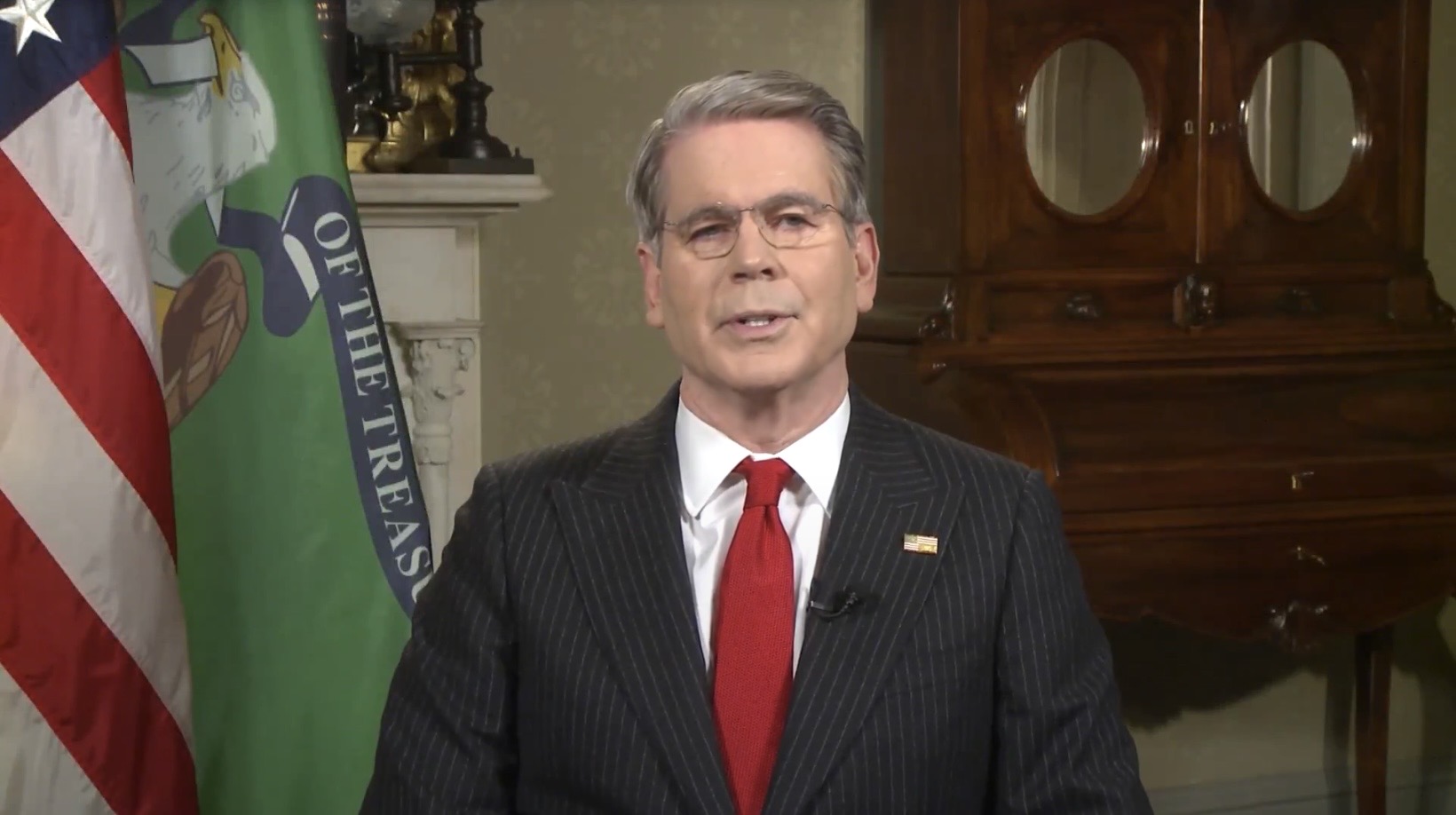
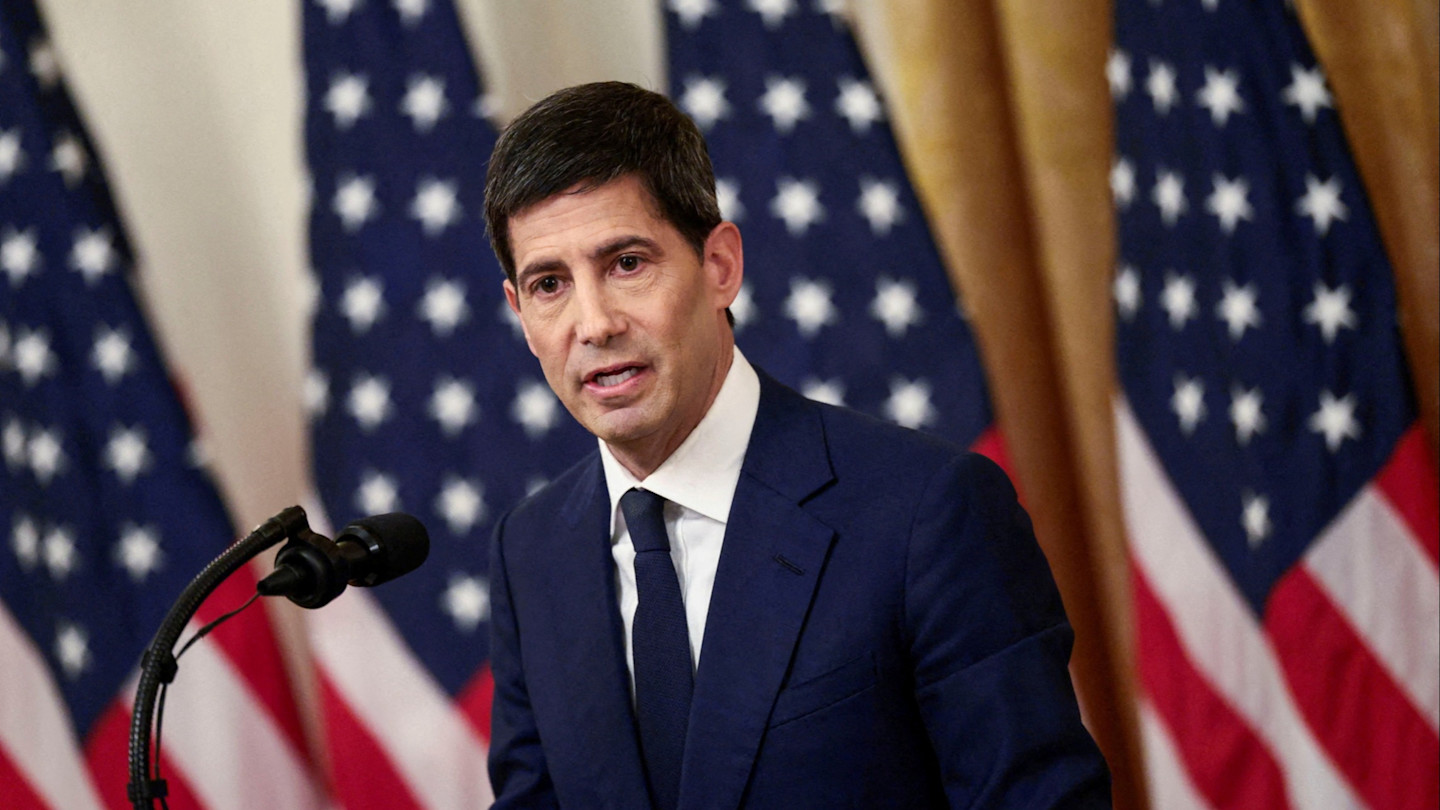
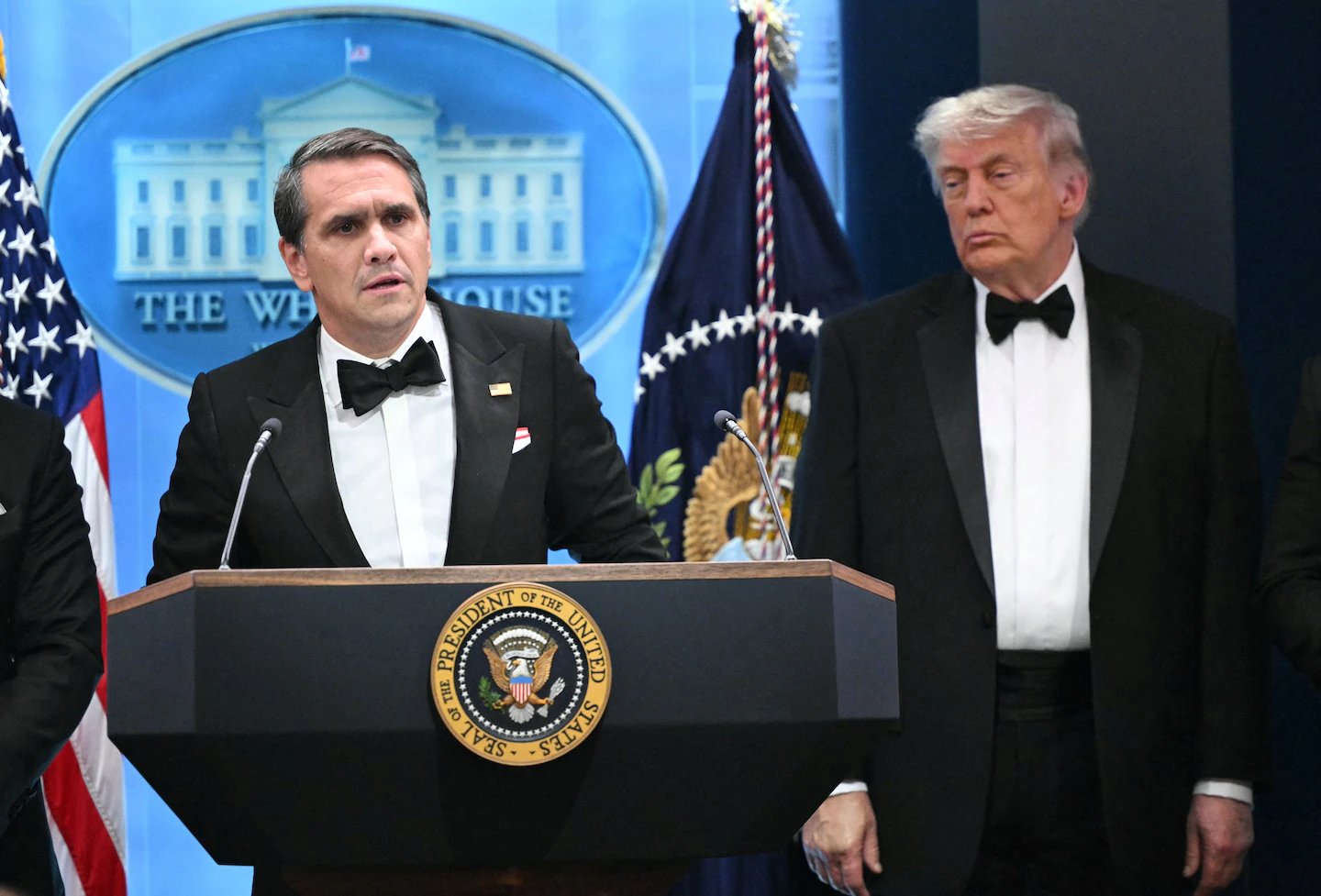
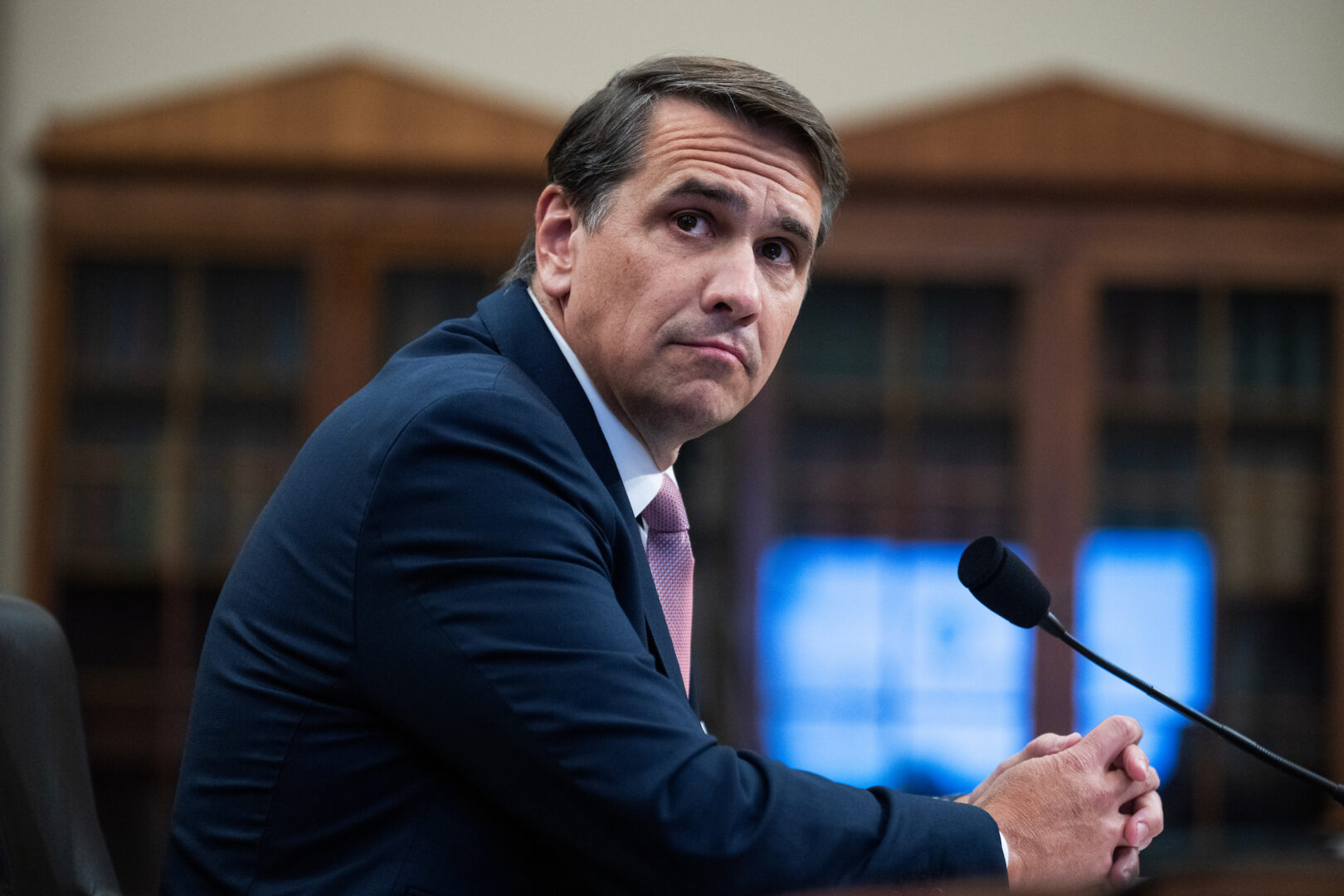
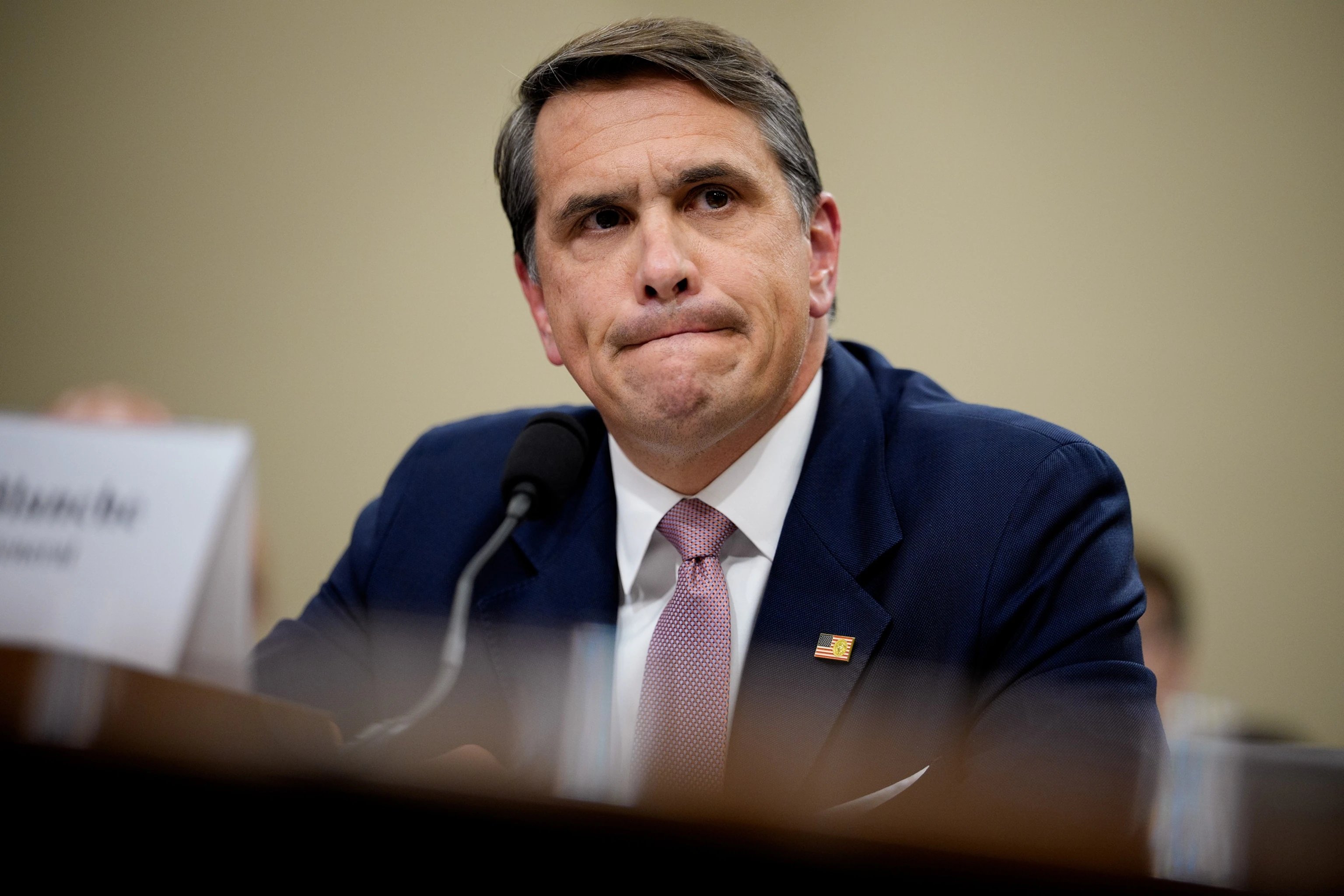
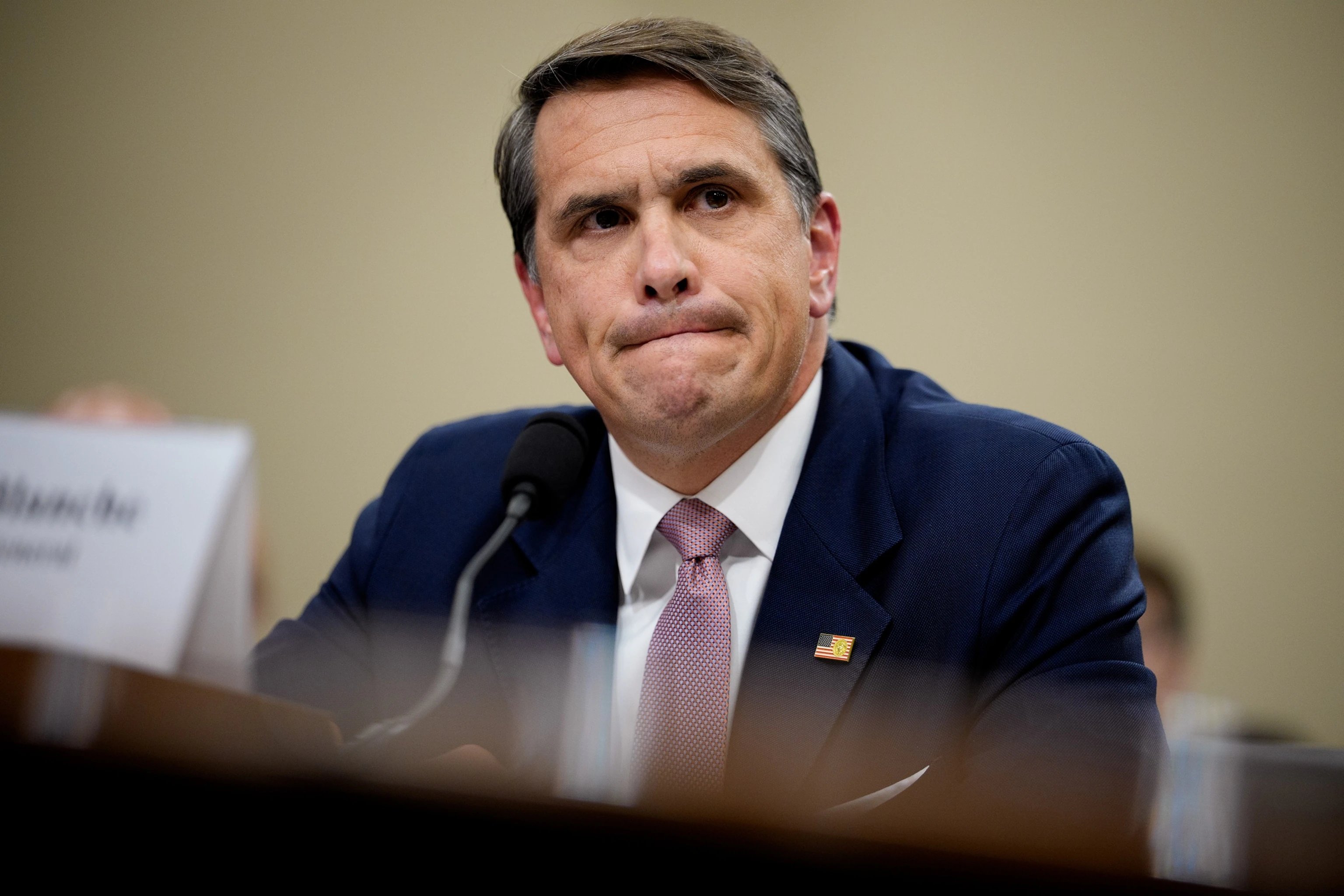
Scott Kupor, director of the Office of Personnel Management, framed the move as necessary for executing the administration's agenda. "You can have any political views, but if you allow those views to basically interfere with your willingness to actually carry out lawful orders and policy directives with the administration, then this provides a mechanism obviously for people in those agencies to be able to be removed effectively at will," Kupor said in a call previewing the order.
The Broader Workforce Exodus
About 348,000 employees—over 11 percent of the government's overall workforce—have left federal service since October 2024. More than 25,000 workers were terminated in the middle of their probationary periods, meaning they had started their positions within one or two years when they were abruptly fired.
The latest action shows Trump persisting in efforts to discipline and remove career employees whom he views as obstacles to his political goals. During his first term, his administration attempted to reclassify federal employees under "schedule F," allowing at-will employment, but the Biden administration rescinded that rule before it took full effect.
Workers Report Severe Mental Health Impacts
The human toll of recent federal workforce reductions has become measurable. A survey by 27UNIHTED, a network of former National Institute of Health employees, found that 95 percent of more than 300 fired probationary employees reported ongoing mental health effects. Nearly half said they were experiencing PTSD-like symptoms, and a quarter are taking new medications to manage their symptoms.
Brier Ryver, a park ranger at Crystal River National Wildlife Refuge in Florida, was fired along with other probationary employees while teaching children in an education program. She was temporarily reinstated in March but fired again in May. "Even now, still talking to people who are still reinstated, it still feels like they're waiting for the other shoe to drop," Ryver said.
Dr. Whitney Behr, a biologist with the U.S. Fish and Wildlife Service, was fired in February while traveling for a work training event. "I moved out of my apartment immediately after being fired because I knew I couldn't afford it any more, and moved in with family a few hours away," she said. More than 10,000 doctoral-trained experts in science and related fields have left the U.S. since Trump's second term began.
Economic Consequences for Fired Workers
Fired workers are struggling financially in their job searches. One in five respondents to the survey reported being unemployed as of January 31. Among those who found new jobs, 49 percent reported earning significantly less in their new positions. Only 11 percent of fired probationary workers secured another role in the federal government.
These figures contradict Trump's January claim that fired federal workers are "getting sometimes twice as much money, three times as much money" and "they're getting much better jobs and much higher pay."
Legal and Political Opposition
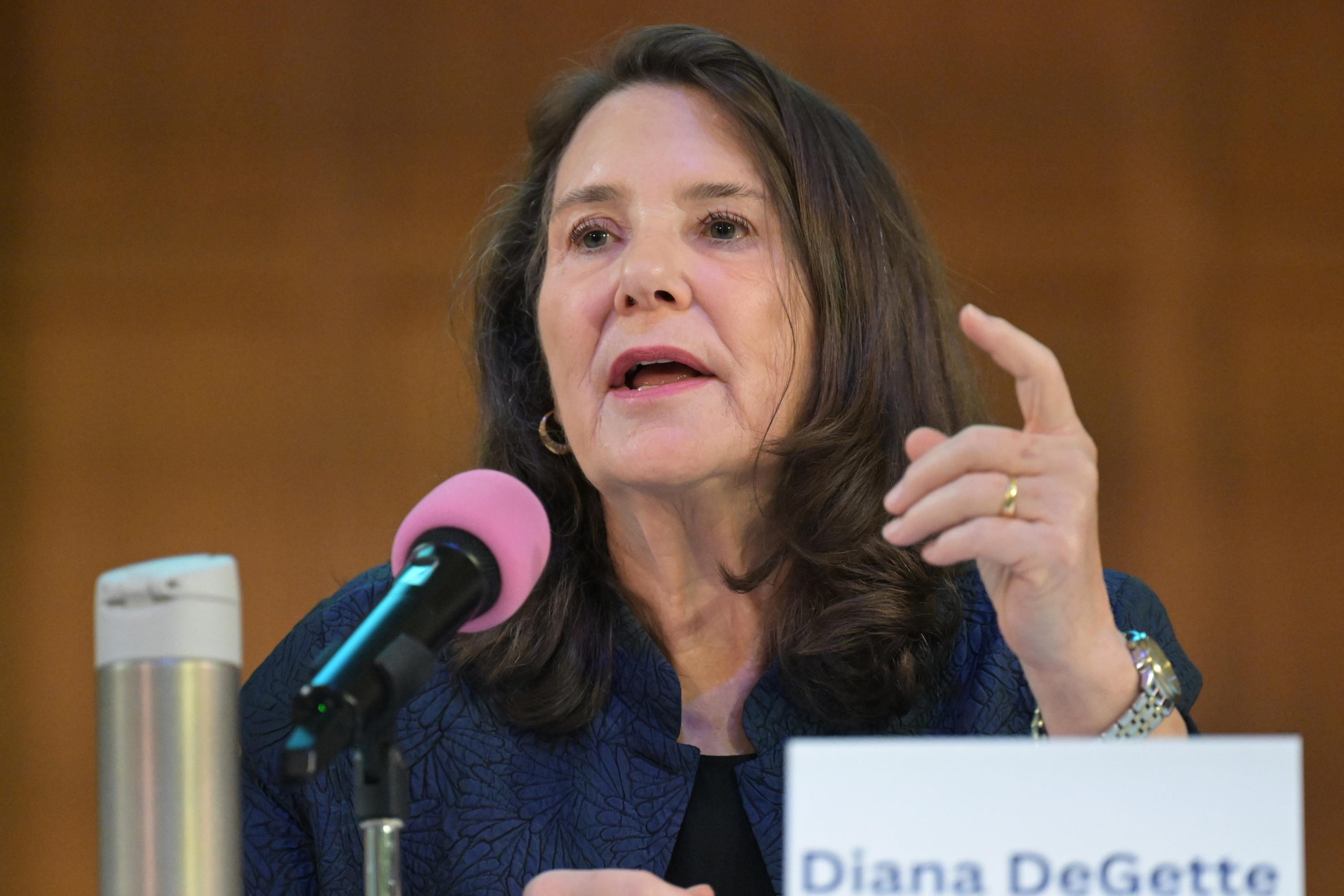
Labor union leaders have characterized the reclassification as a return to the 19th-century spoils system, where jobs went to political loyalists rather than based on merit. Skye Perryman, president and CEO of Democracy Forward, stated that the order "would make it easier to purge experienced public servants" and warned that "when government experts can be fired without cause, it's not just federal workers who are harmed—it's the people across the country who rely on these essential services every day."
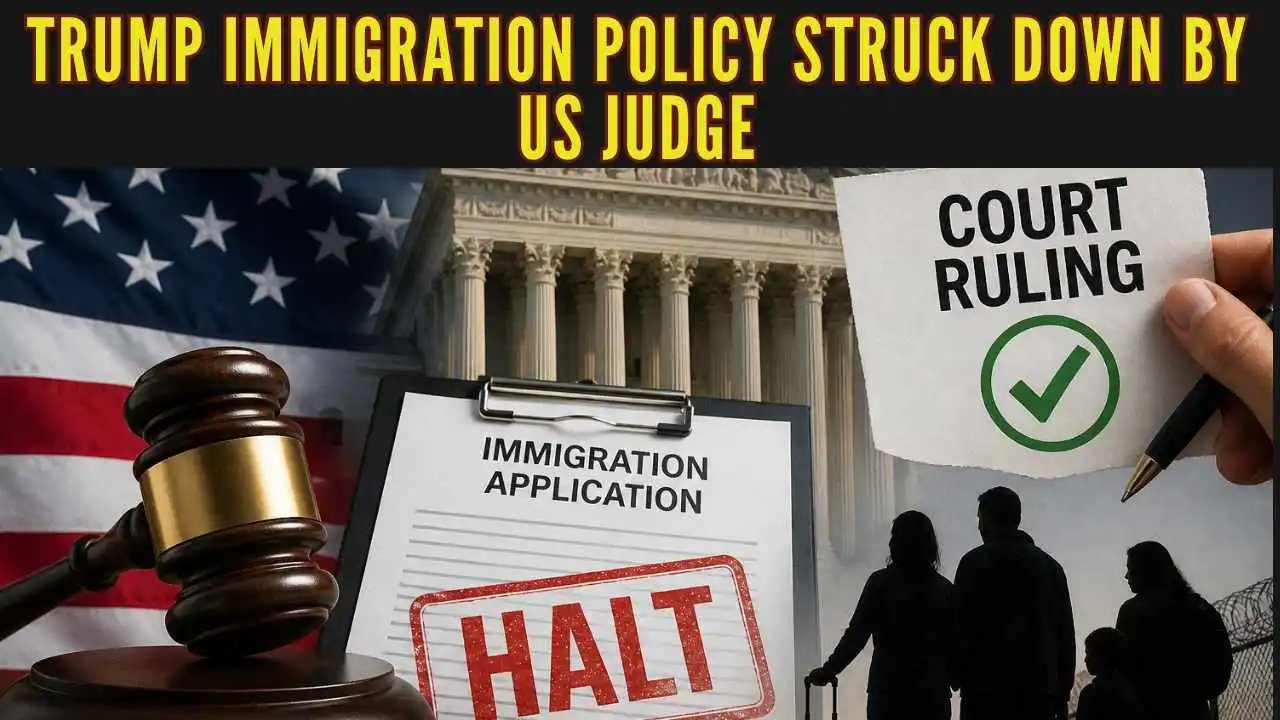
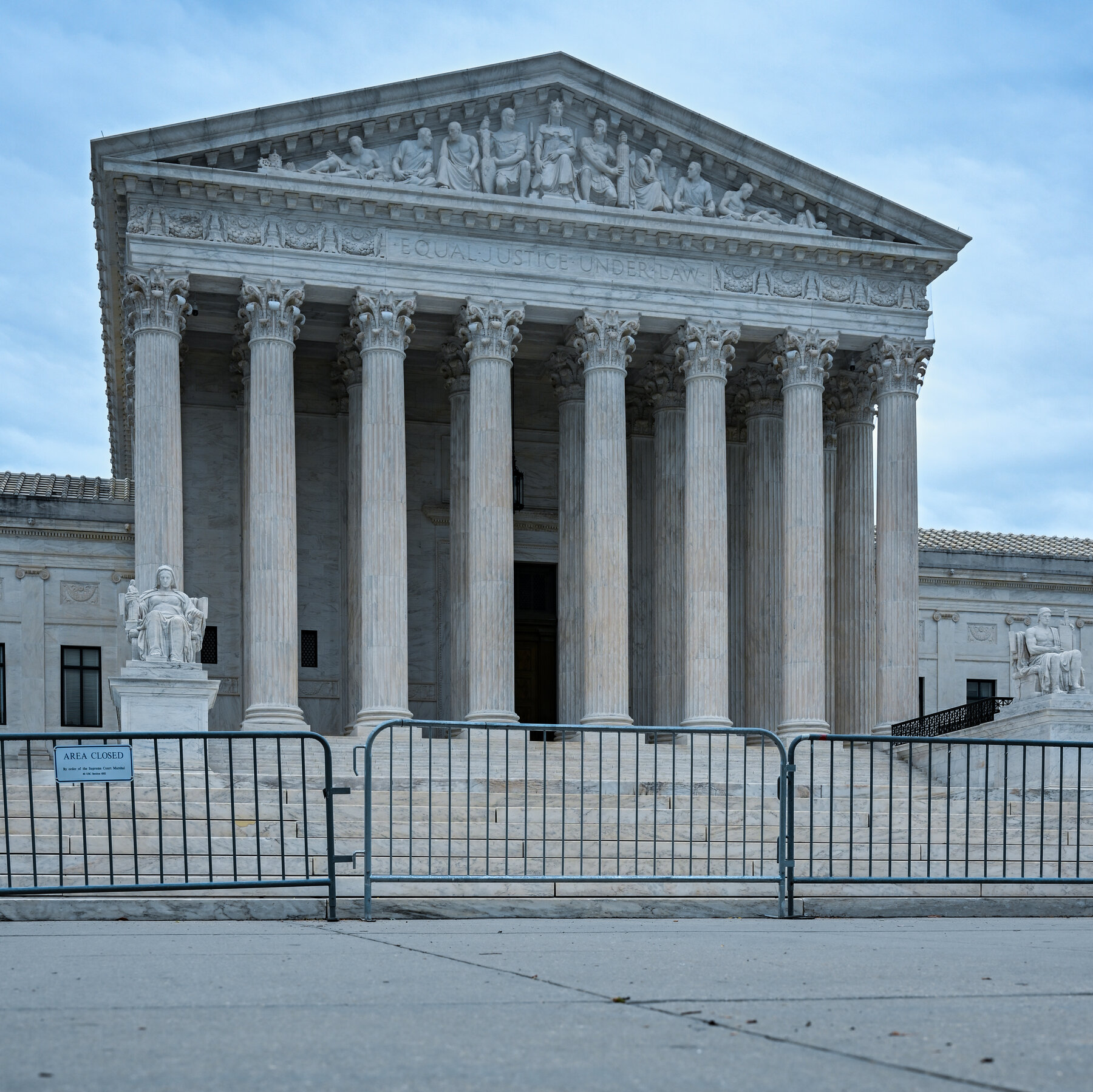
Democracy Forward is representing federal worker unions in a lawsuit filed in January to challenge the removal of civil service protections. A federal judge ruled in September that the firing of probationary employees was unlawful, though the judge did not order reinstatement, citing concerns that the Supreme Court would overturn such an order. Several court cases related to the firings remain ongoing, with workers filing appeals to the Merit Systems Protection Board.



































































































































































The sources also report that more than 10,000 doctoral-trained experts in science and related fields have left the U.S. since the beginning of Trump's second term.