




Crew Announcement Marks Key Step in Lunar Program
NASA has named four astronauts for its Artemis III mission, a pivotal step in the agency's ambitious plan to return humans to the Moon. Commander Randy Bresnik, European Space Agency pilot Luca Parmitano, and NASA mission specialists Frank Rubio and Andre Douglas will launch in the Orion spacecraft atop the Space Launch System rocket, scheduled to launch in 2027. This mission will focus on testing rendezvous and docking procedures with commercial lunar landers developed by SpaceX and Blue Origin.
Astronaut Profiles and Experience
Randy Bresnik, a veteran astronaut with two spaceflights and 149 days in space, leads the crew. Luca Parmitano, an experienced astronaut with two missions under his belt, will serve as the pilot. Frank Rubio, who holds the record for the longest U.S. spaceflight at 371 days, and Andre Douglas, a newcomer and systems engineer, complete the team. Douglas, selected as a NASA astronaut in 2021, expressed excitement about the mission, stating, "What an excellent crew. Got Artemis! Go NASA!"
Mission Objectives and Challenges
Artemis III aims to test critical systems for upcoming lunar missions, including the ability of the Orion spacecraft to dock with lunar landers in low-Earth orbit. NASA's Jeremy Parsons highlighted the mission's significance, stating that it will provide essential data on systems the crew will depend on for future lunar landings. The mission's complexity is underscored by the need to coordinate multiple launches and docking maneuvers, raising questions about the readiness of the commercial landers.
Timeline and Potential Delays
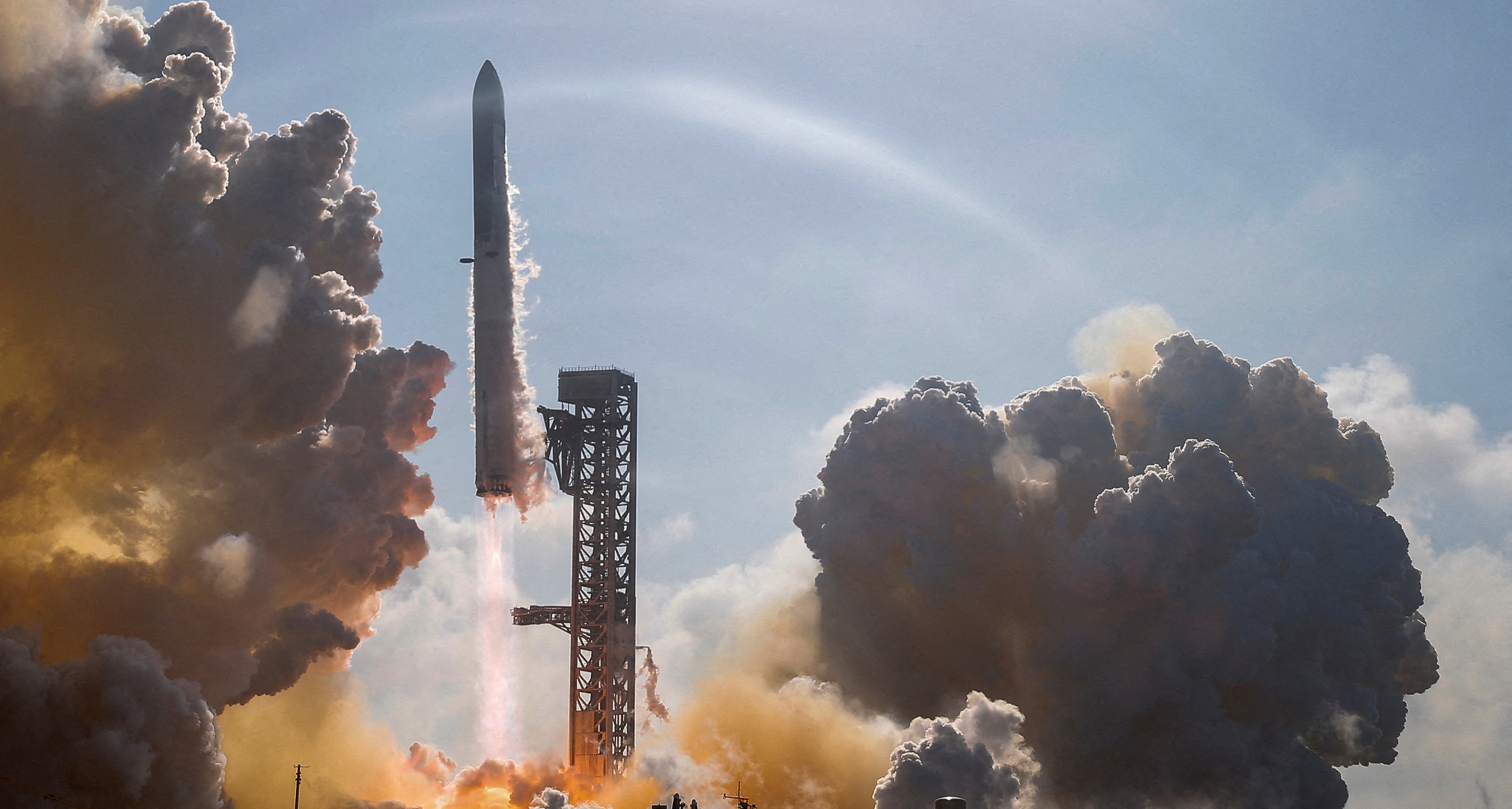
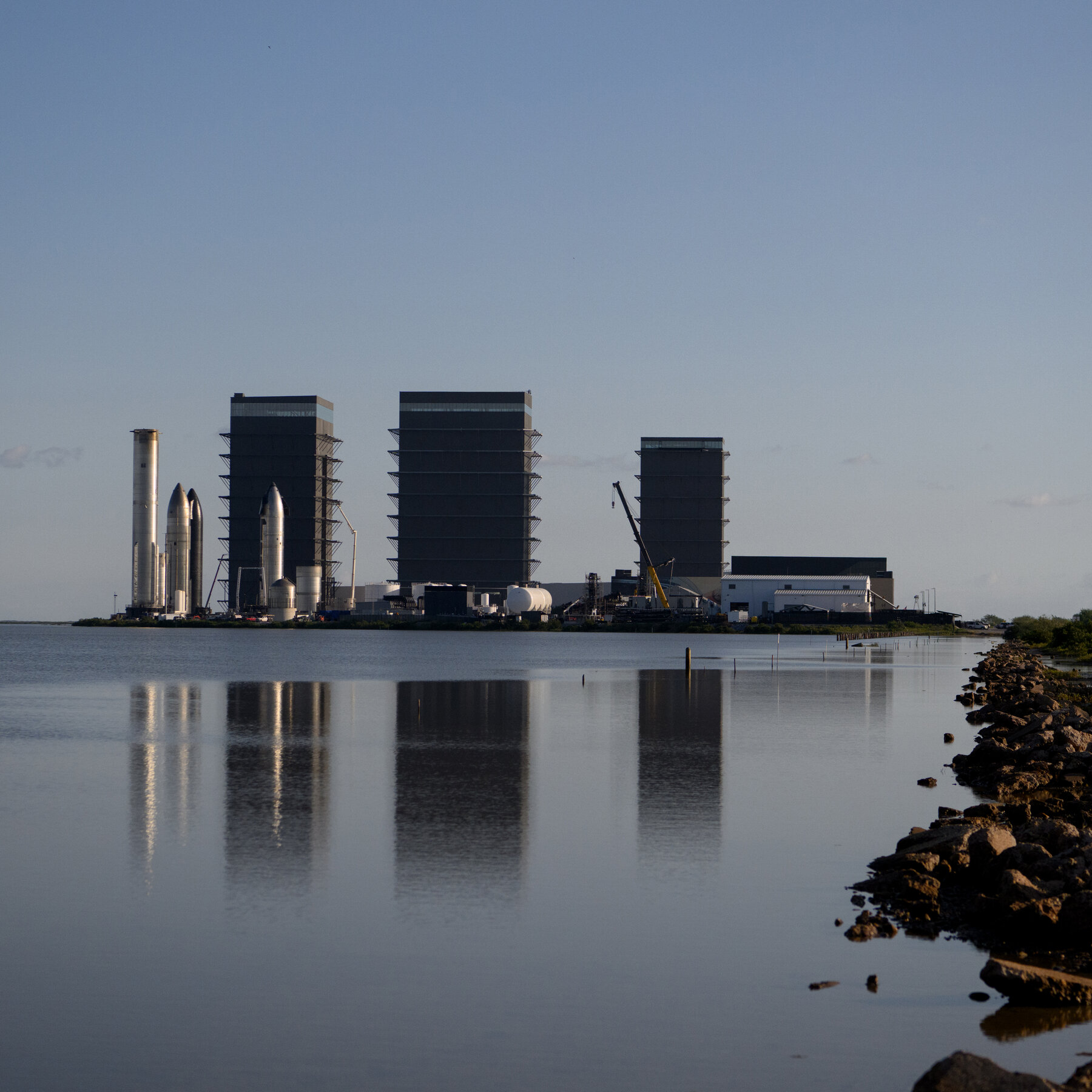
The timeline for Artemis III faces uncertainty following a recent explosion of Blue Origin's New Glenn rocket during a prelaunch test, which damaged its launch facility at Cape Canaveral. NASA Administrator Jared Isaacman acknowledged the challenges but remains optimistic that the mission will launch by the end of next year. He stated, "We're going to return to the moon before the end of 2028. Just watch along." Casey Dreier, chief of space policy at the Planetary Society, expressed skepticism about meeting the 2028 landing goal, stating "I think me and most people would say it's not a realistic date." He noted that NASA's lunar aspirations depend on two private companies, SpaceX and Blue Origin, controlled by billionaires Elon Musk and Jeff Bezos.
Historical Context and Future Aspirations
Artemis III will serve as a vital test mission, similar to Apollo 9, which evaluated lunar modules in Earth orbit before eventual moon landings. NASA's Artemis program seeks to establish a sustained human presence on the Moon, with construction of a lunar base near the south pole expected to begin in 2029-2030. This area is of interest due to its potential ice deposits, which could provide essential resources for future missions to Mars.
Looking Ahead: The Path to the Moon
As the Artemis III crew begins their training, they will work closely with the Artemis II astronauts, who recently completed a successful mission around the Moon. The handoff of a symbolic baton from Artemis II to Artemis III signifies the ongoing commitment to lunar exploration. The successful execution of Artemis III is critical for paving the way to future lunar landings and establishing a long-term human presence on the Moon.