




Legislative Stalemate on Defense Bill
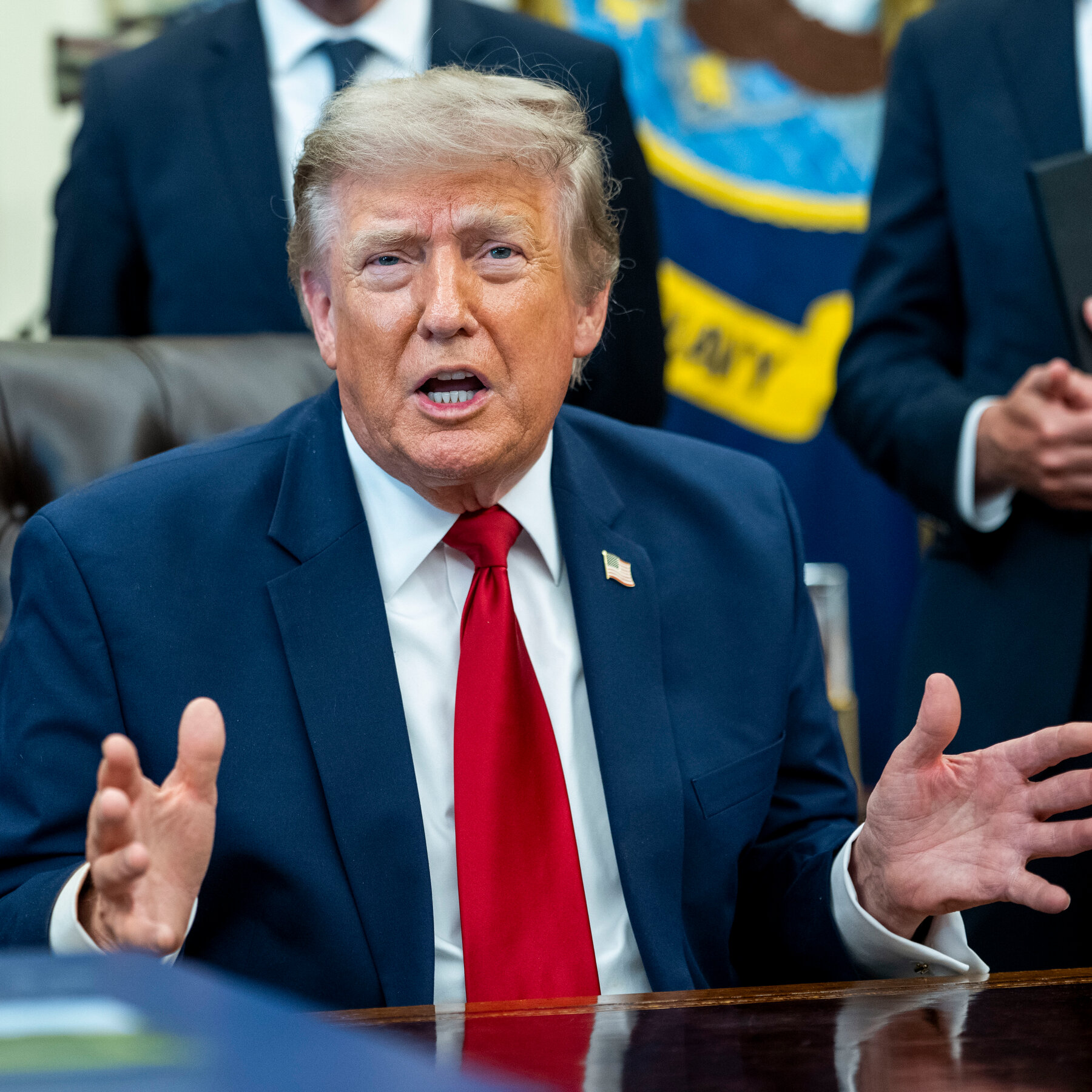
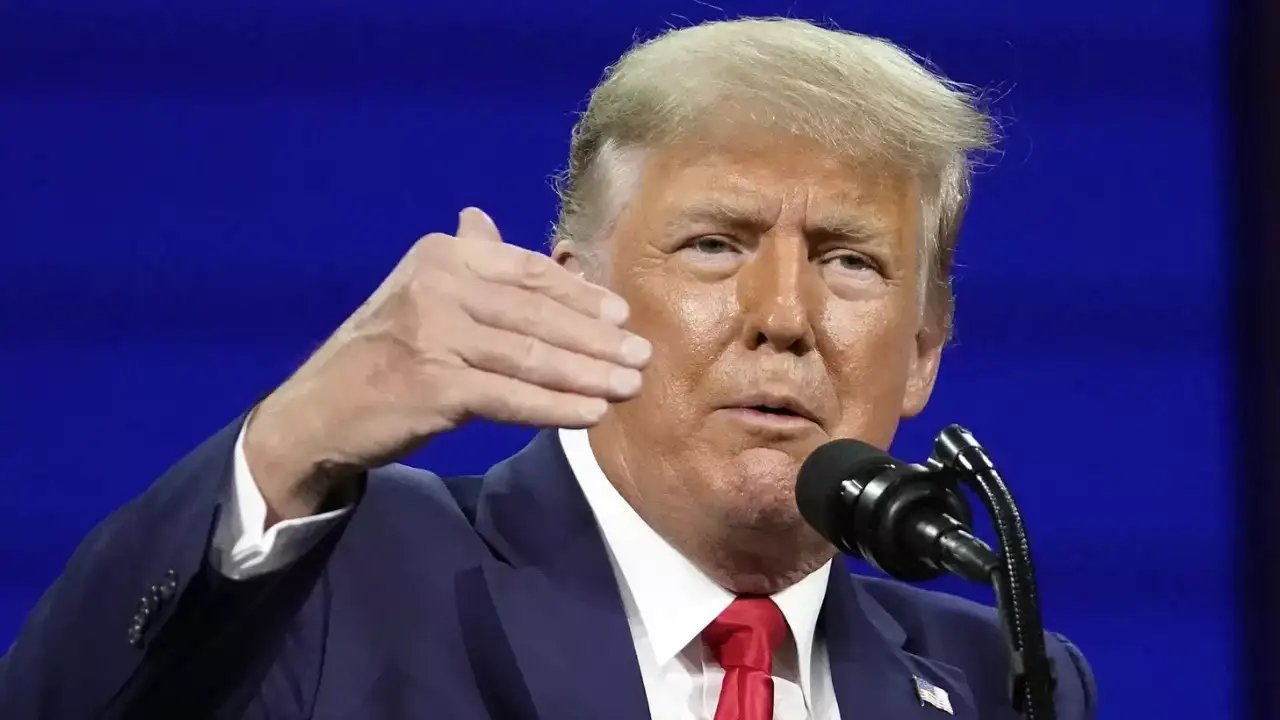
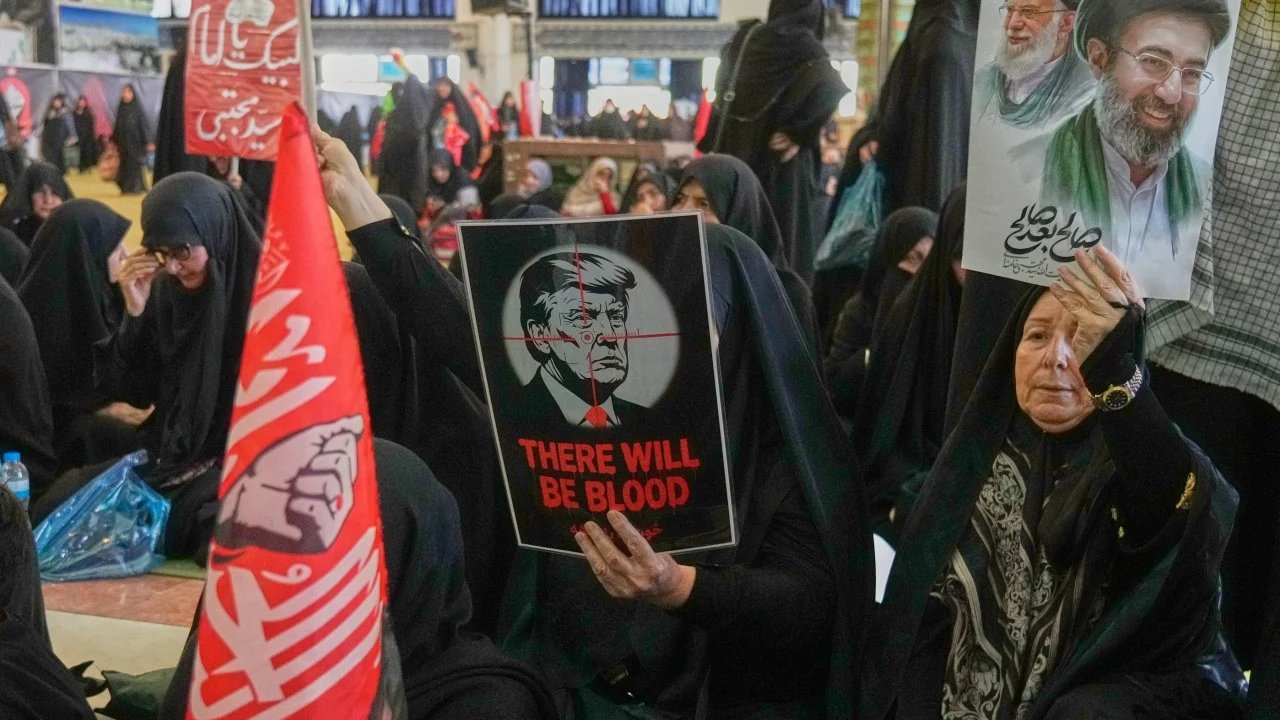
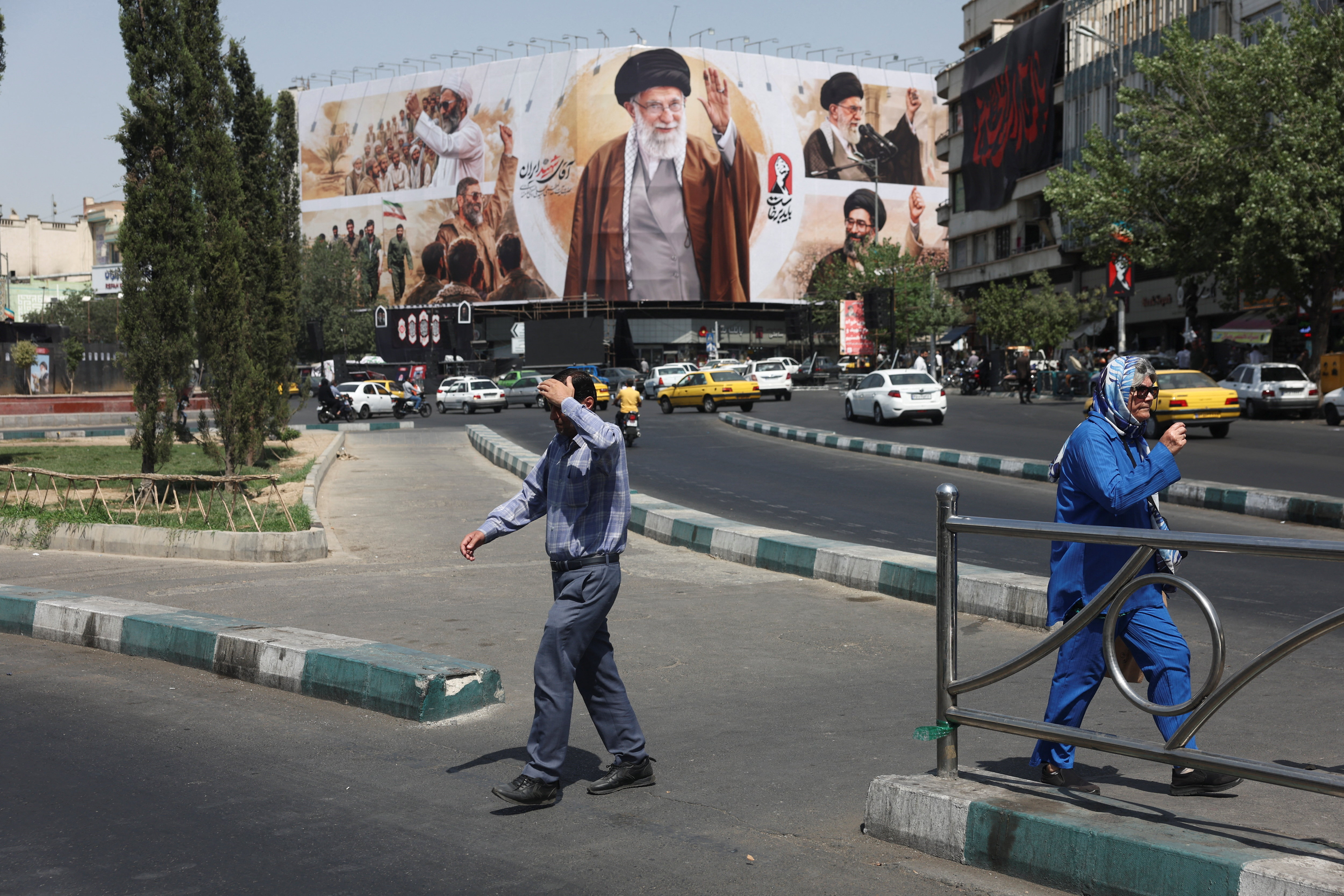
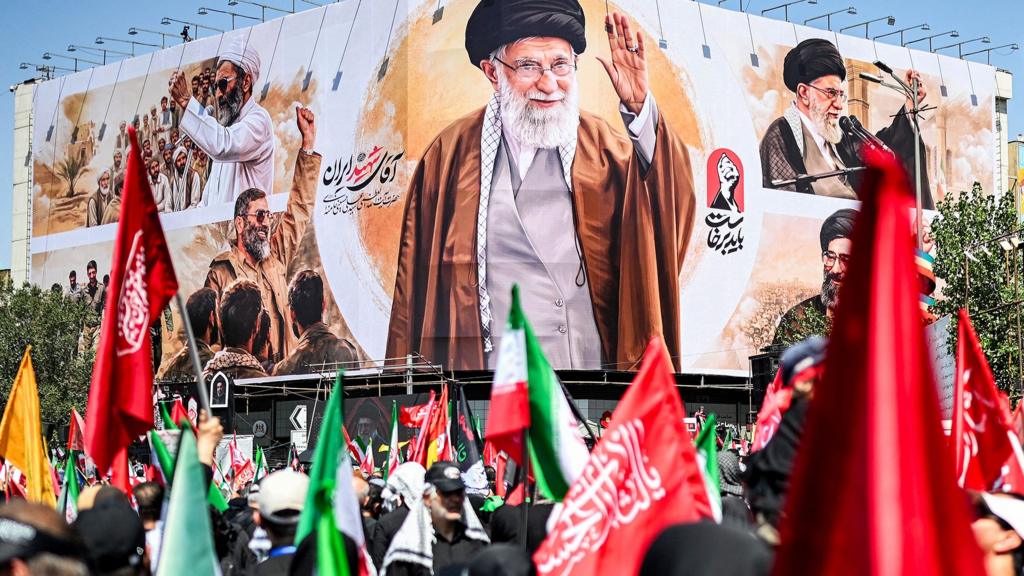
Senate Democrats blocked a crucial defense policy bill on Tuesday, voicing strong objections to the Trump administration's handling of the ongoing war with Iran. The National Defense Authorization Act (NDAA), which typically garners bipartisan support, failed to advance in a 50 to 46 vote. This decision marks a significant division among lawmakers, reflecting escalating tensions regarding military engagement in the Middle East.
Concerns Over War Powers
Democratic Senator Richard Blumenthal of Connecticut characterized the NDAA as a "referendum on the Iran war," emphasizing that the administration's actions have bypassed Congressional approval. The 1973 War Powers Resolution mandates that the president must notify Congress within 48 hours of deploying forces if a declaration of war has not been authorized, capping any unauthorized engagement at 60 days. Democrats have criticized the Trump administration's assertion that hostilities "terminated" in April, only to resume recently, as a blatant disregard for this law.
Criticism from Senate Leadership
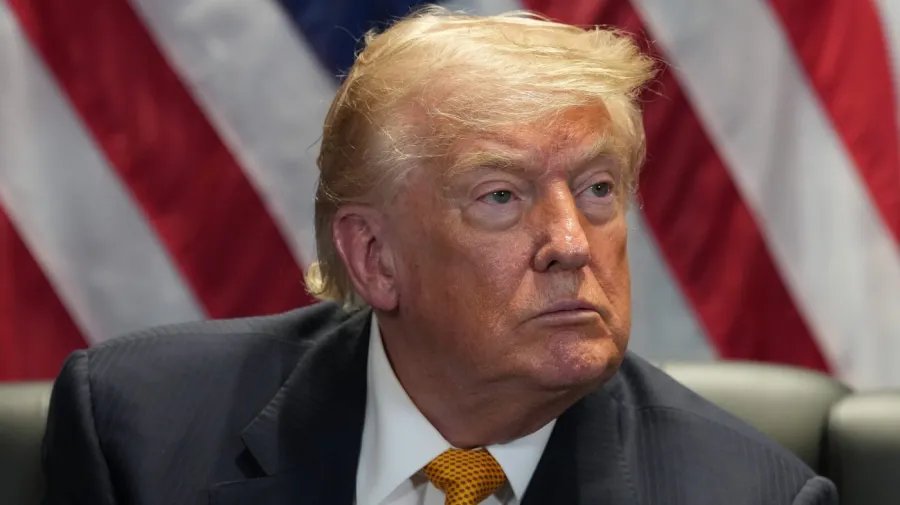
Senate Minority Leader Chuck Schumer condemned the timing of the vote to advance the NDAA, which coincided with the White House's notification to Congress about the resumption of hostilities. He stated, "We cannot... ignore the nation’s most urgent national security crisis." Schumer expressed frustration over what he described as President Trump's unauthorized military actions, arguing that Congress should not sanction a bill that could enable further military engagement without proper oversight.
Republican Response
Republican Senate Majority Leader John Thune expressed disappointment at the Democratic blockade, suggesting that political obstruction has hindered support for military funding. Thune argued that the NDAA includes vital initiatives for national security, such as a 3.6% pay raise for troops and investments in unmanned systems and naval capabilities. He urged Democrats to prioritize the needs of service members over political disagreements.
Public Sentiment on Iran War
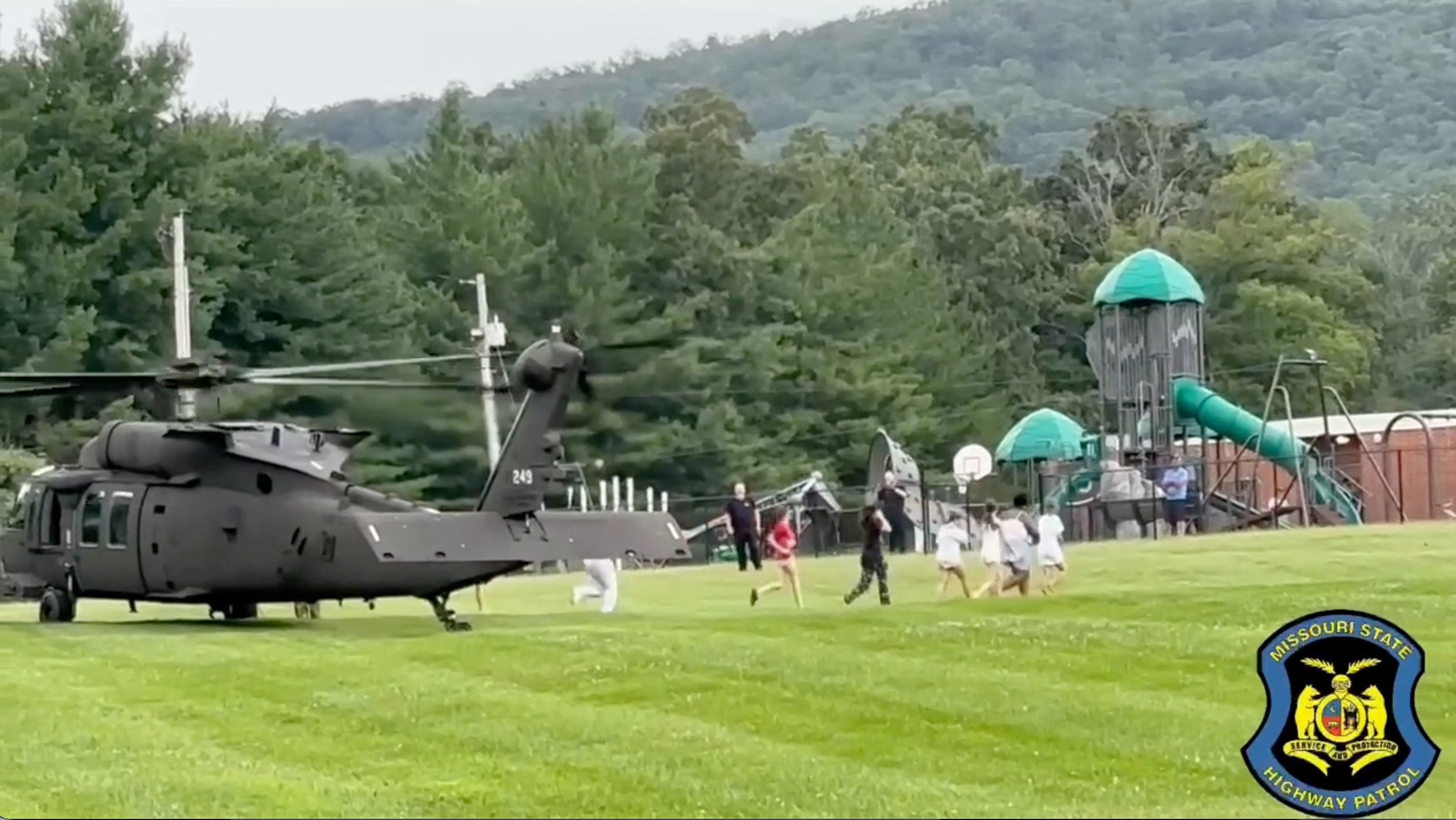
A recent survey indicated that 79% of Americans expect the war with Iran to continue for an extended period. This statistic underscores the growing public concern regarding military engagements and the lack of clear objectives or endgame from the administration. With U.S. military casualties rising—now totaling 14 following a recent crash—the stakes are high for both lawmakers and the American public.
Implications for Future Defense Policy
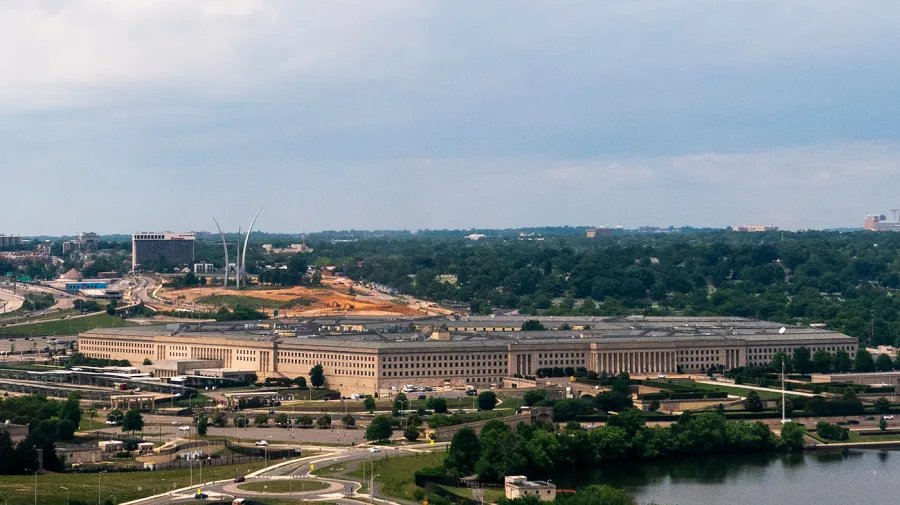
The failure to pass the NDAA could have significant repercussions for U.S. defense policy. Lawmakers will need to navigate the complex landscape of military funding and international relations amidst ongoing conflict. The blocked bill not only reflects current partisan divisions but also raises questions about how the U.S. will manage its military commitments in volatile regions like the Middle East.
Next Steps for Lawmakers
With the NDAA stalled, Senate leaders face pressure to find common ground. The defense authorization process is crucial for setting priorities and ensuring adequate funding for military operations. As the situation in Iran evolves, Congress will need to reassess its approach to military engagement and the administration's war powers, balancing national security needs with constitutional oversight.