




U.S. Strikes Target Iranian Capabilities
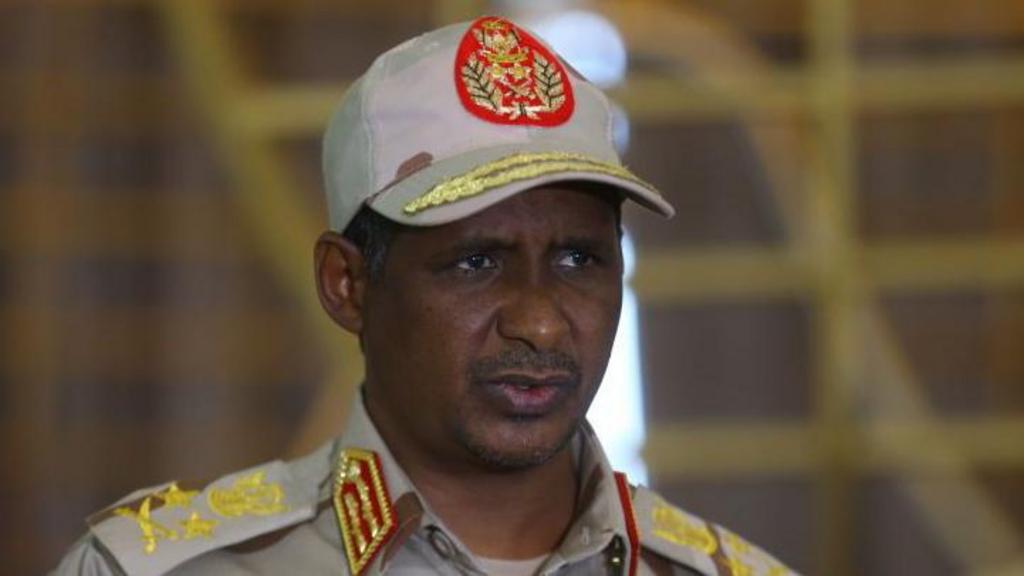
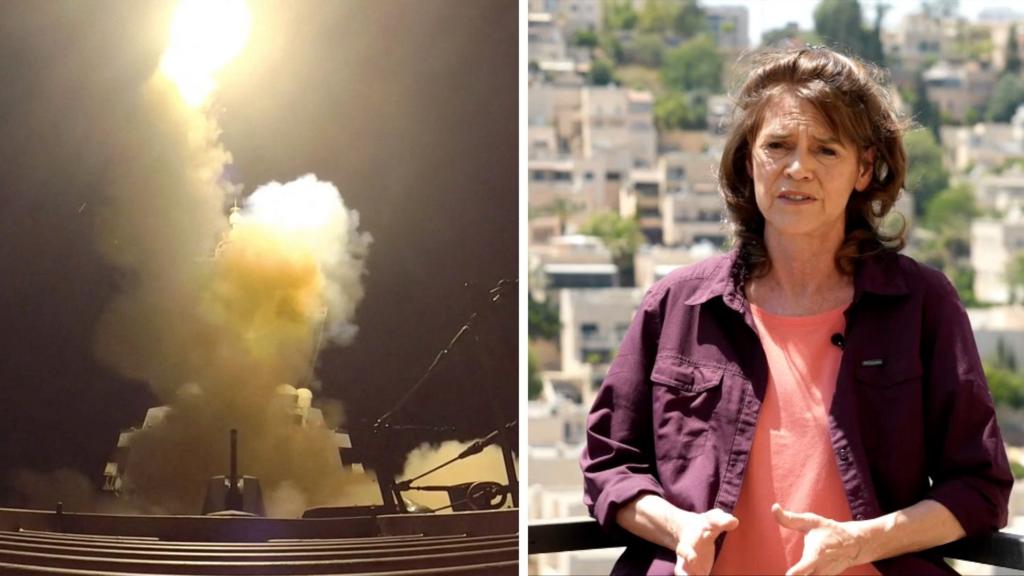
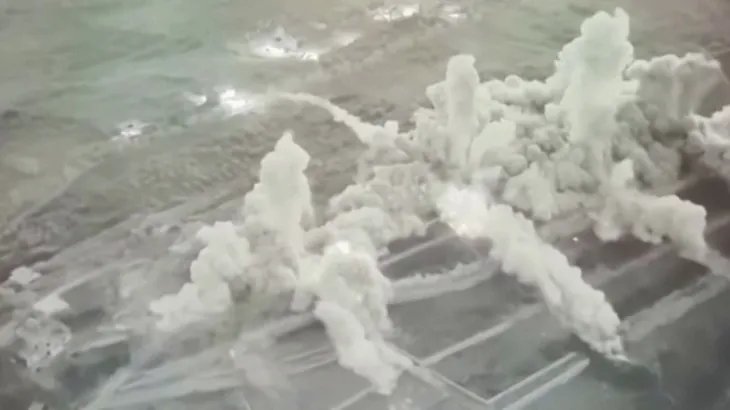
U.S. forces executed additional strikes on Iranian targets on Sunday, targeting “dozens of targets at multiple locations with precision munitions,” according to U.S. Central Command (Centcom). This military action aims to “degrade Iran’s ability to continue attacking international shipping” in the strategic Strait of Hormuz. The strikes follow an uptick in hostilities, marking a significant escalation in the ongoing conflict between the two nations.
Iran's Response and Broader Military Actions
In response to rising tensions, Iran has intensified its military operations, including recent air strikes on bases belonging to Iranian Kurdish militia groups in Iraqi Kurdistan. These attacks indicate Tehran’s concerns about the potential for these militias to grow more aggressive amidst the ongoing instability related to the conflict with the U.S. and Israel. The Iranian military’s actions underscore the shifting dynamics in the region and contribute to the cycle of retaliation.
Conflicting Claims Over Strait of Hormuz
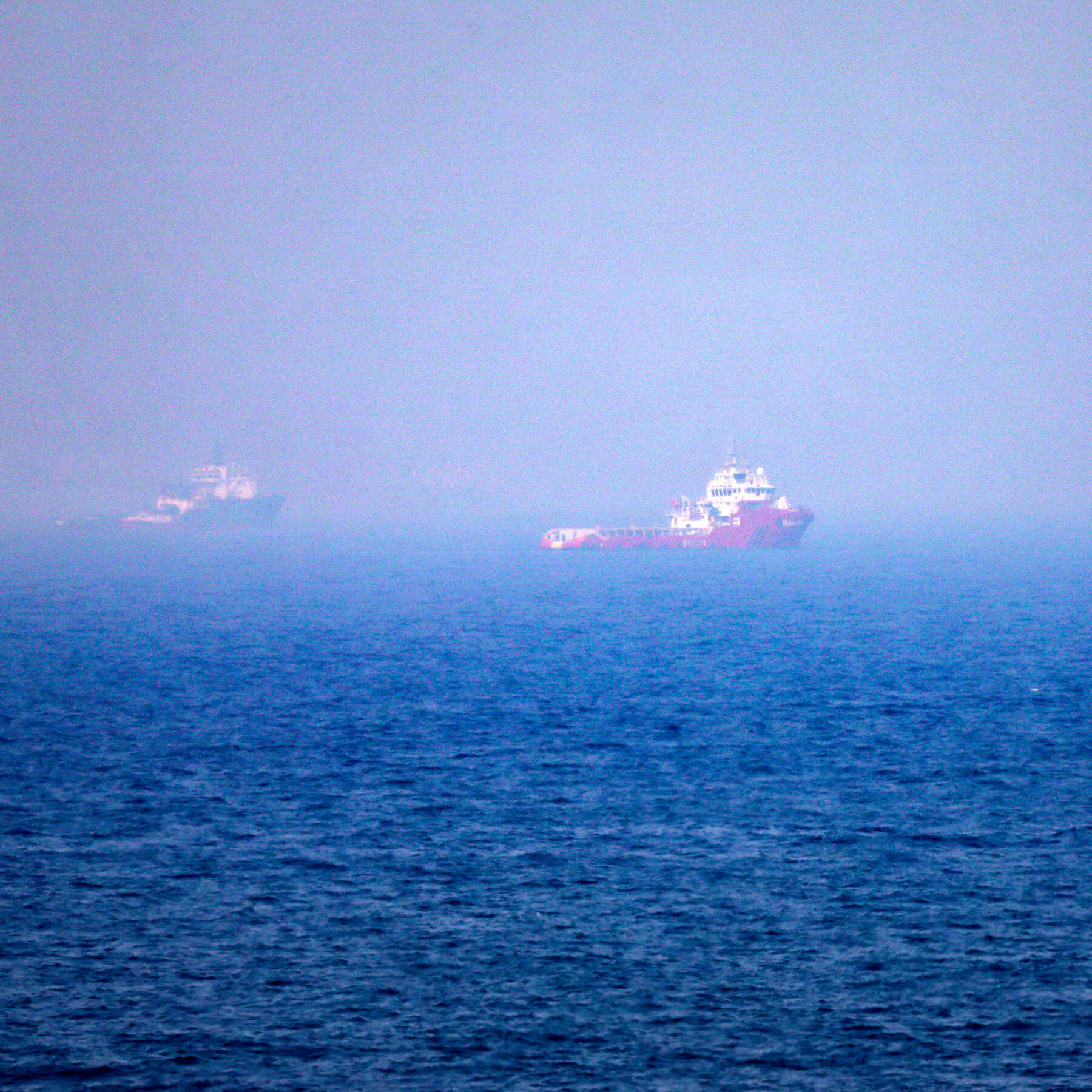
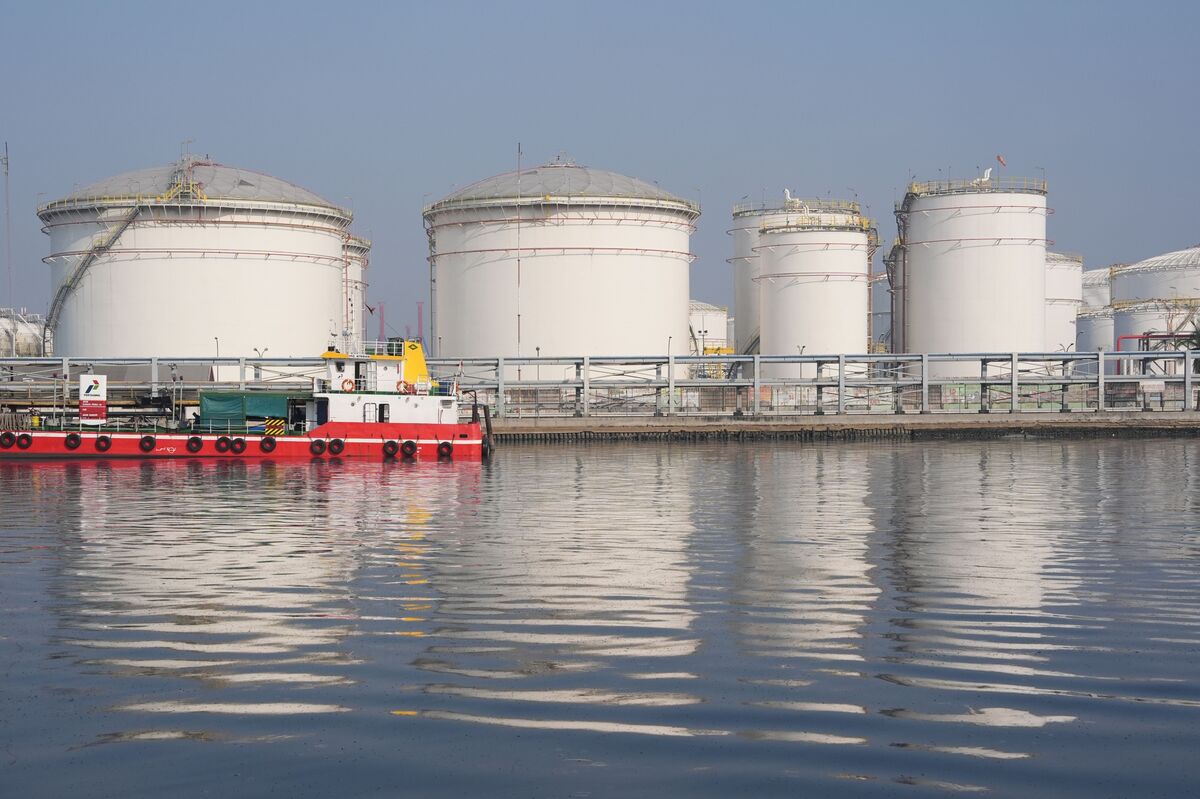
As military hostilities escalate, both the U.S. and Iran have issued conflicting statements regarding the status of the Strait of Hormuz. The U.S. maintains that the strait remains open for shipping, while Iranian officials have disputed this assertion. This disagreement adds another layer of complexity to the already tense situation, as the strait is a critical route for a significant portion of the world’s oil supply.
Implications for Global Security and Economy
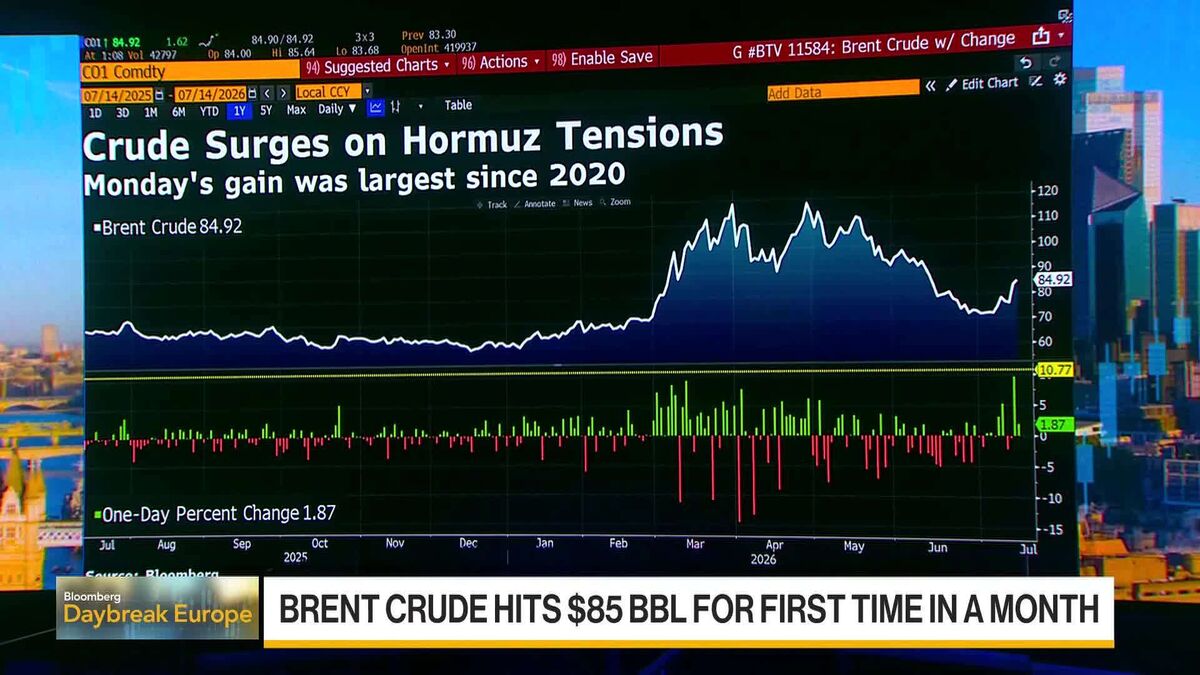
The renewed military actions between the U.S. and Iran could have far-reaching implications for global security and the economy. The Strait of Hormuz is a vital artery for international shipping, and any disruptions could lead to increased oil prices and instability in global markets. Analysts warn that continued military escalation could trigger broader conflicts, impacting not only the Middle East but also economies around the world.
The Human Cost of Escalating Conflict
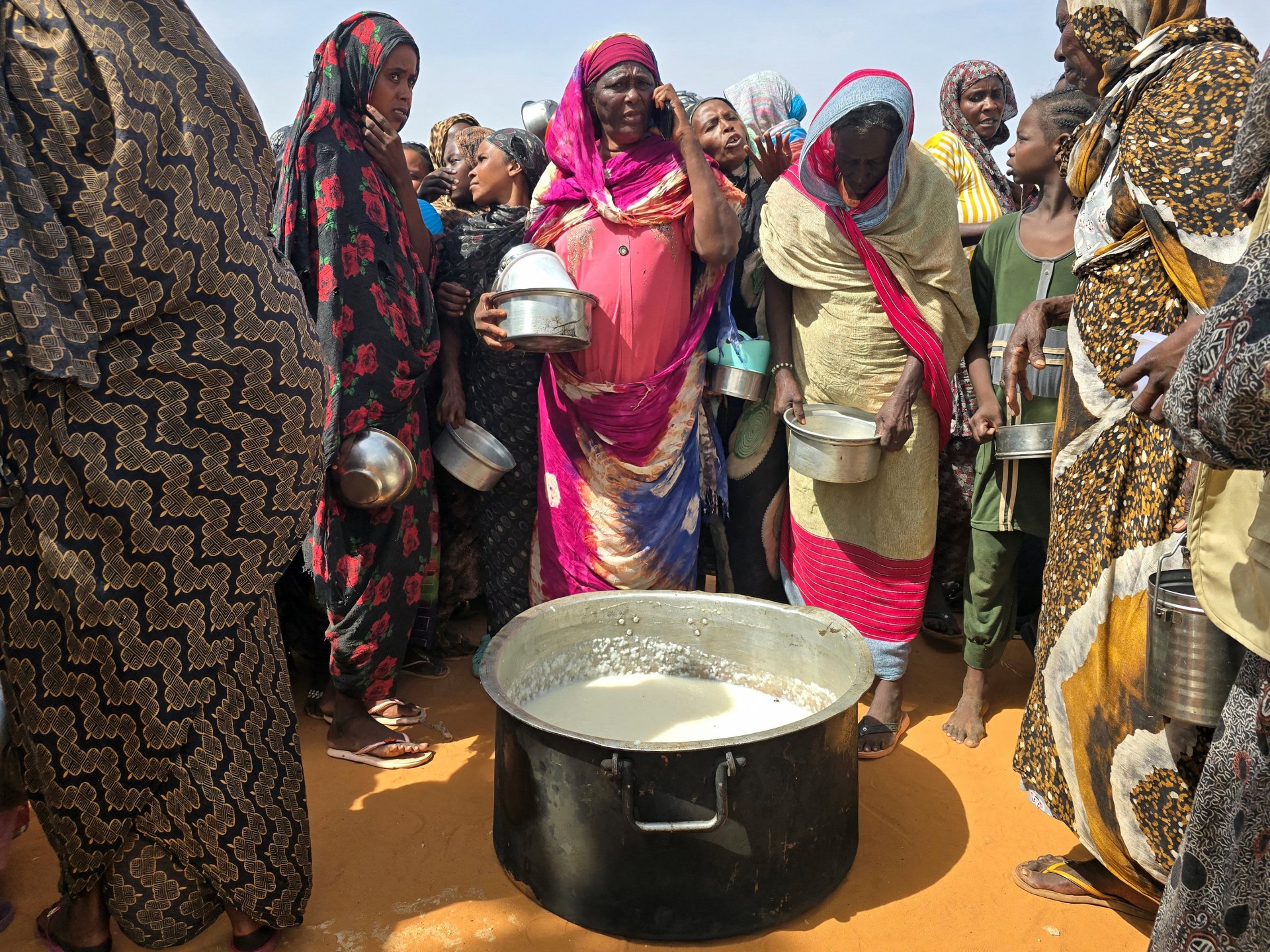
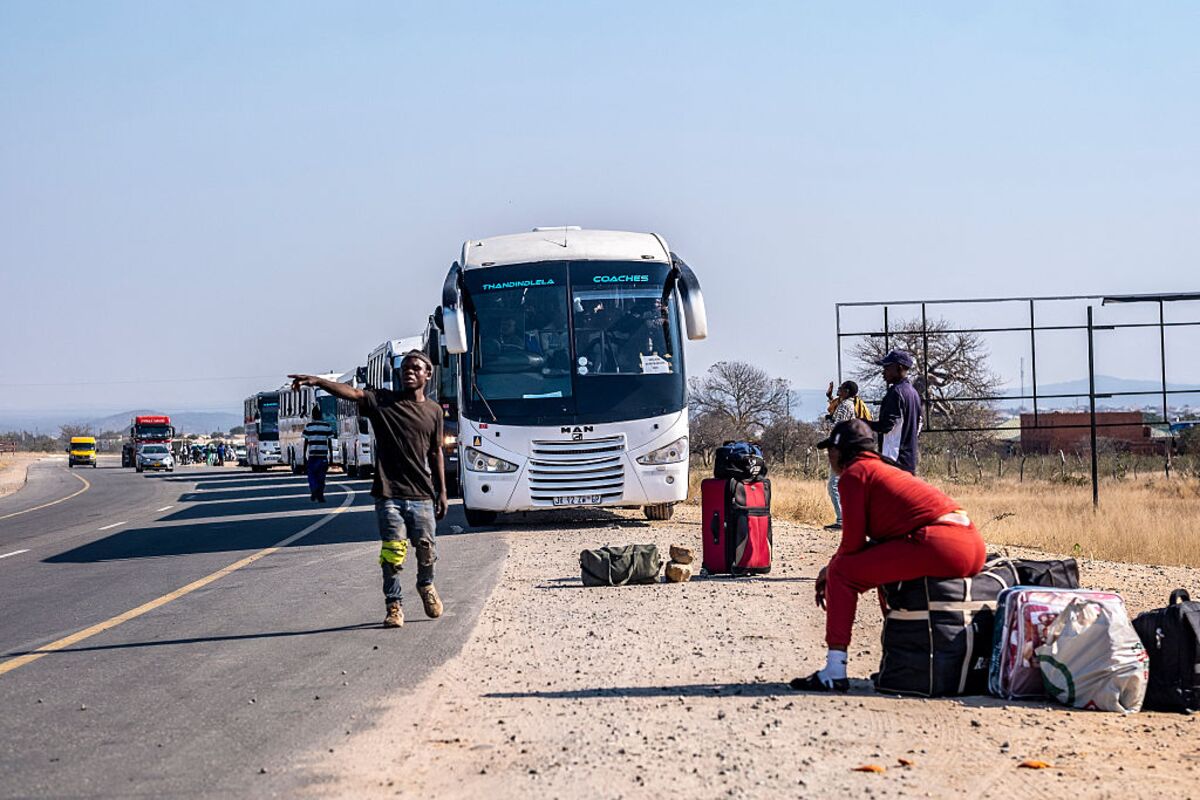
The ongoing military actions and retaliatory strikes raise concerns about the human cost of the conflict. Civilians in affected areas, particularly in Iraq and Iran, face the immediate dangers of air strikes and potential ground conflicts. Reports of casualties and displacement highlight the urgent need for diplomatic solutions to avoid further escalation and protect innocent lives caught in the crossfire.
The current trajectory of U.S.-Iran relations calls for heightened vigilance, as the potential for further military actions looms large. Stakeholders around the globe are urged to consider the broader implications of these hostilities on regional stability and international security.