




Deportation Numbers and Nationalities
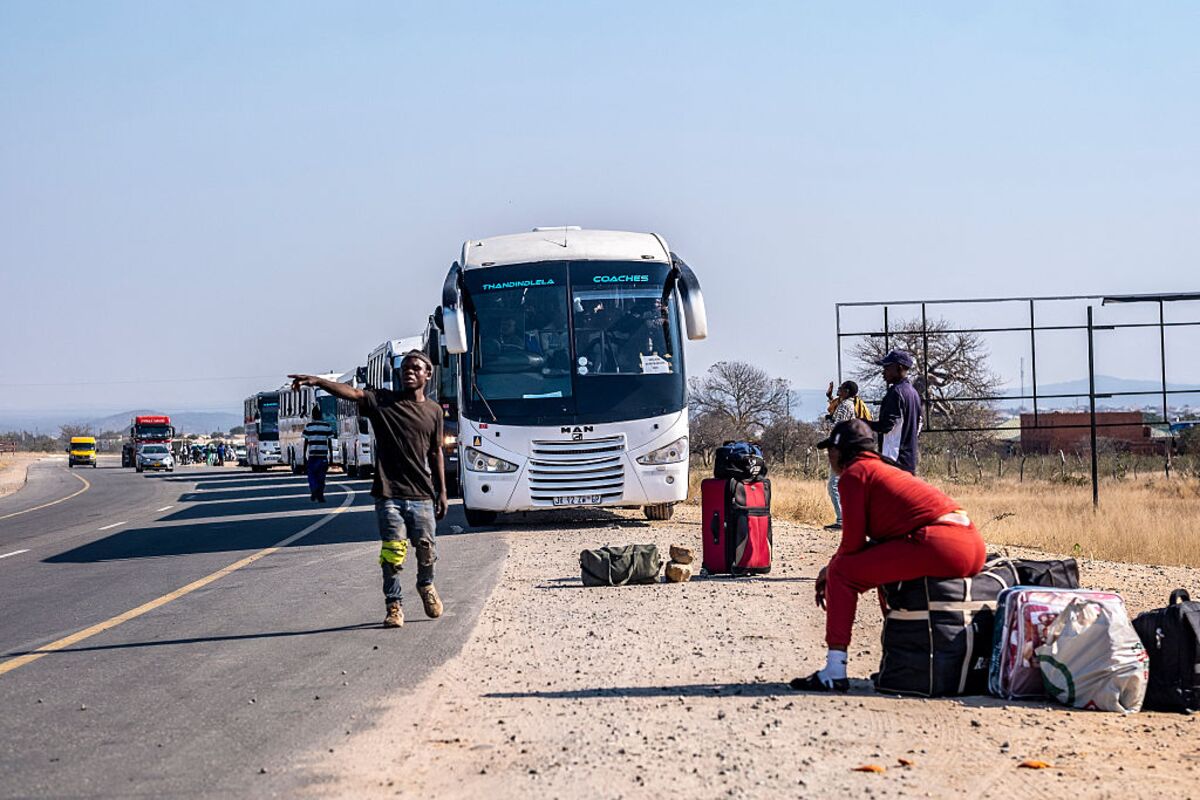
South Africa has deported or repatriated over 53,000 foreign nationals since initiating a "migration management" campaign five weeks ago, the majority of whom are from Malawi, Zimbabwe, and Mozambique, according to Justice and Constitutional Development Minister Mmamoloko Kubayi. This campaign is part of a broader crackdown on undocumented migrants, a response to recent anti-immigration protests demanding tighter border controls and mass deportations. The number of those affected is likely to increase as the government continues its efforts.
Socioeconomic Tensions and UN Warning
The deportation campaign comes amid widespread protests accusing migrants of contributing to high unemployment, rising crime rates, and the collapse of public services. The UN has cautioned against scapegoating migrants for South Africa's socioeconomic issues. Anti-migrant activists have threatened continued protests until their demands are met, leading to concerns of escalating violence.
Government's Stance and Future Actions
Minister Kubayi emphasized the government's commitment to orderly and regular migration that is sensitive to public concerns while upholding human rights and dignity. She noted that the deportation process has also led to the apprehension of individuals wanted for criminal activities. President Cyril Ramaphosa has acknowledged public concerns about immigration but has condemned attacks against migrants and warned against vigilante justice. South Africa, as Africa's wealthiest nation, continues to attract migrants seeking better economic opportunities, some of whom enter the country illegally.
International Repatriation Efforts
In response to the situation, several countries including Ghana, Nigeria, Uganda, and Kenya have organized flights to repatriate their citizens. This international cooperation highlights the broader implications of South Africa's immigration policies and the human impact on families and communities both within South Africa and in the countries receiving their returning citizens.
Conclusion
The deportation of over 53,000 individuals marks a significant policy action with far-reaching consequences for South Africa's demographics, international relations, and the lives of those deported. As the government proceeds with its immigration enforcement, the need for a balanced approach that respects human rights while addressing legitimate security and economic concerns remains crucial.